

Most dark roasts make one of two mistakes: they burn out every trace of origin character in pursuit of strength, or they dial back the roast so much that "dark" is just a label on the bag. The Westmorland Blend does neither. It is Farrer's age-old family blend of Arabica coffees, dark roasted to produce a full-strength, full-bodied cup with nutty flavours and dark chocolate notes. It is the coffee that consistently sits at the top of Farrer's customer reviews and the one new customers tend to come back for. If you have been scrolling past it on social media wondering whether it lives up to the reputation, this article breaks down exactly what it is, why it works, and how to brew it properly at home.
Table of Contents
- Quick Takeaways
- What Is the Westmorland Blend?
- The Flavour Profile Unpacked
- How to Brew It Correctly
- Westmorland Blend vs. Other Farrer's Coffees
- Who Should Buy the Westmorland Blend?
- Frequently Asked Questions
- References
Quick Takeaways
| Key Insight | Explanation |
|---|---|
| 100% Arabica blend | The Westmorland Blend is made entirely from Arabica coffees, giving it aromatic complexity alongside its full body, rather than the blunt harshness of a Robusta-heavy roast. |
| Named after a real county | Westmorland was the old county covering the south of Cumbria, the same region where Farrer's has been roasting in Kendal since 1819. The name is local history, not marketing. |
| Dark chocolate and nut flavours | The dominant tasting notes are nutty flavours and dark chocolate with increased acidity. It is bold without being bitter when brewed correctly. |
| Best in a cafetière or filter | Farrer's recommends filter brewers and cafetières as the primary methods. Both allow the full body and aroma to develop without the pressure-extraction dynamics of espresso. |
| Priced from £8.78 | The Westmorland Blend is available from £8.78, making it an accessible entry point to Farrer's range without sacrificing the quality of freshly roasted, hand-packed beans. |
| Available as whole beans or pre-ground | You can order it whole bean for maximum freshness or in various grind sizes to match your brewing method, dispatched the next working day on qualifying orders. |
| An age-old family recipe | This is not a blend invented for an e-commerce catalogue. It is an original Farrer family recipe refined across generations, which means the roast profile has been tested across decades, not just quarters. |
What Is the Westmorland Blend?
The Westmorland Blend is Farrer's signature dark-roasted coffee, built from a blend of Arabica beans and produced to a recipe that has been part of the Farrer family's range for generations. It is not a recent product launch designed to chase a trend. The blend is named after the historic county of Westmorland, which covered the south of what is now Cumbria, the same landscape that surrounds Farrer's roastery in Kendal.
Farrer's was founded in 1819 on Stricklandgate in Kendal, making it one of the oldest coffee roasters in the UK. The Westmorland Blend sits at the heart of that heritage. Where some roasters refresh their entire range every season, Farrer's has maintained this blend because it delivers something specific and consistent: a full-strength, full-bodied aromatic drink that works as an everyday coffee without apology.
The blend is available in whole bean form and in multiple grind sizes, so it is genuinely accessible regardless of what equipment you brew with at home. Orders over £35 qualify for next-day dispatch, which means you are not waiting a week for fresh coffee to arrive after seeing it on Instagram.
The Westmorland County Connection
The naming is worth understanding, because it explains the character Farrer's was aiming for with this blend. Westmorland was a county defined by moorland, fell walking, and a hard-wearing, unpretentious culture. The coffee follows the same logic: full strength, grounded, and built for everyday use. It is not named after a region in Ethiopia or a single farm in Colombia. It is named after the land where it is roasted.
That local connection matters to Farrer's audience. A customer in the Lake District buying this blend is buying something that belongs to their landscape as much as any single origin belongs to its growing region.
The Flavour Profile Unpacked
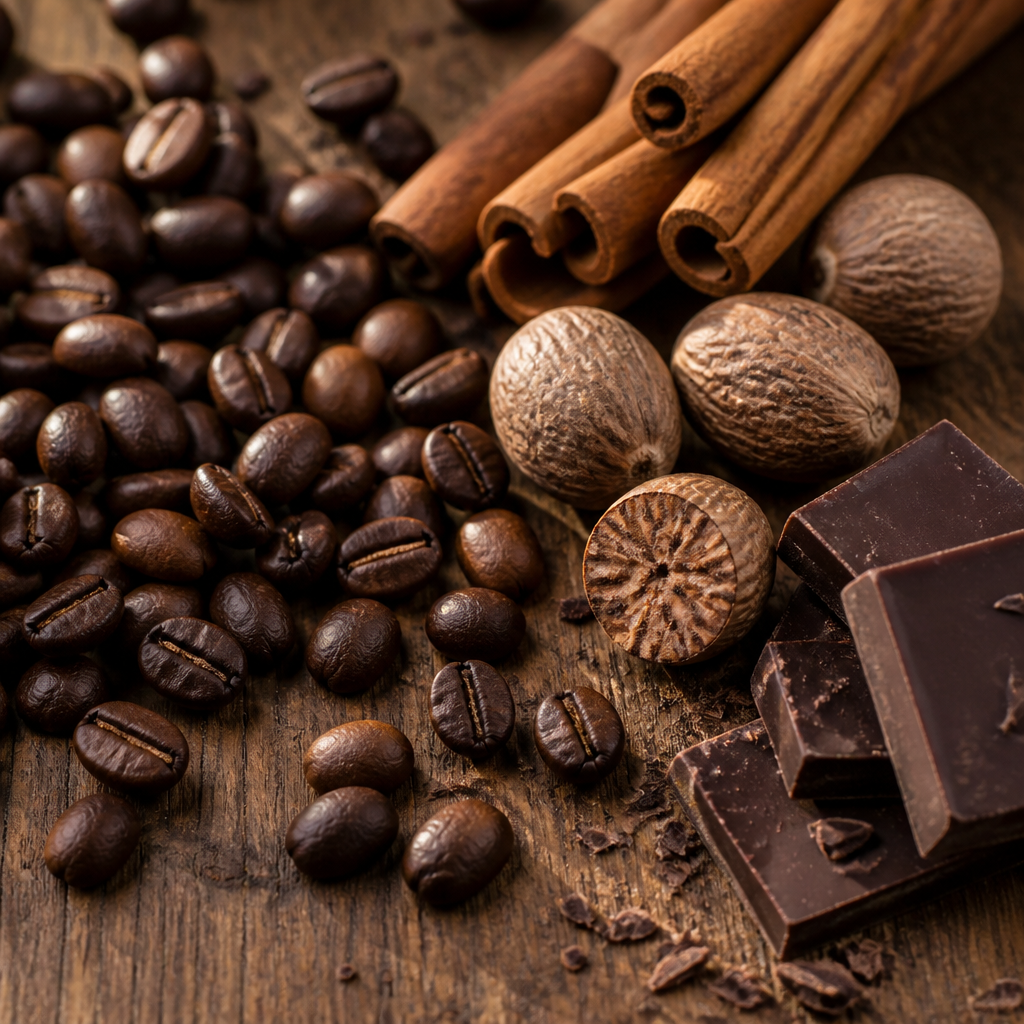
The official tasting notes for the Westmorland Blend are nutty flavours and dark chocolate with increased acidity. That combination is less obvious than it sounds, and it is worth unpacking each element so you know what to expect in the cup.
Nutty Flavours: What That Actually Means
Nuttiness in dark-roasted Arabica coffee comes from the Maillard reaction during roasting, the same chemical process that browns bread and roasted almonds. At darker roast levels, these compounds become more pronounced. In practice, the nutty character in the Westmorland Blend reads as a warm, roasted backdrop rather than a sharp almond note. It gives the cup texture and a satisfying finish, especially when the coffee cools slightly in the cup.
Pro tip: If you want the nutty character to come forward more clearly, try brewing the Westmorland Blend in a cafetière with water at around 93 to 96 degrees Celsius and letting it steep for four full minutes before pressing. The immersion method draws out more of those roasted, rounded notes than a quick pour-over.
Dark Chocolate Notes and Body
The dark chocolate notes are the dominant flavour impression most people register first. This is not a cacao-forward single origin with bright fruit underneath it. The chocolate here is bittersweet and deep, more like 85% dark chocolate than milk chocolate. That character comes directly from the roast level, where caramelisation of the bean's natural sugars produces heavier, more complex compounds.
The full body is equally important. Body refers to the physical weight and texture of the coffee on your palate, and the Westmorland Blend sits firmly at the heavy end of that scale. That weight is part of why it works so well in a cafetière: the paper filter in a pour-over or drip machine strips out some of the oils that contribute to body, while a cafetière retains them.
The Increased Acidity
Farrer's describes the Westmorland Blend as having "increased acidity," which is an interesting note for a dark roast. Dark roasting typically reduces the bright, fruit-driven acidity you find in a light roast. The acidity present in the Westmorland Blend is a different kind: deeper and more mellow, contributing a clean finish that stops the cup from feeling flat or hollow. It is the element that keeps the coffee feeling alive rather than just heavy.
A well-made dark roast is not about removing brightness. It is about transforming it, taking the sharp acidity of the green bean and developing it into something richer, with more complexity and less edge. That is the craft in a blend like Westmorland.
How to Brew It Correctly
The Westmorland Blend excels in filter brewers and cafetières, and it also works through an espresso machine. Each method draws out a different aspect of the profile, so the right choice depends on what you are looking for in the cup.
Cafetière (French Press)
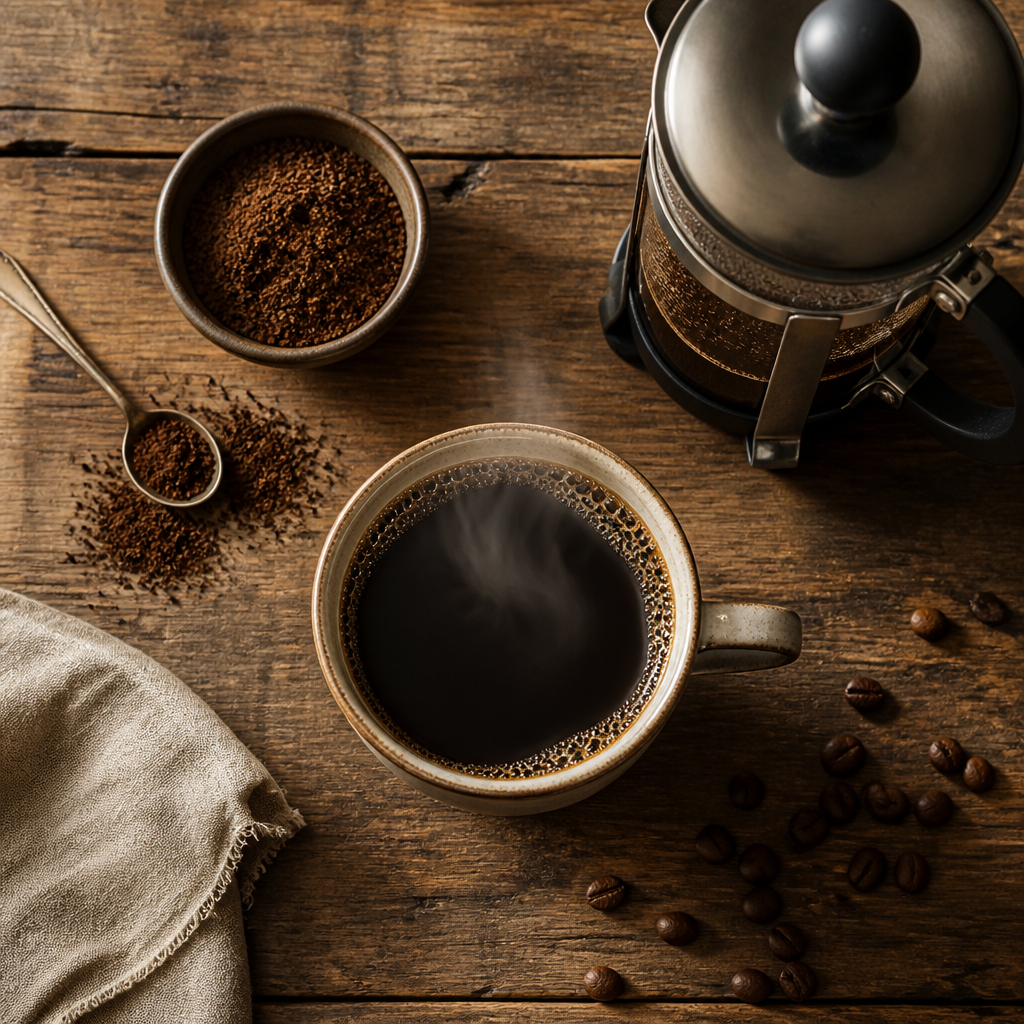
The cafetière is the most forgiving method for this blend and the one that showcases its full body most effectively. Use a coarse grind, roughly 18 to 23 grams of coffee per 350ml of water, and steep for four minutes before pressing slowly. Water temperature should be around 93 to 96 degrees Celsius, which means letting boiling water sit for 30 seconds before pouring. The result is a thick, full-bodied cup with the chocolate and nut notes in full effect.
A common mistake with dark roasts in a cafetière is using too fine a grind. Fine grounds steep faster and extract more aggressively, and in a dark roast that tips quickly from rich to harsh. Go coarser than you think you need to.
Filter Coffee
A filter brewer, whether a pour-over or an electric drip machine, produces a cleaner cup with the dark chocolate notes more clearly defined and less body than a cafetière. Use a medium grind and aim for water at 93 to 96 degrees Celsius. The Westmorland Blend's increased acidity is slightly more noticeable in filter brewing, giving the cup a brighter finish than the cafetière version.
Pro tip: When you order freshly roasted beans from Farrer's, allow one to two days of rest before brewing filter coffee, and three to five days before pulling espresso. Freshly roasted beans are still releasing CO2, which can disrupt extraction and produce inconsistent results. Patience here is not optional if you want the flavour profile to read correctly.
Espresso
The Westmorland Blend works through an espresso machine, though it is not Farrer's dedicated espresso product. For espresso, use a fine grind and target a water temperature of 92 to 94 degrees Celsius. The result is a concentrated, intensely chocolatey shot with significant body. It holds up well with milk, making it a solid choice for flat whites and lattes if you want a strong base that does not disappear behind steamed milk.
Westmorland Blend vs. Other Farrer's Coffees
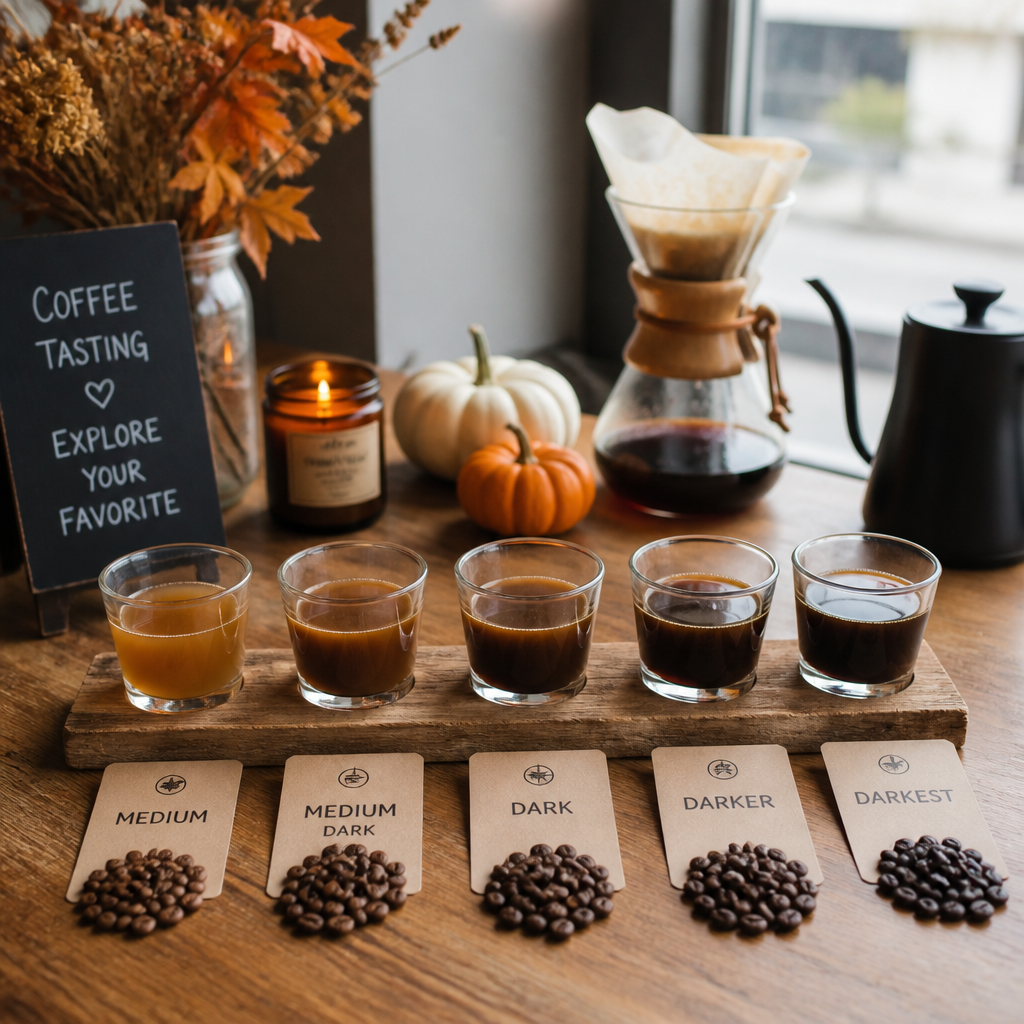
Understanding where the Westmorland Blend sits in the Farrer's range helps you decide whether it is the right coffee for your palate, or whether a different blend might suit you better. The three most relevant comparisons are with the No. 1 Blend, the Colombian High Roast, and the Italian Blend.
| Coffee | Roast Level and Character | Best For |
|---|---|---|
| Westmorland Blend | Dark roast. Full body, nutty, dark chocolate, increased acidity. Age-old Farrer family Arabica blend. | Everyday drinkers who want strength and body. Cafetière and filter users. Anyone stepping up from supermarket brands to something with real character. |
| No. 1 Blend | Medium roast. Well-rounded body, chocolate, nuts, gentle citrus. Beans from South and Central America and Asia. | Those who want the nutty, chocolatey character of the Westmorland Blend but with a lighter, more approachable body and brighter finish. A good gateway coffee. |
| Colombian High Roast | Higher dark roast. Colombian origin taken further through the process. Heavy body, dark chocolate, brown sugar, caramelised fruit. | Those who already enjoy the Westmorland Blend and want to push further into dark roast territory with a single-origin Colombian base and even more body. |
In practice, the Westmorland Blend sits in the most useful position: darker than the No. 1 Blend but not so extreme that it alienates drinkers who still want some origin character in the cup. It is the blend that covers the widest range of palates within the dark roast category, which is exactly why it consistently tops Farrer's customer reviews.
If you are coming to Farrer's from a mass-market brand and looking for your first proper dark roast coffee in the UK, the Westmorland Blend is the correct starting point. Not the No. 1 Blend, which is better suited to lighter roast preferences, and not the Colombian High Roast, which is a more specialist choice. The Westmorland Blend is deliberately designed to be the benchmark.
Who Should Buy the Westmorland Blend?
The honest answer is: most people who say they like strong coffee. The Westmorland Blend is built around the flavour profile that the UK market has consistently favoured, full body, dark chocolate, and enough strength that it does not disappear under milk. It is not a challenging or divisive coffee. It is a well-crafted version of exactly what most dark roast drinkers are looking for.
Home Enthusiasts
If you drink two or three cups a day from a cafetière or a filter machine and you buy your coffee from a supermarket out of habit rather than conviction, switching to the Westmorland Blend is an immediate and noticeable upgrade. The difference between freshly roasted beans dispatched from a Kendal roastery and a foil bag that sat in a warehouse for six months is not subtle. The Westmorland Blend shows you what dark roast coffee is supposed to taste like before it has had the life aged out of it.
Cafes and Hospitality Businesses
For trade customers, the Westmorland Blend offers a dark roast that works across multiple brew formats without needing a different coffee for each method. A cafe running cafetière service alongside filter and espresso can use this blend across all three, simplifying stock and training. Farrer's also offers barista training programmes and roastery experience days, which means the team behind your counter can get proper support rather than being left to work it out from a brew guide PDF.
The fact that this is an age-old family recipe from a roaster with over 200 years of provenance also gives hospitality businesses a genuine story to put on a menu. "Westmorland Blend from Farrer's of Kendal, roasting since 1819" is a credible line that Lavazza or a generic contract coffee supplier simply cannot match.
Frequently Asked Questions
Is the Westmorland Blend a true dark roast or a medium-dark roast?
Farrer's describes the Westmorland Blend as dark roasted on the product page, producing a full-strength, full-bodied cup. A separate Farrer's source rates it at medium-strong (3.5 on their scale). In practical terms, it sits at the darker end of the spectrum without crossing into a heavily charred or smoky roast. The flavour profile, nutty, dark chocolate, increased acidity, confirms a roast that is genuinely dark without eliminating origin character entirely.
What grind size should I use for the Westmorland Blend in a cafetière?
Use a coarse grind for a cafetière. Fine or medium grinds will over-extract in the four-minute immersion steep, pushing the cup from rich into harsh territory. If your cafetière coffee tastes bitter or gritty, the grind is too fine regardless of which coffee you are using. Adjust coarser until the cup tastes clean and full rather than sharp.
How does the Westmorland Blend compare to Lavazza or other supermarket dark roasts?
The key difference is freshness and origin transparency. Farrer's roasts in small batches in Kendal and dispatches the next working day on qualifying orders. Mass-market brands like Lavazza move at a scale that makes freshly-roasted-to-order impossible. The Westmorland Blend is also 100% Arabica, which gives it more aromatic complexity than blends that include Robusta for cheap body. The difference is most noticeable in a cafetière, where the oils and aromatic compounds from fresh Arabica beans produce a cup that supermarket options simply cannot replicate.
Can I use the Westmorland Blend for espresso?
Yes. While Farrer's specifically recommends filter brewers and cafetières as the primary methods, the Westmorland Blend also works through an espresso machine. Aim for a fine grind and a water temperature of 92 to 94 degrees Celsius. The result is a concentrated, chocolatey shot with significant body. It is not Farrer's dedicated espresso product, but it produces a strong and satisfying result, particularly as a base for milk-based drinks.
How should I store the Westmorland Blend to keep it fresh?
Store the beans or ground coffee in an airtight container, away from heat sources and light. Avoid the fridge, where moisture can cause problems, and do not store coffee near a cooker or in direct sunlight. Whole beans stay at peak quality for two to four weeks after the roast date when stored correctly. Pre-ground coffee begins losing its character within days of grinding, so if flavour is your priority, buying whole beans and grinding as needed is strongly recommended.
Is the Westmorland Blend available on a subscription?
Yes. Farrer's offers a subscription service with a 10% saving on regular roastery delivery. You can choose your coffee, your grind size, and your delivery schedule, with the option to pause, skip, or cancel at any time. For a blend you drink daily, the subscription is the most cost-effective and practical way to ensure you never run out of fresh coffee.
Have you tried the Westmorland Blend, and does it match how Farrer's describes it, or did you find a brewing method that brings out the flavour better than the cafetière? Share your experience in the comments below.
References
- Farrer's official product page for the Westmorland Blend, including flavour notes, roast profile, and recommended brew methods
- Farrer's roastery history and founding story, covering the origins of the business in Kendal since 1819
- Farrer's blog guide to freshly roasted coffee and a comparison of their best blends including the Westmorland Blend
- Farrer's grind guide explaining how to match grind size to brewing method for cafetière, filter, and espresso
- A detailed history of Farrer's Tea and Coffee House, including the founding by John Farrer in 1819 and the Kendal building's origins


