

Most coffee drinkers pick a bag based on packaging or price, drink it for a month, and wonder why it never quite hits the spot. The real question is simpler: do you want a coffee that performs the same way every single morning, or do you want to taste exactly where your beans came from? Understanding the difference between a house blend coffee and a single origin is the fastest way to stop guessing and start drinking coffee you actually love. Farrer's, roasting in the Lake District for over 200 years, has both categories covered, and this guide will show you how to choose confidently.
Table of Contents
- Quick Takeaways
- What Is a House Blend Coffee?
- What Is Single Origin Coffee?
- Key Differences at a Glance
- How Your Brewing Method Changes the Decision
- Choosing by Taste Preference
- Farrer's Specific Recommendations
- Trade and Cafe Buyers: Which to Stock?
- Frequently Asked Questions
- References
Quick Takeaways
| Key Insight | Explanation |
|---|---|
| House blends are engineered for consistency | A roaster combines multiple origins to hit the same flavour profile year-round, regardless of harvest variation. |
| Single origins change seasonally | Because they come from one farm or region, the flavour shifts subtly with each crop. That variability is part of the appeal. |
| Espresso usually favours blends | The pressure of espresso extraction amplifies acidity. Blends are structured to balance this; many single origins are not. |
| Filter and pour-over suit single origins well | Slower extraction methods give delicate, complex notes space to develop, which is where single origins excel. |
| Freshly roasted coffee changes the equation | Both categories taste significantly better within four weeks of roasting. Farrer's next-day dispatch keeps that window intact. |
| Trade buyers benefit most from blends | Cafes need a coffee that tastes identical in week one and week forty. A well-crafted blend solves that problem directly. |
| Price is not the deciding factor it seems | Some Farrer's house blends cost more per 250g than certain single origins. The category does not determine the price tier. |
What Is a House Blend Coffee?
A house blend coffee is a deliberate recipe. The roaster selects two or more green coffee origins, roasts them to a specified profile, and combines them in proportions designed to create a target cup. The goal is not novelty. The goal is reliability.
In practice, a well-built house blend performs under pressure, literally. When you pull a shot through an espresso machine at 9 bars, you need body, sweetness, and controlled acidity working together. That balance rarely happens by accident with a single origin bean. It happens because a roaster with decades of experience has engineered it.
Farrer's has been building blends since the early 1800s. That is not a marketing claim. It means the recipes have been tested across hundreds of harvests, adjusted for crop variation, and refined based on direct customer feedback from both home drinkers and professional baristas. A common mistake people make is assuming a blend is a lesser product, something for those who do not know better. The opposite is true: creating a consistently excellent blend is harder than sourcing a standout single origin.
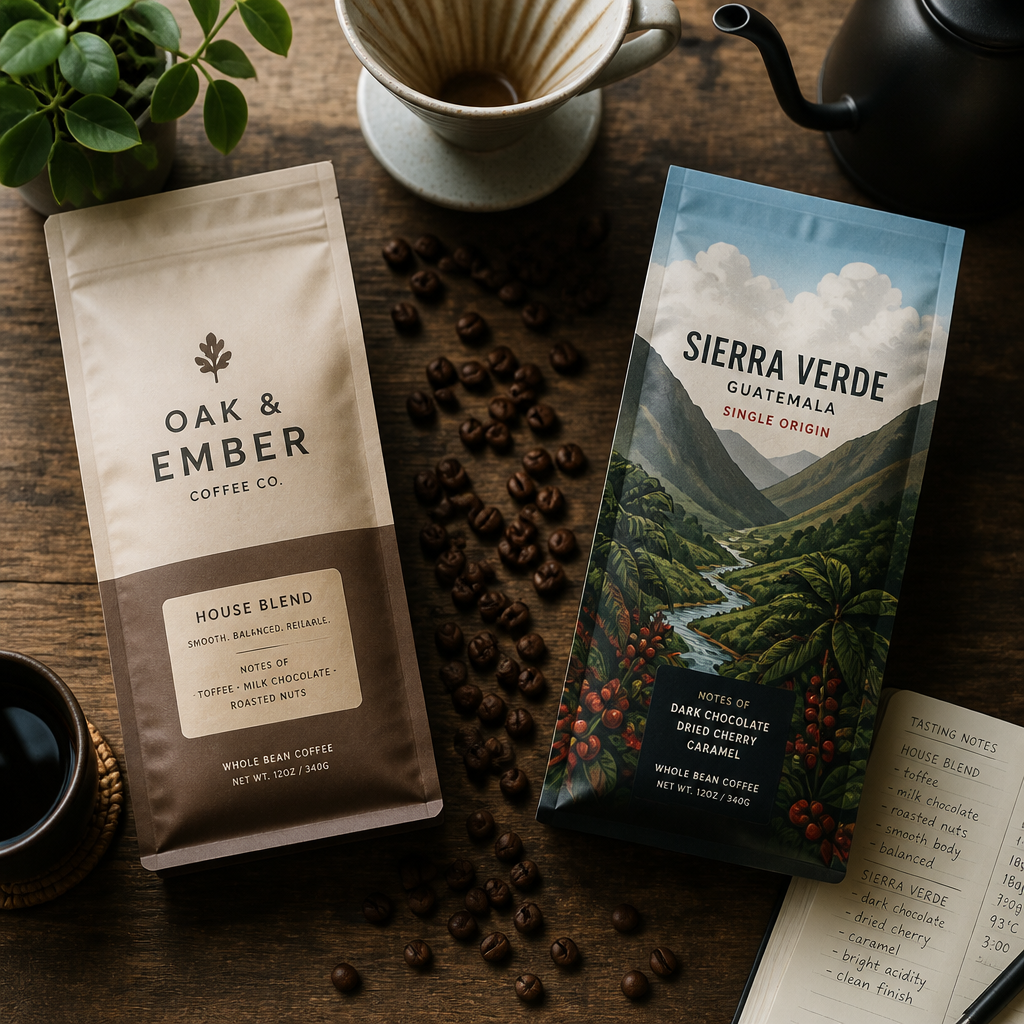
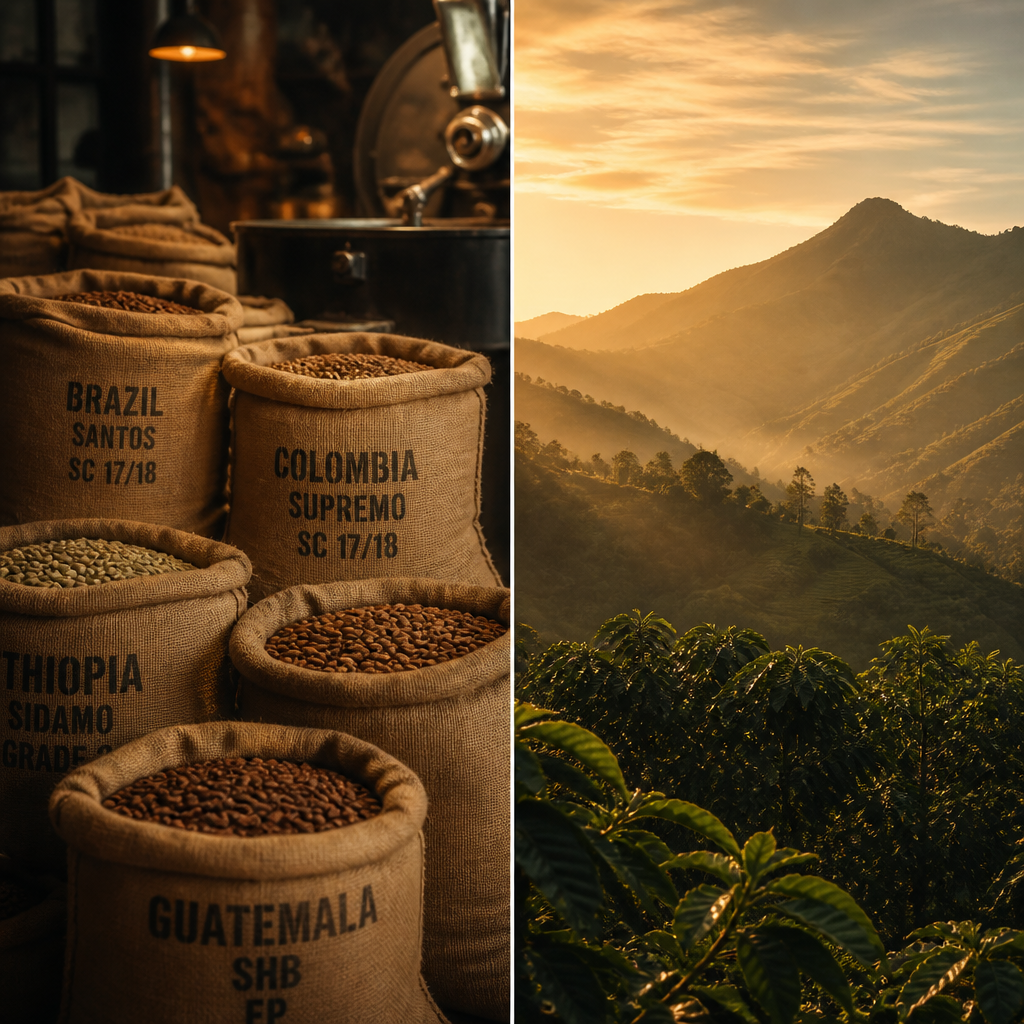
The blend composition at Farrer's typically anchors on a Brazilian or Colombian base for body and sweetness, then introduces East African or Central American beans for complexity. The ratios are the intellectual property of the roastery. What you experience in the cup is the output of that knowledge.
Pro tip: If you are buying coffee for a household where people have different preferences, a house blend is almost always the safer choice. Its rounded profile is more forgiving of varied brewing habits and grind inconsistencies than a single origin with pronounced characteristics.
What Is Single Origin Coffee?
Single origin coffee comes from one defined geographic source. That might be a country like Ethiopia, a specific region like Yirgacheffe, or a named farm. The narrower the origin, the more the cup reflects the specific soil, altitude, rainfall, and processing method of that place.
This specificity is the entire point. When you drink a well-roasted Ethiopian single origin, you are tasting something that cannot be replicated elsewhere. The jasmine and blueberry notes in a natural-processed Yirgacheffe are not flavourings. They are compounds produced by that specific variety of Coffea arabica grown at altitude in those particular conditions.
The data consistently shows that the specialty coffee market, which is heavily weighted toward single origins, has grown steadily in the UK. According to Statista, the UK's coffee shop market is valued at over £4.5 billion, with premium and specialty segments driving the growth above the market average. Single origins are a significant driver of that premium positioning.
The trade-off is predictability. A single origin from a specific farm will taste different next year. The altitude, rainfall, and processing decisions of that harvest will shift the cup profile. For drinkers who see that as a feature rather than a flaw, single origin coffee from a roaster like Farrer's is the right direction entirely.
"Traceability in coffee is not just an ethical story. It is a flavour story. When you know where a coffee came from, you understand why it tastes the way it does." - James Hoffmann, author of The World Atlas of Coffee
Key Differences at a Glance
The distinction between a house blend and a single origin is not just philosophical. It affects what ends up in your cup in measurable, practical ways. The table below compares the two categories across the criteria that actually matter when you are making a purchasing decision.
| Criteria | House Blend Coffee | Single Origin Coffee UK |
|---|---|---|
| Flavour consistency | High. Engineered to taste the same year-round. | Varies by harvest. Seasonal shifts are expected and valued. |
| Flavour complexity | Balanced and rounded. Less likely to have extreme high notes. | Can be intensely distinctive. Fruity, floral, or earthy profiles depending on origin. |
| Best brewing method | Espresso, moka pot, cafetiere. Methods that benefit from body and balance. | Filter, AeroPress, pour-over. Methods that highlight clarity and individual notes. |
| Roast transparency | Blend composition often kept proprietary. | Farm, region, altitude, and processing method typically disclosed. |
| Ideal buyer | Daily drinkers, espresso lovers, cafes needing menu consistency. | Curious drinkers, filter coffee enthusiasts, those exploring specialty coffee. |
| Milk compatibility | Excellent. Built to hold up against milk in flat whites and lattes. | Variable. Delicate notes can be masked by milk depending on the origin. |
Looking at this comparison, the decision becomes clearer. Neither category is universally better. The right answer depends on how you brew, what you value in a cup, and how much variation you welcome.
How Your Brewing Method Changes the Decision
Brewing method is the most reliable predictor of which category will work for you. Most people choose their coffee before thinking about this, and that is exactly where the mismatch happens.
Espresso machines and moka pots
Espresso extraction concentrates everything in the bean. A high-acidity single origin from Kenya or Ethiopia, roasted light, will produce a sharp, almost sour espresso shot that many drinkers find unpleasant without a skilled barista adjusting the grind and timing precisely. A house blend coffee roasted to a medium-dark profile cuts through that problem. The blend is built with espresso in mind. Body is already there. Bitterness is calibrated. The shot pulls predictably.
Farrer's has house blends developed specifically for espresso-based drinks. These are the ones to buy if your daily routine involves a machine and steamed milk.
Filter, AeroPress, and pour-over
Slower, lower-pressure brewing methods are where single origins perform at their best. The extended contact time between water and grounds extracts the more volatile aromatic compounds that give a Guatemalan coffee its milk chocolate depth or an Ethiopian coffee its stone fruit character. A house blend brewed this way is perfectly fine, but it will not surprise you. A single origin will.
Pro tip: If you own both an espresso machine and a filter setup, buy one bag of each category from Farrer's simultaneously. Use the house blend for espresso and the single origin for your filter brews. This is not extravagant. It is just using the right tool for the job.
Cafetiere and AeroPress
These methods sit in the middle. A cafetiere produces a full-bodied, immersive cup that suits medium-roasted blends well. An AeroPress, because of its pressure and brewing flexibility, can handle both categories depending on the recipe you use. If you are new to AeroPress, start with a house blend. Once you know the method, a single origin will reward the experimentation.
Choosing by Taste Preference
Taste preference narrows the choice further. The language on coffee packaging, the tasting notes, can feel alienating if you are not used to it. Here is a practical translation.
If you describe your ideal coffee as rich, smooth, chocolatey, or full-bodied, you are describing the profile that best coffee blends UK roasters like Farrer's engineer deliberately. That is the house blend direction. If you describe it as bright, fruity, floral, or interesting, you are describing single origin territory.
Neither preference is more sophisticated than the other. The idea that drinking single origin coffee marks you as a serious coffee person is nonsense. Wanting a consistent, excellent cup of espresso every morning is a perfectly reasonable and considered preference.
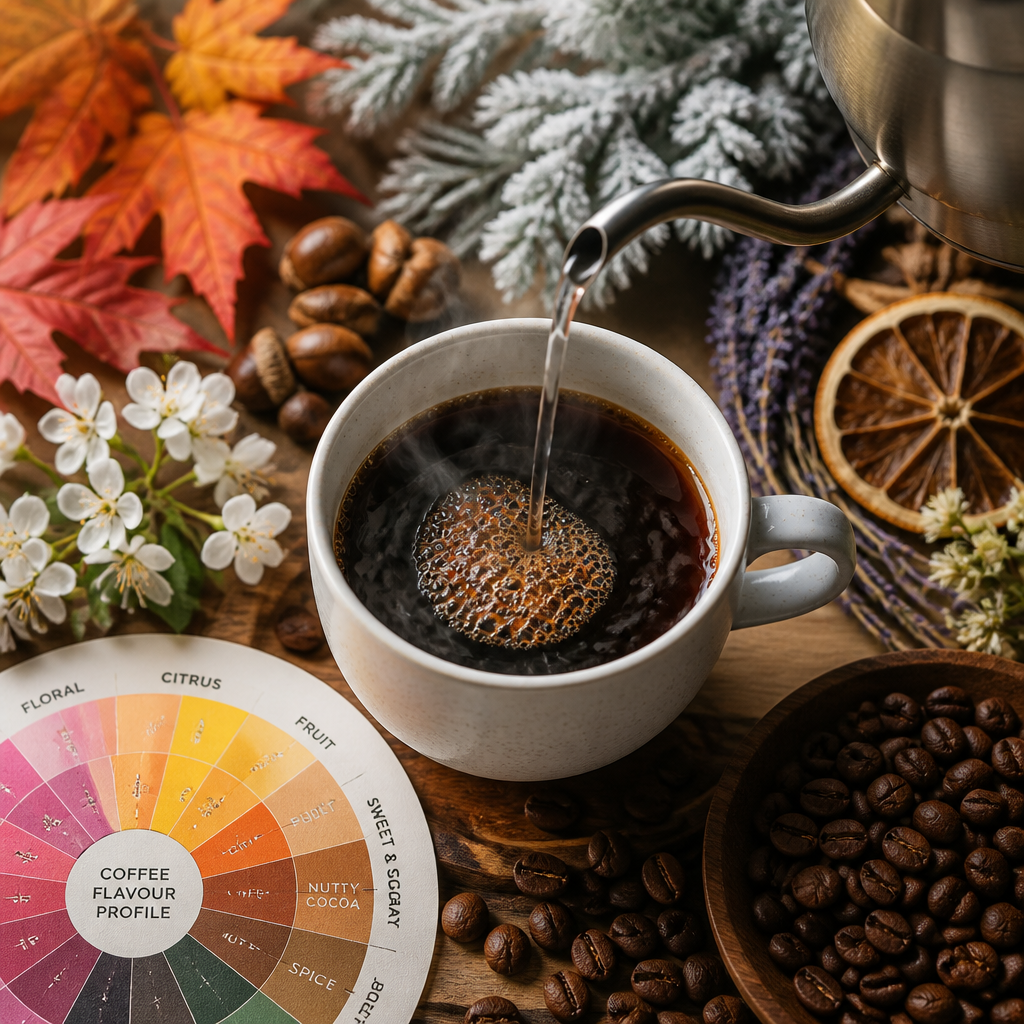
What changes the calculation is your relationship with surprise. Single origin drinkers typically enjoy noticing how a coffee from one country differs from another. They appreciate the seasonal shifts. They are, essentially, treating coffee as an ingredient with its own character rather than a consistent product. If that sounds appealing, single origin is the right path.
Farrer's Specific Recommendations
Farrer's position as the UK's oldest coffee roaster is not just a heritage claim. It means the blending knowledge has been accumulated and refined over more than two centuries. The house blends from Farrer's are not generic supermarket blends. They are handcrafted recipes, freshly roasted and dispatched within 24 hours for orders over £35, which means you receive them at the peak of their flavour window.
For freshly roasted coffee that works across multiple brewing methods, the Farrer's house blends are the starting point for most new customers. The roastery's most established blends have been around long enough that the recipes are trusted by professional baristas and home enthusiasts alike.
For single origins, Farrer's curated selection reflects the specialty coffee market without chasing trends. The selection changes as exceptional lots become available, which is exactly how it should work. A roastery with integrity does not stock a mediocre single origin just to maintain an always-available catalogue.
If you are ordering from Farrer's for the first time after finding this article through social media, the practical starting point is this: order a house blend and a single origin together. Compare them over two weeks. By the end of that experiment, you will know exactly which direction suits you, and you will have drunk two genuinely excellent bags of freshly roasted coffee in the process.
Trade and Cafe Buyers: Which to Stock?
For cafes, restaurants, and hospitality businesses, the question has a clearer answer. A house blend coffee is the backbone of any professional coffee programme. Your espresso machine output needs to be predictable. Your team needs a coffee that responds consistently to the grind settings you have calibrated. A single origin as your house espresso is a choice that requires constant adjustment as the bag changes or the seasonal crop shifts.
The professional consensus is to run a house blend as your primary espresso offering and, if your customer base has appetite for it, offer a rotating single origin as a filter option or a specialty espresso at a premium price point. This structure is used by respected independent cafes across the UK because it works in practice.
Farrer's trade programme supports this structure directly. The company has supplied professional-grade coffee to hospitality businesses for generations and offers barista training alongside its wholesale supply, which means your team can be trained on the specific coffees you are serving. That integration of product and training is something competitors like Lavazza or Tru Start cannot replicate at the same level of regional specificity and heritage knowledge.
One additional consideration for trade buyers: Farrer's next-day dispatch on orders over £35 means your supply chain is reliable. You are not waiting a week for a fresh batch. That operational reliability matters when you are managing a cafe and cannot run out of coffee mid-service.
Frequently Asked Questions
Is house blend coffee lower quality than single origin?
No. A well-crafted house blend requires more technical skill to produce than most single origins. The roaster must source multiple compatible green coffees, roast each to its optimal profile, and combine them in proportions that create a consistent, balanced cup. Farrer's house blends reflect over 200 years of accumulated blending knowledge. Quality is determined by the roaster's craft and the quality of the green coffee used, not by whether it is a blend or a single origin.
Which single origin coffee UK regions produce the best beans?
Ethiopia consistently produces coffees with the most distinctive flavour profiles, particularly from the Yirgacheffe and Sidama regions, where natural processing creates intensely fruity and floral cups. Colombia is reliable for balanced, approachable single origins with caramel and citrus notes. Guatemala and Costa Rica are excellent for chocolatey, medium-bodied cups that work well in filter brewing. The best region depends entirely on the flavour direction you prefer.
Can I use a single origin in my espresso machine?
Yes, but with realistic expectations. Many single origins are roasted lighter than espresso blends, which means they require finer grind settings and precise extraction timing to avoid excessive sourness. If your machine has good grind control and you are willing to dial in each new bag, a single origin espresso can be exceptional. If you want reliable results without constant adjustment, a dedicated espresso house blend is the more practical choice.
How fresh does freshly roasted coffee need to be?
For filter coffee, the ideal window is 7 to 21 days after roast date. For espresso, many roasters recommend waiting at least 10 to 14 days after roasting because freshly roasted espresso can produce excessive crema and uneven extraction. Farrer's next-day dispatch means you receive beans within days of roasting, giving you control over when you start brewing. This is a genuine advantage over supermarket coffee where the roast date is often unknown or weeks old.
What is the best coffee blend in the UK for milk-based drinks?
For flat whites, lattes, and cappuccinos, you want a blend with genuine body and natural sweetness that does not disappear under steamed milk. Look for blends with a Brazilian base, which contributes the nutty, chocolatey characteristics that hold up against milk. Farrer's house blends designed for espresso are built specifically with this use case in mind. The key indicator on the bag is the roast profile: medium to medium-dark roasts generally outperform light roasts in milk-based drinks.
Does it matter if I buy from Farrer's versus other UK specialty roasters?
The roaster matters significantly. Origin Coffee, for example, is an excellent roaster with a strong single origin programme, but their focus and price points skew toward the specialty end. Farrer's occupies a distinct position: heritage blending knowledge combined with specialty-grade sourcing at accessible price points, with trade support infrastructure that smaller boutique roasters cannot always match. For home drinkers and trade buyers who want quality without the posturing that sometimes accompanies the specialty sector, Farrer's is a genuinely different proposition.
Which type do you reach for in the morning, and has trying the other category ever changed your mind? Share your experience in the comments or tag Farrer's in your next brew on social media.
References
- UK coffee market size, growth trends, and specialty segment data from Statista's consumer goods research
- Forbes coverage of the global specialty coffee industry and consumer preference shifts toward premium origins
- Specialty Coffee Association standards for single origin classification, cupping protocols, and quality grading
- UK Food Standards Agency guidance on food labelling requirements relevant to coffee origin and traceability claims
- International Coffee Organization data on global coffee production by origin and trade flows relevant to UK importers


