

Most coffee brands talk about heritage. Farrer's actually has it. While competitors build their identity around slick branding and origin trips, Farrer's has been quietly roasting coffee in the Lake District since 1819, making it the UK's oldest coffee roaster by a considerable margin. That is not a marketing claim. It is a verifiable historical fact backed by over two centuries of continuous operation from the same Lakeland town. If you are wondering why that matters to you as a coffee drinker or trade buyer, this article explains it plainly.
Table of Contents
- Quick Takeaways
- The 1819 Origin Story: What Actually Happened
- Why the Lake District? The Geography Behind the Roastery
- What 200 Years of Roasting Actually Means for the Coffee in Your Cup
- Farrer's vs Modern Specialty Roasters: A Direct Comparison
- The Craft Behind Hand-Packed, Freshly Roasted Coffee
- Trade and Hospitality: Why Heritage Roasters Win on Consistency
- Frequently Asked Questions
- References
Quick Takeaways
| Key Insight | Explanation |
|---|---|
| Founded in 1819 | Farrer's predates most global coffee brands by over a century, making it the UK's oldest continuously operating coffee roaster. |
| Lake District location is intentional, not incidental | Operating from Cumbria keeps production small-batch and focused, away from the industrial volume pressures of city-based roasters. |
| Hand-packing is a quality signal | Each order is hand-packed after roasting, meaning fresher coffee reaches the customer compared to pre-packed warehouse stock. |
| Heritage does not mean stagnant | Farrer's offers barista training, roastery experience days, and next-day dispatch, combining craft tradition with modern service expectations. |
| 4.9/5 verified customer rating | Two centuries of practice have produced measurable customer trust, not just a good story. |
| Trade buyers benefit from proven blends | Cafes and restaurants get coffee blends refined over generations, reducing the trial-and-error risk of switching to a newer roaster. |
| Artisan coffee UK market is crowded | Farrer's differentiates through documented history and Lakeland provenance, not just flavor profile marketing. |
The 1819 Origin Story: What Actually Happened
Farrer's was established in Kendal, Cumbria, in 1819. To put that date in context, the British coffee house culture that had dominated London's social scene since the 1650s was already waning by then, but demand for quality roasted coffee among discerning households and commercial establishments remained strong. Farrer's was built to serve exactly that demand, and it never stopped.
The business has traded continuously through the Napoleonic aftermath, the Victorian era, two World Wars, and the modern specialty coffee revolution. Each of those periods reshaped what British consumers expected from coffee, and Farrer's adapted without abandoning its core practice of small-batch, high-quality roasting.
Kendal as a Commercial Hub in the Early 19th Century
Kendal was not a quiet backwater in 1819. It was a significant market town in the north of England, with strong trade routes and a prosperous merchant class. Farrer's original customer base was likely wealthy households and commercial establishments that could afford premium roasted coffee at a time when the commodity was still a luxury item for most of the population.
That commercial heritage shaped the business's DNA. Farrer's has always served both retail and trade customers, a dual-channel approach that remains central to its operation today. This is not a company that pivoted to trade supply recently. It has understood the hospitality market for over 200 years.
"The history of coffee in Britain is inseparable from the history of commerce and civil society. The coffee house was where deals were made, newspapers read, and ideas exchanged." - Dr. Matthew Green, historian and author of "London: A Travel Guide Through Time"
Pro tip: When evaluating any coffee roaster's heritage claims, ask for the founding date and check whether they have traded continuously. Many brands use founding mythology without evidence of unbroken operation. Farrer's 1819 date is historically verifiable.
Why the Lake District? The Geography Behind the Roastery
There is a practical reason why operating from the Lake District has worked for over two centuries, and it is not simply nostalgia. Cumbria's relative geographic isolation from major industrial centres has consistently encouraged craft production over mass manufacturing. Businesses rooted in the Lake District have historically been built on quality and reputation rather than volume and proximity to transport hubs.
Coffee roasting is a craft that benefits from this environment. When your business is not competing for warehouse space in a major city and not pressured by the logistics of high-volume throughput, you can maintain tighter control over batch sizes, roast profiles, and quality checks. In practice, this means fresher coffee reaches the customer because stock does not sit for weeks in a central distribution facility.
The Provenance Premium in Modern Coffee Culture
According to Statista's consumer research on specialty food and drink, provenance labeling consistently increases consumer willingness to pay a premium for artisan products. The Lake District carries significant cultural weight as a landscape associated with quality, craft, and natural beauty. Farrer's Lakeland identity is not just branding. It is an accurate description of where the coffee is actually roasted.
This matters more now than it did a decade ago. Consumers increasingly scrutinize where and how their food and drink is produced. A roastery operating from the same Cumbrian location for over 200 years carries a provenance story that no newer brand can replicate, regardless of marketing budget.
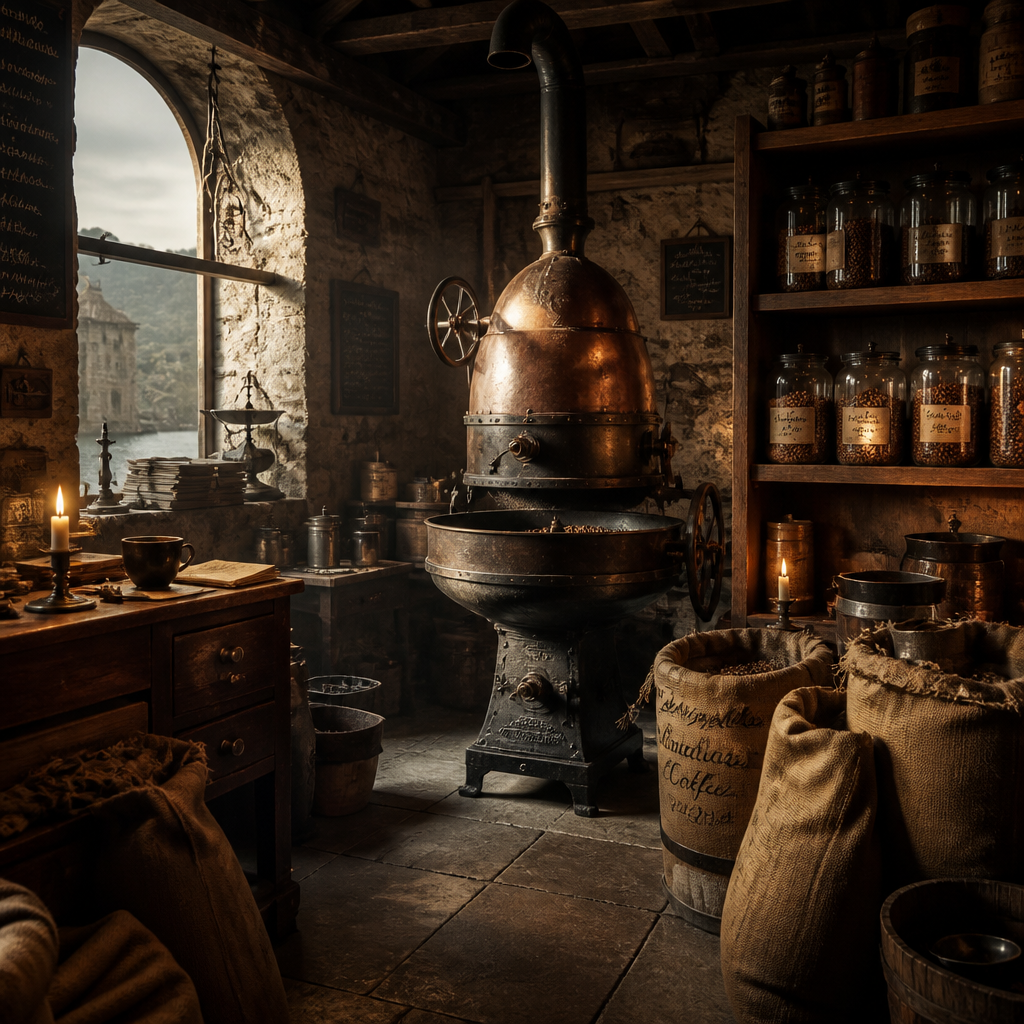
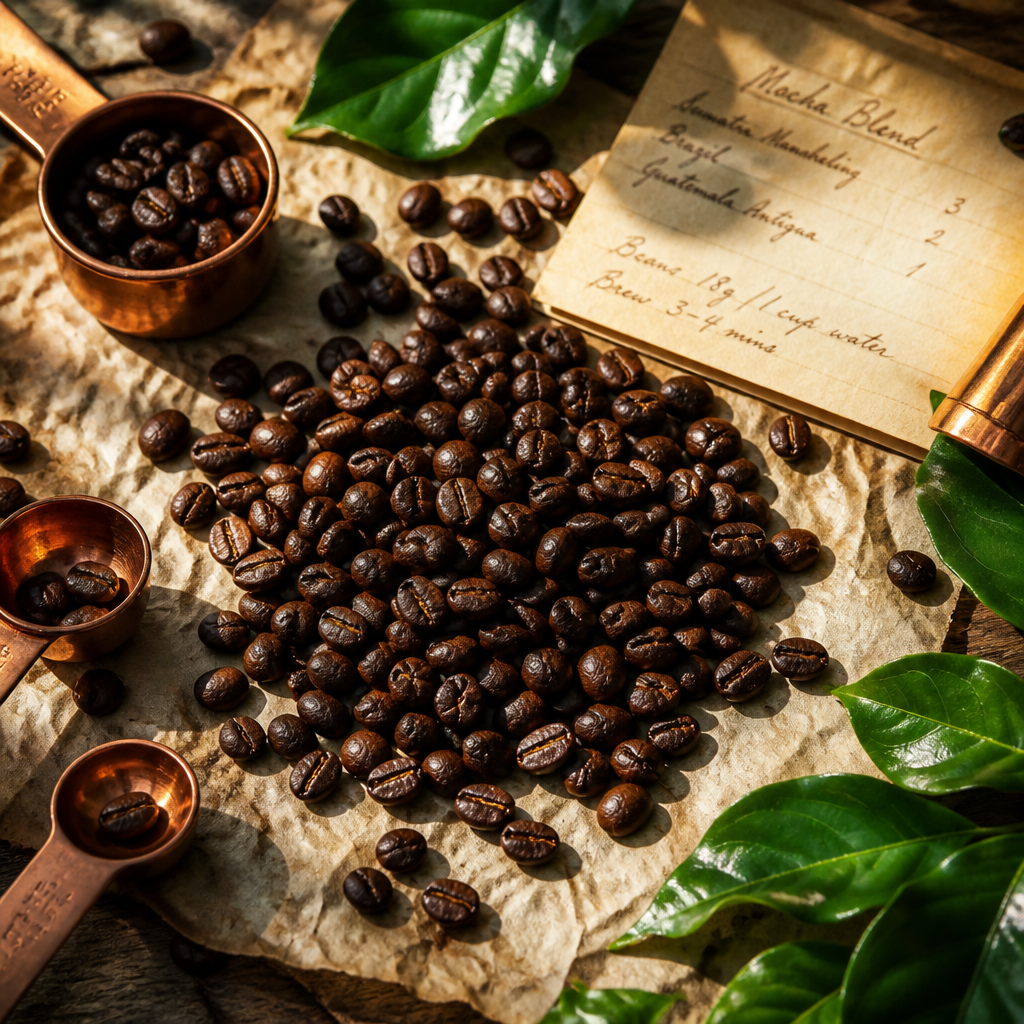
Pro tip: If you are a trade buyer sourcing coffee for a hospitality venue, the provenance story your supplier carries becomes part of your own brand narrative. Farrer's Lake District heritage gives cafes and restaurants a genuine, specific story to tell customers, rather than a generic "small-batch artisan" claim.
What 200 Years of Roasting Actually Means for the Coffee in Your Cup
Two centuries of continuous roasting is not just an impressive number. It represents an accumulated body of practical knowledge that simply cannot be shortcut. Roast profiling, the precise management of temperature, time, and airflow that determines a coffee's final flavour, is a skill built through repetition and refinement over time. Farrer's has had generations of roasters learning, refining, and passing on that expertise.
A common mistake made by consumers evaluating specialty coffee is to equate newness with innovation and assume that older roasters are behind the curve. The data consistently shows the opposite in craft food and drink categories. Established producers in wine, cheese, and beer consistently outperform newer entrants on consistency metrics, which matters enormously if you are buying coffee for a cafe where every cup needs to perform reliably.
Freshness as the Real Quality Indicator
Farrer's hand-packs each order after roasting. This is a specific, meaningful commitment. Most commodity coffee is roasted in large batches, warehoused, and dispatched on a rolling stock rotation. By the time it reaches the customer, the roast date may be weeks old. Coffee begins to degas and lose volatile aromatic compounds within days of roasting. Buying from a roaster who packs to order is not a minor detail. It is the difference between peak-flavour coffee and flat, stale coffee dressed up in premium packaging.
With next-day dispatch on orders over £35, Farrer's combines the freshness of small-batch roasting with the logistical convenience that modern buyers expect. That combination of heritage craft and responsive service is genuinely difficult for newer roasters to match.
Farrer's vs Modern Specialty Roasters: A Direct Comparison
The UK artisan coffee market has expanded significantly since the early 2010s. Brands like Origin Coffee and True Start Coffee have built strong identities around single-origin sourcing, sustainability credentials, and lifestyle branding targeted at younger consumers. These are real businesses with real quality. The honest comparison between them and Farrer's comes down to what you are actually buying.
| Criteria | Farrer's (Est. 1819) | Typical Modern Specialty Roaster |
|---|---|---|
| Years of continuous operation | 200+ years from the same Lake District location | Typically 5-20 years, often relocated or scaled up |
| Roast consistency | Refined over generations with documented blend profiles | Strong but dependent on individual roasters and turnover |
| Product range | Coffee, premium loose leaf tea, hot chocolate, brewing equipment, barista training | Often coffee-only or coffee with limited tea range |
| Trade credentials | Dual retail and trade heritage since founding | Many started retail-first, added trade later |
| Provenance story | Verifiable, specific, historically documented Lake District origin | Often brand-constructed rather than historically anchored |
| Customer rating | 4.9/5 from verified customers | Varies, often good but with less review volume and history |
The comparison is not about dismissing newer roasters. Origin Coffee in particular does excellent work on single-origin sourcing. The point is that Farrer's occupies a category that newer brands cannot enter: verified, continuous British coffee roasting heritage stretching back to the early 19th century.
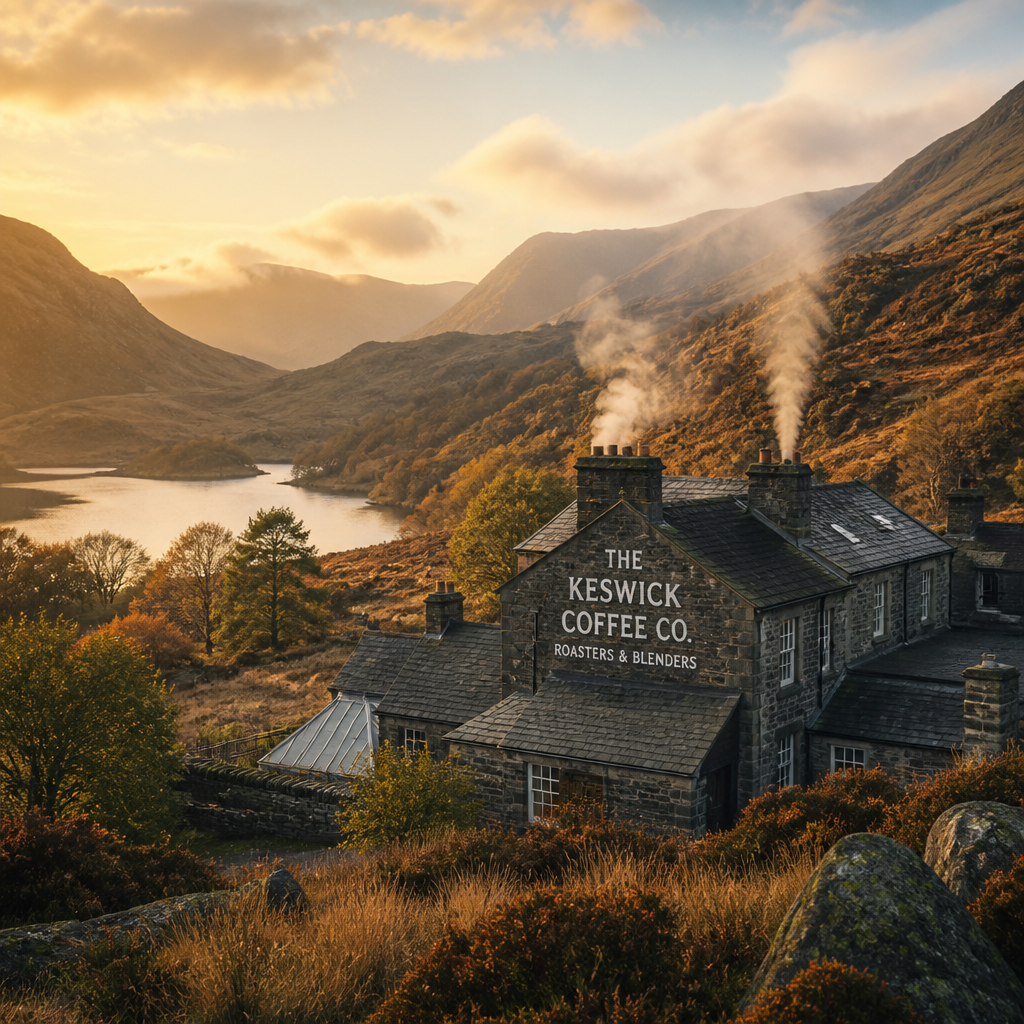
The Craft Behind Hand-Packed, Freshly Roasted Coffee
Hand-packing is not a romantic affectation. It is a quality control mechanism. When coffee is packed by hand in small batches, each bag is a deliberate act rather than a conveyor-belt output. The person packing the bag is closer to the roasting process and more likely to catch inconsistencies in grind size, roast colour, or packaging integrity than an automated line running at high speed.
Farrer's hand-packing practice also means the business maintains a natural ceiling on batch size. You cannot hand-pack at industrial volume. This constraint is, counterintuitively, a quality guarantee. The moment a roaster automates packing and scales to high volume, the pressure to maintain consistent stock levels often leads to longer shelf times and pre-roasted inventory sitting in storage.
Barista Training and the Roastery Experience
Farrer's offers both barista training programs and roastery experience days. These are not incidental add-ons. They reflect a business that understands coffee preparation as a complete skill set, not just a product purchase. For trade buyers specifically, having access to barista training from the same supplier who provides the coffee creates a coherent quality chain from roast to cup.
The roastery experience days also serve a function that newer brands cannot easily replicate. When a visitor comes to the Lake District and spends time inside a roastery that has been operating since 1819, the connection to the product becomes tangible and memorable. That is not something a well-designed website can reproduce.
Trade and Hospitality: Why Heritage Roasters Win on Consistency
For cafes, restaurants, and hospitality businesses, switching coffee suppliers is genuinely disruptive. Staff need retraining. Grinder settings change. Regular customers who know your house espresso will notice if the profile shifts. This is why consistency is the primary purchase criterion for most trade buyers, above origin story, above sustainability certifications, and often above price.
Heritage roasters win on consistency by definition. A blend that has been refined over decades, served to commercial customers across multiple generations, has been tested against more variables than any blend that is three years old. Farrer's blends have been calibrated against changing green coffee availability, shifting consumer palates, and evolving brewing technology across a timeframe that no competitor can match.
Premium Tea and Hot Chocolate as a Complete Beverage Programme
One practical advantage Farrer's offers trade buyers that is easy to overlook: a curated selection of premium loose leaf teas and hot chocolate alongside coffee. For a hospitality venue, sourcing high-quality tea and hot chocolate from the same supplier who provides the coffee simplifies procurement, reduces the number of supplier relationships to manage, and creates a coherent provenance narrative across the entire hot drinks menu.
Many specialty coffee roasters offer tea as an afterthought. Farrer's has been a tea and coffee merchant since the 19th century, when both products were premium commodities sold to the same discerning customer base. That dual expertise is genuine and historically grounded.
Frequently Asked Questions
Is Farrer's really the UK's oldest coffee roaster?
Yes. Farrer's was founded in Kendal, Cumbria, in 1819 and has operated continuously from the Lake District ever since. No other UK coffee roaster can demonstrate the same length of unbroken operation from a single location. This makes Farrer's the UK's oldest coffee roaster by the standard measure of continuous trading history.
Why does it matter that Farrer's is based in the Lake District specifically?
The Lake District location keeps the operation rooted in small-batch craft production rather than industrial-scale volume. It also provides a specific, verifiable provenance that carries cultural weight with consumers who care about where their food and drink originates. The Cumbrian setting is not marketing gloss. It is the actual place where the coffee is roasted, packed, and dispatched.
How does buying from a 200-year-old roaster actually benefit my morning coffee?
Two centuries of roasting experience translate into more reliably calibrated roast profiles. Farrer's blends have been refined across generations of roasters, tested against changing green coffee availability and evolving consumer preferences. Combined with hand-packing after roasting and next-day dispatch, the practical result is fresher, more consistently flavoured coffee than you typically receive from a newer roaster relying on pre-packed warehouse stock.
Does Farrer's work with trade customers like cafes and restaurants?
Yes, and this has been true since the business was founded. Farrer's has always served both retail and trade customers, which means the trade service offer is not bolted on. It includes professional-grade coffee blends, barista training programmes, and the kind of supply consistency that hospitality businesses depend on. Trade buyers benefit from blends that have been commercially tested over a far longer period than any competitor blend can match.
How does Farrer's compare to newer artisan roasters in the UK?
Newer specialty roasters often compete on single-origin sourcing, sustainability certification, and lifestyle branding. Farrer's competes on verified heritage, roast consistency, hand-packed freshness, and a dual expertise in both coffee and premium tea that most newer roasters do not possess. These are different value propositions. For consumers and trade buyers who prioritise proven consistency and genuine provenance over trend-led branding, Farrer's holds a position that no newer roaster can replicate regardless of investment.
Can I visit the Farrer's roastery in the Lake District?
Farrer's offers roastery experience days, which allow visitors to see the roasting process first-hand at the Kendal facility. These are particularly popular with coffee enthusiasts who want to understand the craft behind the product, and with trade buyers who want to assess the operation directly before committing to a supply relationship. The experience of walking through a roastery that has been continuously operating for over 200 years is a genuinely rare thing in the UK coffee industry.
What other products does Farrer's sell beyond coffee?
Farrer's offers premium loose leaf teas, hot chocolate, and brewing equipment alongside its coffee range. This breadth reflects the business's 19th-century origins as a tea and coffee merchant serving customers who required both commodities. For trade buyers, it means a single supplier can cover an entire hot drinks menu with products that share the same provenance story and quality standard.
Have you tried Farrer's coffee or visited the Lake District roastery? Share what you noticed about the difference in freshness or flavour compared to other roasters you have used.
References
- Statista consumer research on specialty food and drink provenance premiums and purchasing behaviour
- Forbes coverage of heritage brand value and how long-established businesses compete against newer market entrants
- UK Food Standards Agency resources on food and drink provenance labelling and consumer trust standards
- Historic England documentation on Cumbria and the Lake District's commercial and industrial heritage from the early 19th century
- International Coffee Organization data on global coffee consumption trends and the growth of the specialty coffee segment in the UK


