

Most cafes and home hosts obsess over their coffee programme and treat everything else as an afterthought. That is a costly mistake. According to Statista, the UK hot drinks market was valued at over £1.6 billion in 2023, with tea and specialty hot chocolate growing faster than standard coffee categories. If your hot drink menu stops at a builder's teabag and a sachet of instant cocoa, you are leaving serious revenue and reputation on the table. Premium loose leaf tea UK sourcing and properly crafted hot chocolate are not niche extras anymore. They are the difference between a one-visit customer and a loyal regular.
Table of Contents
- Quick Takeaways
- Why Most Hot Drink Menus Fail
- Understanding Premium Loose Leaf Tea in the UK
- Farrer's Tea Range: What to Choose and Why
- Hot Chocolate UK: Moving Beyond the Sachet
- Coffee and Tea Pairing on the Same Menu
- Comparison of Hot Drink Menu Approaches
- Building Your Menu Step by Step
- Lake District Provenance as a Selling Point
- Frequently Asked Questions
- References
Quick Takeaways
| Key Insight | Explanation |
|---|---|
| Loose leaf tea brews better and commands higher prices | Whole leaf teas retain volatile aromatic compounds that teabags crush and destroy. Customers notice the difference and pay for it willingly. |
| Hot chocolate is a margin powerhouse when done properly | A premium drinking chocolate made with real cocoa solids costs only pennies more per cup than a sachet but justifies a significantly higher retail price. |
| Farrer's 200-year heritage is a credible story to sell | Provenance matters to modern consumers. The Lake District origin and hand-packed process give staff and menus a genuine narrative, not a marketing fabrication. |
| Tea categories need structure, not just variety | Offering ten teas with no explanation overwhelms customers. Group by character: delicate whites, classic blacks, herbal, and chai-style. Guide the choice. |
| Coffee and tea pairings expand average order value | Recommending a specific tea alongside a cake or pastry, just as you would a coffee, increases attach rate and demonstrates expertise. |
| Next-day dispatch changes your restocking behaviour | Farrer's next-day dispatch on orders over £35 means cafes and home hosts can order reactively rather than holding large dead stock. |
| Verified customer ratings reduce purchase hesitation | Farrer's 4.9 out of 5 rating from verified buyers is a trust signal worth displaying at point of sale and on your own menu or website. |
Why Most Hot Drink Menus Fail
The single biggest failure in hot drink menu design is treating tea and hot chocolate as filler categories. A cafe that sources single-origin espresso with genuine care and then serves a generic teabag in lukewarm water has created a contradiction that perceptive customers notice immediately.
In practice, the problem is almost never budget. Loose leaf tea costs very little more per serve than premium teabags. The obstacle is usually habit and the absence of a clear sourcing philosophy. Once you apply the same criteria you use for coffee, the hot drink menu transforms quickly.
Understanding Premium Loose Leaf Tea in the UK
The premium loose leaf tea UK market has grown significantly over the past decade. The UK Tea and Infusions Association estimates that around 100 million cups of tea are consumed in the UK every single day, yet the shift toward loose leaf and speciality formats is accelerating among the under-45 demographic that also drives artisan coffee growth.
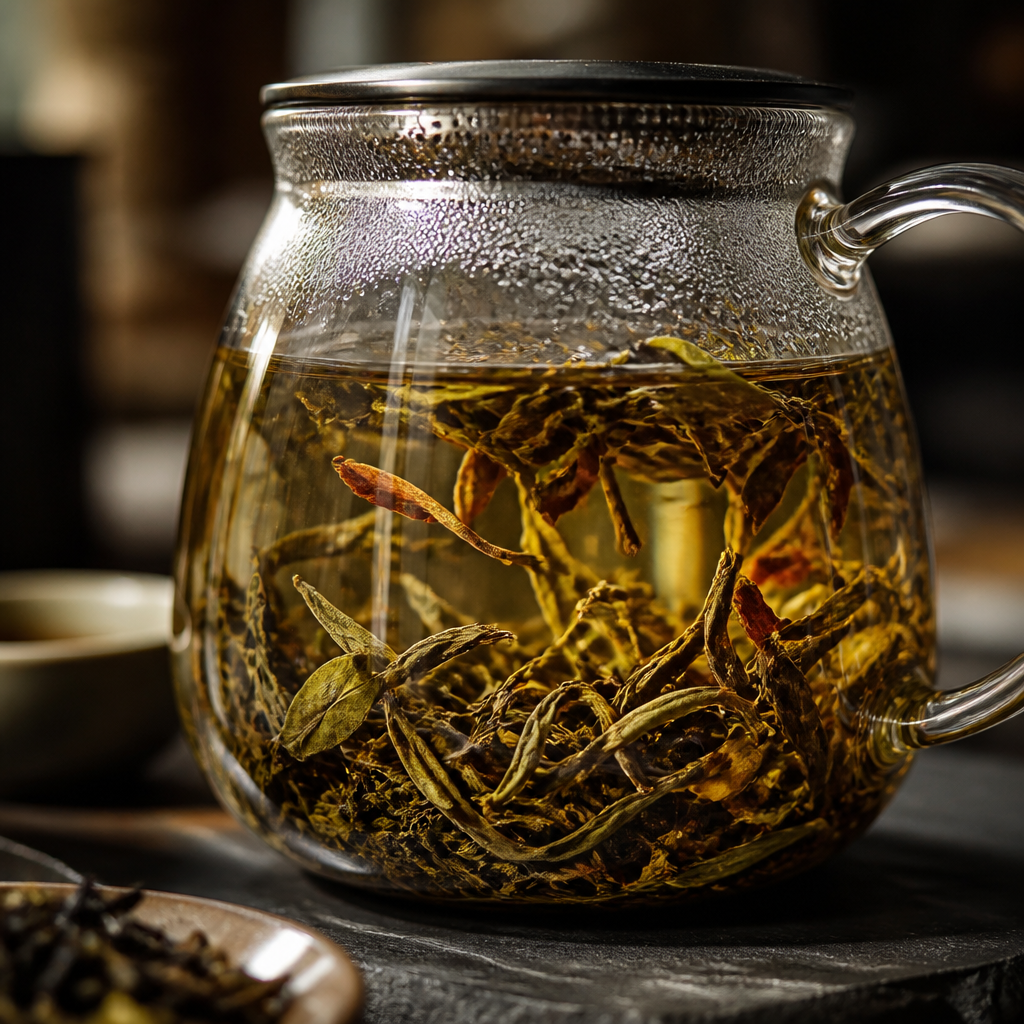
Loose leaf tea is not just a presentation preference. The leaf structure genuinely changes the cup. When a tea leaf is left whole or minimally broken, the essential oils responsible for flavour and aroma stay intact through processing and storage. A Darjeeling first flush brewed properly in a pot delivers floral muscatel notes that no pyramid bag can replicate.
The Four Tea Characters Worth Knowing
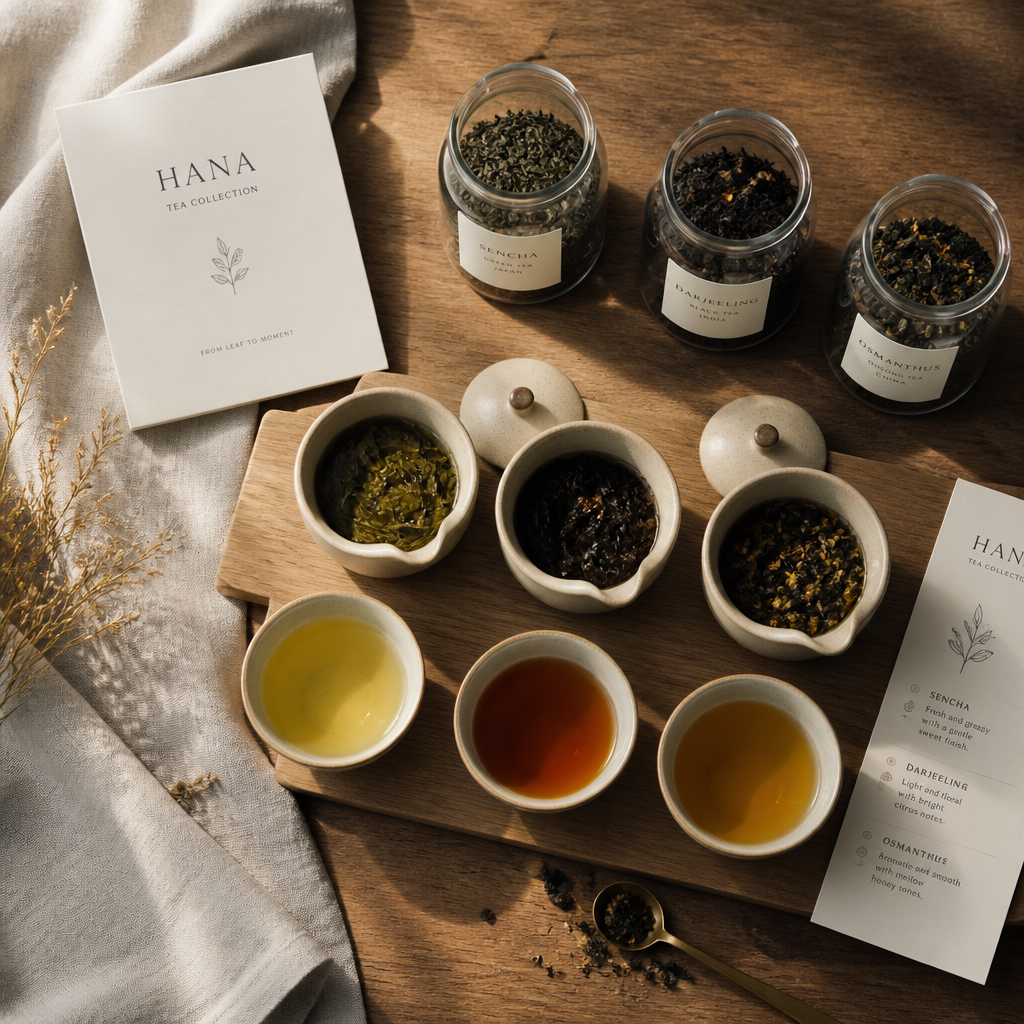
For anyone building a menu, the most practical framework groups teas into four characters rather than by country of origin. Delicate teas (white, light green) suit customers who want complexity without astringency. Classic blacks (Assam, Ceylon, Darjeeling) serve the traditional British palate. Herbal and fruit infusions serve the caffeine-avoiders. Spiced and chai-style options serve the latte crossover drinker.
A menu with one confident offering from each character covers most preferences without overwhelming anyone. That is four tea options. It is enough.
Pro tip: Train your staff to ask one question before recommending a tea: "Do you want something with or without caffeine?" That single question narrows the field immediately and makes the recommendation feel personal rather than random.
Farrer's Tea Range: What to Choose and Why
Farrer's curated loose leaf tea selection is built around the same sourcing rigour the company applies to its coffee blends. The teas are hand-packed at the Lake District roastery, which means you are not receiving stock that has been sitting in a warehouse for six months before it reaches your shelf.
The artisan tea selection from Farrer's includes classic single-estate options alongside more distinctive blends. For a cafe or hospitality setting, the priority should be choosing teas that your staff can describe confidently. If your team cannot explain why a tea tastes the way it does, the premium price point becomes difficult to justify at the counter.
Trade Ordering and Stock Management
For trade customers, Farrer's next-day dispatch on orders over £35 removes one of the most common friction points in speciality tea stocking. A common mistake is ordering too much variety and not enough depth. Three or four teas served with genuine knowledge and proper equipment outperform twelve teas served in the wrong water temperature with no guidance.
Loose leaf tea also has a longer shelf life than most cafe owners assume. Properly stored in sealed, opaque containers away from heat, quality loose leaf retains its character for twelve to eighteen months. That makes the per-gram cost lower than it initially appears when you factor in waste reduction versus teabags that go stale faster once a box is opened.
Hot Chocolate UK: Moving Beyond the Sachet
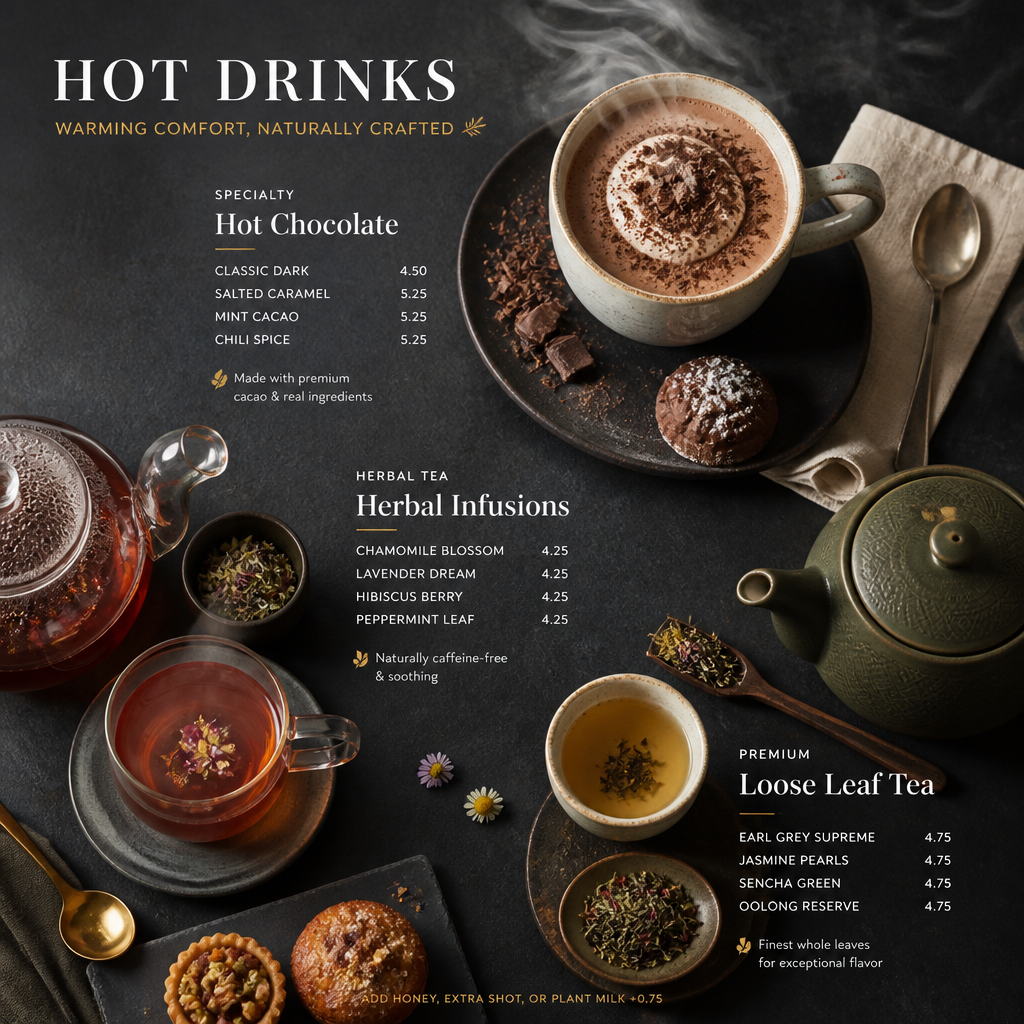
The hot chocolate UK market is at an inflection point. Consumer expectations have moved sharply toward drinking chocolate made from real cocoa solids rather than cocoa powder blended with sugar and artificial flavouring. McKinsey's consumer behaviour research consistently shows that premiumisation in hot drinks mirrors what happened in coffee ten years ago: once people taste the real thing, they do not go back.
"The shift toward premium drinking chocolate follows the same consumer trajectory as specialty coffee. Provenance, process, and purity are becoming baseline expectations, not luxury differentiators." - McKinsey Consumer Goods Report on Premiumisation Trends
Farrer's hot chocolate offering sits firmly in the drinking chocolate category rather than the powdered mix category. The distinction matters enormously to the final cup. Drinking chocolate uses a higher proportion of cocoa solids and less sugar, which produces a richer, more complex drink that pairs naturally with milk steamed in the same way a barista would prepare a flat white.
Serving Hot Chocolate Properly
The most common mistake when introducing premium hot chocolate to a menu is under-heating the milk. Real drinking chocolate needs milk heated to between 60 and 65 degrees Celsius to fully dissolve the cocoa solids and develop the round, smooth texture that justifies the price. A quick microwave is not adequate.
If your cafe is already set up with a steam wand for espresso drinks, you have everything you need. The technique transfers directly. For home enthusiasts, a small milk frother or dedicated milk steamer achieves the same result.
Coffee and Tea Pairing on the Same Menu
Coffee and tea pairing is an underused strategy that rewards both the customer and the business. The logic is straightforward: if a coffee blend has particular flavour characteristics, certain teas share or contrast those notes in ways that make both drinks more interesting when experienced together, or recommended alongside the same food.
For example, a full-bodied Assam paired with a rich espresso-based dessert drink creates a complementary experience. A light first-flush Darjeeling sits naturally alongside a lighter, more floral filter coffee. Neither drink competes. Both benefit from being on the same thoughtfully constructed menu.
Menu Language That Sells
The way you describe teas and hot chocolate on a menu directly affects what customers order. Descriptors like "malty", "floral", "spiced", and "smooth" communicate more to a non-specialist than "Assam TGFOP" does. Farrer's product descriptions are a reliable starting point for menu copy, but the best results come from tasting each product yourself and writing one honest sentence about what you actually experience.
A common mistake is using vague descriptors that apply to every product: "rich and aromatic" means nothing when it is applied to every item on the list. Specificity builds trust.
Pro tip: Add a brief food pairing suggestion next to each tea and hot chocolate on your menu, even if it is just two words like "pairs with shortbread" or "try with almond croissant". This one change consistently increases attach rate on food items and makes the drink feel more considered.
Comparison of Hot Drink Menu Approaches
| Approach | Typical Setup | Strengths and Weaknesses |
|---|---|---|
| Generic branded teabags and sachet hot chocolate | Mass-market bags (e.g., Tetley, PG Tips), powdered cocoa sachets, no loose leaf offering | Low cost and fast service, but minimal differentiation, low perceived value, no premium price justification, and no customer loyalty beyond convenience |
| Speciality loose leaf with curated hot chocolate (Farrer's model) | Hand-packed loose leaf from a heritage roastery, real drinking chocolate, staff trained on descriptions and pairings | Higher per-serve cost offset by significantly higher retail price, strong brand story, repeat custom from quality-seeking customers, genuine differentiation from competitors using commodity products |
| Full tea bar model (specialist tea rooms) | 50-plus tea SKUs, dedicated teaware, specialist staff, tiered brewing times displayed per variety | Maximum choice and theatre, but high operational complexity, staff training burden, and customer decision fatigue unless the menu is expertly structured and curated |
Building Your Menu Step by Step
Building a hot drink menu that works starts with one clear decision: you are selling an experience, not just a beverage. Every product choice, every piece of equipment, and every piece of menu copy should reinforce that position.
Start with coffee. Farrer's coffee blends give you the foundation. Then select teas that span the four characters described earlier. Add one high-quality hot chocolate. That is your complete hot drinks offering, and it is genuinely manageable without specialist staff.
Equipment Considerations for Loose Leaf Tea
You do not need elaborate equipment to serve loose leaf tea well. A good quality teapot with a built-in strainer, a proper kettle with temperature control (different teas need different water temperatures, with green teas requiring around 75 to 80 degrees Celsius and black teas needing 95 to 100 degrees), and a timer are sufficient.
For cafes, a simple laminated brew guide behind the counter eliminates the guesswork for staff and ensures consistency across every shift. Inconsistency is the fastest way to lose a customer who tried your tea once and found it excellent, then returned to find it bitter and over-brewed.
Pricing Your Hot Drink Menu
A common mistake among cafes introducing loose leaf tea is under-pricing it relative to coffee. A pot of well-brewed Darjeeling from a premium loose leaf source deserves to sit at or above the price of a flat white. In practice, customers who choose loose leaf tea already expect to pay more. If your pricing does not reflect quality, it actually undermines the perceived value rather than increasing accessibility.
Lake District Provenance as a Selling Point
The Lake District tea and coffee provenance that Farrer's represents is genuinely rare. Most roasters and tea merchants operate from industrial estates on the outskirts of major cities. Farrer's has roasted in the Lake District for over 200 years, and that origin story is not a branding invention. It is fact.
For cafes using Farrer's products, that heritage is a shelf-talker, a menu footnote, and a conversation starter that competitors sourcing from Lavazza, Tru Start, or other national brands simply cannot match. Origin Coffee and other speciality roasters offer strong single-origin narratives, but none carry the combined history of a two-century-old British roastery with a Lake District address.
Displaying "supplied by Farrer's, the UK's oldest coffee roaster, established in the Lake District over 200 years ago" takes fifteen seconds to read and does more credibility work than any loyalty card scheme.
Frequently Asked Questions
What is the difference between loose leaf tea and premium teabags?
Loose leaf tea uses whole or large-cut leaves that retain their natural oils and aromatic compounds through processing and storage. Most standard teabags use "fannings" and "dust", which are the broken fragments left after whole leaf processing. These fragments brew fast but deliver a flat, one-dimensional cup. Premium pyramid bags improve on standard bags but still do not match the clarity and complexity of properly brewed whole-leaf loose tea.
How many teas should a small cafe offer on its menu?
Four to six teas is the ideal range for a small independent cafe. One each from the major character groups: a classic black, a green or white, a herbal or fruit infusion, and a spiced or chai-style option. Beyond six, customer decision fatigue sets in unless your staff are confident enough to guide the choice actively at the counter.
Is premium drinking chocolate genuinely different from powdered hot chocolate mix?
Yes, substantially. Premium drinking chocolate uses a significantly higher proportion of real cocoa solids, typically 30 to 50 percent or more, compared to powdered mixes that often contain less than 20 percent cocoa and rely on sugar, flavouring, and thickening agents for body. The result in the cup is noticeably richer, more complex, and less sweet. It also steams better with milk, producing a texture that powdered mixes cannot replicate.
Can I order Farrer's products for trade use if I run a small cafe?
Yes. Farrer's serves both home enthusiasts and trade customers. Their next-day dispatch on orders over £35 makes them practical for small independents who cannot commit to the large minimum order quantities that bigger wholesale distributors typically require. The trade range covers coffee blends, loose leaf teas, and hot chocolate, all hand-packed at the Lake District roastery.
How do I explain loose leaf tea to customers who are unfamiliar with it?
Keep it simple and sensory. "This is made from whole leaves rather than ground-up fragments, so you get a cleaner, more flavourful cup" works for most customers. Avoid technical terms like cultivar, terroir, or flush unless the customer explicitly asks for more detail. The goal of the first explanation is to make the choice feel worthwhile, not to deliver a lecture.
Does the pairing of coffee and tea on the same menu confuse customers?
No, not if the menu is structured well. Coffee and tea serve different customer moods, different times of day, and different accompanying foods. A menu that offers both, clearly laid out and confidently described, expands choice without creating confusion. The key is avoiding a layout that makes the two categories compete visually. Give each its own section with equal care and attention.
Have you recently updated your hot drink menu to include loose leaf tea or artisan hot chocolate? Share what worked, what surprised you, or what you are still figuring out in the comments below.
References
- Statista: UK hot drinks market size and growth data for tea, coffee, and specialty beverages
- McKinsey and Company: Consumer premiumisation trends in the food and beverage sector
- Forbes: Why specialty food and drink provenance storytelling drives repeat customer loyalty
- UK Food Standards Agency: Guidance on allergen labelling and food safety requirements for hot drinks in food service
- UK Tea and Infusions Association: Industry data on British tea consumption habits and market trends


