

Most teas sold in the UK carry a brand story built on packaging design and clever marketing. Lakeland Special® tea is different. It is the signature blend of Farrer's, the UK's oldest coffee roaster, established in Kendal in 1819, and it has the awards to back up every claim made about it. If you have been circling premium loose leaf tea and wondering whether the price difference over a supermarket shelf blend is actually justified, this is the tea that answers that question clearly and without hedging.
Table of Contents
- Quick Takeaways
- What Is Lakeland Special® Tea?
- The Awards Behind the Blend
- Tasting Notes and Character
- Loose Leaf vs. Tea Bags: Which Format Suits You?
- How to Brew Lakeland Special® Correctly
- Comparing the Farrer's Tea Range
- Who Should Drink Lakeland Special® Tea?
- Frequently Asked Questions
- References
Quick Takeaways
| Key Insight | Explanation |
|---|---|
| Award-winning status is independently verified | Lakeland Special® Tea Bags earned a Great Taste 1-star Award in 2020 and a Gold Farm Shop & Deli Product Award in 2023, judged blind by industry experts. |
| The recipe is a closely guarded secret | The blend is made from a proprietary recipe that Farrer's has never published, which is why no competitor has successfully replicated its specific character. |
| Strong, amber, and clean, not bitter | The tasting profile is punchy and full-flavoured with a deep amber colour and a clean, refreshing finish, not the tannic bitterness that plagues many strong black teas. |
| Quick steeping time makes it genuinely practical | The blend is specifically designed to brew fast, so it works well for both a quiet morning ritual and a busy hospitality setting. |
| Available in loose leaf and large leaf formats | For those who prefer the control of an infuser or teapot, the large leaf version offers the same secret recipe with a more open, generous leaf grade. |
| Heritage roaster, not a lifestyle brand | Farrer's has operated continuously from Kendal since 1819, giving Lakeland Special® a provenance that no recently launched premium tea brand can match. |
| Suitable for everyday drinking and gifting | Customers regularly describe it as a tea they return to daily, and it is one of the most gifted products in the Farrer's range. |
What Is Lakeland Special® Tea?
Lakeland Special® is Farrer's most popular tea blend and the product the company uses as its signature statement in the tea category. It is a strong, full-flavoured black tea built around a secret recipe that Farrer's has refined and protected over generations of blending. The name is not a marketing invention. It is rooted in the geography of the Lake District, where Farrer's has operated from its Kendal base for over 200 years.
What makes the blend distinctive is the deliberate balance between strength and drinkability. A lot of premium black teas chase intensity at the cost of approachability, producing brews that need precise timing to avoid turning bitter and astringent. Lakeland Special® is engineered to avoid exactly that problem. The quick steeping time means it performs consistently whether you are brewing a pot for guests or a single mug on a busy morning.
The blend is available in three formats: standard loose leaf, large leaf, and tea bags. Each carries the same underlying recipe. The large leaf format is made for infusers and teapots where a more open leaf grade allows a slightly different extraction pace, which suits those who prefer to brew at a slower, more considered rhythm.
The Awards Behind the Blend
Farrer's Lakeland Special® Tea Bags have been recognised with a Great Taste 1-star Award in 2020 and a Gold Farm Shop & Deli Product Award in 2023, praised by judges for their strong, deep amber cup and balanced character. These are not participation trophies. Both schemes use blind tasting panels composed of professional food and drink buyers, chefs, and industry critics who evaluate products without knowing the brand behind them.
The Great Taste Awards are widely regarded as the most rigorous food and drink accreditation scheme in the UK. A 1-star rating means the panel found genuine, appreciable quality in the cup. The Gold Farm Shop & Deli Award carries particular relevance for Farrer's core audience: it signals that specialist and independent retailers, the buyers who care most about provenance and product quality, judged Lakeland Special® to be at the top of its category.
The English Breakfast Tea Bags from Farrer's have also received a Silver Farm Shop & Deli Product Award, which confirms that the quality of Lakeland Special® is not an isolated result but a reflection of the broader standards applied across the Farrer's tea range.
A blind taste panel calling out a strong, deep amber cup with balanced character is exactly the kind of independent confirmation that separates a genuinely good tea from one that simply looks good on a shelf.
Pro tip: When buying tea as a gift for someone who takes their brewing seriously, the award provenance matters more than any brand story. Lakeland Special® gives you independently verified quality rather than a marketing narrative to take on trust.
Tasting Notes and Character
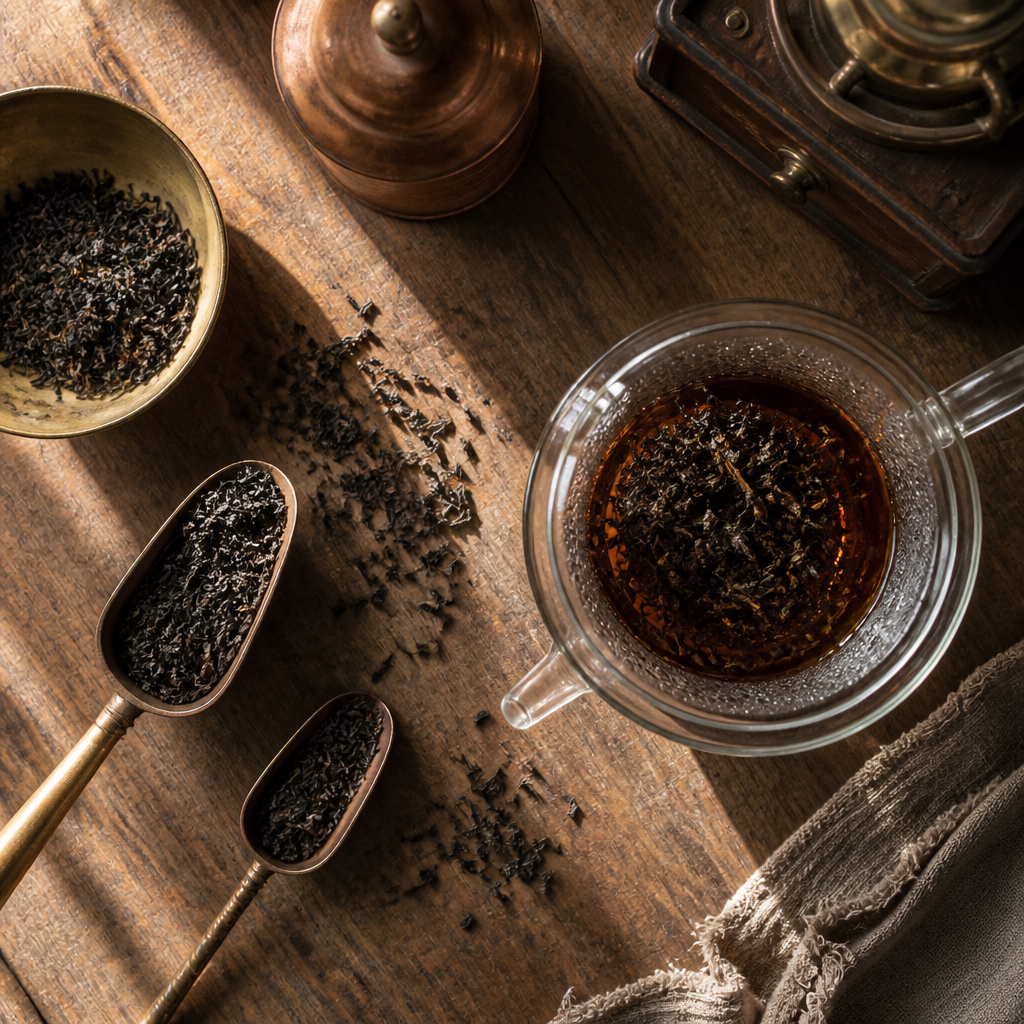
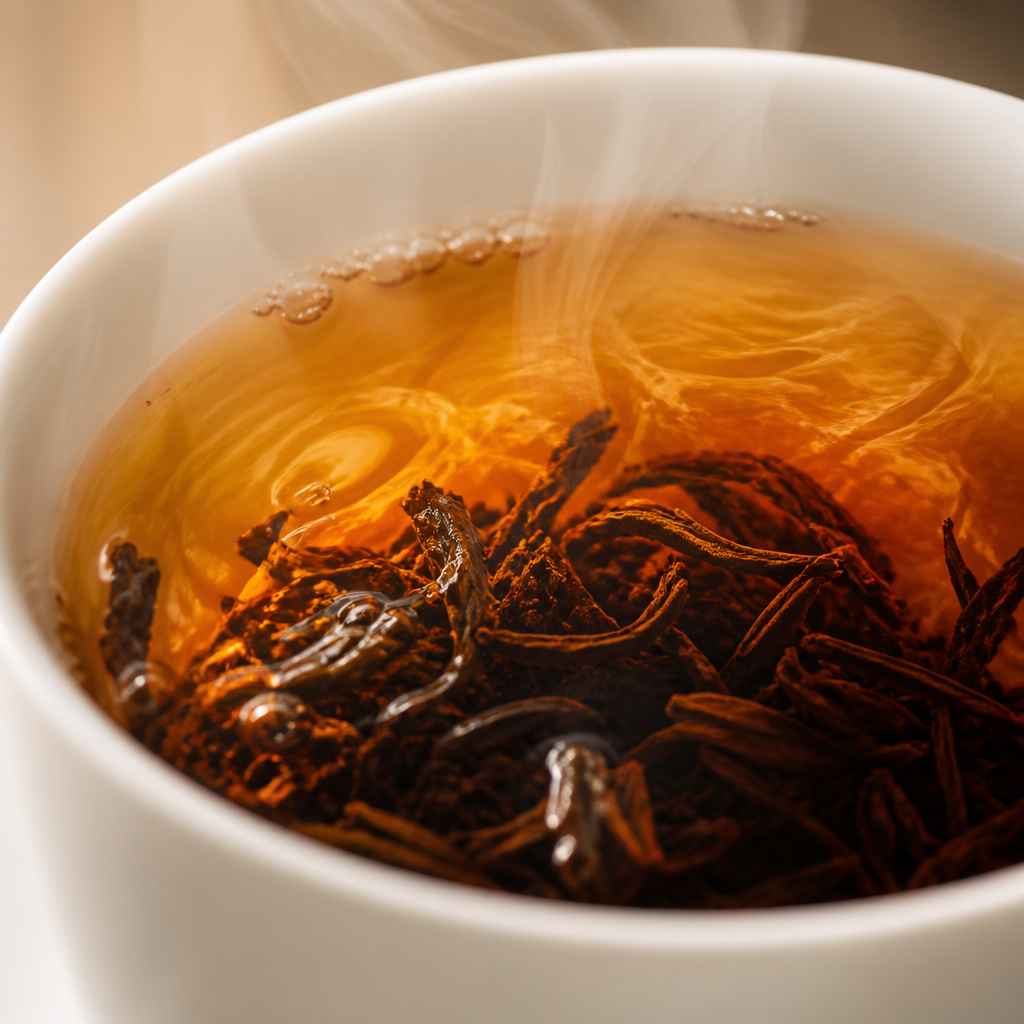
The tasting profile of Lakeland Special® is defined by four consistent characteristics: strength, a deep amber colour, a rich aroma, and a clean, refreshing finish. These are not aspirational descriptors invented for a product page. They are what the blend actually delivers in the cup, which is why verified customer feedback consistently echoes the same language.
Strength Without Bitterness
The most common mistake people make with strong black teas is confusing strength with bitterness. Strength is about body, depth, and the satisfying fullness of a brew. Bitterness is what happens when tannins are over-extracted, usually from water that is too hot, steeping times that run too long, or a blend that has not been calibrated to avoid it.
Lakeland Special® is specifically designed to produce a punchy flavour without the bitter aftertaste that ruins a strong brew. Multiple customer reviews mention the absence of bitterness as the quality that keeps them returning to this tea over others they have tried.
Colour and Aroma
The deep amber colour is a reliable signal of a well-extracted black tea. Pale brews from strong-labelled teas usually indicate low-quality leaf or poor blending. The rich aroma of Lakeland Special® is present from the moment hot water hits the leaves, and it carries through into the finished cup rather than disappearing on the first sip.
Loose Leaf vs. Tea Bags: Which Format Suits You?
Farrer's offers Lakeland Special® in both loose leaf and tea bag formats, and the honest answer is that the right choice depends on your brewing setup and daily routine, not on which one sounds more artisanal.
Loose leaf gives you direct control over the amount of tea per cup, which matters if you want to fine-tune the strength to your preference. The large leaf format, in particular, is made for infusers and teapots, and it allows the leaves to move freely during steeping, which is where you get the fullest extraction of the blend's character. If you brew in a pot for multiple people, loose leaf is the practical choice.
Tea bags are not a compromise here. Farrer's Lakeland Special® Tea Bags carry the same recipe and have the award credentials to prove it. If your mornings do not include time for an infuser and a timer, the tea bags deliver the same cup quality in a format that fits real life. A common mistake is dismissing tea bags from a specialist roaster as inferior to loose leaf. That assumption holds for mass-market brands but does not apply when the bag contains the same carefully blended recipe as the loose version.
Pro tip: If you are buying Lakeland Special® for a hospitality or cafe setting, the tea bag format offers the consistency and speed of service that a busy counter demands, while still serving a cup that holds up to scrutiny from customers who know their tea.
How to Brew Lakeland Special® Correctly
Lakeland Special® is a black tea, which means the basic brewing parameters apply: freshly boiled water (100°C), one heaped teaspoon of loose leaf or one tea bag per 200-250ml, steeped for 3-5 minutes. The key word in that last instruction is "steep", not "leave and forget". Pulling the leaves or bag at the right time is what separates a full, flavourful cup from one that tips into astringency.
Water Quality Makes a Bigger Difference Than Most People Expect
Freshly drawn water that has not been reboiled makes a noticeable difference to the final cup. Water that has been boiled multiple times loses dissolved oxygen, which dulls the flavour and aroma of the brew. Use fresh water every time, and if you are in a hard water area, filtered water will prevent the chalky film that can sit on the surface of a strong black tea and mask its true character.
Milk or No Milk
Lakeland Special® works well both black and with milk. The strength of the blend means it holds up to a generous splash without becoming pale and watery, which is precisely the quality that makes it suitable as an everyday cup. If you prefer it black, the clean finish of the blend means you will not be dealing with the harsh dryness that some strong teas leave behind.
Comparing the Farrer's Tea Range
Lakeland Special® sits at the top of the Farrer's tea range in terms of profile strength and award recognition, but it is worth understanding where it sits relative to the other teas in the range if you are building a selection for your home or a hospitality menu.
| Tea | Profile | Best For |
|---|---|---|
| Lakeland Special® (loose leaf and tea bags) | Strong, deep amber, rich aroma, clean finish. Secret recipe. Great Taste 1-star 2020, Gold Farm Shop & Deli 2023. | All-day drinking, breakfast, gift buying, hospitality menus where a signature tea is needed. |
| English Breakfast (loose leaf and tea bags) | Classic breakfast profile, depth and consistency. Silver Farm Shop & Deli Award. | Those who want a familiar, well-executed breakfast cup without the specific character of the Lakeland blend. |
| Assam Loose Leaf | Single-origin Assam; malty, robust, brisk character typical of the Brahmaputra valley style. | Drinkers who prefer a single-origin tea with a defined regional character and the body to take milk well. |
In practice, Lakeland Special® is the choice for anyone who wants Farrer's best-known and most decorated tea. The English Breakfast is the choice for those who want a more familiar, classic cup. The Assam suits single-origin enthusiasts who want to taste a specific regional style rather than a house blend.
Who Should Drink Lakeland Special® Tea?
The honest answer is: anyone who drinks black tea and has not yet found a cup that consistently satisfies them. Lakeland Special® is not a niche product for tea specialists. It is a strong, well-balanced everyday tea that happens to have been independently awarded and to come from a roaster with over 200 years of blending experience behind it.
For home enthusiasts, it is the tea to try if you have been buying from a supermarket and wondering whether the premium tier justifies itself. It does, specifically because of the absence of bitterness and the consistency of the cup across different brewing conditions.
For cafes, restaurants, and hospitality businesses, Lakeland Special® solves the problem of the forgettable house tea. Most catering operations put serious effort into their coffee programme and serve a generic, unbranded tea alongside it. Switching to Lakeland Special® as the house tea is a straightforward quality upgrade that customers notice, and the award credentials give front-of-house staff something concrete to say about it when customers ask.
Farrer's offers trade supply for hospitality businesses, with next-day dispatch on orders over £35, which means stock management does not require large upfront commitments.
Frequently Asked Questions
What type of tea is Lakeland Special®?
Lakeland Special® is a strong black tea blend made from a secret recipe developed by Farrer's. It is not a single-origin tea but a proprietary blend designed to produce a specific flavour profile: strong, deep amber in colour, with a rich aroma and a clean finish without bitterness.
What awards has Lakeland Special® Tea won?
The tea bags have received a Great Taste 1-star Award in 2020 and a Gold Farm Shop & Deli Product Award in 2023. Both awards are based on blind tasting by panels of professional food and drink industry judges.
What is the difference between the loose leaf and large leaf versions?
Both versions use the same underlying secret recipe. The large leaf version uses a more generous leaf grade, which is better suited to infusers and teapots where the leaves have room to expand freely during steeping. The standard loose leaf is also brewed loose but in a slightly smaller grade. Both deliver the same core flavour profile.
How do I brew Lakeland Special® loose leaf tea?
Use one heaped teaspoon of loose leaf (around 4g) per 200-250ml of freshly boiled water. Steep for 3-5 minutes, then remove the leaves. Adjust the steeping time within that range to control strength, and use freshly drawn water rather than reboiled water for the best result. It can be drunk black or with milk.
Is Lakeland Special® suitable for use in a cafe or restaurant?
Yes. The tea bag format is particularly well suited to hospitality settings, offering a consistent, fast brew that can be served confidently to customers. The award credentials also give it a defined quality story that supports a premium menu positioning. Farrer's supplies trade customers directly from Kendal, with next-day dispatch on qualifying orders.
How does Lakeland Special® compare to standard supermarket own-brand tea?
The most noticeable difference is the absence of bitterness and the clean finish. Mass-market blends are often assembled for price efficiency rather than flavour, which produces inconsistency across batches and a tannic edge when brewed strong. Lakeland Special® is a consistent, award-judged blend from a specialist who has been refining tea blending for over two centuries.
If you have tried Lakeland Special® Tea, we would love to know how you brew it and what you think of the cup it produces.
References
- Farrer's Lakeland Special® Loose Leaf Tea product page with customer reviews and tasting notes
- Farrer's Lakeland Special® Large Leaf Tea page with award details and brewing guide
- Farrer's full award-winning product collection including tea and coffee range
- Grasmere Gingerbread independent stockist listing for Farrer's Lakeland Special Tea


