

If you have been hovering over the checkout page and talking yourself out of a coffee subscription UK for months, this is the moment to stop deliberating. Farrer's, the UK's oldest coffee roaster, has been roasting artisan coffee in Kendal in the Lake District since 1819, and their subscription service offers something genuinely rare: hand-packed, freshly roasted coffee dispatched directly from the roastery to your door, in your choice of grind, at a frequency calibrated to how you actually drink.
That combination of heritage craft and practical flexibility does not stay available indefinitely. Specialty lots are sourced in limited quantities, and once they are gone, they are gone.
Table of Contents
- Quick Takeaways
- Why a Roastery Subscription Beats Buying As You Go
- What the Farrer's Subscription Actually Includes
- Choosing the Right Frequency for Your Household
- The Last-Chance Angle: Limited Lots and Why They Matter
- Subscription Options Compared
- Frequently Asked Questions
- References
Quick Takeaways
| Key Insight | Explanation |
|---|---|
| Freshness is the primary value driver | Coffee begins losing volatile aromatics within days of roasting. A subscription dispatching fresh-roasted beans next working day outperforms anything sitting on a supermarket shelf for months. |
| Limited specialty lots sell out permanently | Farrer's specialty subscription coffees are sourced in limited quantities from sought-after producers worldwide. When a lot is gone, subscribers lose access, not buyers. |
| Subscribers save 12% versus one-off purchases | Farrer's subscription plans carry a 12% discount on the per-bag price compared to a one-time purchase of the same blend, compounding across every delivery. |
| Frequency must match your actual consumption | Receiving coffee faster than you drink it means beans go stale. Farrer's offers weekly, fortnightly, and monthly cadences so your delivery matches your real usage. |
| Roastery-direct delivery preserves the chain of custody | When the roaster packs and dispatches directly to you, the freshness window is protected. Farrer's controls the entire process from roast to postbag, which matters far more than packaging design. |
| Letterbox-friendly delivery removes the missed-parcel problem | Farrer's subscription deliveries are designed to fit through a standard letterbox, so there is no waiting in, no missed delivery cards, no rescheduling. |
| Skip or cancel anytime with no penalty | The subscription auto-renews but can be paused or cancelled at any point. There is no lock-in, which removes the main objection people have to committing. |
Why a Roastery Subscription Beats Buying As You Go
The single strongest argument for a fresh coffee subscription is not the discount, though that matters. It is the freshness guarantee that comes from removing every middleman between the roast and your grinder. Supermarket coffee sits on shelves for weeks or months after roasting. Even well-stocked independent shops cannot guarantee the turnover speed that a direct subscription provides.
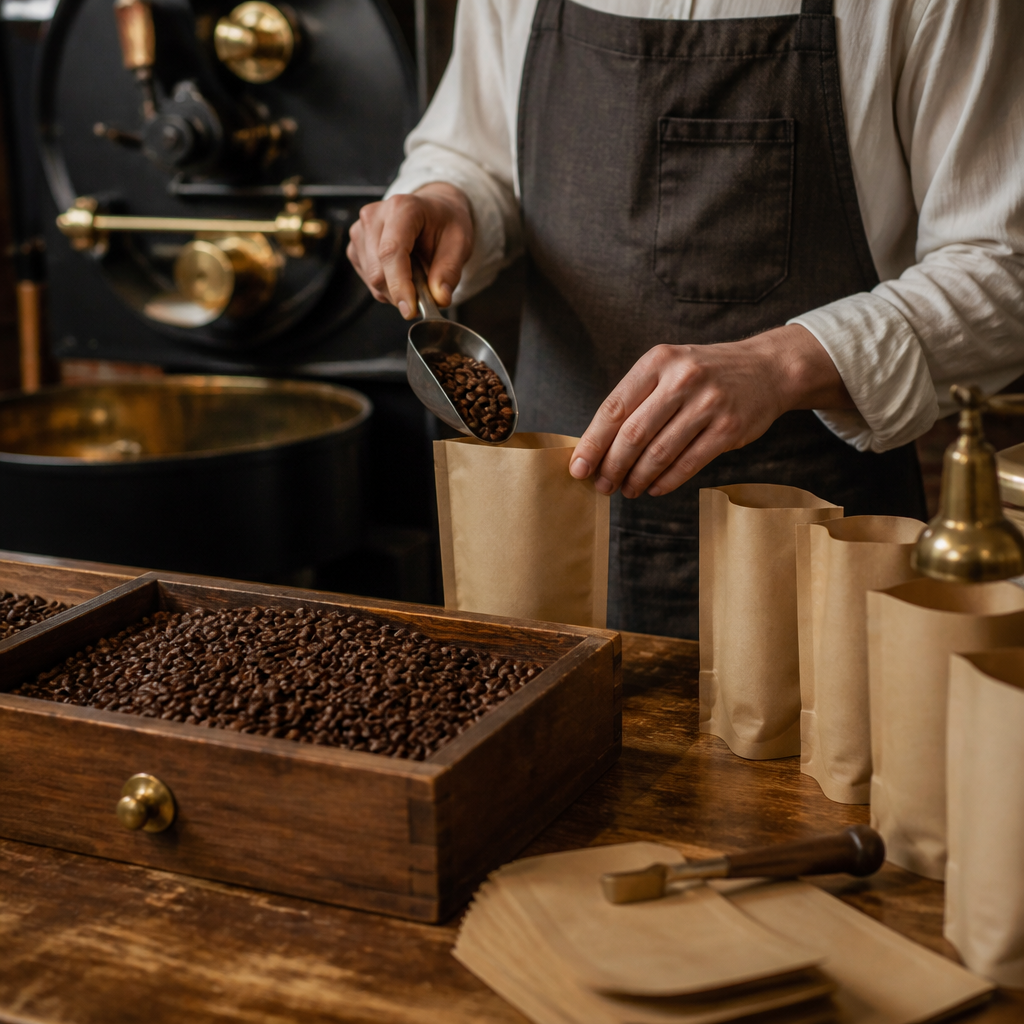
With a Farrer's roastery delivery, the beans are hand-packed in Kendal and dispatched the next working day. That chain of custody is short by design. The volatile aromatics that give a well-sourced coffee its character, the floral notes in an Ethiopian natural, the dark fruit in a classic espresso blend, begin degrading immediately after roasting. Shortening the gap between roast and cup is not a marketing claim. It is chemistry.
There is also a straightforward cost argument. A single flat white in a UK city currently costs between £3.50 and £5.00. Five working days a week, that adds up to a meaningful monthly figure. A fortnightly subscription delivering 250g of freshly roasted single-origin or a favourite Farrer's blend brings that per-cup cost down sharply, without asking you to compromise on what is in the cup.
"When a roaster dispatches directly to your door, the freshness window is preserved. That chain of custody matters far more than the bag design."
What the Farrer's Subscription Actually Includes
Farrer's runs two distinct types of subscription, and understanding the difference helps you pick the right one. The first is the fixed-blend subscription: you choose a specific coffee from the range, such as the Westmorland Blend, the Italian Blend, the Colombian High Roast, or the 1819 Blend, and it arrives at your chosen frequency in your preferred grind. This model suits drinkers who have found what they love and want it consistently without having to remember to reorder.
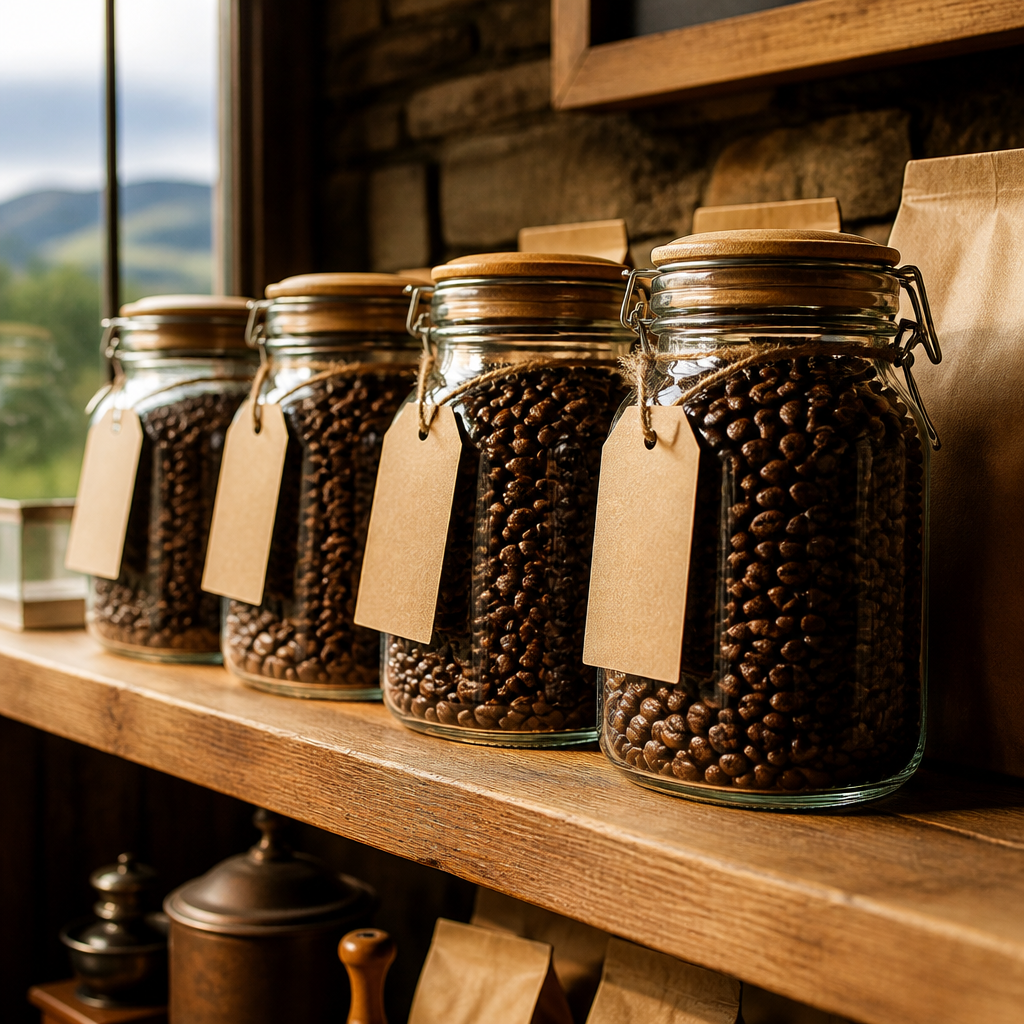
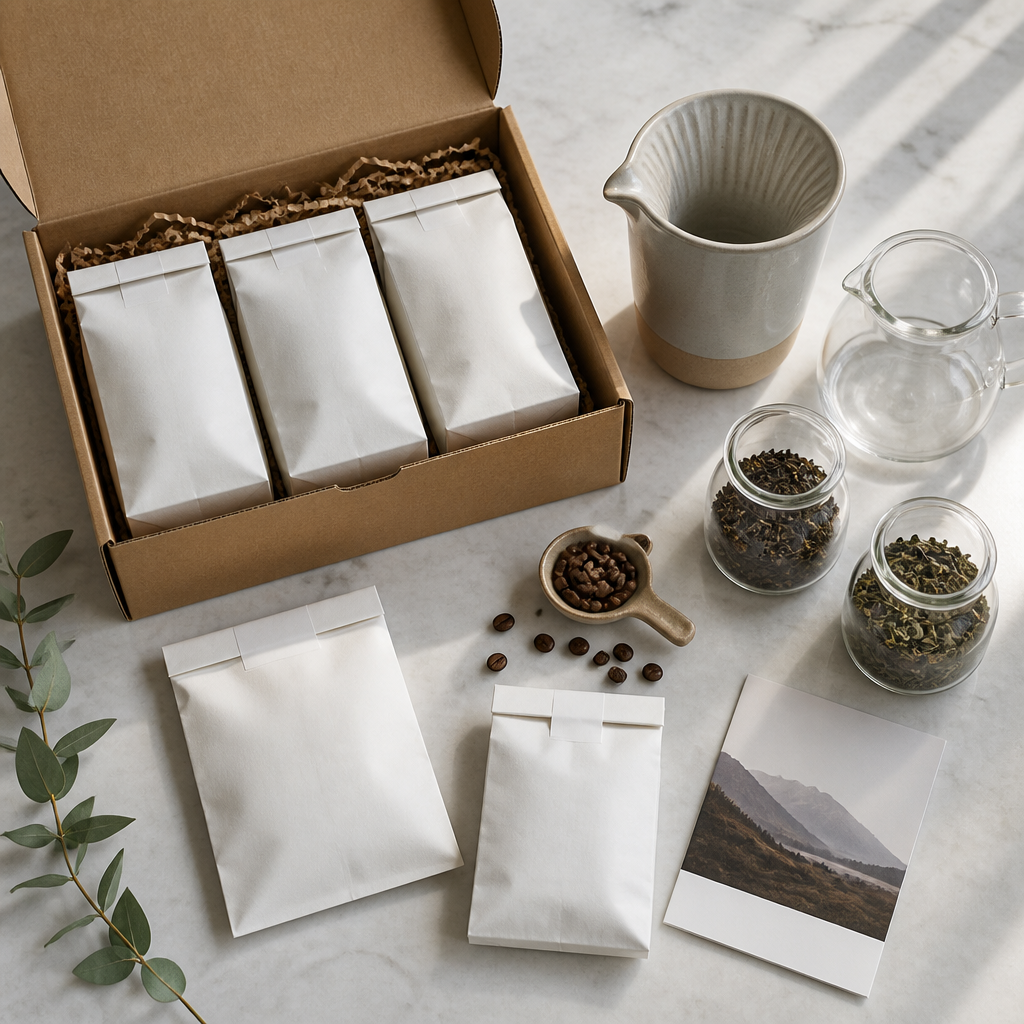
The second is the Discovery monthly specialty subscription. This is the one with genuine scarcity baked in. Each coffee in the specialty range carries a high cupping score and is sourced only in limited quantities from sought-after producers across the globe. Subscribers get access to these lots first, which means once a lot sells through, the window closes. The Discovery subscription is not a marketing device: it reflects the practical reality of small-lot specialty sourcing.
Grind, Size, and Delivery Options
Both subscription types let you specify your grind: whole bean, cafetiere, filter, stove top, AeroPress, or espresso. This matters more than it sounds. Pre-ground coffee dosed to the wrong extraction method loses flavour faster and pulls incorrectly. Getting your grind matched to your actual brew method at the roastery level, rather than guessing at a supermarket gondola, is a genuine quality improvement.
Bag sizes currently start at 250g, with 1kg options available on core blends. Delivery is letterbox-friendly, meaning it arrives through your door without requiring a signature or a trip to a sorting office. Free postage and packaging is included on subscription orders.
Pro tip: If you brew two cups a day as a single person, a 250g fortnightly subscription gives you beans that are genuinely fresh for nearly every brew. Move to weekly only if your household drinks more than three or four cups daily.
Choosing the Right Frequency for Your Household
Frequency is the part most people get wrong when starting a subscription. The common mistake is to choose weekly delivery because it sounds like the premium option, then end up with beans accumulating faster than you drink them, and by the third bag, you are brewing coffee that is three weeks old anyway.
The right way to think about this: a 250g bag of coffee yields roughly 15 to 18 cups brewed at a standard cafetiere or pour-over dose of 15g per cup. For a single person drinking one or two cups a day, that is a fortnightly or monthly delivery. For a household of two or three regular coffee drinkers, a 250g weekly or a 1kg fortnightly cadence is more realistic.
Farrer's subscription portal offers three frequencies: weekly (every 7 days), fortnightly (every 14 days), and monthly (every 30 days). You can also skip a delivery or adjust frequency at any time without cancelling. In practice, most home subscribers do well on fortnightly. Households that also entertain regularly, or that run a small home office with several coffee drinkers, often switch to weekly after the first month once they see how quickly they go through a bag when the coffee is actually good.
Pro tip: Start on monthly if you are unsure. It is easy to increase frequency. It is harder to use up a backlog of beans before they go stale, and wasting good coffee from Farrer's roastery defeats the entire purpose.
The Last-Chance Angle: Limited Lots and Why They Matter
The phrase "last chance" gets overused in e-commerce to the point of meaninglessness. In specialty coffee, it is literal. Single-origin lots and micro-lot natural process coffees are purchased from specific harvests at specific farms. Once the lot is sold, it cannot be restocked because the next harvest will be a different coffee, with different characteristics, from different growing conditions that year.
Farrer's Discovery specialty subscription is structured around exactly this reality. Each rotating offering is sourced in limited quantities, and the subscription model ensures that committed subscribers get first access before individual bags are listed for one-off purchase or before the lot runs out entirely. This is not a manufactured scarcity. It is the actual supply dynamic of quality-focused sourcing.
Why October Is a Particularly Good Time to Subscribe
Autumn in the UK is when the coffee-drinking habit intensifies for most people. The transition from summer to colder, darker mornings makes a reliable, high-quality home brew more valuable, not just pleasant. A coffee subscription offer locked in now means that by the time November and December arrive, your delivery cadence is already dialled in and you are not scrambling for good coffee in the run-up to the busiest entertaining period of the year.
There is also a practical gifting angle. Farrer's subscription is structured as a gift option too, which makes it one of the more useful things you can give to a coffee-drinking household for Christmas. Sorting that in October, before the seasonal rush, is simply better planning.
The 10% off first delivery promotion that Farrer's has offered to email subscribers means that signing up now, at a moment when the autumn specialty lots are fresh and available, is straightforwardly the best entry point. Waiting until January to "start fresh" means missing the lots that are available now, which will not be restocked.
Subscription Options Compared
Not every approach to getting coffee delivered regularly works the same way. The table below compares the three main models, using Farrer's as the benchmark for what a roastery-direct subscription looks like.
| Approach | What You Get | Key Trade-Off |
|---|---|---|
| Farrer's Fixed-Blend Subscription | Your chosen blend (Westmorland, Italian, Colombian High Roast, 1819 Blend, and others), in your grind, at weekly / fortnightly / monthly cadence. 12% saving vs one-off, free P&P, letterbox delivery, skip or cancel anytime. | You commit to one blend per subscription. If you want variety, you either set up multiple subscriptions or switch to the Discovery tier. |
| Farrer's Discovery Specialty Subscription | Rotating limited-quantity specialty lots with high cupping scores, sourced from sought-after global producers. Subscriber-first access before lots sell out. | You do not control which coffee arrives each month. Suits enthusiasts. Less suited to anyone who specifically wants the same blend every time. |
| Ad-hoc one-off ordering (any roastery) | Full control over each purchase. No commitment. Good for occasional drinkers or those experimenting widely. | No discount. No delivery scheduling. Easy to let stocks run out and reach for something substandard in the gap. No priority access to limited lots. |
The comparison makes clear that the fixed-blend and Discovery subscriptions serve different drinkers. If you have already found your coffee (the Westmorland Blend, for example, is Farrer's most recognisable everyday blend), the fixed subscription is simply the most cost-effective and reliable way to keep getting it. If you are the kind of drinker who finds the same coffee every month slightly unambitious, the Discovery tier is the better match.
Frequently Asked Questions
What is included in Farrer's coffee subscription?
Farrer's subscription includes your chosen coffee blend or a rotating specialty lot, dispatched in your selected grind (whole bean, cafetiere, filter, stove top, AeroPress, or espresso) at your chosen frequency of weekly, fortnightly, or monthly. Delivery is letterbox-friendly with free postage and packaging included. The subscription auto-renews but can be skipped or cancelled at any point.
How much do I save with a Farrer's coffee subscription versus buying one-off?
Farrer's subscription plans save you 12% compared to the one-time purchase price of the same coffee. When you factor in free postage and packaging on subscription orders, the total saving per year across regular deliveries is meaningful, particularly if you are currently buying premium coffee at standard retail prices.
Can I change my grind or delivery frequency after I subscribe?
Yes. Farrer's subscription is designed to be flexible. You can adjust your grind preference, switch delivery frequency, skip a delivery, or cancel entirely at any time through your account. There is no lock-in period and no penalty for changes.
What makes the Farrer's specialty subscription different from the standard range?
The specialty Discovery subscription features coffees sourced in limited quantities from sought-after producers worldwide, each selected for a high cupping score. These lots are not restocked once they sell through. Subscribers get first access before the lots are listed for general one-off purchase, which is why subscribing rather than waiting is the only reliable way to access them.
Is the Farrer's coffee subscription suitable as a gift?
Yes, and it is one of the more considered gifts for a coffee-drinking household. Farrer's offers coffee subscriptions as a gift option, allowing you to set up deliveries on behalf of another person. Given the 4.9 out of 5 rating from verified customers and the heritage of over 200 years of roasting in the Lake District, it is a gift that carries genuine credibility rather than just looking good in a box.
What happens if I am not home when the coffee is delivered?
Farrer's subscription deliveries are designed to be letterbox-friendly, so you do not need to be home. The package is sized to fit through a standard letterbox, which removes the single biggest inconvenience of home delivery for most people.
Why is autumn a particularly good time to start a coffee subscription UK?
Autumn is when home coffee habits intensify and when many people start thinking about quality and routine. Starting a subscription in October means your delivery cadence is set and working smoothly before the December entertaining season. It also means you get access to current specialty lots before they sell through. Waiting until January is simply waiting for no good reason while the available lots close.
If you have tried a Farrer's subscription, or if you are weighing up whether to start one, share what pushed you toward the decision or what is holding you back: the experience of readers who have actually gone through this is more useful than any comparison table.
We would love your feedback and any insights you would share with others. What perspective would you add?
References
- Five reasons to switch to a UK coffee subscription this autumn, including cost and freshness analysis
- Farrer's comparison of coffee subscription versus ad-hoc buying for UK home drinkers
- Analysis of whether a regular coffee subscription delivery is worth it for UK households
- Farrer's full subscription collection including specialty and fixed-blend options


