

Autumn is the season when your coffee habit quietly intensifies. The mornings get darker, the commute gets colder, and the mug in your hand stops being optional. Yet most people head into the season still buying the same supermarket bag on autopilot, paying more per cup than they need to, and brewing coffee that was roasted weeks before it reached the shelf. A coffee subscription UK service solves all of that in one decision, and autumn is precisely the right moment to make that switch. Here are five reasons why.
Table of Contents
- Quick Takeaways
- You Drink More Coffee in Autumn, So Freshness Matters More
- Roastery Delivery Beats Any Shelf Product on Flavour
- You Consistently Save on Coffee Without Sacrificing Quality
- The Convenience Is Underrated, Especially When the Weather Turns
- Autumn Is the Right Time to Actually Discover New Coffees
- Comparison: Coffee Subscription vs. Supermarket vs. Coffee Shop
- Frequently Asked Questions
- References
Quick Takeaways
| Key Insight | Explanation |
|---|---|
| Coffee consumption rises in autumn | Trading data indicates that UK coffee consumption falls during summer and climbs back up as temperatures drop in autumn and winter, meaning your brewing frequency will increase whether you plan for it or not. |
| Freshness windows are short | Freshly roasted coffee is at its peak between 5 and 21 days after roasting. Supermarket stock routinely sits beyond that window before it even reaches your basket. |
| Roastery-direct delivery preserves quality | When a roaster dispatches directly to your door, the freshness window is preserved. That chain of custody matters far more than the bag design. |
| Subscriptions reduce per-bag cost | Many UK roastery subscriptions offer a lower per-bag price than one-off purchases, alongside perks like free delivery that compound the saving across the year. |
| Flexibility prevents waste | A properly structured subscription calibrates delivery frequency to your actual consumption rate, so you are never stockpiling beans past their best or scrambling for an emergency purchase. |
| Heritage roasters offer something different | Farrer's, operating from the Lake District for over 200 years, offers small-batch hand-packed roasting rather than the volume-driven model used by mass-market brands. |
| Autumn is a natural reset point | The seasonal shift prompts changes in habits. It is a practical moment to upgrade your coffee routine before the daily reliance on a good cup becomes even more acute through winter. |
You Drink More Coffee in Autumn, So Freshness Matters More
The data on this is straightforward. Trading figures indicate that coffee consumption falls by around 12% during summer before climbing back up during autumn and winter. Physiologically, humans crave warm drinks as temperatures drop, and that shift happens whether or not your coffee supply is ready for it.
What this means in practice is that the casual, occasional cup of July becomes a non-negotiable ritual by October. You start brewing more often, finishing bags faster, and noticing the quality gap much more sharply because your palate is paying closer attention to what is in the mug.
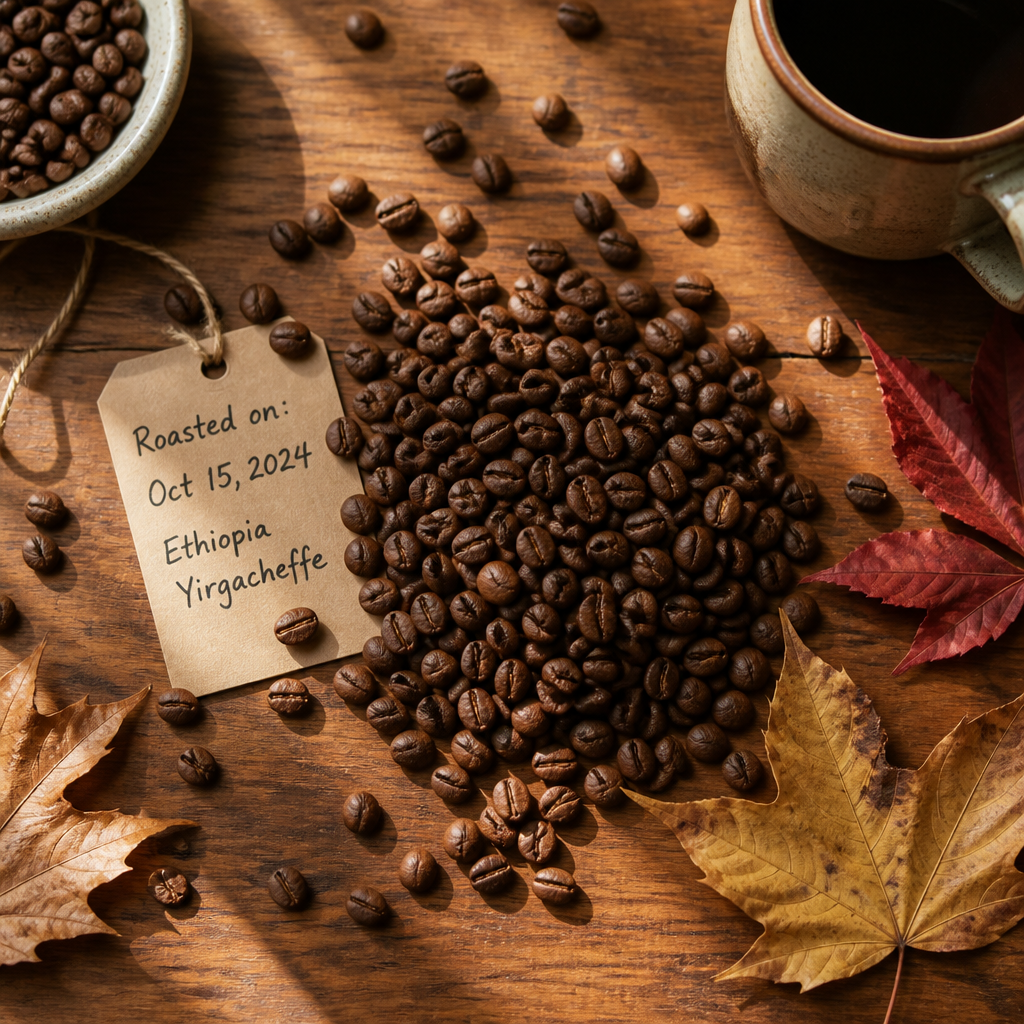
This is exactly when the freshness question becomes unavoidable. A bag that sat in a warehouse for three weeks before hitting the supermarket shelf has already lost most of its aromatics by the time you open it. The carbon dioxide that carries flavour has dissipated. What remains is drinkable, but it is not what the roaster intended. A coffee subscription UK built around roastery-direct dispatch means the beans arrive shortly after roasting, and because deliveries are calibrated to how fast you actually brew, each cup falls within the genuine peak flavour window.
The instinct to buy in bulk makes sense for most household staples. Coffee is the exception. A 1kg bag bought in a single order might feel economical, but if it takes four to six weeks to work through it, the final third is being brewed past its optimal freshness window.
Farrer's approach at the Lake District roastery is built entirely on small-batch roasting and hand-packing, which means the quantity roasted matches the quantity ordered rather than the quantity needed to fill a warehouse shelf. That distinction becomes more meaningful in autumn, when your cup matters more.
Roastery Delivery Beats Any Shelf Product on Flavour
The phrase roastery delivery describes something specific: a supply chain where the roaster controls the entire process, from roasting through to dispatch, without a retailer sitting in the middle consuming the freshness window. It is not just marketing language. It describes a genuinely different quality of product reaching your door.
What happens to coffee on a retail shelf
When coffee is roasted for mass retail, it follows a chain of events: production, packaging, logistics, warehouse holding, distribution to stores, and then shelf time before purchase. At each stage, time passes. Specialty coffee has a peak flavour window that is short, broadly the first few weeks after roasting. By the time a typical supermarket bag reaches your kitchen, that window has often closed entirely.
The best specialty coffee subscriptions in the UK ship beans within days of roasting, some within seven days. Farrer's, roasting in the Lake District and dispatching hand-packed orders with next-day delivery on orders over £35, sits firmly in that model. The Lake District location is not incidental to this: operating from a working roastery rather than a distribution hub means the product is roasted, packed, and dispatched in a tight sequence rather than batched for retail convenience.
Why this matters more than the blend name on the bag
A common mistake is prioritising blend selection over freshness. Enthusiasts will spend time comparing tasting notes on a brand's website, then buy the winning bag from a supermarket where it has been sitting for a month. The result is a coffee that performs well below the level of what is possible from those beans.
Switching to a fresh coffee delivered model does not require compromising on choice. Farrer's subscription service allows customers to select their coffee type, roast profile, and grind preference while still benefiting from the freshness that only roastery-direct dispatch can guarantee. The blend you chose performs as the roaster intended it to perform.
Pro tip: When evaluating any coffee subscription, ask specifically when beans are roasted relative to dispatch. If the roaster cannot give a clear answer, the freshness model probably does not justify subscription pricing.
You Consistently Save on Coffee Without Sacrificing Quality
The financial case for a coffee subscription is often undersold because it plays out quietly across months rather than appearing as a dramatic single saving. But the compounding effect is real.
Per-cup cost versus the coffee shop habit
The most obvious comparison is with daily coffee shop purchases. A single flat white in a UK city costs between £3.50 and £5.00. Five working days a week, across October and November alone, that is a meaningful sum. A roastery subscription delivering freshly roasted specialty beans lands the per-cup cost at a fraction of that, without a queue, without leaving the house on a cold morning, and without the inconsistency of whoever is behind the bar that day.
Specialty coffee subscriptions across UK roasters generally range from around £8 to £12 per bag, broadly in line with independent roastery pricing, but with the per-bag cost often lower than one-off purchases from the same roaster. The savings from free delivery on qualifying orders compound that further across the year. Farrer's offers free UK mainland delivery on orders over £35, which a subscription structured around that threshold captures automatically.
Reducing waste saves money too
A subscription matched to your actual brewing frequency also cuts a type of waste that most coffee buyers do not track: stale coffee that gets quietly discarded. Buying a large bag because it felt like a bargain, then finding it mediocre by the time you finish it, is a common and expensive habit. A subscription calibrated to fortnightly or monthly delivery based on your genuine consumption eliminates that pattern entirely.
Pro tip: To find your ideal delivery frequency, track how long your current bag takes to finish. If it is longer than three weeks, split the order into more frequent smaller deliveries rather than buying less overall. Freshness and convenience improve together.
The Convenience Is Underrated, Especially When the Weather Turns
Autumn is the season where running out of coffee on a Monday morning transforms from an annoyance into something close to a crisis. The dark mornings, the cold commute, the general resistance to doing anything extra before 9am. The appeal of a subscription is precisely that it removes the decision and the potential failure point entirely.
The WMF coffee machine blog notes that as autumn sets in, coffee is more popular than ever in the workplace, and the colder mornings make the queue at the local coffee shop longer and the detour less appealing. A subscription ensures the same quality that you might seek from a specialty shop is waiting at home, without the queue, the weather, or the variable barista.
For customers outside major cities, this matters even more. Rural areas and smaller towns in the UK often lack access to specialty coffee retail entirely. Farrer's built much of its mail-order and online business precisely around this reality: not every coffee drinker is twenty minutes from a specialty roaster. A subscription with reliable next-day dispatch on qualifying orders solves an access problem that is not going away.
There is also the simple cognitive benefit of one fewer recurring task. A subscription does not require remembering, researching, or making a last-minute emergency purchase. The coffee arrives. You brew it. That simplicity is underappreciated until you experience the alternative again.
Autumn Is the Right Time to Actually Discover New Coffees
Autumn changes what you want from a cup. As Nescafe's seasonal coffee trend reporting observes, coffee drinkers "reach for more warming, spiced coffees, as opposed to fruity and light coffees" as the days get colder. Your palate shifts with the season, and a subscription that reflects that shift is a different, more interesting experience than repeating the same purchase on autopilot.
Farrer's subscription model, curated by master roaster Rob, is designed to introduce customers to a rotating selection of the world's best coffees hand-roasted in the Lake District. For someone who has been buying the same supermarket blend for years, this is not a minor upgrade. The difference between a bag of pre-ground coffee that spent six weeks in distribution and a freshly roasted specialty single origin that arrived two days after roasting is the difference between a functional habit and something you actually look forward to.
Autumn-specific roast profiles worth trying
Darker roasts and blends with chocolate, nutty, or caramel notes suit the season well. These profiles perform best in espresso, French press, and cafetiere brewing methods that tend to dominate home brewing in colder months. Norwegian food research has suggested that taste buds become more receptive to richer flavours in winter, which is consistent with the observed shift toward heavier-roasted coffees in autumn. A curated subscription from a roaster with genuine expertise, rather than a volume-driven one that ships whatever is cheapest that month, is the most direct route to finding which profiles you actually prefer.
The broader point is that a subscription is not a constraint on discovery. For many coffee drinkers, it is the first time discovery actually happens, because the roaster is making informed choices on their behalf rather than leaving them to navigate an overwhelming retail category with no guidance.
Comparison: Coffee Subscription vs. Supermarket vs. Coffee Shop
The table below compares the three main ways UK coffee drinkers currently get their daily cup. It is not exhaustive, but it covers the factors that matter most for someone deciding whether to switch.
| Factor | Coffee Subscription (Roastery-Direct, e.g. Farrer's) | Supermarket Purchase | Daily Coffee Shop |
|---|---|---|---|
| Freshness | High. Beans dispatched within days of roasting, arrive within the peak flavour window. | Low to medium. Often weeks past roast date by the time it reaches the shelf. | Variable. Depends entirely on the shop's stock rotation and roaster relationship. |
| Per-cup cost | Low to medium. Specialty quality at a fraction of coffee shop pricing. | Low. But quality ceiling is also lower, and waste from staleness increases real cost. | High. £3.50 to £5.00 per cup in most UK cities. |
| Convenience | High. Arrives at your door on a schedule. No running out, no emergency trips. | Medium. Requires a deliberate purchase. Risk of running out if timing is off. | Low in autumn. Queues, weather, travel time all compound the effort. |
| Discovery and variety | High. Curated selection changes with season and roaster expertise. | Low. Supermarket ranges are limited and slow to change. | Medium. Dependent on the menu of the specific shop you visit regularly. |
| Flexibility | High. Most roastery subscriptions allow pausing, adjusting frequency, or cancelling. | Full. No commitment at all, but no consistency either. | None. You pay per visit with no ability to adjust. |
The comparison makes the case clearly. The supermarket wins on zero friction, the coffee shop wins on experience, but neither delivers consistently on freshness, per-cup value, and convenience simultaneously. A roastery subscription from a business like Farrer's is the only model that addresses all three.
Frequently Asked Questions
How does a coffee subscription UK work?
A coffee subscription is a recurring delivery arrangement where you select your preferred coffee, grind type, and delivery frequency, and the roaster dispatches fresh beans to your door on that schedule. With Farrer's, you can customise your subscription step by step and adjust, pause, or cancel at any point. Orders over £35 qualify for next-day dispatch on UK mainland deliveries.
Is a coffee subscription actually fresher than supermarket coffee?
Yes, significantly. Supermarket coffee passes through several stages of logistics and shelf time before purchase, routinely sitting weeks past its roast date. A roastery-direct subscription dispatches beans within days of roasting. The aromatics and flavour compounds that define specialty coffee are at their peak in the first few weeks after roasting, so the timing of delivery is not a minor detail. It is the whole point.
Can I save on coffee with a subscription compared to buying one-off?
In most cases, yes. Roastery subscriptions typically offer a lower per-bag cost than one-off purchases, along with perks like free delivery on qualifying orders. The saving compounds over months. More importantly, reducing waste from stale coffee that gets discarded effectively lowers the real per-cup cost beyond the headline price difference.
What is the best delivery frequency for a coffee subscription?
The most practical way to work this out is to time how quickly you finish a standard 250g bag. Most home drinkers who brew one or two cups a day will find a fortnightly delivery fits well. If you brew more heavily, or are supplying a household of multiple coffee drinkers, weekly or a larger bag fortnightly may suit better. Most good subscriptions, including Farrer's, let you adjust this over time as you work out the right rhythm.
Does the autumn season actually affect which coffee I should order?
It affects preference more than you might expect. Research into seasonal flavour perception suggests that richer, heavier notes become more appealing as temperatures drop. In practical terms, this means darker roasts, blends with chocolate or nutty character, and espresso-style profiles tend to feel more satisfying in autumn and winter than the lighter, fruit-forward single origins that suit summer brewing. Farrer's curated subscription reflects seasonal preferences through master roaster Rob's selections, rather than rotating stock on a generic schedule.
Is a coffee subscription suitable for a café or hospitality business?
Absolutely. In fact, the case for a trade subscription is even stronger than for home use. Cafés and restaurants require consistent quality and reliable delivery cadence, neither of which supermarket purchasing can guarantee. Farrer's serves both home enthusiasts and trade customers, and a subscription model built around the volume and frequency of a working kitchen or café removes the unpredictability of ad-hoc ordering while ensuring the freshness that guests will notice.
What if I want to try Farrer's before committing to a subscription?
Trying a one-off order before subscribing is a reasonable approach. Farrer's hand-roasted blends and single origins are available as standard purchases, which means you can experience the quality of roastery-direct delivery before setting up a recurring schedule. The jump from a one-off order to a subscription is straightforward once you have experienced the freshness difference firsthand.
Have you already made the switch to a coffee subscription this autumn, or are you still weighing it up? Share your experience or question in the comments and we will do our best to help you find the right fit.
References
- Farrer's blog: Is a regular coffee subscription UK delivery worth it
- Farrer's blog: Coffee subscription UK versus buying as you go
- New Ground Magazine: How weather influences coffee drinking habits and seasonal consumption
- WMF Coffee Machines blog: Autumn seasonal coffee trends in the UK
- Pact Coffee: What are the benefits of a speciality coffee subscription in the UK


