

Most coffee drinkers in the UK have stared at a bag labelled "espresso roast" and wondered whether it is simply a darker bean, a specific origin, or just a marketing term. The answer matters more than you might think, because using the wrong roast profile in an espresso machine, a moka pot, or an AeroPress will undermine even the finest green coffee. Espresso roast coffee is a roast profile engineered to perform under pressure, and understanding what that means will change how you shop, how you brew, and what ends up in your cup. Whether you are pulling shots at home or specifying beans for a busy cafe kitchen, this guide covers everything you need to know.
Table of Contents
- What Is Espresso Roast Coffee?
- Espresso Roast vs Filter Roast: The Real Differences
- Arabica, Robusta, and the Art of Blending
- Brewing Methods That Suit an Espresso Roast
- Moka Pot Coffee and Espresso Roast: What You Need to Know
- How to Choose the Best Espresso Beans in the UK
- Comparing Espresso Roast Options: A Practical Guide
- Common Mistakes With Espresso Roast Coffee
- Frequently Asked Questions
- References
What Is Espresso Roast Coffee?
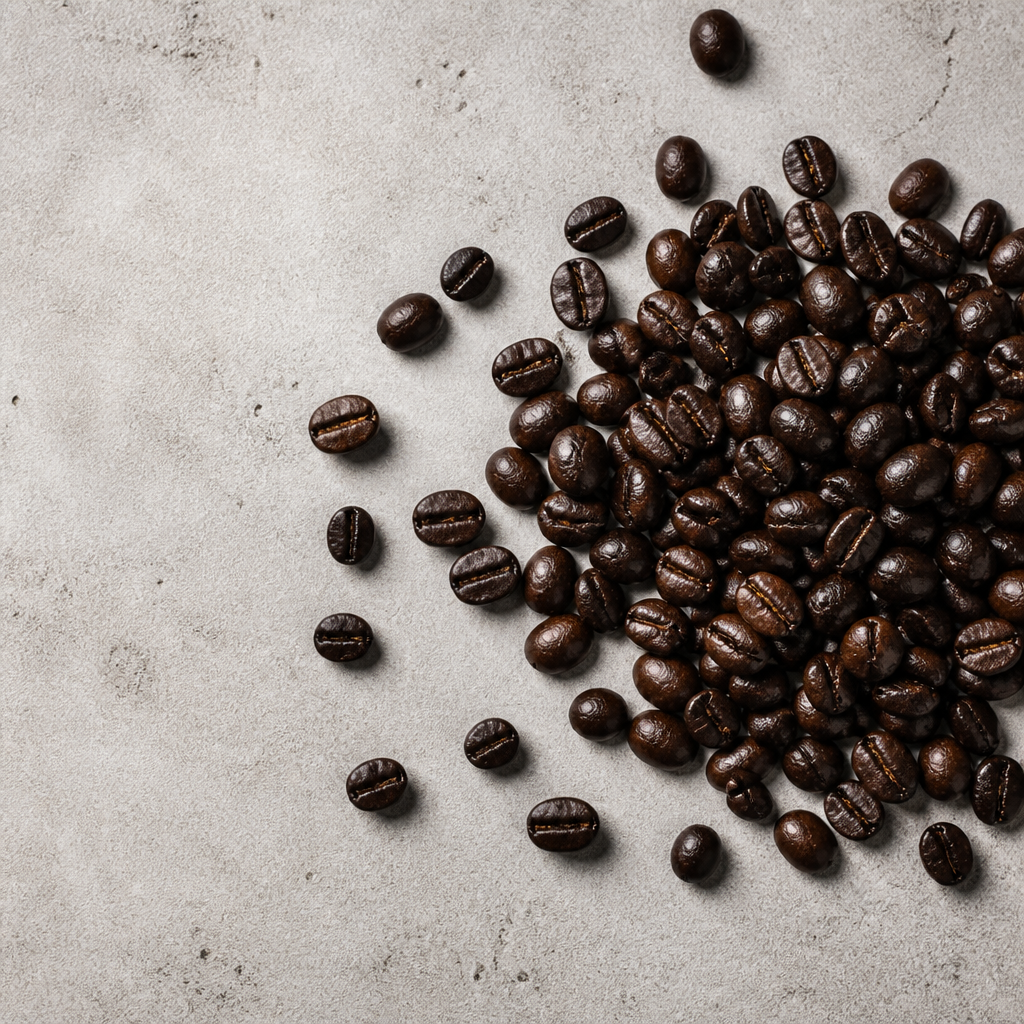
Espresso roast coffee is not a bean variety or an origin. It is a roast profile applied to green coffee beans to make them behave predictably under the conditions of espresso brewing: high pressure, fine grind, and short contact time with hot water. In practice, that means the beans are typically roasted to a medium-dark or dark level, stopping the roast at or slightly past what is called "second crack" in roasting terminology.
The roasting process drives out moisture, develops sugars through caramelisation, and reduces the sharper organic acids found in lighter roasts. A bag marked "espresso roast" is telling you that the roaster made specific decisions about temperature, airflow, and roast duration to create a coffee that extracts well under pressure without turning bitter or sour in the cup.
What that means in practical terms: more body, lower perceived acidity, better crema formation, and a flavour profile that remains stable and balanced even when hot water is forced through it at nine bars of pressure. A lighter, more acidic roast can taste sharp and under-extracted when brewed the same way, because the acids dissolve faster than the sweeter, more complex compounds.
Espresso Roast vs Filter Roast: The Real Differences
The most common point of confusion among home brewers is treating "espresso roast" and "filter roast" as interchangeable labels. They are not. The difference is rooted in brewing physics, not branding.
How the Roast Profile Differs
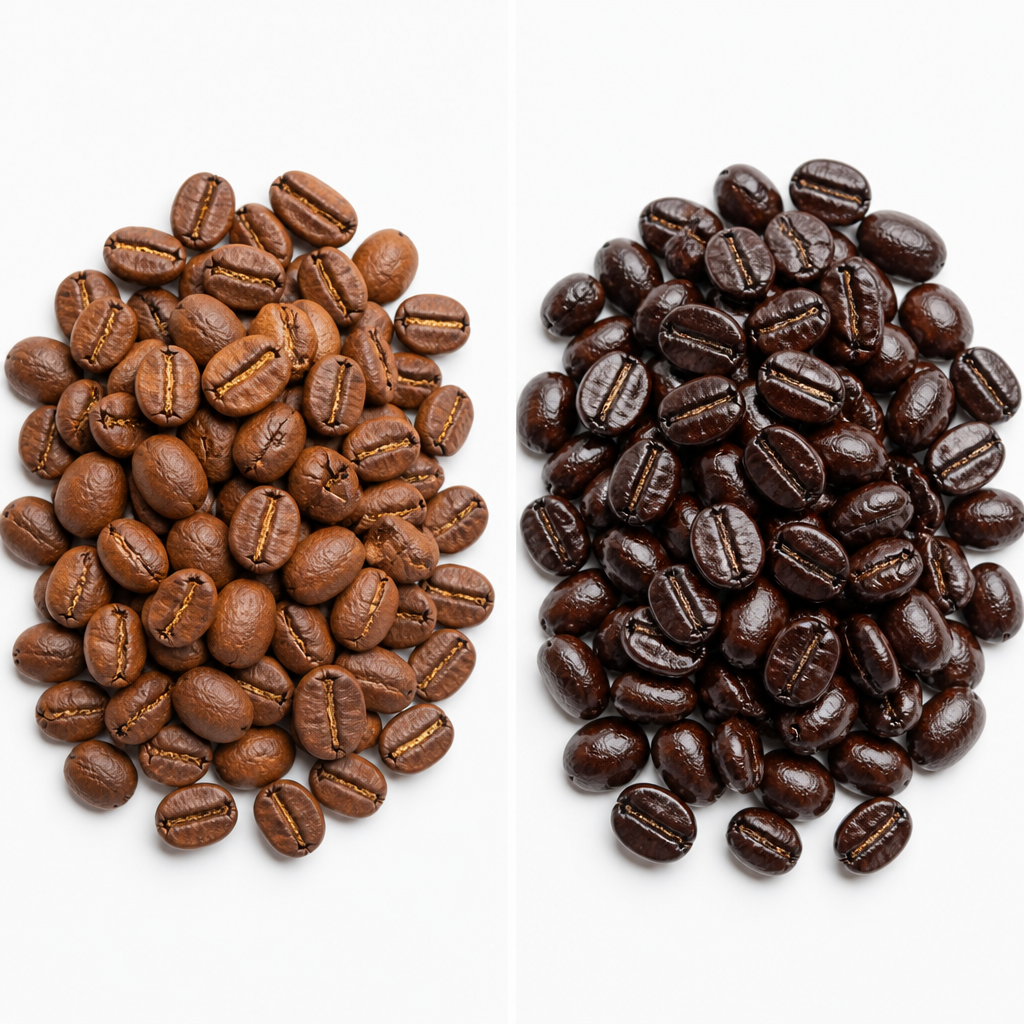
Filter roasts are achieved by roasting green beans at a lower final temperature for a shorter duration. This method retains the natural origin flavours, preserves aroma, and keeps acidity high, which is desirable in slow, low-pressure brewing like pour-over or batch brew. Espresso roasts go further into the roast curve: higher internal bean temperature, longer development time, more caramelisation, and less acidity as a result.
The key word here is "development time," which refers to the period after first crack when the roaster decides how far to push the bean. A longer development time reduces acidity, increases body, and enhances deeper chocolate or caramel notes. Those are exactly the qualities you want when hot water is hitting finely ground coffee at nine bars.
Can You Use a Filter Roast in an Espresso Machine?
Technically yes, but it takes real skill and specific dialling-in. A filter roast used for espresso is more likely to under-extract and taste sharp. Grind size and ratio adjustments can help, but the roast profile still affects the final balance. Specialty cafes sometimes do this intentionally to highlight a single-origin coffee's character, but for consistent, repeatable results at home or in a commercial setting, an espresso roast is the right tool for the job.
The roast profile is not about making coffee darker for the sake of it. It is about matching the physical behaviour of the bean to the brewing method so that extraction is balanced and the cup tastes the way the roaster intended.
Arabica, Robusta, and the Art of Blending
When you shop for espresso coffee in the UK, you will encounter three broad categories: 100% Arabica, 100% Robusta, and blends. Each behaves differently in the cup, and none of them is universally superior.
Arabica for Espresso
Arabica beans produce a finer, more delicate and aromatic crema. They tend to carry more complex flavour notes, from fruit and florals at lighter roast levels to dark chocolate and caramel at espresso roast levels. A well-sourced 100% Arabica espresso blend, roasted carefully to a medium-dark profile, is the most common choice for specialty cafes in the UK.
Farrer's Classic Espresso Blend is a good example of how this plays out in practice: a medium-to-high roast with rich dark and milk chocolate flavours, a soft acidity, and the kind of body that works well under milk in a flat white or cappuccino.
Robusta and Its Role in Blends
Robusta beans contain significantly more CO2 than Arabica, which produces a very thick and stable crema. Traditional Italian-style espresso blends have historically included a proportion of Robusta for exactly this reason: that characteristic thick crema and full-bodied taste holds up well against milk. Robusta also contains more caffeine, which adds to the perception of body and bitterness in the cup.
A common approach among experienced roasters is to blend a majority of washed or natural Arabica with a smaller percentage of Robusta, gaining crema stability and body without letting Robusta's harsher flavour notes dominate. For a trade buyer specifying beans for a busy espresso bar, this kind of blend is often more forgiving through a high-volume machine than a single-origin Arabica.
Pro tip: If you are buying espresso coffee for use with milk-based drinks, look specifically for blends described as having "soft acidity" and "full body." These perform far better in a flat white or latte than high-acid single-origin coffees roasted dark.
Brewing Methods That Suit an Espresso Roast
The best brewing methods for an espresso roast are those that use pressurised water to extract the coffee's flavour. This includes espresso machines, moka pots, French presses, and AeroPress. Each creates a different cup, but all benefit from the stability and body that an espresso roast provides.
Espresso Machine
This is the primary method the espresso roast is designed for. Hot water is forced through the ground coffee at approximately nine bars of pressure, emulsifying the natural oils and releasing CO2 to create crema. A golden-hazelnut crema with "tiger stripe" markings is often considered a reliable indicator that the extraction is balanced. Very dark, thick crema frequently points to an extraction that is too fine, too long, or too hot. Pale crema that dissipates quickly usually means too coarse a grind or too short an extraction time.
AeroPress
The AeroPress uses manual pressure and is genuinely versatile with espresso roast coffees. It produces a concentrated, full-bodied cup without the harshness that pressure brewing can amplify in lighter roasts. Because you control pressure and brew time manually, you can adjust for different espresso roasts without specialist equipment.
Moka Pot Coffee and Espresso Roast: What You Need to Know
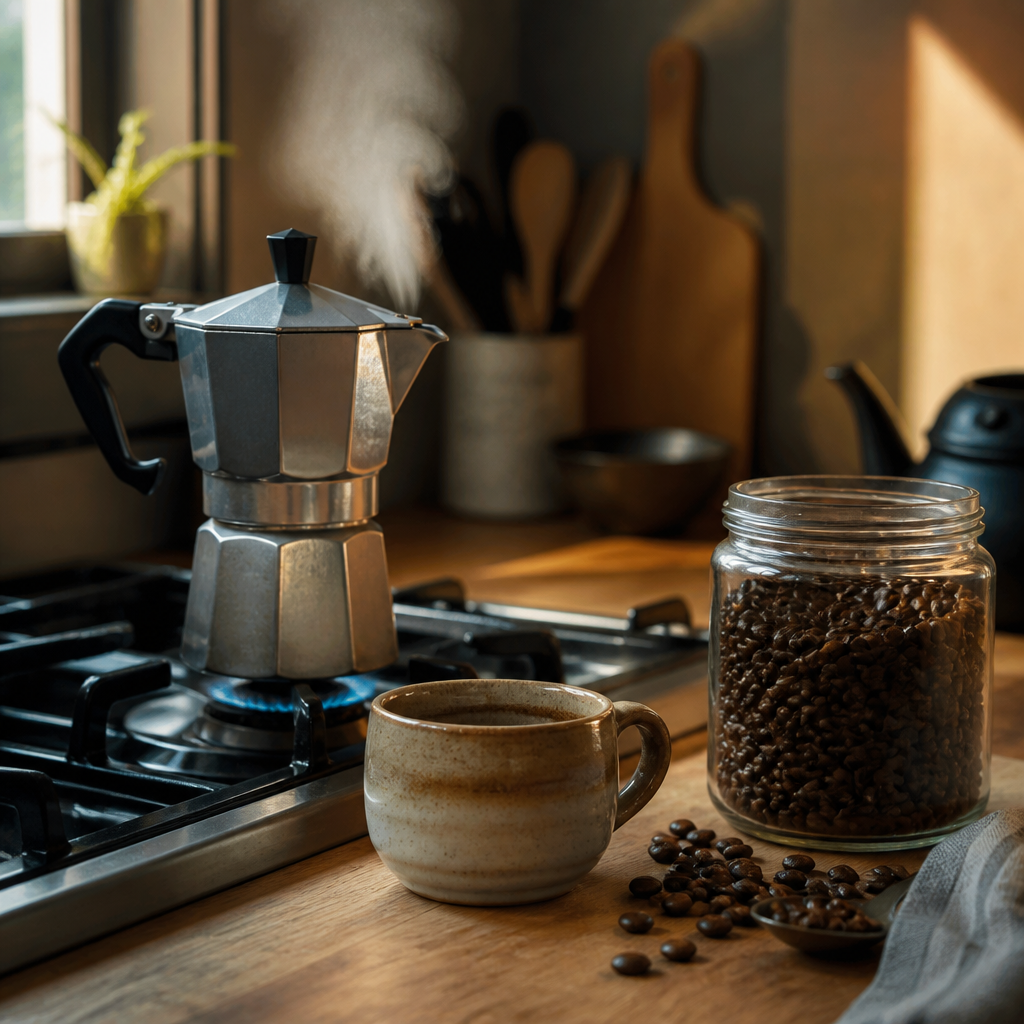
The moka pot is one of the most popular brewing methods in UK households, and it is frequently paired with espresso roast coffee. However, there is an important distinction to understand before you start grinding.
Moka Pot Is Not an Espresso Machine
A moka pot operates at around one to two bars of pressure, compared to the nine bars produced by an espresso machine. This means it extracts coffee differently, and using an espresso-fine grind in a moka pot is a common mistake that leads to over-extraction, bitterness, and a slow or blocked brew. The correct grind for a moka pot is medium-fine: noticeably finer than filter but not as fine as true espresso. Starting around a "4 or 5" setting on a numbered burr grinder and adjusting from there is a sensible baseline.
Why Espresso Roast Still Works Well in a Moka Pot
Despite the pressure difference, an espresso roast coffee is still an excellent choice for moka pot brewing. The lower acidity, fuller body, and caramelised flavour notes translate beautifully to the strong, concentrated cup a moka pot produces. The result is closer to the intense, bittersweet character of a stovetop espresso than you would get from brewing a filter roast the same way.
Farrer's No. 2 Blend, described as their house espresso blend with dark, deep body and sweet chocolate and nutty notes, is specifically recommended for stove-top brewing, which is exactly the kind of real-world product recommendation that takes the guesswork out of pairing roast to method.
Pro tip: Fill your moka pot's bottom chamber with hot water rather than cold before placing it on the heat. This reduces the time spent heating the water and prevents the grounds from sitting in warm water too long, which causes bitterness before the brew has even started.
How to Choose the Best Espresso Beans in the UK
The right espresso beans are not simply the darkest roast or the most expensive bag. Great espresso comes from coffee that is roasted to a level appropriate for your brewing method, sourced from quality green coffee, and purchased fresh enough that the CO2 required for crema formation is still present in the bean.
Freshness Is the Most Critical Variable
Coffee is best used while it is still relatively fresh after roasting. The CO2 released during roasting dissipates over time, and that gas is essential to crema formation under pressure. Buying from a roaster who roasts to order, or who dispatches within a short window of roasting, gives you a significant advantage over supermarket shelf stock. Farrer's dispatches next-day on orders over £35, which is the practical difference between drinking fresh-roasted coffee and drinking something that has been sitting in a warehouse for weeks.
Whole Beans vs Pre-Ground
Pre-ground espresso coffee begins losing flavour and CO2 within days of grinding. If flavour is your priority, buying whole beans and grinding just before brewing is not optional, it is the single most impactful change a home brewer can make. A basic burr grinder pays for itself quickly in cup quality.
Blend vs Single Origin
Blends are specifically constructed to produce consistent flavour across seasons as the component coffees change. A well-crafted espresso blend from a roaster with decades of sourcing experience, like Farrer's, will taste essentially the same year-round because the blend is adjusted to compensate for variations in individual origins. Single-origin espresso coffees can be exceptional, but they require more precise dialling-in and can taste quite different from one harvest to the next.
Fairtrade and Ethical Sourcing
For trade buyers and home enthusiasts who want ethical sourcing built into their espresso routine, Fairtrade-certified espresso blends are widely available from quality UK roasters. Farrer's Fairtrade Espresso Blend offers rich, full-bodied flavour with caramel notes while guaranteeing ethical sourcing standards for the farmers involved. This matters both as a purchasing value and as a practical selling point if you are a cafe owner explaining your coffee provenance to customers.
Comparing Espresso Roast Options: A Practical Guide
Not all espresso roasts are designed for the same purpose. The table below compares three common approaches to espresso roast coffee so you can match the right option to your brewing setup and flavour preferences.
| Espresso Roast Type | Best Suited For | Flavour Profile and Key Traits |
|---|---|---|
| Medium-Dark Arabica Blend (e.g., Farrer's Classic Espresso Blend) | Home espresso machines, AeroPress, milk-based drinks | Dark and milk chocolate notes, soft acidity, full body, stable crema. Versatile and forgiving to dial in. |
| Arabica-Robusta Blend (Italian-style) | High-volume commercial espresso bars, traditional espresso shots | Very thick and stable crema, high body, bold bitterness, strong caffeine hit. Less nuanced but highly consistent under pressure. |
| Fairtrade Espresso Blend (e.g., Farrer's Fairtrade Espresso Blend) | Ethical-sourcing-conscious cafes and home enthusiasts, moka pots | Rich, full body with caramel notes and soft acidity. Certified supply chain. Similar extraction behaviour to a medium-dark Arabica blend. |
Common Mistakes With Espresso Roast Coffee
Understanding espresso roast theory is one thing. Avoiding the mistakes that undermine it in practice is another. Here are the errors that appear most often, even among enthusiastic home brewers.
Grinding Too Fine for a Moka Pot
Because moka pot coffee is associated with strong, intense flavour, many people assume that using an espresso-fine grind will intensify the result further. In practice it does the opposite: it restricts flow, increases pressure inside the pot beyond its design limit, and forces bitter, over-extracted compounds into the cup. A medium-fine grind is the correct starting point for moka pot coffee, not an espresso grind.
Buying Stale Beans in Dark Packaging
Dark, heavily oily beans are not a sign of quality or freshness. They are often a sign that the coffee was roasted weeks ago and the oils have migrated to the surface as the bean oxidises. Fresh espresso roast beans should have a dry, matte surface. A roast date on the bag is more informative than any tasting note printed beside it.
Using Pre-Ground Coffee and Expecting Espresso Quality
Pre-ground espresso coffee is fine for occasional use and convenience, but it will never match the quality of freshly ground beans from the same roast. If you are investing in good espresso beans from a quality UK roaster, pair that investment with a burr grinder. The espresso roast is only doing half the work; the grinder does the other half.
Ignoring Decaf Options
Decaffeinated espresso roast coffees have improved dramatically in quality over the past decade. A well-produced decaf espresso blend, roasted to the same profile as a caffeinated version, will extract with similar body and crema behaviour. For an afternoon espresso or a late-evening flat white, a quality decaf espresso blend is a genuinely good option rather than a compromise.
Frequently Asked Questions
What is the difference between espresso roast and dark roast coffee?
The terms are often used interchangeably but they are not identical. A dark roast describes any coffee taken past a certain point in the roasting curve. An espresso roast is specifically calibrated for performance under pressure in an espresso machine or similar pressurised brewing method, which typically means a medium-dark to dark roast with particular attention to development time, body, and acidity reduction. You can have a dark roast that is not optimised for espresso, and many specialty roasters produce medium espresso roasts that perform better under pressure than a generic dark roast would.
Can I use espresso roast coffee in a cafetiere or French press?
Yes, you can, and many people do. An espresso roast in a French press will produce a rich, full-bodied cup with chocolatey notes. The main adjustment is grind size: use a coarse grind, just as you would with any filter roast, to avoid sludge and over-extraction in the longer steep time. The resulting cup will be bolder and heavier than using a lighter roast, which some drinkers prefer.
What makes an espresso roast good for milk-based drinks?
Milk softens acidity and adds sweetness, which means high-acid coffees can taste flat or one-dimensional when combined with milk. An espresso roast, with its reduced acidity and fuller body, cuts through milk more effectively and maintains its character in a flat white, cappuccino, or latte. This is why nearly every commercial espresso bar uses an espresso roast blend rather than a light or filter roast as their house coffee.
How long after roasting should I use espresso beans?
For espresso, beans are generally considered to be at their best between five and thirty days after the roast date. In the first few days after roasting, the beans are still off-gassing significant amounts of CO2, which can interfere with extraction and produce an uneven, bubbly shot. After about thirty days, the CO2 and volatile aromatics have dissipated enough to noticeably reduce crema quality and flavour complexity. Buying from a roaster who dispatches fresh and roasts frequently gives you the best window to work within.
Is espresso roast coffee stronger in caffeine?
This is one of the most persistent coffee myths. Roast level has a relatively small effect on caffeine content: darker roasts lose a small amount of caffeine during the longer roasting process, but not enough to be meaningful in practice. The caffeine content of your cup is determined far more by the coffee-to-water ratio and the type of bean used (Robusta contains roughly twice the caffeine of Arabica) than by whether it is an espresso roast or a lighter profile. A double shot pulled from an Arabica espresso roast contains a similar amount of caffeine to a well-brewed cup of filter coffee made with the same bean.
Can I use espresso roast beans in a bean-to-cup machine?
Yes, and most bean-to-cup machines are specifically designed with espresso roast profiles in mind. The built-in grinder settings and extraction parameters in these machines assume you are using a medium-dark to dark espresso roast. Using a very light filter roast in a bean-to-cup machine often produces under-extracted, sour-tasting results because the machine is not calibrated for the different extraction behaviour of a lighter bean.
Have you recently switched espresso roast coffees or tried a new brewing method with your espresso beans? Share what worked (or what did not) in the comments below.
References
- Guide to choosing the best espresso coffee beans, covering roast level, bean type, and extraction behaviour
- Explanation of the difference between espresso beans and filter coffee beans, including roast profile and brewing impact
- Comparison of filter roast vs espresso roast and which brewing methods suit each profile
- Detailed guide to correct moka pot grind size and why espresso grind is too fine for stovetop brewing
- What to look for when buying espresso coffee beans in the UK, including freshness and storage guidance


