

Most coffee drinkers in the UK are quietly overpaying. Not by a dramatic amount, but consistently, month after month, in ways that only become obvious when you actually run the numbers.
The question of whether a coffee subscription UK service saves you more than buying as you go is not purely financial. It touches on freshness, convenience, waste, and how seriously you take what ends up in your cup. This article breaks down both models with real numbers, so you can make the right call for your situation.
Table of Contents
- Quick Takeaways
- What Is a Coffee Subscription and How Does It Work?
- Buying As You Go: The Case for Flexibility
- The Real Cost Comparison: Subscriptions vs Ad-Hoc Buying
- Freshness and Quality: Where Subscriptions Win Outright
- Who Should Subscribe and Who Should Not
- The Roastery Delivery Advantage
- Subscription vs Ad-Hoc vs Supermarket: Side-by-Side
- Frequently Asked Questions
- References
Quick Takeaways
| Key Insight | Explanation |
|---|---|
| Subscriptions typically save 10 to 20 percent per order | Most roastery subscription discounts sit in this range when compared to the same coffee bought individually, making the saving real but not dramatic. |
| Freshly roasted coffee degrades fast after opening | Ground coffee loses significant aroma within two weeks of opening. A subscription timed correctly ensures you receive coffee at its peak, not past it. |
| Ad-hoc buying encourages impulse supermarket purchases | When you run out unexpectedly, you buy whatever is available. That usually means mass-produced coffee that costs more per cup when quality is factored in. |
| Roastery delivery eliminates the freshness gap | Coffee roasted and dispatched within 24 to 48 hours arrives in a fundamentally different condition than coffee that has sat in a warehouse or on a shelf. |
| Subscription waste is a real risk for light drinkers | If you drink fewer than three cups per day, a poorly sized subscription can leave you with stale coffee before the next delivery arrives. |
| Trade buyers almost always save more with subscriptions | Cafes and hospitality businesses that commit to regular volume orders receive better pricing, priority dispatch, and more consistent supply than ad-hoc buyers. |
| The hidden cost of buying as you go is inconsistency | Switching brands and blends frequently makes it harder to dial in your brew, leading to wasted coffee during repeated adjustment periods. |
What Is a Coffee Subscription and How Does It Work?
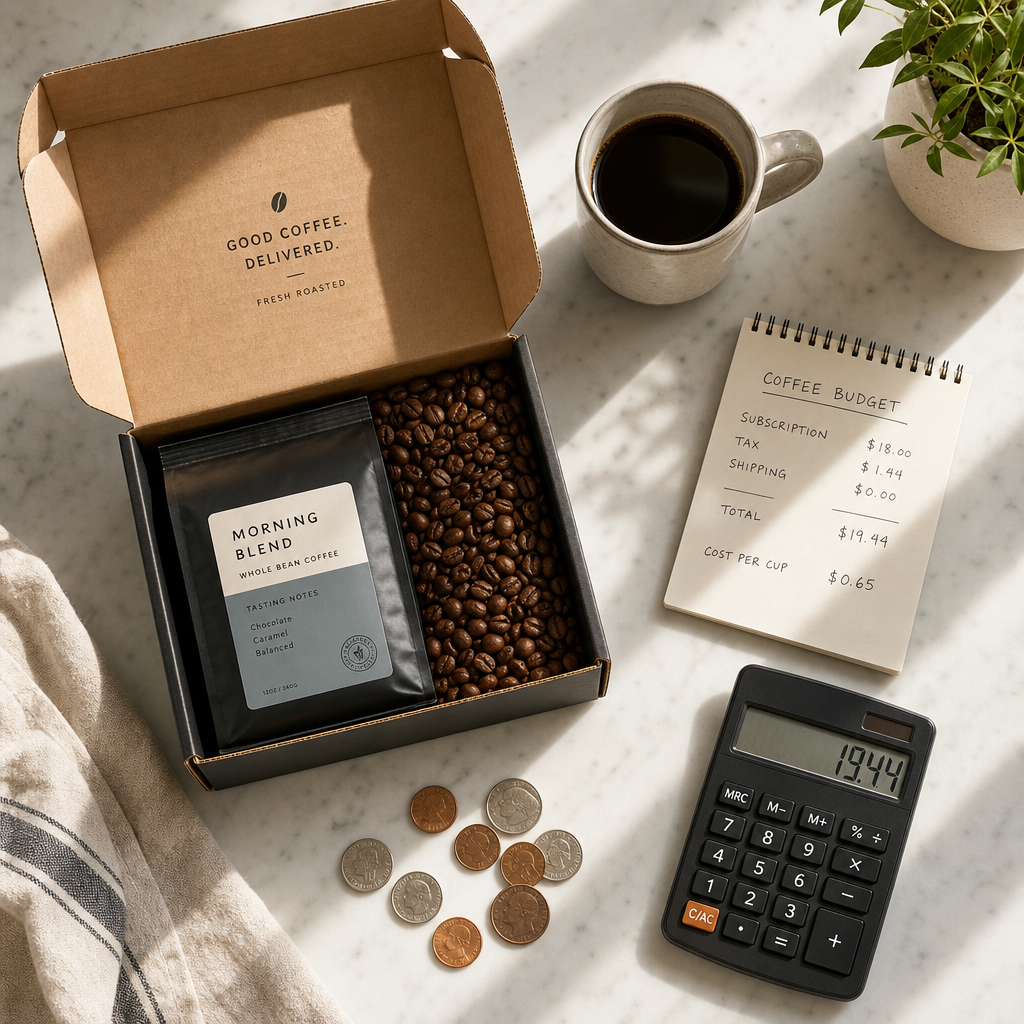
A coffee subscription is a recurring delivery arrangement where you commit to receiving a set quantity of coffee at regular intervals, usually every two, four, or six weeks.
In return, you typically receive a discount, priority dispatch, and sometimes access to exclusive blends or early releases. The roastery roasts and ships your coffee fresh to order rather than fulfilling it from pre-roasted stock sitting in a warehouse.
In practice, the best subscriptions are flexible. You can adjust frequency, pause deliveries, or swap between blends without penalty. A rigid subscription that locks you into a fixed product every month is a legacy model that serious roasters have largely moved away from.
Farrer's, as the UK's oldest coffee roaster, offers exactly this kind of flexibility. Orders over £35 are dispatched next day, which means a subscription structured around that threshold gives you both freshness and free delivery without compromise. The model works because the roastery controls the entire process from roasting to packing to dispatch.
What You Actually Commit To
Committing to a subscription does not mean surrendering choice. Most quality roasters allow you to rotate between blends, choose grind size, and set your own delivery cadence. The commitment is to the roaster, not to a single product.
That distinction matters because it means you can explore the full range of a roastery's offering while still receiving the pricing benefit of a loyal, recurring customer.
Pro tip: Set your subscription delivery frequency based on your actual weekly consumption, not your aspirational consumption. If you realistically drink 250g per week, order 500g every two weeks, not 1kg every month. Stale coffee is the most common complaint from new subscribers and it is almost always a self-inflicted sizing error.
Buying As You Go: The Case for Flexibility
Buying coffee as you need it has a genuine appeal. You are not locked into anything, you can respond to mood or occasion, and you avoid the psychological friction of a recurring charge on your bank statement. For someone who drinks coffee occasionally or whose consumption varies significantly week to week, this approach can be genuinely more practical.
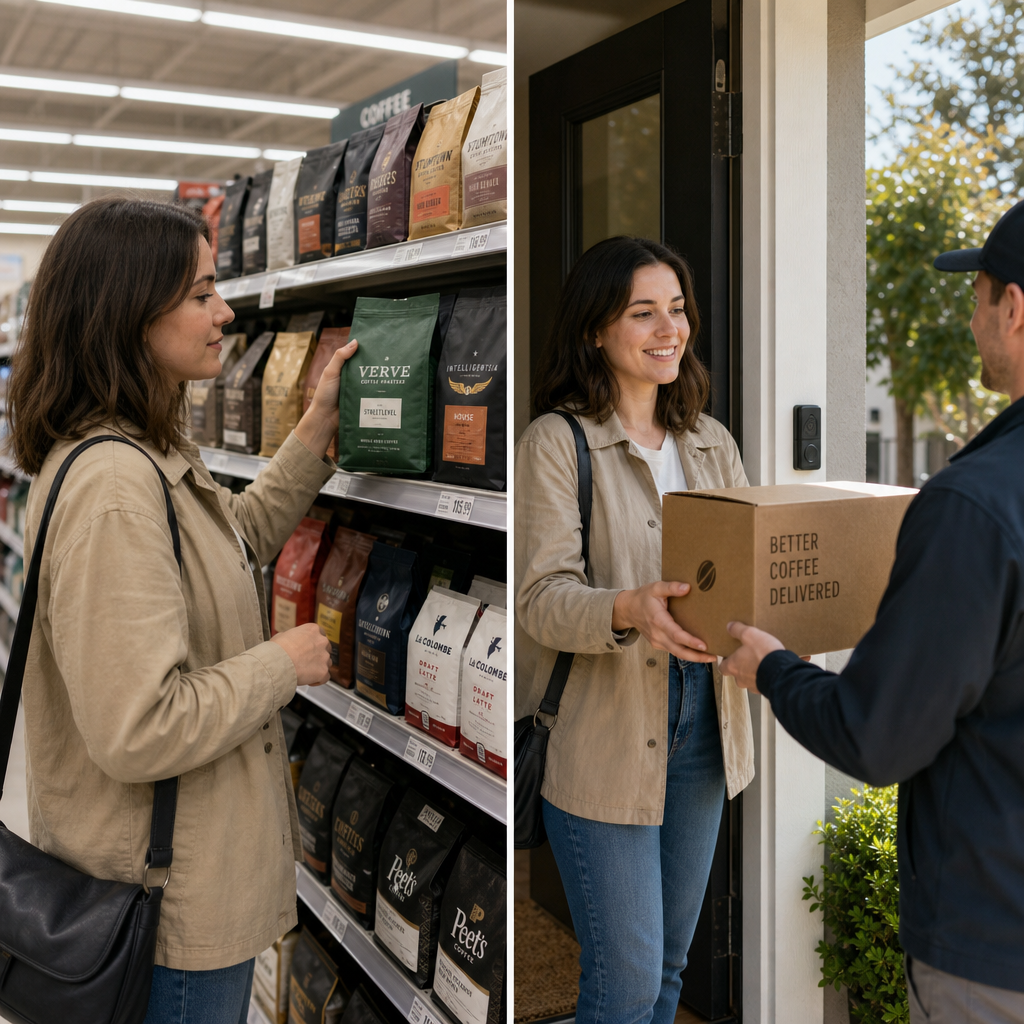
The problem is that the freedom of ad-hoc buying comes with a set of hidden costs that most people do not account for. The most significant is the freshness penalty. When you run out of coffee and need to buy quickly, you rarely seek out the best option. You buy the closest or most convenient option, which in the UK usually means a supermarket shelf product that was roasted months ago.
When Ad-Hoc Buying Makes Sense
Ad-hoc buying is genuinely the better choice in a few specific situations. If you travel frequently and your coffee consumption at home is unpredictable, a subscription will create waste. If you are still exploring different roasters and blends and want maximum variety without commitment, buying individual bags gives you that freedom. If your budget fluctuates significantly month to month, the flexibility of buying only when you can afford to is a real financial consideration.
The key is being honest about whether your flexibility is a genuine lifestyle requirement or a rationalisation for avoiding commitment. Most regular coffee drinkers who claim they need flexibility are actually just creatures of habit who could easily predict their monthly consumption.
The Real Cost Comparison: Subscriptions vs Ad-Hoc Buying
Here is where the numbers matter. According to Statista, the UK coffee market is worth over £1.4 billion annually at retail level, and the average UK household spends around £200 per year on coffee. That is a meaningful enough budget to make a 15 percent saving worth optimising for.
"Subscription commerce has grown by over 435 percent in the last nine years, driven primarily by the perception of savings and convenience." - McKinsey and Company, Subscription Economy Report
A typical 250g bag of quality freshly roasted coffee from a UK roastery retails at around £8 to £12. A subscription to the same coffee often brings that down to £7 to £10. Over twelve months for a household drinking two bags per month, that is a saving of £24 to £48 per year before factoring in delivery costs.
The Delivery Cost Factor
This is where subscriptions pull further ahead. Farrer's offers next-day dispatch on orders over £35. A household ordering £35 worth of coffee every four weeks pays zero delivery costs on a subscription. The same household buying as they go, in smaller, more frequent orders under that threshold, pays delivery fees that can easily add £30 to £50 per year to their coffee spend.
When you combine the per-unit discount with the elimination of delivery fees, the annual saving from a well-structured subscription versus undisciplined ad-hoc buying is typically £60 to £100 for a two-person household. That is not a life-changing sum, but it buys you four to eight extra bags of premium coffee per year.
The Supermarket Comparison
Comparing subscriptions to supermarket coffee is where the calculation becomes more complex. A 227g tin of a popular supermarket coffee brand costs around £4 to £5, which looks cheaper at face value. But the roast date on that tin is often six to twelve months old.
The flavour yield per gram is significantly lower, meaning you use more to achieve the same cup strength. When you factor in extraction efficiency, a freshly roasted specialty coffee from a roastery subscription often costs the same or less per enjoyable cup than stale supermarket coffee.
Freshness and Quality: Where Subscriptions Win Outright
This is not a marginal difference. Freshly roasted coffee contains volatile aromatic compounds that dissipate rapidly after roasting. The Specialty Coffee Association has documented that coffee is at peak flavour between four days and three weeks after roasting, depending on the bean. Most supermarket coffee has already passed this window before it even reaches the shelf.
A roastery subscription from a producer like Farrer's means your coffee is roasted, hand-packed, and dispatched within 48 hours. When it arrives at your door, it is actively degassing, a sign that the coffee is genuinely fresh. That is a qualitatively different product from anything sitting in a retail environment.
The Roastery Delivery Model vs Retail
The roastery delivery model removes every stage of the supply chain that degrades coffee quality. There is no distributor warehouse, no retailer stock room, no prolonged shelf exposure. The coffee travels directly from the roaster to your home. For serious coffee drinkers, this is not a luxury. It is the baseline expectation.
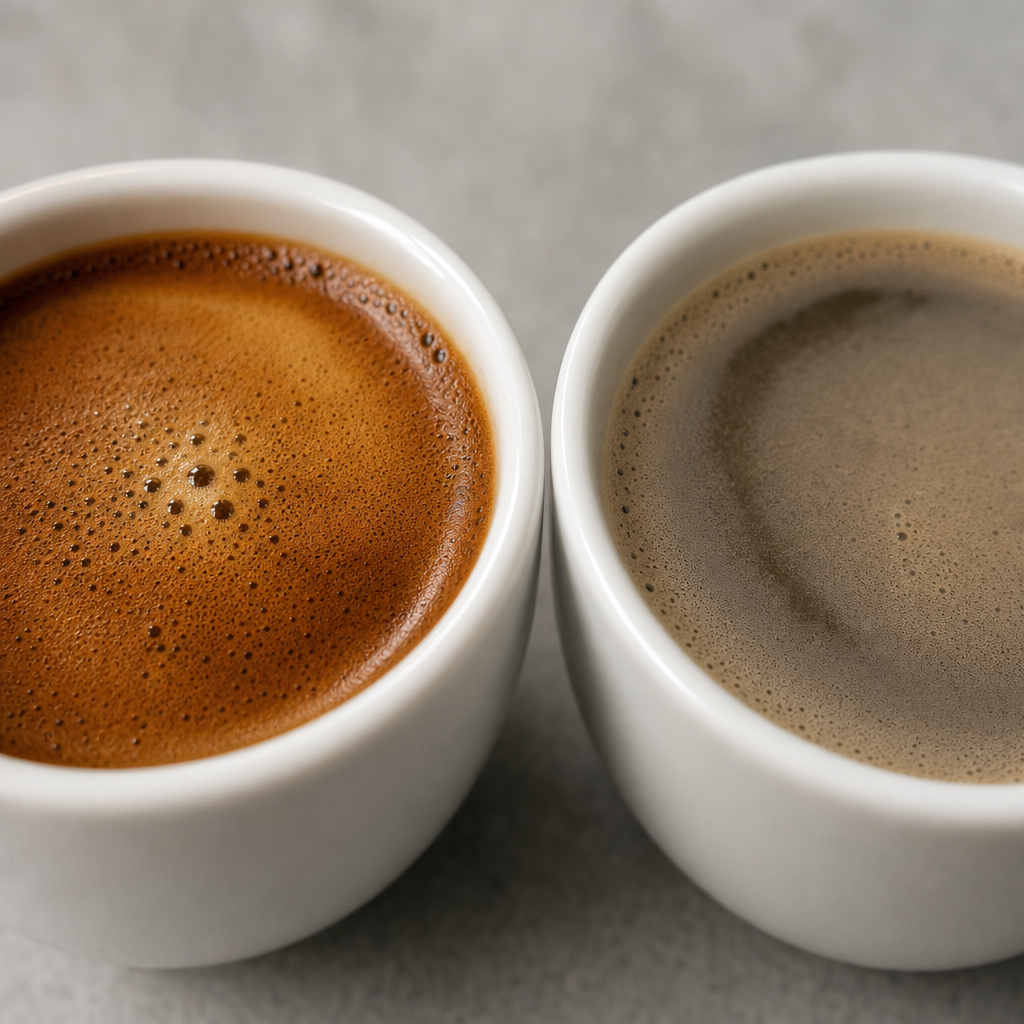
In practice, the difference is immediately noticeable if you run a direct comparison. Brew the same origin coffee bought from a supermarket against the same or comparable coffee from a roastery subscription delivered within the week. The difference in aroma, body, and clarity of flavour is significant enough that most people who make this comparison never go back to retail.
Pro tip: When you receive a freshly roasted subscription delivery, rest whole beans for four to seven days before brewing espresso. The degassing process affects extraction pressure in espresso specifically. For filter and cafetiere, you can brew almost immediately with excellent results.
Who Should Subscribe and Who Should Not
The honest answer is that most regular coffee drinkers should subscribe. If you drink coffee daily and have a preferred brewing method, a subscription will save you money, guarantee freshness, and remove the administrative friction of remembering to reorder.
The exceptions are real, though. Occasional drinkers, those who are actively exploring different roasters, and households where consumption is highly unpredictable are better served by buying as they go. The waste risk for these groups outweighs the discount benefit.
Trade and Hospitality Buyers
For cafes, restaurants, and hospitality businesses, the calculus is entirely different. A subscription or standing order arrangement with a roastery is almost always the superior choice. Volume discounts, consistent supply, and priority dispatch are all significant operational advantages.
Farrer's serves trade customers alongside home enthusiasts, and the trade case for subscription is even stronger than the home case. Running out of coffee service in a cafe because you did not plan your ad-hoc order in time is a far more expensive problem than any subscription discount solves.
The Roastery Delivery Advantage
The phrase roastery delivery describes a specific supply chain model that has distinct advantages over retail distribution. When a roastery dispatches directly to the consumer, the freshness window is preserved. When a retailer stocks coffee, that window is largely consumed before the product reaches the buyer.
Farrer's operates from the Lake District, roasting in small batches and dispatching hand-packed orders with next-day delivery on qualifying orders. That combination of small-batch roasting and direct dispatch is the core of what makes a roastery subscription different from simply automating your supermarket purchase.
The Lake District location is not incidental. Farrer's has been roasting there for over 200 years, which means the craft knowledge embedded in their roasting profiles is genuinely deep. That expertise does not transfer to a mass-market roasting facility producing millions of units for retail distribution.
Subscription vs Ad-Hoc vs Supermarket: Side-by-Side
| Factor | Roastery Subscription (e.g. Farrer's) | Ad-Hoc Roastery Buying | Supermarket Purchase |
|---|---|---|---|
| Typical price per 250g | £7 to £10 with discount | £8 to £12 full price | £4 to £6 retail |
| Freshness at point of use | Roasted within 48 hours of dispatch | Roasted within 48 hours of dispatch | Roasted 3 to 12 months prior |
| Delivery cost | Free on qualifying orders (e.g. over £35) | Paid unless order meets threshold | Included in in-store trip cost |
| Consistency of supply | Automatic, no reorder friction | Manual, risk of running out | Manual, dependent on stock availability |
| Blend variety access | Full roastery range, often with subscriber exclusives | Full roastery range on demand | Limited to retailer's selection |
| Best suited for | Daily drinkers, trade buyers, quality-focused households | Explorers, occasional buyers, gift purchases | Very occasional drinkers, emergency top-ups |
Frequently Asked Questions
How much does a coffee subscription in the UK typically cost?
A quality coffee subscription in the UK typically ranges from £8 to £15 per 250g bag, depending on the roaster and blend. Subscribers usually receive a discount of 10 to 20 percent compared to the standard retail price. Farrer's structures its offering so that orders over £35 qualify for next-day free dispatch, which is easily achievable on a monthly subscription for most households.
Is freshly roasted coffee worth the extra cost compared to supermarket brands?
Yes, and the value argument is stronger than the price comparison suggests. Freshly roasted coffee extracted correctly delivers more flavour per gram than stale supermarket coffee, meaning you use less to achieve the same result. When you calculate cost per satisfying cup rather than cost per gram, freshly roasted specialty coffee is often comparable to or cheaper than mass-market alternatives. The sensory difference is also significant enough that most people who switch rarely return.
Can I pause or cancel a coffee subscription if my consumption changes?
Most reputable roastery subscriptions, including those from quality UK roasters, allow pausing or cancelling without penalty. The key is to read the terms before committing. A subscription that requires a minimum term or charges a cancellation fee is not the standard model among quality independent roasters. If a subscription feels inflexible, that is a signal about the roastery's customer relationship priorities, not about subscriptions as a category.
How do I know what subscription frequency to choose?
Calculate your actual consumption rather than estimating it. Count the bags you go through in a typical month, then add a small buffer for guests or high-consumption periods. For a household drinking two cups per person per day using a cafetiere, a 500g bag typically lasts ten to fourteen days. A fortnightly 500g delivery is the most common starting point for two-person households. Adjust after the first delivery based on how much you have left when the next one arrives.
Do coffee subscriptions work for cafes and restaurants?
Subscriptions and standing orders are particularly well-suited to trade buyers. A cafe using 5kg of coffee per week needs consistent, predictable supply above everything else. A subscription or regular trade account with a roastery guarantees volume pricing, priority roasting slots, and eliminates the risk of running out during a busy service period. Farrer's serves trade customers directly, which means the same freshness and dispatch standards that apply to home orders apply to commercial ones too.
What is the difference between a roastery delivery service and buying from a coffee retailer?
A roastery delivery service ships coffee directly from the roaster to the customer, often within 24 to 48 hours of roasting. A retailer, whether online or physical, holds pre-roasted stock that may be days, weeks, or months old by the time it reaches you. For coffee, that distinction has a direct impact on flavour quality. The roastery delivery model is not a marketing concept. It is a supply chain difference with measurable outcomes in the cup.
Have you switched between a subscription and buying as you go? Share what made the difference for you and whether the savings matched your expectations.
References
- Statista: Consumer spending data and market size figures for the UK coffee sector
- McKinsey and Company: Research on the subscription economy and consumer savings behaviour
- Forbes: Analysis of direct-to-consumer subscription models and their financial impact on buyers
- HubSpot: Consumer behaviour research on recurring purchase preferences and loyalty patterns
- UK Food Standards Agency: Guidance on food storage, freshness, and quality standards relevant to roasted coffee


