

Most coffee brands struggle to survive their first decade. Farrer's of Kendal has been roasting since 1819, making it the UK's oldest coffee roaster by a margin that no marketing budget can replicate. That is not a claim built on loose archival records. It is a provable, documented lineage stretching across two centuries of British commercial history, through wars, economic collapses, and more coffee trends than most companies will ever witness. If you follow artisan coffee on social media and you have not yet encountered the Farrer's story, this is the article that fills that gap. It is a story about place, philosophy, and the practical reasons why heritage roasting still matters to every cup you drink.
Table of Contents
- Quick Takeaways
- The 1819 Founding: What That Date Actually Means
- Why Kendal and the Lake District? Geography as a Roasting Advantage
- How Farrer's Has Stayed Relevant Across Two Centuries
- Hand-Packing and Small-Batch Roasting: What It Changes in the Cup
- Heritage vs. Modern Specialty: A Direct Comparison
- What Farrer's Offers Today: From Home Brewers to Trade Partners
- Frequently Asked Questions
- References
Quick Takeaways
| Key Insight | Explanation |
|---|---|
| Founded in 1819 in Kendal | John Farrer began trading in Kendal's Stricklandgate before Queen Victoria was born. No other active UK coffee roaster can claim an earlier unbroken start date. |
| Lake District location is not incidental | Kendal sits at the southern gateway to the Lake District. The cooler, low-pollution air of Cumbria reduces oxidative stress on freshly roasted beans during the critical cooling and packing stages. |
| Blends refined across generations, not seasons | Original recipes, including some of Farrer's best-loved blends, have been handed down through generations and refined over time rather than reinvented for each new marketing cycle. |
| Hand-packing preserves freshness | Each bag is individually weighed, filled, and sealed by a Farrer's team member. This reduces the time between roasting and sealing, preserving CO2 and aromatic compounds that automated volumetric lines cannot protect at the same level. |
| Serves both home and trade customers | The same Lake District roastery supplies cafes, restaurants, and hospitality businesses alongside home subscribers. Trade partners receive menu advice, equipment guidance, and certified barista training. |
| A team with four master roasters | Farrer's team of 16 includes four master roasters, many of them from in and around Kendal, bringing genuine local knowledge and craft expertise rather than imported corporate standardisation. |
| Heritage that third-wave brands cannot replicate | Newer UK specialty roasters were almost all founded in the last 20 to 30 years. Farrer's has been refining sourcing relationships and blend profiles for over 200 years. That institutional knowledge has a practical value no rebrand can shortcut. |
The 1819 Founding: What That Date Actually Means
Farrer's opened on Stricklandgate in Kendal in 1819. To put that in context: Queen Victoria had not yet been born, the British coffee house as a social institution was already beginning its long decline, and the industrial revolution was still reshaping the country's towns and trading networks. That the business not only survived that period but grew through it says something important about the product and the people behind it.
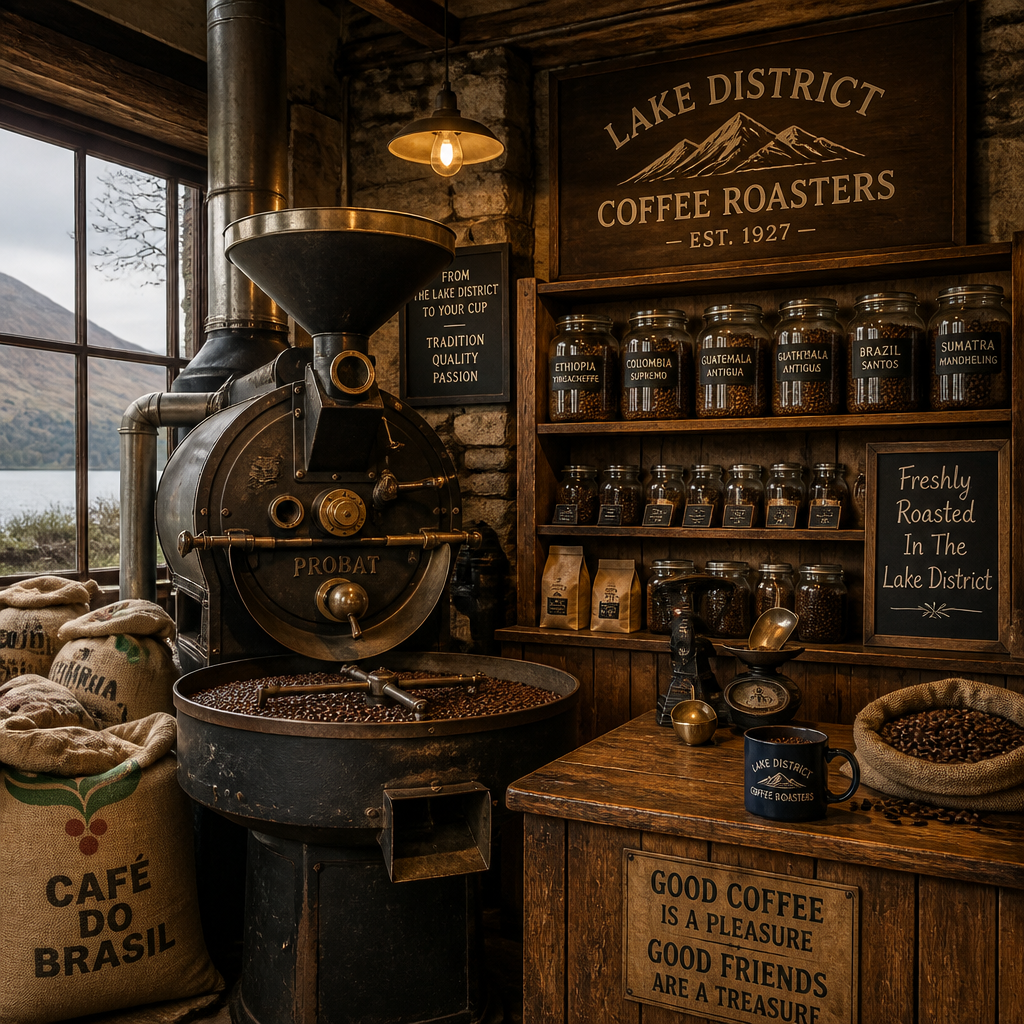
What began as a small shop roasting and blending on Stricklandgate grew alongside the town itself, serving locals, traders, and travellers passing through the Lake District. The original premises were not just a retail outlet. They were a roastery, a tasting space, and a community fixture. Customers trusted the Farrer's name because they could see the process directly. Roasting happened on site, the aromas were unmistakable, and the product was demonstrably fresh. That transparency was not a marketing strategy at the time. It was simply how the business operated.
The Farrer's name has passed through multiple ownership transitions over the decades while maintaining the Kendal roastery as its operational and spiritual home. That geographical consistency is rarer and more significant than it sounds. The Lake District location shaped the brand's identity, its customer relationships, and its operational rhythms in ways that could not be easily recreated elsewhere. Moving a heritage roastery to a cheaper industrial estate in the Midlands would have preserved the ovens but destroyed the thing that made the coffee meaningful.
Being founded in 1819 is not merely a date to print on packaging. It means navigating more economic cycles, consumer behaviour shifts, and supply chain disruptions than any currently operating competitor in the UK coffee industry. That accumulated experience has a practical value that compound interest cannot replicate.
Pro tip: If you follow specialty coffee and find yourself drawn to brands that talk about "craft" and "origin," ask yourself how long they have actually been doing it. Farrer's answer to that question is 1819. Most newer roasters, however excellent, are still building the sourcing relationships and blend knowledge that Farrer's has been refining for generations.
Why Kendal and the Lake District? Geography as a Roasting Advantage
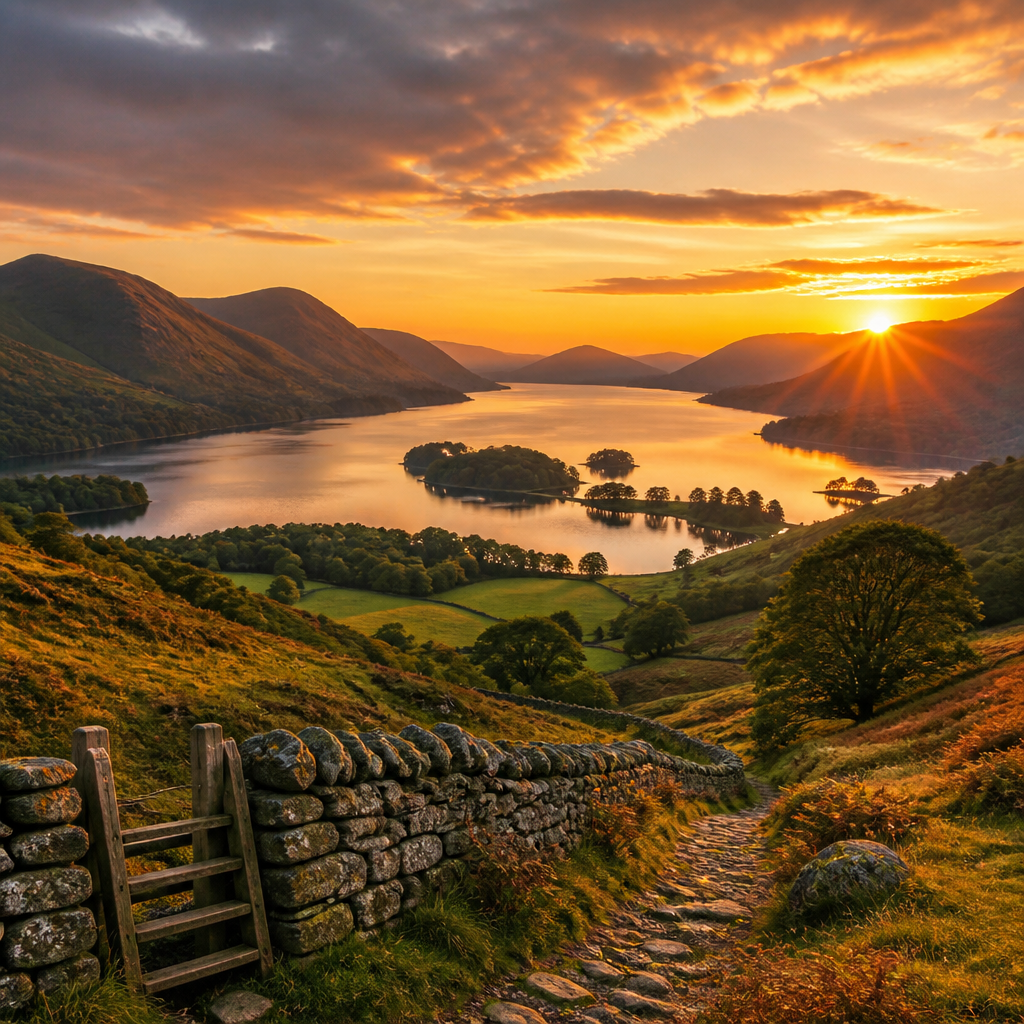
Kendal's position as a market town on major trading routes made it a natural home for a merchant like John Farrer. Goods moved through Kendal, and a skilled merchant could access quality raw materials that more isolated towns could not. That commercial geography gave Farrer's early access to quality green coffee at a time when sourcing was far less systematic than it is today.
The environmental advantage of the Lake District location goes beyond history. Kendal sits at the southern gateway to the Lake District, and the ambient conditions inside a roastery directly affect the post-roast stabilisation of coffee. The relatively cool, low-pollution air of Cumbria reduces the oxidative stress on freshly roasted beans compared to an urban roastery in a city like London or Manchester.
In practice, roasteries in dense urban environments deal with higher ambient temperatures and particulate air quality that can accelerate staling. A roastery in a rural setting like Cumbria holds a measurable environmental advantage during the cooling and packing stages, when beans are at their most chemically active. This is not a romantic notion about countryside air. It is a practical quality argument.
The Lake District connection also creates a sustained marketing flywheel that newer brands cannot manufacture. Visitors to the region encounter Farrer's through local cafes and accommodations, then become direct online customers when they return home. That kind of organic brand exposure takes generations to build. A common mistake among newer specialty roasters is assuming that paid social media can replicate what a 200-year regional presence delivers in terms of customer trust and repeat purchasing.
How Farrer's Has Stayed Relevant Across Two Centuries
Staying relevant for 200 years requires something more disciplined than nostalgia. Farrer's has outlasted the Victorian coffee house craze, the instant coffee revolution of the mid-20th century, the third-wave specialty movement, and the current flat white obsession. Each of those shifts could have ended the business. None of them did.
Adapting Without Abandoning Core Values
Farrer's has never chased every trend, but it has never ignored the market either. The addition of brewing equipment, barista training programmes, and roastery experience days represents exactly the kind of considered expansion that keeps a heritage brand relevant without losing its core identity. These are not gimmicks. They are logical extensions of a roastery that has always been about education as much as product.
The specialty coffee movement created both a challenge and an opportunity for established roasters. The challenge was that younger consumers, trained by brands like Origin Coffee to expect detailed tasting notes and single-origin traceability, might find traditional British roasters old-fashioned. The opportunity was that genuine heritage, when communicated clearly, is exactly what that same audience craves. Farrer's response was to maintain its core blends while expanding into single origins and more transparent sourcing.
Blends That Outlast Trends
Original recipes, including some of Farrer's most popular blends, have been handed down through generations and refined rather than replaced. That continuity produces a consistency that newer roasters are still working toward. When a customer orders the Westmorland Blend today, they are drinking something with a flavour lineage that predates most living coffee brands by decades.
Pro tip: For cafes and hospitality businesses looking to differentiate their coffee offer, putting a 200-year heritage story behind your house blend is a credibility signal that a newer roaster simply cannot provide. Farrer's trade programme is built precisely for this: supplying the product, the training, and the story in one package.
Hand-Packing and Small-Batch Roasting: What It Changes in the Cup
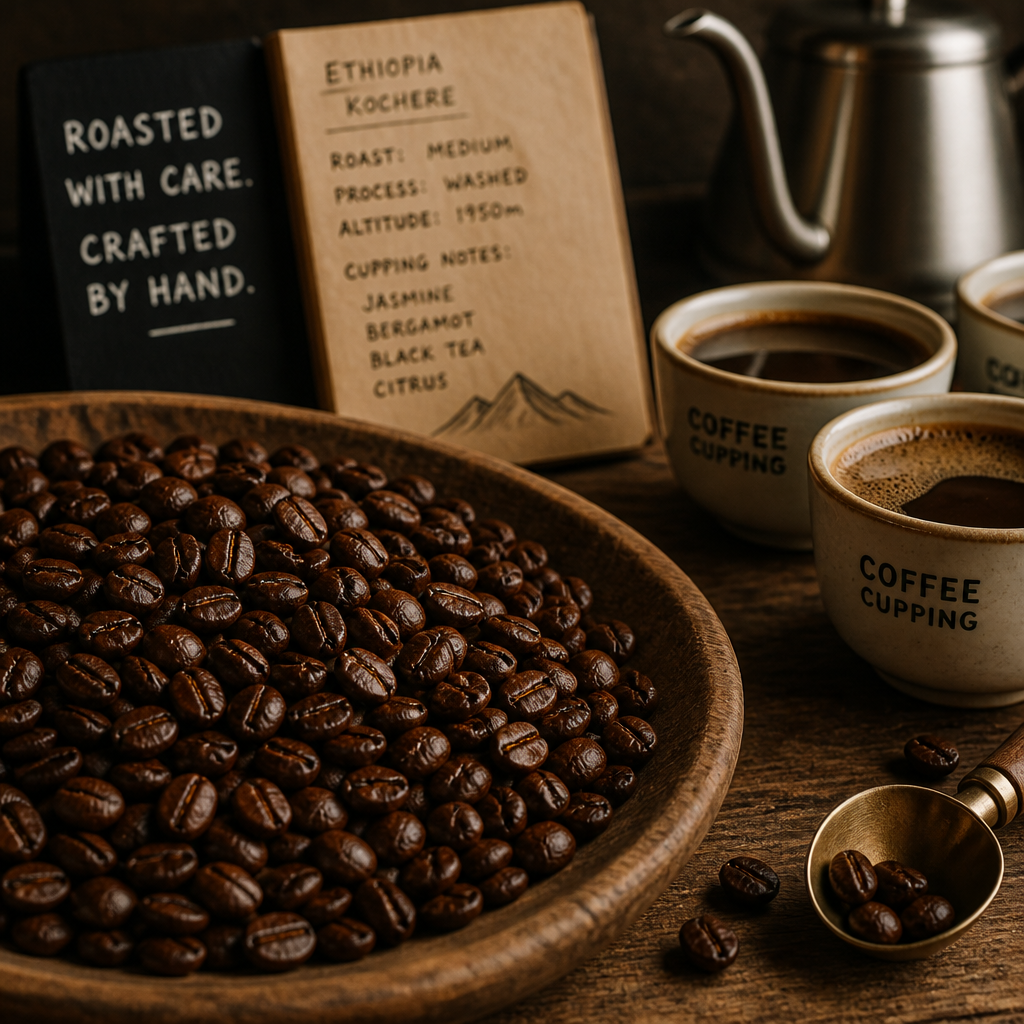
Farrer's still hand-packs its coffee and still roasts in small batches. These are not heritage affectations. They are practical quality decisions with direct consequences for what ends up in your cup.
Hand-packing means individual staff members weigh, fill, and seal each bag rather than an automated volumetric line doing so. The practical benefit is reduced dwell time between roasting and sealing, which preserves CO2 and aromatic compounds that are lost when coffee sits in bulk before being processed through an automated system. It also allows for quality checks at the point of packing that automated lines cannot replicate at the same granularity.
Small-batch roasting gives the team at Farrer's control over roast profiles that large-volume operations sacrifice for throughput. When you roast in considered batches, you can adjust for the specific characteristics of each green coffee rather than applying a standardised profile to every origin. This is how Farrer's has maintained blend consistency across generations: not through rigid automation, but through skilled, attentive human oversight at every stage.
The result is coffee dispatched the next working day on qualifying orders. Beans are packed quickly after roasting so the flavour in your cup is as fresh as the day it left Kendal. That is not a promise a large industrial roaster relying on extended warehousing can credibly make at the same level.
Heritage vs. Modern Specialty: A Direct Comparison
It is worth being direct about how Farrer's sits relative to the modern specialty coffee conversation. The UK specialty scene is dominated by brands founded in the last two to three decades, many of them London-based or marketing heavily to urban audiences. That is not a criticism of those roasters. It is simply a fact that shapes how you should read heritage claims in this category.
| Attribute | Farrer's (Est. 1819) | Typical Third-Wave Specialty Roaster (Est. 2000s-2010s) |
|---|---|---|
| Years of roasting | Over 200 years, continuous operation | Typically 10 to 25 years |
| Roasting approach | Small-batch, hand-packed, Lake District roastery | Varies, often small-batch but urbanised supply chains |
| Blend heritage | Recipes refined across generations, original lineage documented | Blend profiles developed within the business's own lifetime |
| Trade offering | Full trade programme: supply, equipment, training, accredited barista qualifications | Trade supply usually available, training varies by brand |
| Regional identity | Deep roots in Kendal and the Lake District, genuine local heritage | Often urban-centric or regionally neutral in positioning |
| Customer trust signal | 200-year provenance, 4.9/5 verified customer rating | Trust built on recent reviews, social proof, and competition results |
The comparison is not about which approach makes better coffee on any given day. It is about what different types of credibility mean to different buyers. For a home enthusiast who cares about the story behind what they drink, Farrer's heritage is genuinely irreplaceable. For a trade buyer who wants a supplier with the depth to support their entire drinks operation, including training, equipment, and blend consistency, Farrer's 200-year track record is a meaningful differentiator.
What Farrer's Offers Today: From Home Brewers to Trade Partners
The business that John Farrer started in 1819 now operates a modern roastery on the edge of Kendal, serves customers across the UK, and runs a trade programme designed for cafes, restaurants, and hospitality businesses. That evolution from a single shop on Stricklandgate to a national e-commerce operation is itself a story of sustained relevance.
For Home Coffee Enthusiasts
From time-honoured house blends to seasonal specials and single origins, the range brings together over 200 years of roasting expertise. Coffee subscriptions mean your chosen blends arrive when you need them, with next-day dispatch on orders over £35 keeping the pipeline fresh. The roastery experience day is a particular draw for anyone who wants to move beyond social media content and actually understand how green coffee becomes a beautifully roasted bean. On the day, you are guided through the roastery, learn about how coffee is grown, processed, and harvested, experience the roasting process firsthand, and create a personal blend to take home.
For Trade and Hospitality Partners
Displaying the Farrer's name on a menu or machine puts a 200-year story behind every cup, and that is a credibility signal customers notice. The trade programme covers everything a professional drinks operation needs: classic blends, single origins, and specialty coffees roasted to cut through milk; equipment supply, servicing, and maintenance; and barista training from a practical half-day introduction right through to fully accredited one-day and three-day qualifications recognised by the Beverage Standards Association.
Trade partners also receive dial-in support and menu advice. Whether a business is opening its first site or refreshing an established coffee offer, Farrer's provides the operational depth that a newer, smaller roaster typically cannot match. The training centre is based at the Kendal roastery, with on-site delivery also available for businesses that need team training without the travel.
Frequently Asked Questions
Is Farrer's really the UK's oldest coffee roaster?
Yes. Farrer's was established in Kendal in 1819 and has operated continuously since then, making it the oldest active coffee roastery in the UK by a significant margin. That longevity is verifiable through historical records and the company's documented history. John Farrer himself began trading in Kendal that year, and the business has maintained its Lake District base ever since.
Where exactly is Farrer's based?
Farrer's is based in Kendal, a market town at the southern gateway to the Lake District in Cumbria. What began as a shop on Stricklandgate in 1819 is now a modern roastery on the edge of Kendal, operating as both a working production facility and a barista training centre.
What makes Farrer's coffee different from other artisan roasters?
The combination of 200-plus years of continuous roasting heritage, small-batch production, hand-packing, and a team of four master roasters based in Kendal sets Farrer's apart. Blend recipes have been refined across generations, not just seasons. The Lake District environment also provides cooler, lower-pollution air during the critical post-roast cooling and packing stages, which reduces oxidative stress on freshly roasted beans.
Does Farrer's supply trade customers like cafes and restaurants?
Yes. Farrer's serves cafes, restaurants, and hospitality businesses through the same roastery that supplies its home customers. The trade programme includes coffee and tea supply, equipment servicing, and certified barista training accredited by the Beverage Standards Association, ranging from a half-day introduction to a full three-day qualification. Trade partners also receive ongoing dial-in support and menu advice.
Can I visit the Farrer's roastery?
Yes. Farrer's offers roastery experience days at its Kendal site. The experience covers the history of the business from 1819, the full roasting process from green coffee to roasted bean, cupping sessions with coffees from around the world, and the chance to create a personal blend to take home. Barista training courses are also run at the roastery for both home enthusiasts and trade teams.
How fresh is the coffee when it arrives?
Farrer's dispatches the next working day on orders over £35, and beans are packed quickly after roasting. Hand-packing reduces the dwell time between roasting and sealing, which preserves CO2 and aromatic compounds more effectively than automated bulk-processing lines. The result is that coffee arrives in noticeably fresher condition than products that have been warehoused for extended periods before dispatch.
How does Farrer's compare to newer specialty roasters like Origin Coffee?
Origin Coffee and similar third-wave roasters have built strong reputations on single-origin traceability and detailed tasting notes, and they make excellent coffee. The difference is one of depth and duration. Farrer's has been refining sourcing relationships and blend profiles for over 200 years. Most artisan brands in the current specialty wave were founded in the last 20 to 30 years. For buyers who want institutional knowledge, proven consistency, and a heritage story that holds up under scrutiny, Farrer's occupies a position no newer roaster can currently reach.
If you have tried Farrer's coffee at home or encountered it through a Lake District cafe, share which blend caught your attention and whether the freshness made a noticeable difference compared to what you were drinking before.
We would love your feedback and any insights you would share with others. What perspective would you add?
References
- Visit Lake District listing for John Farrer and Co., covering the roastery's history and team in Kendal
- Farrer's blog post on 207 years as the UK's oldest coffee roaster and how the business has outlasted every coffee trend
- Farrer's guide to the Kendal roastery process, covering hand-packing, small-batch roasting, and the Lake District environmental advantage
- Farrer's roastery experience day page, detailing what visitors learn from the 1819 founding to the modern roasting process


