

Pick up two bags from Farrer's roastery and you are already confronted with a choice that trips up plenty of coffee drinkers: the reassuring consistency of a house blend coffee, or the vivid, location-stamped character of a single origin.
Most people default to one without ever consciously deciding. That is a mistake, because the two styles are genuinely different tools, and buying the wrong one for your brewing method, your palate, or your kitchen routine produces a worse cup every single morning.
This guide uses Farrer's own range, roasted in small batches in Kendal at the gateway to the Lake District, to help you make that choice deliberately.
Table of Contents
- Quick Takeaways
- What Is a House Blend Coffee?
- What Is Single Origin Coffee?
- Flavour Profiles Compared
- Brewing Method Matters
- Blends vs. Single Origins: Side-by-Side
- Choosing by Occasion and Habit
- What Farrer's 200 Years of Blending Actually Means
- Frequently Asked Questions
- References
Quick Takeaways
| Key Insight | Explanation |
|---|---|
| House blends are built for consistency | Roasters combine beans from multiple origins so the flavour profile stays the same cup after cup, harvest after harvest, regardless of seasonal variation in any single crop. |
| Single origins tell a specific story | A single origin coffee comes from one farm, cooperative, or defined region. Its flavour reflects the soil, altitude, processing method, and harvest of that place, nothing more. |
| Blends generally perform better in espresso and milk drinks | The rounded, lower-acid character of a well-designed blend cuts through steamed milk cleanly. Single origins can work in espresso but require precise dialling-in. |
| Single origins suit filter and pour-over best | Filter methods highlight origin character. The slower extraction lets floral, fruity, or complex notes come through without being muted by pressure or milk. |
| Farrer's No.1 Blend is the ideal starting point | With notes of chocolate, nuts, and a gentle citrus lift, it is deliberately designed for everyday enjoyment across multiple brew methods, making it the lowest-risk first bag. |
| Price difference is real but not the full story | Single origins typically cost more per bag because sourcing from one specific farm is logistically harder. The higher price reflects traceability, not necessarily a better cup for your setup. |
| For trade buyers, blends offer operational reliability | Cafes and hospitality businesses need a coffee that tastes the same in January as it does in August. Heritage blends from a roaster like Farrer's are engineered for exactly that reliability. |
What Is a House Blend Coffee?
A house blend coffee is a recipe. The roaster combines beans sourced from two or more origins, often from different countries or growing regions, to hit a target flavour profile that stays stable across seasons.
When one origin has a poor harvest or the character of a crop shifts slightly year to year, the blend formula can be adjusted behind the scenes without the drinker ever noticing a change in the cup.
This is not a shortcut or a compromise. Designing a great blend requires a different and arguably more complex skill than selecting a single exceptional lot. The roaster has to understand how beans from Central America interact with beans from Asia or East Africa when roasted together, or roasted separately and combined at different ratios.
At Farrer's, that knowledge has been built and refined over more than 200 years of buying, roasting, and blending at their roastery in Kendal. Some of the blend formulas in use today trace their lineage back through multiple generations of refinement.
The result is a coffee that is predictable in the best possible sense. You know what you are getting before the kettle boils.
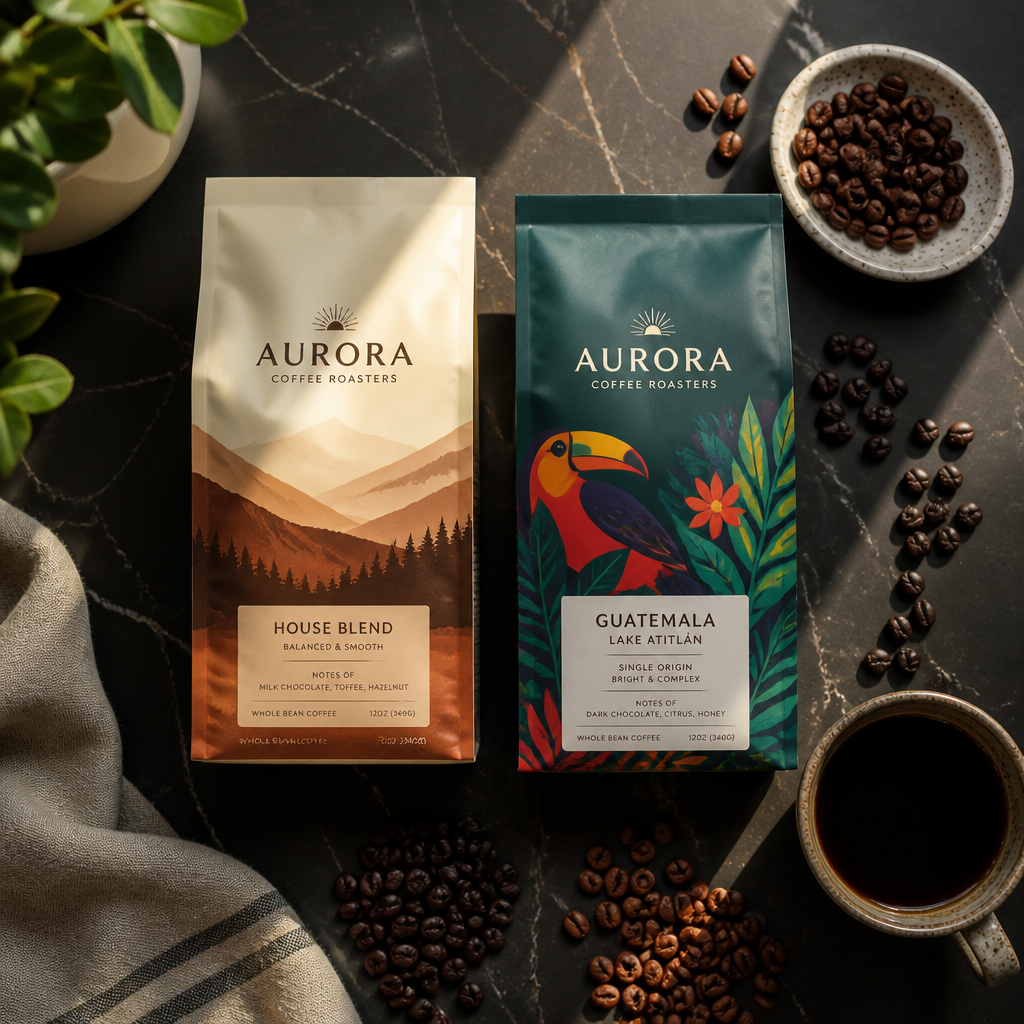
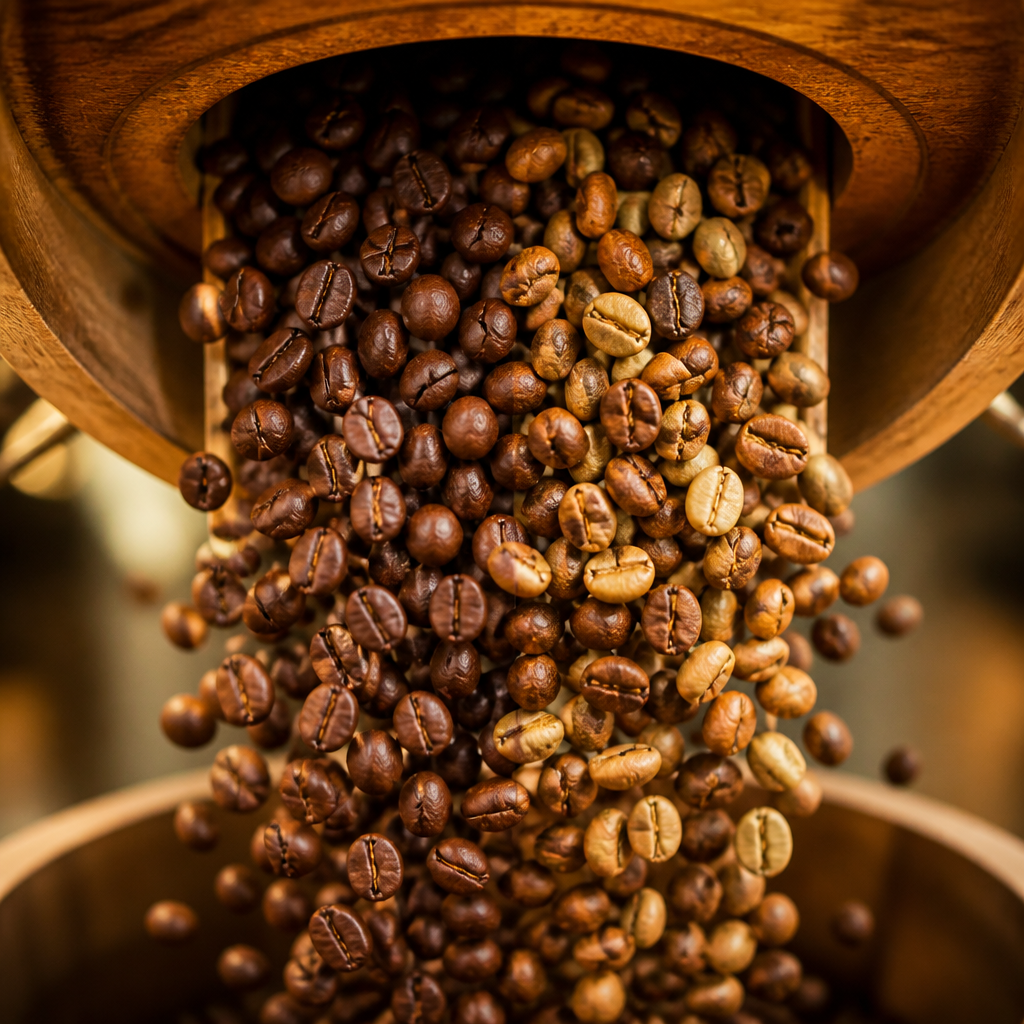
What goes into a Farrer's house blend?
Farrer's No.1 Blend is built from fine Arabica beans sourced from trusted growers across South and Central America and Asia, roasted in small batches in Kendal. The result is a well-rounded body with notes of chocolate, nuts, and a gentle citrus lift. It is smooth, satisfying, and deliberately accessible, meaning it works whether you are using a cafetiere, a moka pot, or an espresso machine.
The Rich Blend takes a different approach: Arabica beans from Guatemala and South America, roasted continental-style, producing dark chocolate character with a strong, full body and impactful acidity. It is designed specifically to cut through sweet steamed milk, which is why it appears on the menus of modern eateries and hospitality businesses that need espresso to hold its own in a flat white.
Pro tip: If you are new to Farrer's, start with the No.1 Blend before exploring single origins. The 200-plus years of blending expertise concentrated into that bag represents the institutional knowledge of the roastery. It is the best baseline from which to understand what Farrer's does well, and it will tell you a great deal about your own palate before you spend more on a single-origin lot.
What Is Single Origin Coffee?
A single origin coffee comes from one specific, identifiable source. That might be a single farm, a named cooperative, or a defined micro-region within a coffee-producing country. The point is traceability: you know exactly where this coffee grew, how it was processed, and often when it was harvested.
The flavour of a single origin is shaped by terroir, a term borrowed from wine. Altitude, soil composition, rainfall patterns, shade coverage, and post-harvest processing all leave a measurable imprint on the bean. A washed Ethiopian coffee from a high-altitude farm will taste fundamentally different from a natural-processed Brazilian coffee grown at lower elevation, and neither of those will taste like a Kenyan coffee processed through a wet mill. That difference is the point. Single origin coffee is an argument that place matters and that the cup is a direct expression of it.
The trade-off is that this character is seasonal. The same farm's coffee will taste slightly different from one harvest to the next. For some drinkers, that variation is interesting. For others, it is frustrating.
Single origin as a specialty coffee guide
If you are using a single origin as a way to explore the specialty coffee world, treat each bag as a lesson. Note the origin, the processing method (washed, natural, honey), and the roast level. Brew it the same way each time so you are comparing coffee variables, not brewing variables. Over three or four bags from different origins, you will build a real vocabulary for what you like, and that knowledge will make every subsequent coffee purchase, blend or single origin, sharper.
Farrer's offers both single origins and seasonal specials alongside their core blends, which means you can use one roaster to run that kind of comparison without switching suppliers. That consistency of roasting approach across different base materials is actually useful when you are trying to isolate origin character.
Flavour Profiles Compared
The flavour difference between a well-made blend and a well-chosen single origin is genuine and significant. Understanding it helps you buy the right coffee rather than the most-marketed one.
House blend coffees tend to lean toward chocolate, caramel, nuts, and rounded sweetness. The blending process averages out the sharp edges from any individual origin, producing a cup that is harmonious and approachable. This is not blandness. A great blend like Farrer's Rich Blend has real character: dark chocolate intensity, full body, and a lingering finish. But the character is engineered rather than discovered.
Single origin coffees are more likely to be brighter and more variable. A washed East African coffee might offer distinct floral or citrus notes. A natural-processed South American coffee might taste almost fruity, with berry-forward sweetness. These are not accidental qualities. They are the expression of a specific place and method, preserved by careful roasting that does not obscure them.
A single origin coffee tells you about a farm, a harvest, a place. A great blend tells you about a roaster's palate, their sourcing relationships, and their ability to engineer flavour under constraint. Both require skill. Both deserve respect.
The practical implication: if you want your coffee to taste reliably like chocolate and toasted nuts every morning, buy a blend. If you want your coffee to taste like somewhere specific, buy a single origin from that region. Neither answer is wrong.
Brewing Method Matters
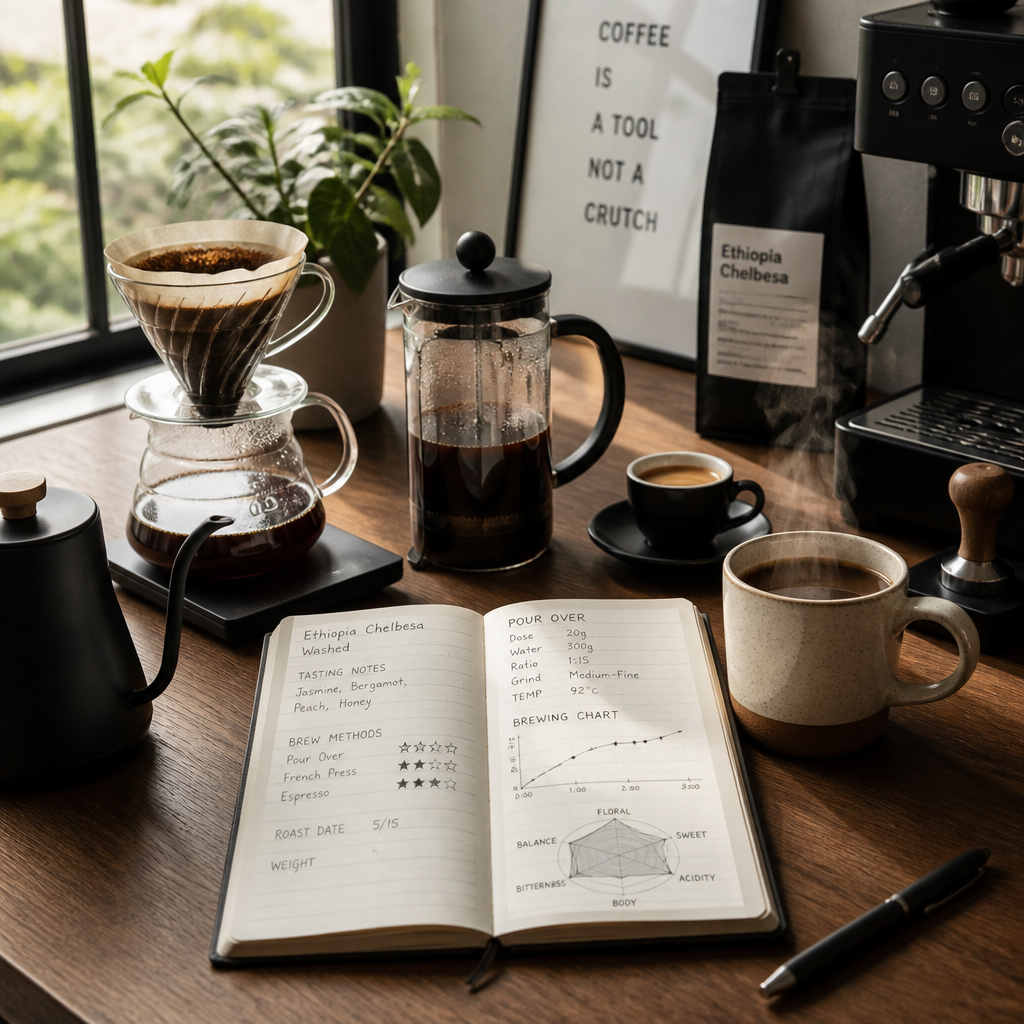
This is where most buying decisions go wrong. People choose a coffee based on origin story or packaging and then wonder why it tastes flat or harsh. The brewing method you use should be a primary factor in whether you reach for a blend or a single origin.
Espresso machines and moka pots
Espresso is a high-pressure, short-extraction brew method. It concentrates every quality of the coffee, including acidity. A single origin with high natural acidity can become sharp or difficult in espresso. A house blend coffee is typically formulated to produce a smooth, balanced shot with good crema and the body to hold up in milk-based drinks like lattes and cappuccinos. Farrer's blends are explicitly designed for this: their Rich Blend is used by modern eateries precisely because it cuts through sweet steamed milk without losing its dark chocolate character.
Single origins can absolutely be pulled as espresso, and some are outstanding in that format, but they require more precise dialling-in on grind size and dose. For a home espresso setup where you are not adjusting the grinder every day, a blend gives you a wider margin for error and a consistently good result.
Filter, cafetiere, and pour-over
Filter brewing is where single origins earn their reputation. The gentler extraction of a V60, AeroPress, or cafetiere allows delicate flavours to emerge without being overwhelmed by pressure. Floral, citrusy, and fruit-forward notes, which might be muted or distorted in espresso, come through clearly in filter. If you have invested in a pour-over setup and you are using a house blend every morning, you are getting a reliable cup but you are not using the method to its full potential.
Blends also work perfectly well in a cafetiere or filter. But if you want to experience the range of what specialty coffee can taste like, use filter methods with single origins. The two are designed for each other.
Pro tip: If you use both an espresso machine and a cafetiere at home, consider keeping two bags on the go: a Farrer's house blend for espresso-based drinks, and a single origin for your weekend filter brew. This is not extravagance. It is using the right tool for the right job, and the quality difference in your cup will be immediately obvious.
Blends vs. Single Origins: Side-by-Side
| Feature | House Blend Coffee (e.g. Farrer's No.1 or Rich Blend) | Single Origin Coffee (e.g. Farrer's Seasonal Lots) |
|---|---|---|
| Flavour consistency | High. Formulated to taste the same across harvests and seasons. | Variable. Character shifts with each harvest and lot. |
| Flavour character | Chocolate, nuts, caramel, rounded sweetness. | Floral, citrus, fruit, or earthy depending on origin and process. |
| Best brewing method | Espresso, moka pot, cafetiere, milk-based drinks. | Filter, pour-over, AeroPress, black coffee. |
| Traceability | Multiple origins combined; roaster is the identified craftsperson. | Single farm, cooperative, or micro-region; fully traceable. |
| Price point | Generally lower to mid-range; available year-round. | Generally higher; seasonal availability, limited lots. |
| Ideal drinker | Those who want a reliable daily cup, or who brew for multiple people with different preferences. | Those who want to explore terroir, process, and origin character intentionally. |
| Trade and hospitality use | Preferred. Operational consistency is non-negotiable in a cafe setting. | Used for filter bar programmes or specialty menus with trained staff. |
Choosing by Occasion and Habit
The cleanest framework for deciding between a blend and a single origin is to think about your actual coffee habit, not your aspirational one. Be honest about how you brew, who you are brewing for, and how much attention you pay to each cup.
If you drink coffee mainly as fuel in the morning
A house blend is the right choice. You want something that is consistently good, takes no special adjustment, and works whether you are half-awake using a cafetiere or running an espresso machine. Farrer's No.1 Blend fits this role exactly. It is a signature Arabica coffee with a well-rounded body that will not punish you for slightly imprecise brewing.
If you drink coffee attentively, ideally black
A single origin will reward your attention. Brew it black via a slow filter method, keep your water temperature consistent, and use freshly ground beans. The complexity of a well-chosen single origin, whether that is a bright, clean washed coffee or a fruit-forward natural process, is most apparent when nothing is added to obscure it.
If you run a cafe or hospitality business
The answer is almost always a blend, specifically one designed to cut through milk and hold up across multiple baristas and multiple machines throughout the day. Farrer's trade offering reflects this reality directly: all their coffee is roasted in small batches at the Lake District roastery, with blends formulated for consistent, fresh-tasting drinks even at volume. The Rich Blend is the clearest example, designed explicitly for cafes and modern eateries that need dark chocolate character in every flat white, not just the ones brewed at peak concentration on a freshly calibrated machine.
Some cafes also run a single origin on a filter bar alongside their espresso blend, which is a sound approach. It allows the business to showcase range and attract more adventurous customers without compromising the consistency of the main espresso programme.
What Farrer's 200 Years of Blending Actually Means
Founded in 1819 in Kendal, Farrer's has operated continuously as a tea and coffee merchant through changes in British taste that would have killed most businesses: the chicory-influenced blends of the 19th century, the instant coffee era of the mid-20th century, the espresso boom of the 1990s, and the current third-wave interest in single-origin and specialty coffee. Each of those transitions required the roastery to adapt without losing its core identity.
The practical result of that history is that the best-loved Farrer's blend recipes have been refined across generations. Some of the original formulas are still in production, refined but not abandoned. That is not nostalgia. It is a body of knowledge about what British coffee drinkers actually enjoy, accumulated across thousands of roasting sessions and customer interactions over two centuries.
When you buy a Farrer's house blend, you are buying the output of that accumulated knowledge. When you buy a Farrer's single origin, you are buying the same roasting expertise applied to a single exceptional lot, with the institutional understanding of how to roast it without flattening what makes it interesting.
This is the differentiator that matters when comparing Farrer's to newer specialty roasters. A single roaster with five years of experience and a beautiful Instagram presence can source an excellent single origin lot. What they cannot do is bring 200 years of palate memory to the decision about how to roast it. For blends, that gap in experience is even more pronounced, because blend construction is iterative and slow to master.
Frequently Asked Questions
Is house blend coffee lower quality than single origin?
No. Quality in coffee depends on bean selection, roasting skill, and freshness, not on whether the coffee comes from one origin or several. A well-crafted blend from a roaster with strong sourcing relationships, like Farrer's, is a premium product. The assumption that blends are inferior is a marketing narrative pushed by some specialty roasters, but it does not reflect how great blends are actually made.
Can I use a single origin coffee for espresso?
Yes, and some single origins are outstanding as espresso. However, they require more precise dialling-in because their often higher acidity and more pronounced individual character is amplified by the pressure of espresso extraction. For home use without daily grinder adjustment, a house blend gives you a wider margin for error and a reliably smooth result.
Why do single origin coffees sometimes taste sour or sharp?
Sourness in a single origin is usually a combination of high natural acidity and under-extraction. Grinding coarser, increasing brew time slightly, or raising water temperature often corrects it. Alternatively, switching to a blend with a lower natural acidity profile will solve the problem permanently if you prefer a less bright cup.
What is the best Farrer's coffee for a cafetiere?
The No.1 Blend is an excellent choice for a cafetiere. Its well-rounded body and notes of chocolate, nuts, and gentle citrus work well with the full-immersion brewing method, which tends to produce a heavier, more textured cup. Single origins with a medium roast profile also work well in a cafetiere if you want to explore origin character in that format.
How should a cafe choose between Farrer's blends and single origins for their menu?
Use a blend as your core espresso offering, choosing one designed to cut through milk. Farrer's Rich Blend is built for exactly this, with its dark chocolate character and full body holding up in lattes and cappuccinos. If you want to add a filter or batch brew option, a single origin works well there, either as a permanent feature or as a rotating seasonal addition. This gives your menu range without compromising consistency on your main drinks.
Do Farrer's single origins change seasonally?
Yes, and that is intentional. Coffee is an agricultural product and the best lots from any given farm or cooperative are harvested at specific times of year. Farrer's offers seasonal specials alongside their core range, which means the single origin selection reflects what is at its best in terms of freshness and quality at any given time. Their core house blends, by contrast, are consistent year-round.
Which style is in your cup right now, and has this changed how you think about your next bag? Share your experience in the comments below.
References
- Farrer's heritage and coffee range overview, including house blends and single origins from the UK's oldest coffee roaster
- Farrer's No.1 Blend product page with tasting notes and sourcing information
- Farrer's Rich Blend product page, including its use in hospitality and milk-based drinks
- Explainer on the key differences between coffee blends and single origin coffees
- Specialty single origin coffee guide covering brewing methods and origin characteristics


