

Most coffee brands struggle to survive their first decade. Farrer's of Kendal has been roasting since 1819, making it the UK's oldest coffee roaster by a considerable margin. That is not a marketing claim built on loose archival records.
It is a provable, documented lineage that stretches across two centuries of British commercial history, through wars, economic collapses, and more coffee trends than most companies will ever witness.
How a small Lake District business outlasted the Victorian coffee house craze, the instant coffee revolution, the third-wave specialty movement, and the flat white obsession is a story worth understanding properly.
Table of Contents
- Quick Takeaways
- Farrer's History: 207 Years in the Making
- What Kendal Got Right That London Forgot
- How Farrer's Has Outlasted Every Coffee Trend
- Heritage Roasting vs. Modern Specialty: A Direct Comparison
- Artisan Coffee in Kendal: Why Place Still Matters
- Serving Both Trade and Home Customers Without Losing Identity
- Frequently Asked Questions
- References
Quick Takeaways
| Key Insight | Explanation |
|---|---|
| 207 years of continuous operation | Farrer's has been roasting in Kendal since 1819, making it the oldest coffee roaster in the UK with a documented, unbroken trading history. |
| Hand-packing as a deliberate choice | Farrer's continues to hand-pack its coffee rather than automate fully, prioritising quality control over output volume. This is a values decision, not a capacity limitation. |
| The Lake District location is a competitive asset | Operating from Kendal positions Farrer's outside the noise of London-centric specialty coffee culture, giving the brand authentic regional identity that is genuinely rare. |
| Heritage does not mean static | Farrer's has expanded from wholesale trade supply into direct-to-consumer e-commerce, barista training, and roastery experience days without abandoning its founding craft principles. |
| 4.9 out of 5 from verified customers | Verified customer ratings at this level reflect consistent product quality, not just brand loyalty. The score applies to a business serving both home buyers and professional trade accounts. |
| Next-day dispatch on orders over £35 | Combining artisan production with modern fulfilment logistics is one reason Farrer's competes effectively with larger, better-funded rivals in the online coffee market. |
| Trend immunity through product breadth | By offering coffee blends, loose leaf teas, hot chocolate, and brewing equipment, Farrer's is never entirely dependent on any single product category surviving a consumer shift. |
Farrer's History: 207 Years in the Making
Farrer's opened in Kendal in 1819. To contextualise that date: the United States had only recently fought the War of 1812, Queen Victoria had not yet been born, and the British coffee house as a social institution was already beginning its long decline. Farrer's history begins not in a moment of industry boom, but in a period of genuine commercial uncertainty for coffee in Britain.
The business survived the nineteenth century, when tea decisively overtook coffee as Britain's preferred hot drink. It survived two world wars, during which supply chains for green coffee beans were disrupted severely. It survived the post-war dominance of instant coffee, a product that made fresh roasting seem irrelevant to millions of British consumers for several decades.
In practice, very few businesses of any kind survive two centuries. According to data published by the Office for National Statistics, the average life expectancy of a UK small business is under ten years. Farrer's is not an average business. It is an outlier so extreme that its continued existence functions as evidence of something genuinely different happening at the operational and philosophical level.
"The brands that endure are not those that chase every trend, but those that build such deep competence in their craft that consumers return regardless of what else the market is doing." - Harvard Business Review analysis of long-lived consumer brands
What Farrer's has accumulated over two centuries is not just brand recognition. It is institutional knowledge about sourcing, roasting, and blending that simply cannot be acquired quickly. No competitor can purchase that knowledge. They can only attempt to replicate it over time.
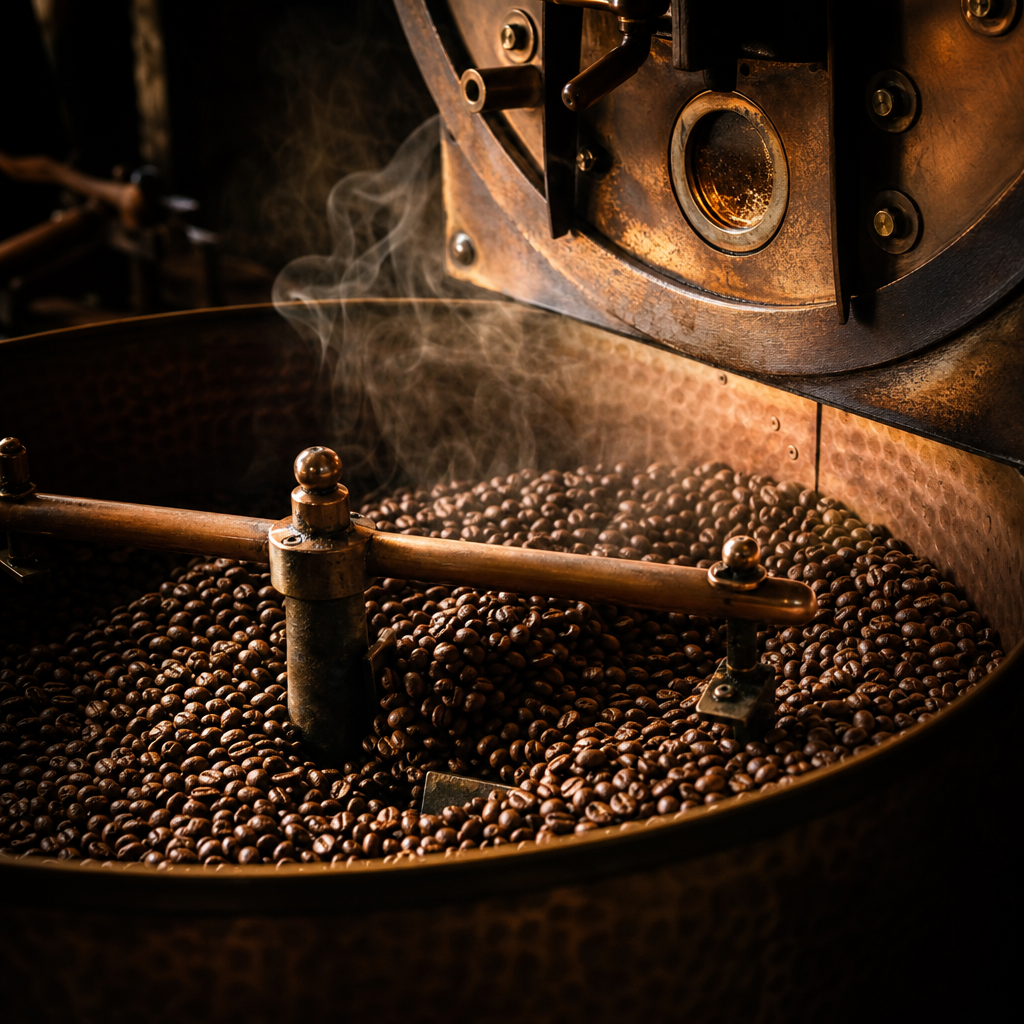
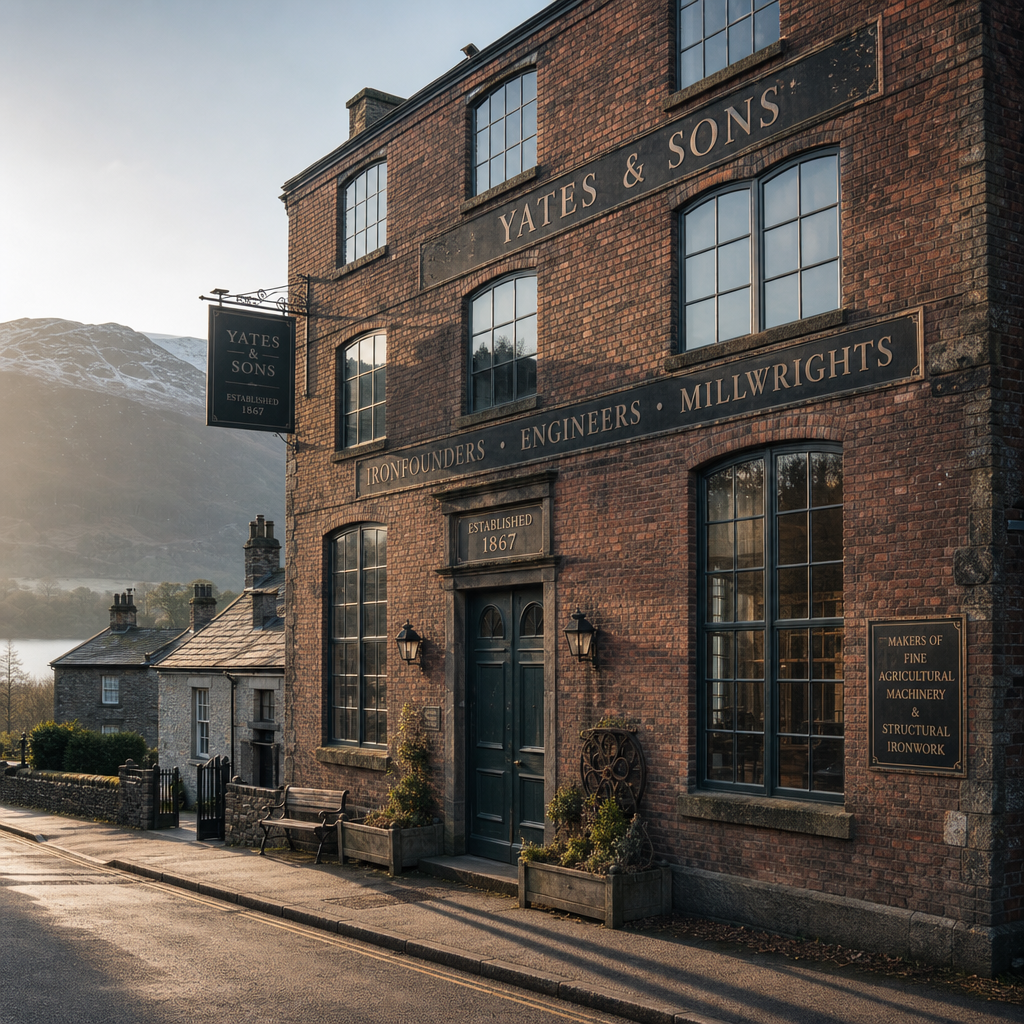
The 1819 Foundation and What It Actually Means
Being founded in 1819 is not merely a date to print on packaging. It means Farrer's has navigated more economic cycles, consumer behaviour shifts, and supply chain disruptions than any currently operating competitor in the UK coffee industry. That accumulated navigation experience has a practical value that compound interest cannot replicate.
The business has passed through multiple ownership transitions while maintaining the Kendal roastery as its operational and spiritual home. That geographical consistency matters more than it might appear. The Lake District location has shaped the brand's identity, its customer relationships, and its operational rhythms in ways that could not be easily recreated elsewhere.
What Kendal Got Right That London Forgot
The UK specialty coffee conversation is almost entirely dominated by London. Origin Coffee is based in Cornwall but markets heavily to the capital. Lavazza's UK operations are London-centric. The third-wave roastery scene that emerged after 2005 clustered around Shoreditch, Bermondsey, and Hackney. Artisan coffee Kendal sounds like a niche qualifier, but it is actually a competitive position.
Farrer's is genuinely embedded in its community in a way that a decade-old London roastery cannot replicate. Local relationships, regional trade accounts, and Lake District tourism all feed into a customer base that is both loyal and geographically diverse.
Visitors to the Lake District encounter Farrer's through local cafes and accommodations, then become direct online customers when they return home. That flywheel effect takes generations to build.
A common mistake among newer specialty roasters is assuming that provenance marketing can be manufactured quickly through good photography and origin story copywriting. Farrer's does not need to construct a provenance story. It has one that is verified by two centuries of trading records.
Pro tip: If you are a cafe or hospitality business evaluating coffee suppliers, ask any roastery for documented evidence of their sourcing relationships and roasting consistency over time. Heritage roasters with long track records typically have more stable supply chains than trend-driven newcomers.
How Farrer's Has Outlasted Every Coffee Trend
The history of coffee in Britain is a history of trend cycles, each convinced of its own permanence. Victorian coffee houses gave way to tea dominance. Instant coffee ruled for decades before fresh ground became fashionable again. The espresso machine transformed cafe culture in the 1990s. The flat white arrived. Single-origin and direct-trade became the specialist standard. Cold brew, nitro coffee, and oat milk adaptations followed in rapid succession.
Farrer's has watched all of it. And more importantly, it has responded selectively rather than reactively. The business has not chased every trend. It has integrated what genuinely adds value for its customers and ignored what amounts to industry noise.
The Blend Strategy That Protects Against Trend Dependency
Farrer's curated range of coffee blends represents a deliberate approach to trend immunity. A proprietary blend with a 50-year customer following does not become obsolete because a new single-origin fashion emerges. The customer who has been buying the same Farrer's blend for two decades is not going to be converted to a competitor by a trend piece in a lifestyle magazine.
This is not resistance to change for its own sake. It is the recognition that a significant proportion of coffee consumers value consistency above novelty. The specialty coffee industry spends enormous energy targeting the novelty-seeking segment. Farrer's has always understood that the consistency-seeking segment is at least as large and substantially more loyal.
Expanding into Tea and Hot Chocolate Without Diluting the Core
Premium loose leaf tea and hot chocolate are not diversification for the sake of revenue padding. They are logical adjacencies that serve the same customer who values craftsmanship and quality sourcing over price competition. Farrer's has maintained coffee as its identity anchor while building a complete premium hot drinks offering that competitors in the pure-play specialty coffee space cannot easily match.
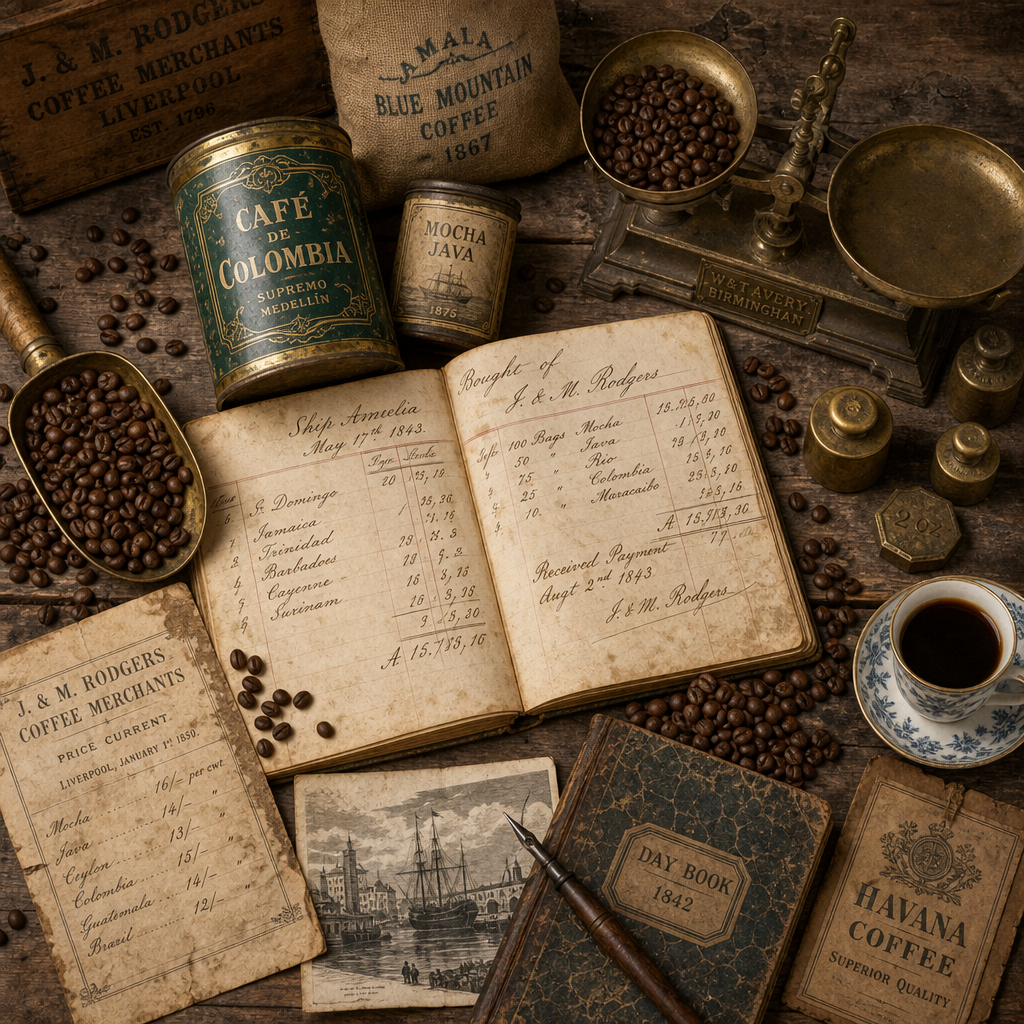
The data consistently shows that customers who buy across multiple product categories have significantly higher lifetime value than single-category buyers. Farrer's multi-category approach serves both commercial logic and customer convenience without requiring a departure from its founding craft identity.
Heritage Roasting vs. Modern Specialty: A Direct Comparison
Understanding where Farrer's sits relative to its contemporary competitors requires an honest comparison. The following table compares Farrer's against two prominent UK competitors across dimensions that actually matter to buyers.
| Dimension | Farrer's of Kendal | Origin Coffee | Lavazza UK |
|---|---|---|---|
| Years in operation | 207 years (est. 1819) | Founded 2004 (approximately 21 years) | Founded 1895 in Italy (UK presence from 1990s) |
| Roasting location | Kendal, Lake District, UK | Helston, Cornwall, UK | Turin, Italy (imported to UK) |
| Production method | Hand-packed, small-batch roasting | Specialty-focused, direct trade sourcing | Industrial-scale, standardised blends |
| Customer rating | 4.9/5 from verified customers | Strong specialty press reputation | Mass market recognition, variable retail reviews |
| Trade and home balance | Serves both trade and home buyers directly | Primarily specialty trade and direct-to-consumer | Primarily wholesale and supermarket retail |
| Additional services | Barista training, roastery experience days | Barista training, coffee courses | Machine servicing, commercial account support |
The comparison makes clear that Farrer's occupies a genuinely distinct position. It is not trying to be Origin Coffee's direct-trade single-origin model, and it has no interest in competing with Lavazza on volume and supermarket distribution. The Farrer's position is: unmatched heritage, demonstrable craft quality, and a service model that scales from individual home buyers to professional trade accounts without losing its character.
Pro tip: Trade buyers comparing coffee suppliers should request sample packs and run them through at least three weeks of service before committing to a supply agreement. Farrer's consistent 4.9 rating suggests a product that holds up under repeated use, not just first-impression sampling.
Artisan Coffee in Kendal: Why Place Still Matters
There is a tendency in e-commerce to assume that physical location becomes irrelevant once a business operates online. For commodity products, that argument has some merit. For artisan coffee Kendal, the opposite is true. The Lake District location is a genuine differentiator, not an operational accident.
Kendal sits at the gateway to the Lake District National Park, one of the most visited destinations in the UK. The region attracts approximately 19 million visitors annually according to the Lake District National Park Authority. Many of those visitors encounter Farrer's coffee through local hospitality businesses and return home as converted customers. The location functions as a permanent marketing asset that pays dividends year after year without additional spend.
There is also the matter of water. The Lake District's exceptionally soft water is well known among coffee professionals for producing exceptionally clean extractions. Farrer's roasters have calibrated their blends against this water profile across generations, producing coffees that taste precisely as intended in the conditions where they are developed.
The Roastery Experience as a Differentiator
Farrer's roastery experience days transform physical location from a logistical fact into an active commercial asset. A customer who visits the Kendal roastery, witnesses the roasting process, and leaves with a deeper understanding of how their coffee is made is not going to switch to a supermarket brand because it goes on promotion. That level of brand connection cannot be manufactured through digital marketing alone.
In practice, experience-based commerce converts premium customers at rates that discount-driven promotions cannot match. The customer who has stood in the Farrer's roastery has a personal relationship with the product that makes price sensitivity almost irrelevant.
Serving Both Trade and Home Customers Without Losing Identity
Most roasteries either serve trade or they serve home customers. Serving both well without diluting the offering for either is operationally difficult and strategically complex. Farrer's manages it because its heritage gives it a track record across both segments that newer competitors cannot match.
A cafe or restaurant choosing Farrer's as its coffee supplier is not making a compromise. It is choosing a roastery with 207 years of experience supplying professional kitchens, alongside barista training support that helps its staff extract maximum value from the product. That combination of supply reliability and skills development is worth considerably more than a marginally cheaper wholesale price from a newer roastery.
The home enthusiast segment benefits from the same product quality without the commercial volume commitment. Next-day dispatch on orders over £35 means a home buyer in Edinburgh or Bristol gets freshly roasted Farrer's coffee with the same speed they would expect from a mass-market competitor, but with a product that no mass-market competitor can replicate.
The brewing equipment range completes this picture. A customer who buys coffee from Farrer's and also purchases their brewing equipment is investing in the complete Farrer's experience. That combination of consumable and hardware purchasing significantly increases customer lifetime value while deepening the customer's practical connection to the craft of coffee making.
Frequently Asked Questions
What makes Farrer's the UK's oldest coffee roaster?
Farrer's was established in Kendal in 1819 and has maintained continuous trading operations from the Lake District since then. At 207 years of operation, no other currently trading UK coffee roaster has a documented history that predates it. The claim is based on verifiable historical trading records, not marketing repositioning.
How has Farrer's managed to stay relevant through so many changes in coffee culture?
Farrer's has survived successive coffee trends by maintaining core craft principles while selectively adapting its offer. It has expanded from trade supply into direct-to-consumer e-commerce, barista training, and experience days without abandoning the hand-packing and small-batch roasting that define its product quality. The business does not chase trends. It outlasts them.
Does Farrer's supply to trade customers as well as home buyers?
Yes. Farrer's serves cafes, restaurants, and hospitality businesses with professional-grade coffee supplies, alongside barista training programmes to support their teams. It also serves home enthusiasts directly through its online shop, with next-day dispatch available on orders over £35.
Why does the Kendal location matter for coffee quality?
The Lake District's exceptionally soft water profile is ideal for coffee extraction and has influenced how Farrer's roasters have calibrated their blends over generations. Beyond water quality, the Kendal location gives Farrer's a genuine regional identity embedded in one of the UK's most visited destinations, which creates a natural pipeline of new customers through Lake District tourism.
How does Farrer's differ from newer specialty roasters like Origin Coffee?
Origin Coffee, founded in 2004, is an excellent specialty roaster with strong direct-trade credentials. Farrer's differs in the depth of its heritage, the breadth of its product range (including premium teas and hot chocolate alongside coffee), and its track record serving both trade and home segments simultaneously. Origin focuses primarily on specialty coffee for enthusiasts and trade. Farrer's serves a wider audience without compromising on craft quality.
Can I visit the Farrer's roastery in Kendal?
Farrer's offers roastery experience days that give visitors direct access to the production process, the roasters, and the blending expertise that has been developed over 207 years. These are available for individuals as well as groups and represent one of the more genuinely distinctive coffee experiences available in the UK.
What is the best way to order Farrer's coffee if I am new to the brand?
The most straightforward starting point is to order through the Farrer's online shop at farrerscoffee.co.uk. Orders over £35 qualify for next-day dispatch, so a curated selection of different blends is an efficient way to identify which roast profiles suit your taste. The customer rating of 4.9 out of 5 from verified buyers suggests consistently positive first experiences.
Have you tried Farrer's coffee or visited the Kendal roastery? Share your experience in the comments and tell us which blend or tea has kept you coming back.
References
- Statista: UK coffee market size, consumer trends, and specialty coffee segment growth data
- Forbes: Research and analysis on long-lived family businesses and heritage brand longevity strategies
- Office for National Statistics: UK business survival rates and small business life expectancy statistics
- Harvard Business Review: Studies on brand endurance, consumer loyalty, and craft identity in competitive consumer markets
- UK Government business and heritage sector resources including regional enterprise and food provenance policy guidance


