

Most coffee drinkers never question what happens between a green coffee bean arriving in the UK and landing in their cup. That gap in knowledge costs people real money on inferior products.
Farrer's, the oldest coffee roastery UK still operating today, has been filling that gap since 1819 from its base in Kendal, on the edge of the Lake District. What happens inside that roastery is neither mysterious nor simple, and understanding it changes how you buy, brew, and judge every cup you drink.
Table of Contents
- Quick Takeaways
- Why the Roastery Location Matters
- Sourcing Green Beans Before Roasting Begins
- The Roasting Process Step by Step
- Hand Packing: What It Means in Practice
- Comparing Roasting Approaches
- Freshness and Dispatch: The Logistics of Quality
- Frequently Asked Questions
- References
Quick Takeaways
| Key Insight | Explanation |
|---|---|
| Over 200 years of continuous operation | Farrer's has been roasting in Kendal since 1819, making it the oldest active coffee roastery in the UK. That longevity reflects consistent quality, not nostalgia. |
| Hand packing preserves freshness | Mechanised packing introduces delay and handling damage. Hand packing at Farrer's means each bag is filled and sealed close to roast time, protecting volatile aromatic compounds. |
| Lake District location is not incidental | The cool, clean air of the Lake District region reduces ambient humidity in the roastery, a genuine factor in preventing premature oxidation of roasted beans during packaging. |
| Roast profiling determines flavour, not just colour | Roasters at Farrer's adjust temperature curves, not just total roast time. This is what separates a flat, bitter cup from one with layered sweetness and acidity. |
| Next-day dispatch on orders over £35 | Speed from roast to delivery directly impacts what ends up in your cup. Coffee aged in a warehouse for weeks loses measurable CO2 and aromatic complexity. |
| Trade and home customers receive the same roast | Farrer's does not reserve premium roasting for wholesale clients. Cafes and home buyers receive identical product quality, only packaging and volume differ. |
| Barista training is rooted in roastery knowledge | Farrer's training programmes teach extraction from the roast backwards. Baristas who understand why a bean was roasted a certain way make consistently better brew decisions. |
Why the Roastery Location Matters
Kendal sits at the southern gateway to the Lake District, and that geography is not a marketing detail. Ambient conditions inside a roastery directly affect the post-roast stabilisation of coffee, and the relatively cool, low-pollution air of Cumbria reduces the oxidative stress on freshly roasted beans compared to an urban roastery in, say, London or Manchester.
In practice, roasteries in dense urban environments deal with higher ambient temperatures and particulate air quality that can accelerate staling. A roastery at altitude in a rural setting holds a measurable environmental advantage during the cooling and packing stages, when beans are at their most chemically active.
Beyond the physical environment, Farrer's Kendal address means the company operates outside the trends that dominate London's specialty coffee scene. That distance has historically produced restraint rather than chasing fleeting roasting fashions, which is one reason the core blends have remained consistent for generations of customers.
Pro tip: When ordering Lake District coffee from Farrer's, check the roast date printed on the bag. Coffee is at peak flavour between 4 and 21 days post-roast. Farrer's fast dispatch means you typically receive beans well within that window, unlike supermarket stock that can be months old.
Sourcing Green Beans Before Roasting Begins
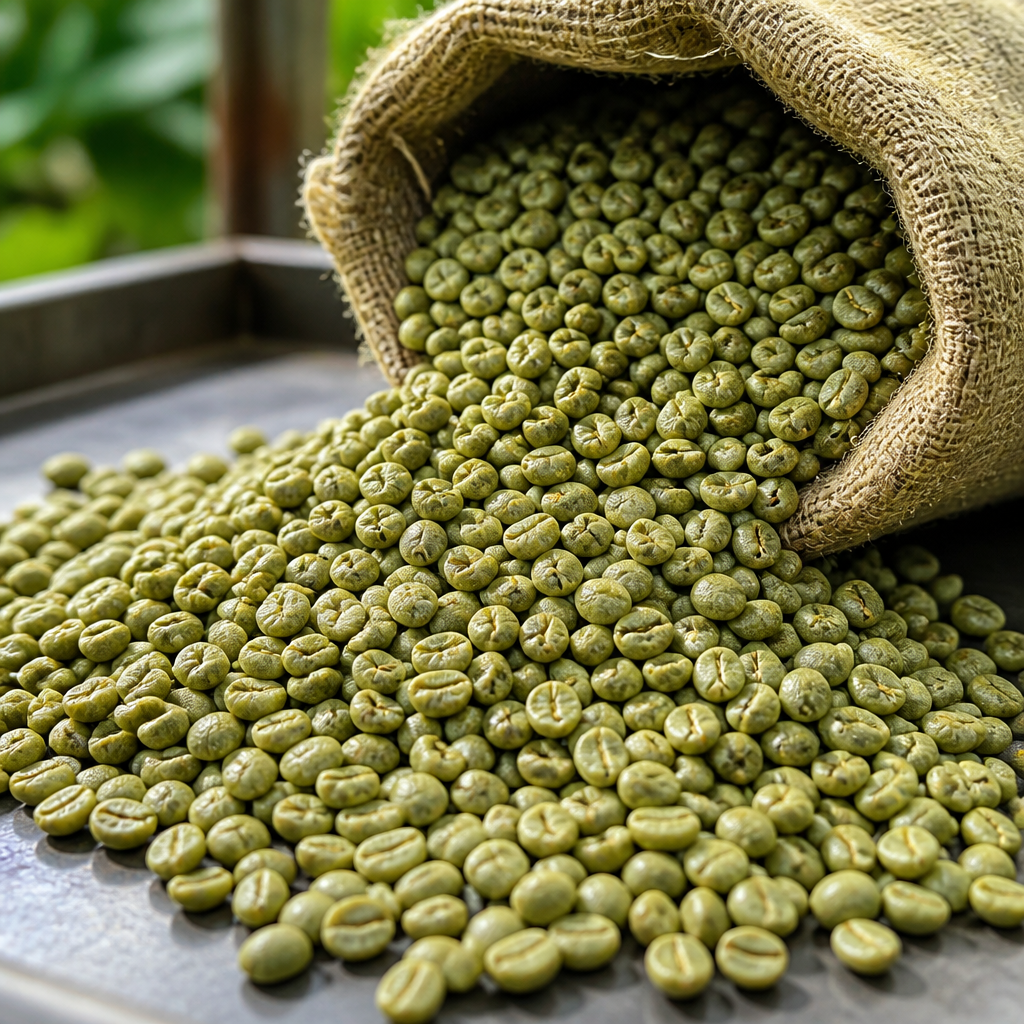
The roasting process starts long before any bean enters a drum. Green bean selection is the single most consequential decision a roastery makes, because no roasting technique rescues a poorly sourced bean. Farrer's approach to sourcing is deliberate and conservative, prioritising consistent supply relationships over chasing single-origin novelty for its own sake.
What Green Bean Quality Actually Looks Like
Green coffee beans are graded by defect count, moisture content, and screen size. The Specialty Coffee Association uses a 350-gram sample graded against a scale where zero primary defects and a maximum of five secondary defects qualifies as specialty grade.
Farrer's sources to this standard for its premium range, which means the raw material entering the roaster already has an inherent flavour ceiling well above commodity-grade beans used by mass-market brands.
Moisture content matters because beans roasted at incorrect moisture levels develop uneven colour and flavour. Ideal green bean moisture sits between 10 and 12 percent. Beans outside that range produce either underdeveloped roasts or scorched surfaces masking green interiors.
Why Consistency Beats Novelty for Most Buyers
A common mistake among newer specialty coffee roasters is rotating single-origins so frequently that customers cannot rely on a consistent cup. Farrer's core blends are designed around repeatable flavour profiles. This matters most to trade customers, where a cafe's espresso shot needs to taste the same in January as it does in July regardless of which harvest season's beans are currently in rotation.
"The romance of coffee is in the cup, not in the certificate on the wall. A bean that tastes extraordinary two months a year and erratic the rest is a problem, not a prize." - view attributed to experienced UK specialty roasters when discussing sourcing philosophy
The Roasting Process Step by Step
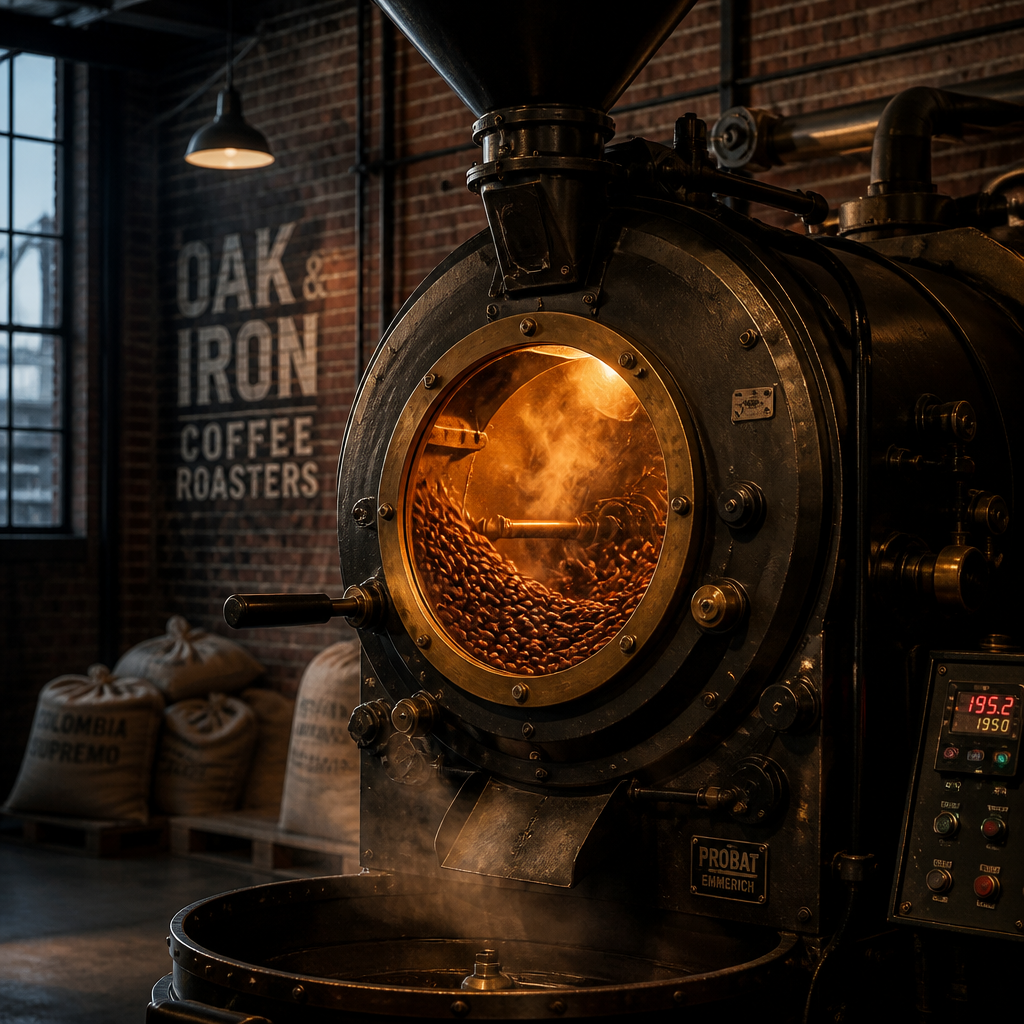
Roasting is applied heat over time, but that description undersells what is actually happening chemically. A green coffee bean contains hundreds of chemical compounds. Roasting triggers the Maillard reaction, caramelisation of sugars, and the degradation of chlorogenic acids, all of which combine to produce the aromatic compounds that define coffee flavour. Get the heat curve wrong and you destroy the compounds you are trying to develop.
The Four Stages Farrer's Roasters Work Through
Drying phase: Green beans enter the roasting drum at roughly 10-12 percent moisture. The first stage of roasting drives off that moisture, typically over the first four to six minutes. The roaster must apply enough heat to advance the drying without scorching the bean surface.
Maillard phase: Once moisture drops, the Maillard reaction begins around 150 degrees Celsius. This is where the characteristic coffee browning develops. Roasters control this phase by managing airflow and drum speed, not just burner temperature.
First crack: Around 196 to 205 degrees Celsius, beans undergo first crack, an audible popping caused by expanding CO2 and water vapour breaking through the bean structure. Light and medium roasts are typically finished shortly after first crack. This is where many of Farrer's brighter, more acidic filter roasts are stopped.
Development phase and second crack: Continuing past first crack moves into darker roast territory. Second crack occurs around 224 degrees Celsius and produces oilier beans with deeper, more bitter-leaning profiles. Darker espresso blends often exit the roaster in this zone. Farrer's offers both profiles across its range, so trade customers can specify roast depth to match their espresso machine and grinder setup.
Pro tip: If you are brewing Farrer's espresso blend and finding it sour, the issue is almost always grind size or under-extraction, not the roast. The roast profile is calibrated for standard commercial extraction parameters. Dial coarser before blaming the bean.
Hand Packing: What It Means in Practice
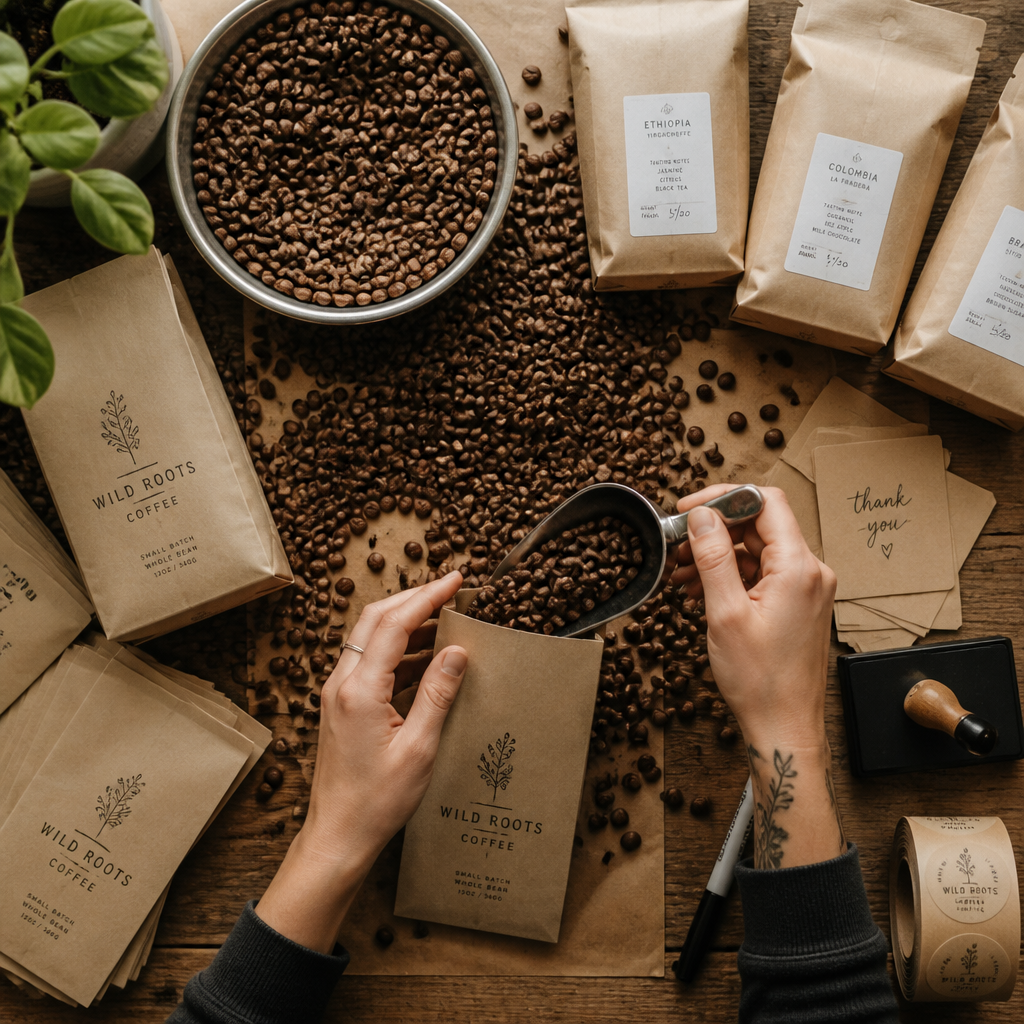
Hand packed coffee is a phrase used loosely by some brands but it has a specific meaning at Farrer's. After beans exit the roaster and cool on the cooling tray, they are bagged by hand rather than running through an automated volumetric filling line. This is slower and more labour-intensive, which is exactly the point.
Why Automated Lines Compromise Freshness
Industrial coffee packing lines are efficient but they create unavoidable delays. Beans must accumulate in hoppers, move through feeders, and often sit in ambient air longer than hand-packed alternatives. Every minute of open-air exposure after roasting accelerates CO2 off-gassing and the uptake of ambient oxygen, both of which degrade flavour.
Hand packing allows the team to fill bags to consistent weights, apply one-way degassing valves immediately, and seal the packaging before significant oxidation occurs. The degassing valve is critical: freshly roasted coffee continues releasing CO2 for 24 to 72 hours post-roast. A valve lets that gas escape without allowing oxygen in, which is why fresh beans in a properly valved bag still taste fresh a week later.
What This Means for the Cup You Brew at Home
The practical difference shows up in the bloom when you brew. Fresh coffee grounds release a visible bloom of CO2 when hot water first contacts them. If your bloom is thin or absent, the coffee was stale before you opened the bag. Farrer's hand-packed, fast-dispatched bags consistently produce strong blooms because the CO2 is still present in the bean at the point of grinding.
This is one area where Farrer's genuinely outperforms supermarket alternatives and even some competitors who roast less frequently. Roasting in smaller batches, packing by hand, and dispatching quickly is a deliberate production choice with a measurable impact on cup quality.
Comparing Roasting Approaches
Not all UK roasteries operate the same way. The table below compares three distinct approaches to roasting and distribution that buyers encounter when choosing a coffee roastery UK supplier.
| Approach | Description | Impact on Cup Quality |
|---|---|---|
| Farrer's: small-batch, hand-packed, fast dispatch | Beans roasted in controlled small batches, hand-filled into valved bags, dispatched next day on qualifying orders. Production is tied to order volume rather than warehouse stocking cycles. | High freshness at point of delivery. Consistent roast profiles. Beans arrive within the ideal 4-21 day post-roast window. Strong CO2 retention means a visible brew bloom and fuller extraction. |
| Large commercial roaster (e.g., supermarket-supplied brands) | High-volume drum roasting, automated packing on industrial lines, warehoused for distribution across retail networks. Roast-to-shelf timelines often exceed 30-60 days. | Consistent in that each bag tastes the same, but consistently stale. Low CO2 retention. Flat extraction. Designed to be inoffensive rather than excellent. |
| Trendy micro-roaster with frequent single-origin rotation | Small batches of exotic single-origins, rotating every 4-8 weeks. Often excellent at peak but inconsistent across harvests. May hand-pack but also may lack the infrastructure for reliable B2B supply. | Exciting ceiling but unreliable floor. Outstanding for home experimenters. Problematic for trade buyers who need a stable espresso profile year-round. |
Freshness and Dispatch: The Logistics of Quality
The supply chain between roastery and customer is where most coffee quality is lost, not gained. Farrer's next-day dispatch on orders over £35 is not a headline offer bolted onto a marketing page. It is the operational backbone of how freshly roasted coffee reaches customers while it still has flavour.
According to research published by the Specialty Coffee Association, coffee begins losing measurable aromatic compounds within 48 hours of roasting if not sealed in appropriate packaging. After 30 days without vacuum or valve packaging, flavour degradation becomes noticeable to any trained palate.
Farrer's 4.9/5 customer rating is at least partially a reflection of the fact that customers are receiving coffee within its genuine peak window, not coffee that has been sitting in a distribution centre.
For trade buyers, this matters even more. A cafe running 5 kilograms of espresso per week cannot afford to receive stale beans. Farrer's trade supply operates on the same dispatch model as retail, meaning a restaurant ordering on Monday receives beans Tuesday with roast freshness intact for the week's service.
How to Order to Maximise Freshness
Order on a Tuesday or Wednesday rather than Friday if you want the shortest possible gap between dispatch and receipt. Weekend courier gaps mean a Friday order often arrives Monday, adding two days unnecessarily. For home buyers, a fortnightly order of 500g beats a monthly order of 1kg because you open each bag closer to its roast date.
Farrer's also offers roastery experience days, which give trade and home buyers direct access to the roasting process. Seeing the stages from green bean intake to cooling to packing in person removes any abstraction from the quality argument. It is harder to tolerate a stale supermarket bag once you have watched freshly roasted beans go straight into a hand-packed valve bag 20 minutes earlier.
Frequently Asked Questions
Is Farrer's genuinely the oldest coffee roastery in the UK?
Yes. Farrer's was established in Kendal in 1819 and has operated continuously since then, making it the oldest active coffee roastery in the UK by a significant margin. That longevity is verifiable through historical records and the company's own documented history.
What does hand packed coffee actually mean compared to machine-packed alternatives?
Hand packing means individual staff members weigh, fill, and seal each bag rather than an automated volumetric line doing so. The practical benefit is reduced dwell time between roasting and sealing, which preserves CO2 and aromatic compounds. It also allows for quality checks at the point of packing that automated lines cannot replicate.
Why does the Lake District location matter for coffee roasting quality?
The Lake District region offers cooler average temperatures, lower ambient humidity compared to urban environments, and cleaner air, all of which reduce oxidative stress on beans during the post-roast cooling and packing stages. The location also keeps Farrer's outside the trend cycles of city-based specialty scenes, which has historically contributed to product consistency.
Can trade customers get the same coffee quality as home buyers?
Yes. Farrer's uses the same roasting profiles and the same hand-packing process for both trade and retail orders. The difference is volume and packaging format, not roast quality. A cafe ordering 5kg receives the same standard as a home buyer ordering 250g.
How should I store Farrer's coffee once it arrives to keep it fresh?
Keep the bag sealed and store it at room temperature away from direct sunlight, heat sources, and strong odours. Do not refrigerate whole beans as condensation on removal introduces moisture. Once opened, reseal the bag using the one-way valve and consume within two weeks for best flavour. Grind only what you brew immediately before brewing.
Does Farrer's roastery experience day actually teach useful skills or is it just a tour?
The roastery experience days at Farrer's are hands-on sessions that cover the full journey from green bean selection through roasting decisions to cupping. They are designed for both curious home enthusiasts and hospitality professionals wanting to understand the product they are buying. They are not passive tours and they do produce practical knowledge about flavour development and roast assessment.
How does Farrer's compare to competitors like Origin Coffee or Lavazza for freshness?
Origin Coffee is an excellent specialty roaster based in Cornwall with a strong single-origin focus. Lavazza is an Italian industrial brand sold through retail distribution with the associated freshness lag. Farrer's sits between these in one sense but ahead of both on the freshness logistics front for UK delivery, because its geographic base and next-day dispatch model means UK customers receive beans faster post-roast than either competitor's standard retail channel delivers.
If you have visited Farrer's roastery in Kendal, ordered their coffee, or compared it directly against other UK roasters, share what you noticed about the difference in freshness and flavour - your experience is exactly what other readers and trade buyers need to hear.
We would love your feedback and any insights you would share with others. What perspective would you add?
References
- Forbes coverage of artisan food and drink industry trends in the UK and Europe
- Statista data on the UK coffee market size, consumer spending, and specialty coffee growth statistics
- Specialty Coffee Association resources on green bean grading standards, roast development, and post-roast freshness research
- Ahrefs Blog on how artisan food brands build organic search visibility through content about production processes
- UK Government food standards and labelling guidance relevant to packaged coffee and hand-packed food products


