

Most people assume Italian blend coffee and French Continental are interchangeable labels for the same dark, bitter cup. They are not. The two roast styles differ in origin philosophy, roast temperature, flavour profile, and the brewing methods that actually suit them.
Choosing the wrong one for your espresso machine or cafetière is a fast route to a cup that tastes burnt, flat, or just wrong. This guide cuts through the confusion so you can make an informed choice, whether you are buying for home use or sourcing for a commercial kitchen.
Table of Contents
- Quick Takeaways
- What Is Italian Blend Coffee?
- What Is French Continental Coffee?
- Roast Level and Bean Temperature
- Flavour Profile Comparison
- Brewing Methods That Suit Each Style
- Side-by-Side Comparison
- Which Should You Choose?
- Frequently Asked Questions
- References
Quick Takeaways
| Key Insight | Explanation |
|---|---|
| Italian blend is not always darker than French Continental | Italian roasts typically stop just before or at second crack, while French roasts often push past it, producing oilier beans with a more charred character. |
| Espresso was built around Italian blend principles | The Italian roast style was developed specifically for espresso extraction, balancing bittersweet chocolate notes with crema-forming oils. |
| French Continental suits immersion brewing better | The heavier roast and more pronounced smoky notes work well in a cafetière or filter, where longer contact time tempers the bitterness. |
| Robusta content varies significantly between the two | Italian blends frequently include Robusta for crema and body; French Continental blends tend to rely on extended roasting of Arabica to achieve depth. |
| Milk changes everything in dark roasts | Italian blend holds its flavour identity in a flat white or cappuccino; French Continental can turn harsh when combined with milk due to its more aggressive roast character. |
| Freshness matters more than roast level | A freshly roasted Italian blend will outperform a stale French Continental every time. Farrer's next-day dispatch means roast date and delivery date are rarely far apart. |
| Neither style is universally superior | Italian blend wins for espresso-based drinks; French Continental wins when you want a bold, standalone black coffee with a smoky finish. |
What Is Italian Blend Coffee?
An Italian blend coffee is not defined by geography but by a roasting philosophy that originated in the espresso culture of northern Italy. The beans, which are almost always a mix of Arabica and some percentage of Robusta, are taken to a dark roast level that sits roughly at or just before second crack in the roasting process.
The result is a bean with a dry to slightly oily surface, a rich bittersweet flavour, and enough body to support a dense, persistent crema under espresso pressure.
In practice, a well-executed Italian blend will deliver notes of dark chocolate, toasted walnut, and a whisper of caramel in the finish. What it should not deliver is the carbonised, acrid bitterness that low-quality imitations produce.
The key is roast control. The beans need to reach the right internal temperature without being pushed so far that the sugars fully carbonise.
Farrer's Italian blend sits firmly in this tradition, roasted in small batches in the Lake District to a profile that maintains sweetness alongside the expected dark roast depth. That batch-level control is something large industrial roasters cannot replicate at scale.
Why the Robusta Question Matters
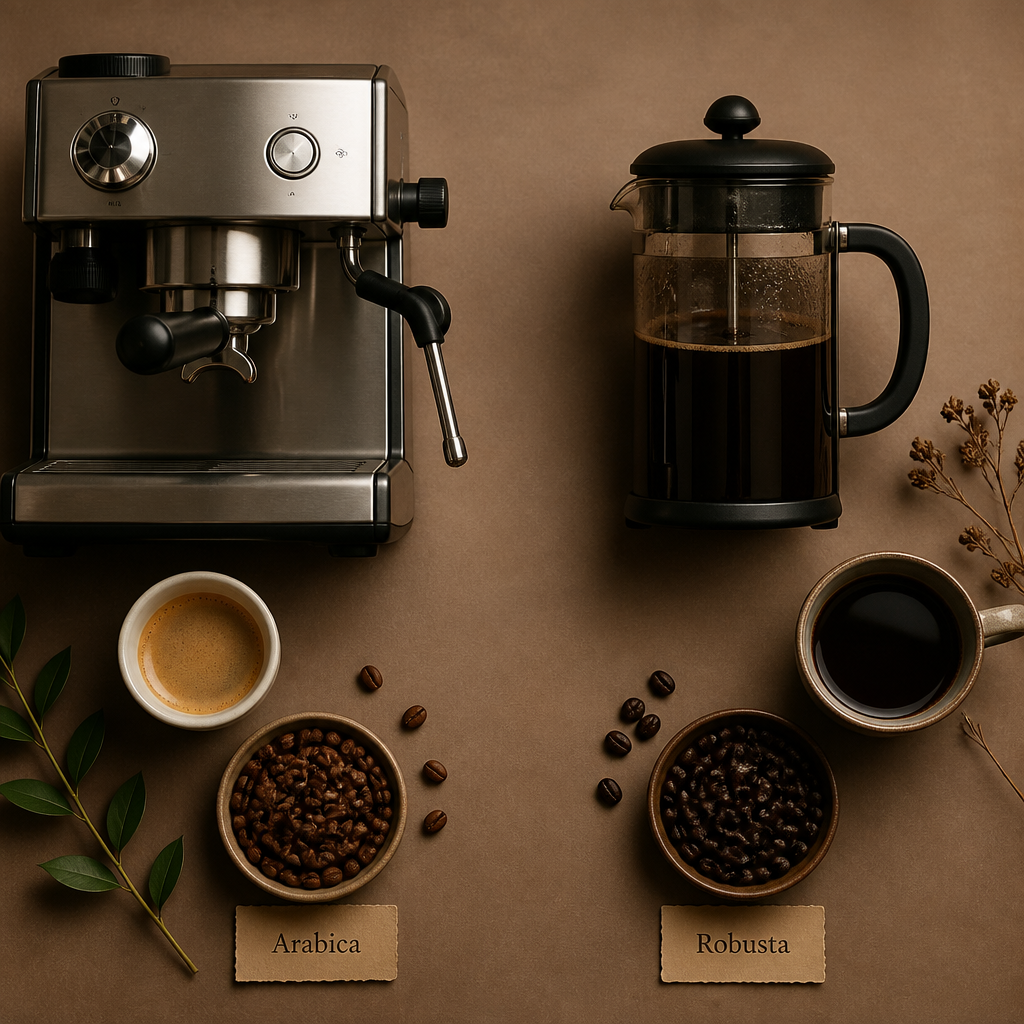
A common mistake is assuming that all Robusta inclusion is a cost-cutting measure. In the Italian blend tradition, Robusta serves a functional purpose. It contributes higher oils, which translates directly to better crema formation during espresso extraction. It also adds a certain earthy, almost rubber-toned bitterness that, in small percentages, adds complexity rather than harshness.
The ratio matters enormously. A blend using 10 to 20 percent Robusta from a quality source will behave very differently from one using 40 percent low-grade Robusta to reduce cost. Ask your roaster where the Robusta originates and what percentage is used. Farrer's is transparent about blend composition, which is the standard you should expect from any specialty-adjacent roaster.
What Is French Continental Coffee?
French Continental coffee is a roast style that pushes beans well into or past second crack, producing beans with a visibly oily, almost wet-looking surface. The roast is heavy enough that much of the origin character of the bean is replaced by the flavours generated by the roasting process itself: smoke, dark caramel, a slight char, and a thick, syrupy body when brewed correctly.
The term "Continental" has historically been used in the UK to describe the darker roast styles associated with mainland European coffee culture, though ironically most contemporary Italian specialty cafes have moved toward lighter roast profiles. The label has stuck in the UK market as shorthand for a very dark, robust cup with no pretensions toward acidity or fruit notes.
Where Italian blend is designed for pressure-based extraction, French Continental was historically prepared in a cafetière or filter pot. The longer contact time of immersion brewing allows the flavour compounds to develop without the sharpness that comes from forcing very dark roasted coffee through an espresso machine at high pressure and temperature.
The Oily Bean Problem in Espresso Machines
Using a French Continental roast in an espresso machine is where most home users run into trouble. The surface oils on heavily roasted beans clog grinder burrs faster, build up residue in espresso machine group heads, and extract unevenly under pressure. The result is either over-extracted bitterness or a weirdly flat, muddy shot with poor crema.
If you are committed to using a French Continental in espresso, grind fresh immediately before brewing and clean your machine and grinder more frequently. In practice, though, the better answer is to use a roast level designed for the method. Use Italian blend for espresso. Use French Continental for cafetière, filter, or Moka pot.
Pro tip: Store French Continental beans in a sealed, opaque container away from light. The surface oils on heavily roasted beans oxidise faster than lighter roasts, and a bean stored poorly for two weeks will taste stale regardless of how good the original roast was.
Roast Level and Bean Temperature
Roast level is measured by internal bean temperature and the physical and auditory cues roasters use to navigate the process. First crack occurs at roughly 196 to 204 degrees Celsius, where moisture escaping the bean causes an audible cracking sound. Second crack, at approximately 224 to 230 degrees Celsius, is where the cell structure of the bean begins to fracture and surface oils emerge.
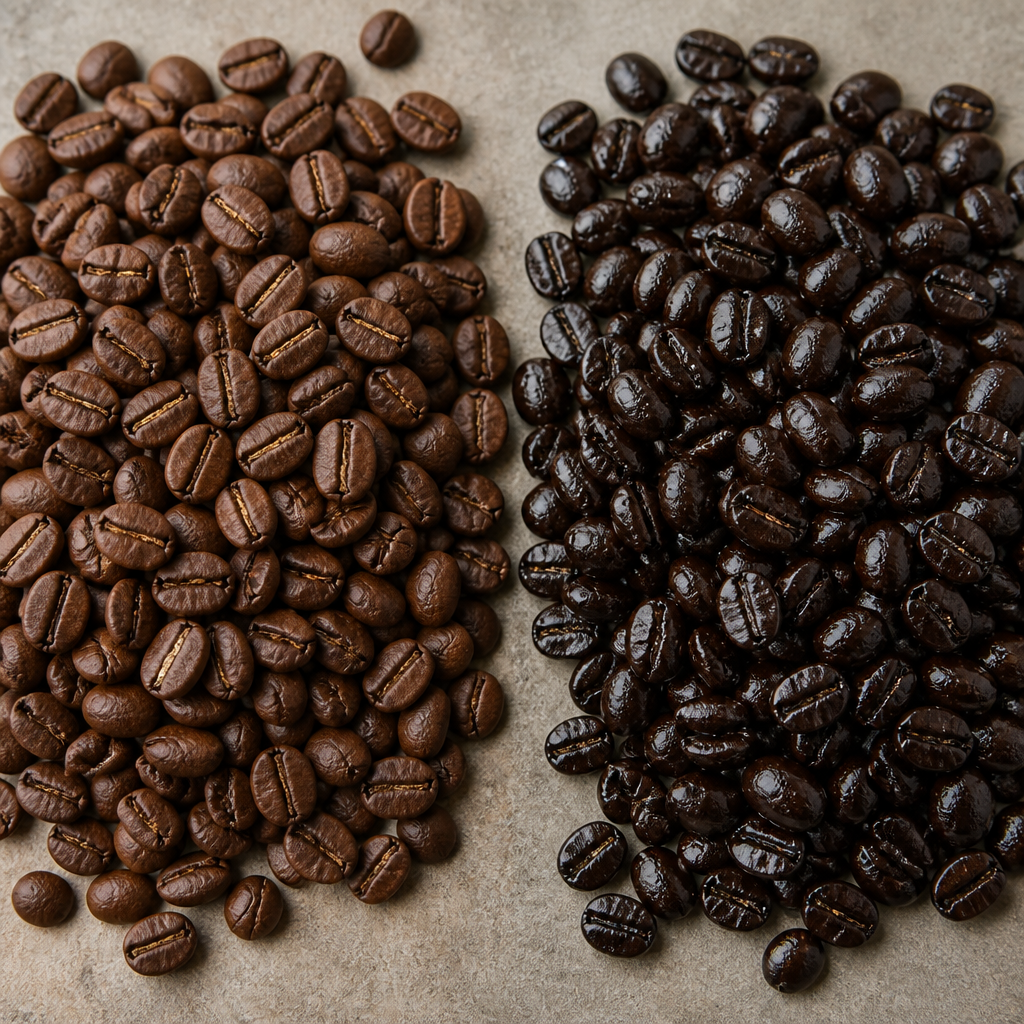
Italian blend roasting targets the zone between late first crack and the beginning of second crack. This is sometimes called a Full City Plus or Full Dark roast in specialty terminology. The bean colour is a deep mahogany brown, dry to the touch, or with minimal surface oil.
French Continental roasting pushes through second crack into what is called a French or Dark French roast level. Bean colour moves toward near-black, and the surface sheen is distinctly oily. A small amount of chaff burns away, and the smoke produced during this phase is significant, which is why roast environment ventilation matters enormously at this level.
"The difference between a great dark roast and a burnt one is measured in seconds, not minutes. Roast profiling at this level requires complete attention and repeatable equipment." - Specialty Coffee Association technical guidance on dark roast profiling
For context, most specialty roasters in the UK currently favour lighter roast profiles for single origins, sitting at or before first crack completion. Italian blend and French Continental represent the darker end of a spectrum that many third-wave roasters have moved away from. Farrer's position is notable here: they have maintained traditional dark roast expertise for over 200 years, which means their darker profiles are refined rather than overcooked.
Flavour Profile Comparison
Understanding the flavour difference is the most practical way to decide between these two styles. Neither is better in an absolute sense, but they serve different taste preferences and different moments in a coffee drinker's day.
Italian Blend Flavour Notes
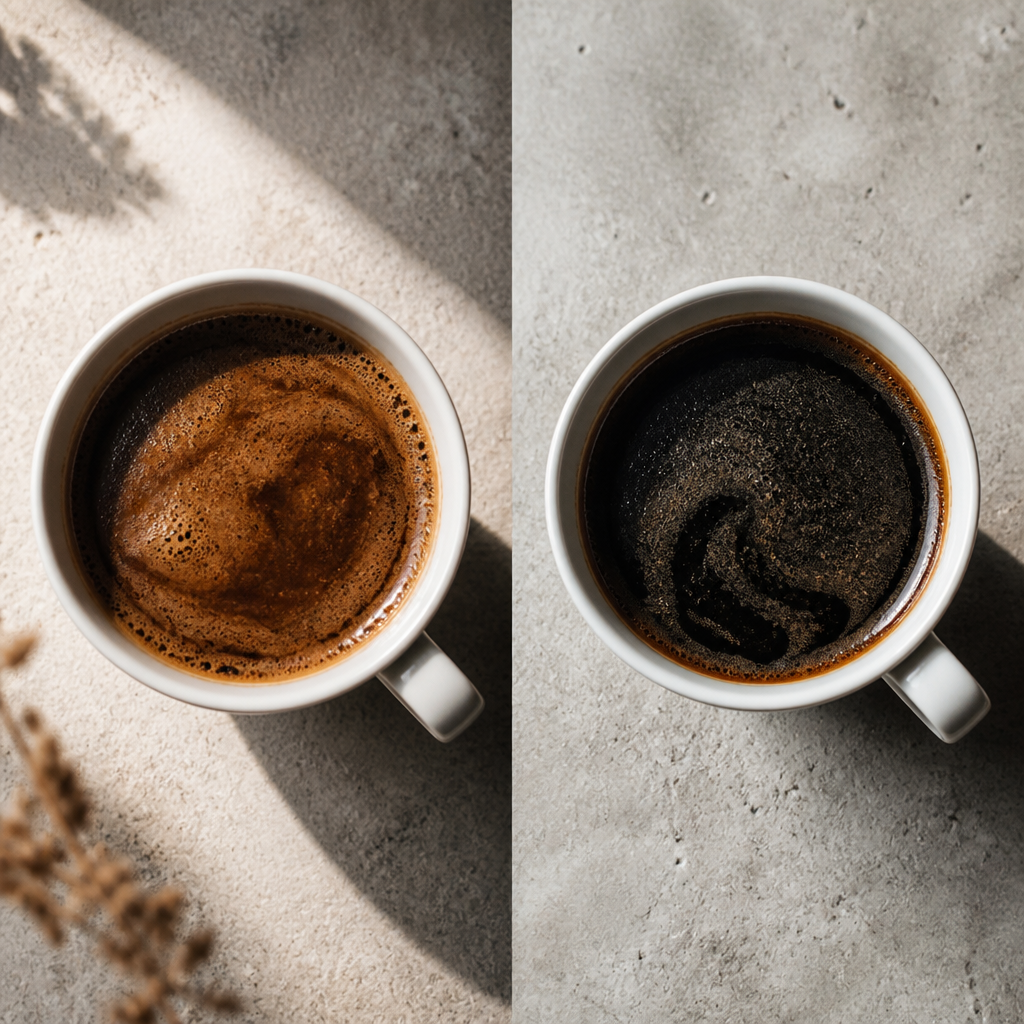
A quality Italian blend produces dark chocolate, roasted almonds, and a caramel finish. There is bitterness, but it is rounded rather than sharp. The aftertaste lingers pleasantly rather than coating the palate with astringency. In espresso, the crema will be a deep amber-brown, thick, and persistent for at least 30 to 60 seconds after extraction if the grind and dose are correct.
When you add milk to an Italian blend espresso, the chocolate and caramel notes integrate with the fat in the milk to produce a genuinely satisfying flat white or latte. The roast is dark enough to cut through milk without being so aggressive that it becomes harsh.
French Continental Flavour Notes
French Continental delivers smoke, dark caramel verging on burnt sugar, and a thick, almost chewy body. There is an earthiness that some drinkers describe as tar-like in lower quality examples, but in a well-roasted version it reads as depth rather than defect. Acidity is essentially non-existent, which makes it approachable for people who find lighter roasts uncomfortably bright or tangy.
Black and without sugar is the optimal way to drink a French Continental. Adding milk can push the smoke and char notes into an unpleasant territory. Adding sugar can actually work reasonably well, as sweetness counterbalances the intensity.
Pro tip: If you find French Continental too intense but enjoy its boldness, try brewing it in a Moka pot with a slightly coarser grind than you would normally use. The reduced contact pressure compared to espresso extracts the flavour compounds more gently, producing a cup that is strong and bold without the harsh edge.
Brewing Methods That Suit Each Style
Roast level and brewing method have a direct relationship. The extraction chemistry that works for an Italian blend in an espresso machine is not the same as what works for a French Continental in a cafetière, and using the wrong combination is one of the most common errors home brewers make.
Best Brewing Methods for Italian Blend
Espresso is the primary use case, full stop. The combination of high pressure, high temperature, and short extraction time suits the roast level perfectly. Italian blend also works well in a Moka pot, which produces a concentrated, espresso-adjacent cup. For filter or pour-over, Italian blend can work but produces a heavier, less nuanced cup than a medium roast would in the same method.
Best Brewing Methods for French Continental
Cafetière is the natural home of French Continental. The full immersion method, typically four to five minutes at just off-boiling water temperature, gives the coffee time to express its full, heavy body without the sharpness that pressure extraction would introduce. Filter coffee works reasonably well too, though the absence of a metal mesh means some of the oils that give French Continental its body are caught by paper filters, producing a slightly thinner result.
Avoid using French Continental in an Aeropress with a fine grind. The combination of pressure and fine grind will over-extract the already heavily roasted coffee into something close to undrinkable bitterness. If you want to use Aeropress, use a very coarse grind and a short steep time of around 90 seconds.
Side-by-Side Comparison
| Feature | Italian Blend Coffee | French Continental Coffee |
|---|---|---|
| Roast Level | Full City Plus, just before or at second crack | French Dark, through and past second crack |
| Bean Surface | Dry to minimally oily, deep mahogany colour | Distinctly oily, near-black colour |
| Primary Flavour Notes | Dark chocolate, caramel, roasted almonds | Smoke, dark caramel, earthy depth, burnt sugar |
| Best Brewing Method | Espresso, Moka pot | Cafetière, filter, Moka pot (coarse grind) |
| Performance with Milk | Excellent, integrates well in lattes and cappuccinos | Can become harsh; better enjoyed black |
| Typical Bean Composition | Arabica with 10-20% Robusta for crema | Predominantly Arabica, heavily roasted |
| Acidity | Low, with a rounded bittersweet finish | Virtually none, fully roast-dominated |
| Grinder Impact | Moderate oil residue, normal maintenance schedule | Higher oil output, more frequent grinder cleaning needed |
Which Should You Choose?
The answer depends on three things: your brewing equipment, whether you take milk, and what role bitterness plays in your ideal cup.
If you own an espresso machine and drink flat whites, cappuccinos, or cortados, choose Italian blend coffee without hesitation. It was developed for this purpose, it performs reliably under pressure, and its flavour profile works with milk in a way that French Continental simply does not. Farrer's Italian blend is a natural starting point because the roast has been refined over generations of espresso-focused production.
If you brew predominantly in a cafetière, drink your coffee black, and enjoy a bold cup with minimal brightness or acidity, French Continental is the correct choice. It delivers an assertive, smoky depth that cafetière brewing brings out at its best. It is also a sensible choice for catering environments where a large French press or filter machine serves a mixed crowd that generally prefers a straightforward, strong black coffee.
A common mistake trade buyers make is ordering Italian blend for cafetière service or French Continental for an espresso menu without testing both. The flavour and texture differences are significant enough that serving the wrong roast in the wrong application will produce a noticeably inferior result for customers.
For hospitality businesses, Italian blend tends to be the safer commercial choice because it performs across both espresso and milk-based drinks, which make up the majority of coffee orders in UK cafes. French Continental serves a more specific audience and works best when customers know what they are ordering.
Frequently Asked Questions
Is Italian blend coffee stronger than French Continental?
Not necessarily in terms of caffeine content. French Continental is roasted longer, which actually reduces caffeine slightly as the roasting process degrades caffeine molecules over time. Italian blend, particularly versions containing Robusta, may have comparable or higher caffeine than a French Continental made entirely from Arabica. In terms of flavour intensity, French Continental tastes bolder and more aggressive, but that perception of strength is a flavour characteristic, not a caffeine measurement.
Can I use an Italian blend in a cafetière?
You can, and many people do. An Italian blend in a cafetière will produce a rich, chocolatey cup with more body than a medium roast would deliver in the same method. It works particularly well if you prefer a strong morning coffee but find French Continental too smoky or intense. Use a coarser grind than you would for espresso and a four-minute steep time.
Why does my French Continental espresso taste burnt?
Because French Continental was not designed for espresso. The high pressure and temperature of espresso extraction amplifies the roast-derived compounds in heavily roasted beans, pushing the cup from dark and bold into genuinely harsh and acrid. If you want a dark espresso, use an Italian blend roasted to the right level. If you have French Continental beans and an espresso machine, try a longer pre-infusion at lower pressure to reduce the extraction aggression.
How fresh does dark roast coffee need to be?
Dark roast coffee, whether Italian blend or French Continental, is at its best between four and fourteen days after roasting. Before four days, residual CO2 from the roasting process can interfere with extraction and produce uneven results.
After fourteen days, the surface oils on dark roasted beans begin to oxidise noticeably, and the cup becomes flat and stale-tasting. Farrer's next-day dispatch on orders over 35 pounds means you are typically receiving beans within days of roasting, which is the correct window.
Do professional baristas use Italian blend or French Continental?
Professional baristas working in espresso-focused cafes almost universally use Italian blend or similar dark-to-medium-dark espresso blends. French Continental is less common in professional espresso settings.
Where it does appear professionally, it tends to be in filter coffee service at establishments that serve a clientele preferring a very bold, no-acidity cup. Specialty coffee competitions have moved almost entirely toward lighter roasts for single origins, but for everyday commercial espresso service, the Italian blend tradition remains the industry standard in the UK.
Which roast style is better for trade buyers supplying cafes?
Italian blend is the more commercially viable choice for most UK cafe operations. It works across espresso, flat white, cappuccino, and Americano service without requiring staff to adjust technique significantly.
French Continental requires customer education and works best when positioned as a deliberate choice on the menu rather than a default house blend. If you are setting up a coffee menu for the first time, start with a quality Italian blend and consider adding a French Continental as an option for filter service or a specialist black coffee offering.
Are there any health differences between the two roast styles?
The extended roasting of French Continental does produce slightly higher levels of certain compounds associated with darker roasts, including acrylamide, which forms when starchy foods are cooked at high temperatures. However, the quantities involved in a cup of coffee are generally considered low by food standards authorities.
The UK Food Standards Agency notes that acrylamide is present across many cooked foods and that moderate coffee consumption does not represent a meaningful dietary risk from this compound. For most drinkers, the health differences between Italian blend and French Continental are negligible compared to factors like total daily caffeine intake.
Have you tried both Italian blend and French Continental in your usual brewing setup? Share what worked, what did not, and which you ended up choosing in the comments below.
References
- Specialty Coffee Association: technical resources on roast profiling and coffee science
- UK Food Standards Agency: guidance on acrylamide in food and beverages including coffee
- Statista: UK coffee market data including consumer preferences for roast styles and brewing methods
- Forbes: coverage of global specialty coffee industry trends and dark roast market positioning
- ScienceDirect: peer-reviewed research on the chemistry of coffee roasting, Maillard reactions, and roast level impact on flavour compounds


