

If you are serious about Colombia coffee in the UK, you have probably already fallen for its zesty brightness and clean fruit character. But ask anyone who has spent time with Farrer's Guatemala Cobán and they will tell you the conversation does not end there. These two origins sit at opposite ends of the single-origin spectrum: one approachable and brilliantly versatile, the other bold, structured, and unapologetically intense. Both are firm favourites at Farrer's roastery in Kendal, and both deserve far more than a passing comparison. This guide breaks down where they come from, how they taste, how to brew them, and which one belongs in your cup right now.
Table of Contents
- Quick Takeaways
- The Case for Single Origin Coffee
- Colombia: Where the Brightness Comes From
- Guatemala: Structure, Chocolate, and Highland Character
- Flavour by Flavour: What Your Palate Will Notice
- Brew Method Guide: Getting the Best from Each Origin
- Side-by-Side Comparison
- Which One Should You Choose?
- Frequently Asked Questions
- References
Quick Takeaways
| Key Insight | Explanation |
|---|---|
| Colombia is the most versatile single origin | It performs well as pour-over, espresso, French press, or cold brew, making it an ideal starting point for anyone new to single origins. |
| Farrer's Colombia has a Great Taste Award behind it | The zesty, citrusy profile and superbly balanced character have been independently recognised, which tells you the roast is doing the bean justice. |
| Farrer's Guatemala Cobán is built for body lovers | Dark chocolate, hazelnut, and dark fruit combine with a weighty mouthfeel, making it a bold, composed cup that rewards patience and slower brewing. |
| Both origins grow at high altitude in volcanic soils | Altitude slows cherry development and concentrates sugars and acids. This is why both origins have complexity that lower-grown commodity coffee simply cannot match. |
| Processing method shapes the cup as much as geography | Both origins use primarily washed (wet) processing, which strips away fruit pulp early and produces a cleaner, more transparent flavour than natural processing. |
| Guatemala Cobán is the bolder evening cup | Its dark roast intensity and low residual sweetness make it well-suited to black coffee in the evening or with a splash of milk in the morning. |
| Colombia suits espresso; Guatemala suits French press | Colombia's brightness cuts through milk beautifully in espresso, while Guatemala's full body and chocolate core are amplified by the French press's metal filter and longer steep. |
The Case for Single Origin Coffee
Blends are engineered for consistency. Single origins are the opposite: they are honest, sometimes variable, and entirely specific to a place. The altitude, the soil, the microclimate, the harvest timing, and the processing method all show up in the cup. That transparency is exactly why specialty roasters like Farrer's treat single origins differently from blends.
When Farrer's roasts Colombia or Guatemala as a single origin, the roast profile is built around that bean's individual character rather than a target flavour designed to survive milk and sugar. The result is a coffee that changes slightly batch to batch as harvests shift, and that is a feature, not a fault.
Single-origin coffees clearly tell the story of the terroir from which they come. Altitude, microclimate, botanical varieties, and processing method translate into distinct and recognisable flavour profiles that blends are specifically designed to obscure.
For customers buying specialty coffee in the UK, the jump from a house blend to a single origin is often the moment everything clicks. Once you taste what Colombian brightness actually is, or what structured Guatemalan body feels like, going back to anonymous blends feels like a step backward.
Colombia: Where the Brightness Comes From
Colombia sits almost exactly on the equator, but its coffee does not taste tropical in any loose, generic sense. The reason is altitude. Key growing regions like Huila and Nariño cultivate coffee between roughly 1,400 and 2,000 metres above sea level, sometimes higher. At those elevations, the temperature swings between warm days and cool nights, which slows cherry development and concentrates the sugars and acids inside the bean.
Huila and Nariño: the two regions worth knowing
Huila, in southern Colombia along the Magdalena River valley, is one of the country's most celebrated growing regions. Coffee grown here tends to show bright acidity, juicy sweetness, and layered fruit complexity. Nariño, further south near the Ecuadorian border, sits at even higher elevations and contributes floral aromatics and vibrant citrus character.
Both regions grow coffee in fertile volcanic soils, which adds a mineral complexity that is impossible to replicate at lower altitudes. The washed processing method, which is the dominant approach in Colombia, removes the fruit pulp before drying. This keeps the cup clean and focused, letting the inherent character of the bean come through rather than adding the fermented or jammy notes you get from natural processing.
What Farrer's Colombia delivers in the cup
Farrer's Colombia is their Great Taste Award-winning single origin. The tasting notes are zesty and citrusy, with a superbly balanced character and strong aroma. This is not a flat or one-dimensional cup. It is bright without being sharp, and structured enough to hold up as a black filter coffee or as the base for a milk-based espresso drink.
Pro tip: If you are brewing Farrer's Colombia as a pour-over, use water at around 93 to 94 degrees Celsius and a medium-fine grind. The brightness amplifies at the right extraction, but if you push the temperature above 96 degrees you risk pulling harsh, astringent notes from those citrus acids.
The Colombia Espresso variant from Farrer's shifts the profile slightly, bringing in chocolate, nuts, and caramel alongside a creamy body and citrus aroma. This reflects how roast development transforms the same origin into something that works differently under pressure.
Guatemala: Structure, Chocolate, and Highland Character
Guatemala does not get the same global attention as Colombia, but among specialty roasters it has a reputation as one of the most structurally interesting origins in Central America. The country's coffee grows among active volcanoes, and the combination of mineral-rich volcanic soil, cool highland air, and well-defined dry seasons produces a cup with unusual depth and texture.
Antigua, Huehuetenango, and Cobán
Guatemala's national coffee association, Anacafé, recognises eight distinct growing regions. Antigua, surrounded by three volcanoes with volcanic pumice soil, is the most famous, producing coffees with smoky, chocolatey, and spicy character alongside balanced acidity. Huehuetenango, in the remote northwestern highlands, is known for lively acidity, wine-like notes, and a high level of body. Cobán, in the north, runs cooler and more humid, producing coffees with fresh fruit aromas and a balanced, even profile.
Farrer's sources their Guatemala single origin from Cobán, and the result reflects that region's particular character. The Cobán designation is described as a deep, structured single origin with a weighty mouthfeel and a dark chocolate core, with hazelnut and dark fruit notes adding quiet complexity.

Why Guatemalan coffee rewards a slower approach
The Guatemala Cobán is harvested at altitudes around 1,400 metres and roasted to a profile that enhances its natural sweetness while adding bold intensity and a smooth finish. The dark roast profile here is not the blunt instrument that cheaper dark roasts tend to be. The underlying structure of the bean is strong enough to carry the roast development without going flat or ashy.
In practice, this means Guatemala Cobán has enough body and weight to stand up to milk without disappearing. It also works beautifully as a black coffee for people who find bright, acidic single origins too much to take first thing in the morning.
Pro tip: For Guatemala Cobán, French press is one of the strongest brew method choices. The metal filter keeps the oils in the cup, which amplifies the chocolate and hazelnut character. Use a coarse grind, steep for four minutes, and press slowly. The body you get from this method plays to everything this bean does well.
Flavour by Flavour: What Your Palate Will Notice
Talking about single origin coffee flavour in abstract terms is easy. The harder task is understanding what those differences actually feel like when you are drinking them back to back. Here is how the two origins compare on the dimensions that matter most.
Acidity
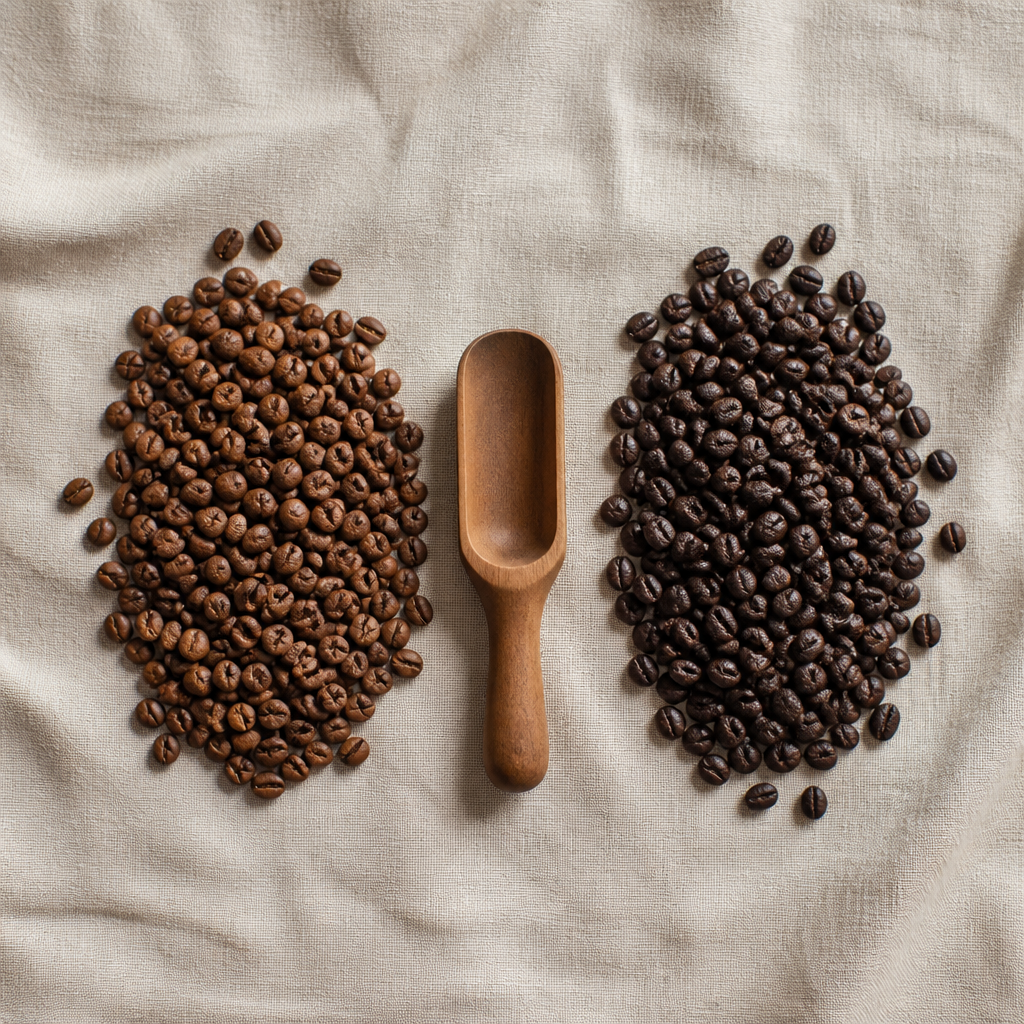
Colombia carries bright, citrus-forward acidity that is clean and immediate. You notice it early in the sip, and it fades into a balanced finish rather than lingering sourly. Guatemala Cobán's acidity is more restrained, leaning toward a vinous or stone fruit quality rather than sharp citrus. If Colombia's acidity is like biting into a fresh orange, Guatemala's is closer to a piece of dark plum.
Body and mouthfeel
This is where Guatemala pulls well ahead. The weighty mouthfeel of the Cobán bean is one of its defining features. It coats the palate and lingers. Colombia is balanced and medium-bodied, which makes it easy to drink and easy to brew well, but it does not have Guatemala's textural presence.
Sweetness and aftertaste
Colombia's sweetness is juicy and fruit-led. Guatemala's sweetness is darker, built around caramel and chocolate rather than fresh fruit. The aftertaste of Guatemala Cobán is longer and more complex, with hazelnut and dark fruit notes that persist after the cup is finished. Colombia finishes cleaner and brighter.
Brew Method Guide: Getting the Best from Each Origin
Single origin coffee is less forgiving of brewing errors than a blend, because there is nothing to mask imbalances. Grind size, water temperature, and brew ratio all matter more when you are working with an origin as specific as these two. The good news is that both Colombia and Guatemala are genuinely approachable once you match the brew method to the bean's strengths.
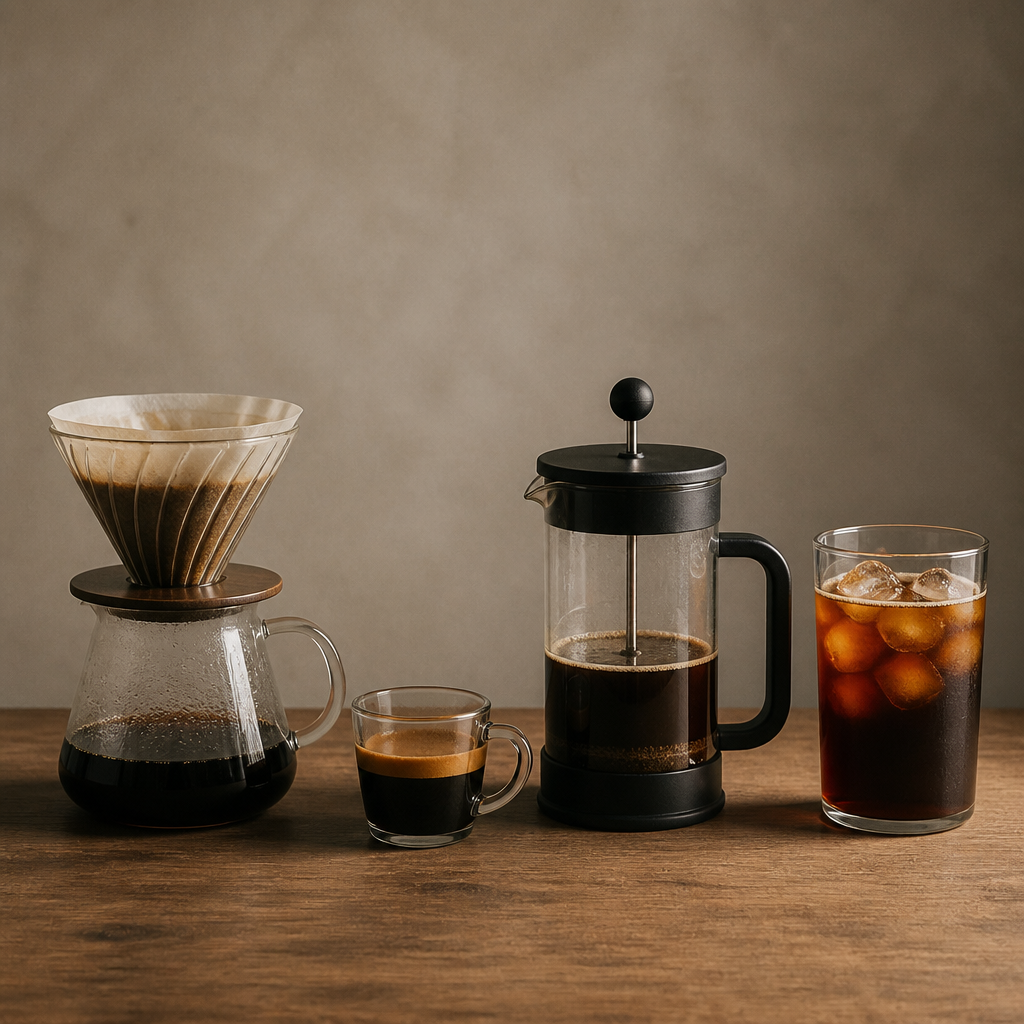
Colombia is the more versatile of the two. It performs well as pour-over, French press, drip, espresso, or cold brew. Its brightness holds up under pressure in espresso and remains clean and structured through paper-filtered methods. If you are buying a single origin for a household with mixed preferences or unknown tastes, Colombian coffee is the safer choice simply because it rarely disappoints across different palates and brewing setups.
Guatemala Cobán is more specific in its sweet spot. It is excellent in French press, where the body is amplified by the metal filter and longer steep. It also works well as a standalone espresso shot, where the chocolate and hazelnut notes translate cleanly under pressure. It is less suited to very light brewing methods like Chemex or Aeropress on a short steep, where its intensity can come across as flat rather than structured.
Side-by-Side Comparison
| Characteristic | Farrer's Colombia | Farrer's Guatemala Cobán |
|---|---|---|
| Primary tasting notes | Zesty citrus, bright fruit, clean aroma | Dark chocolate, hazelnut, dark fruit |
| Body | Medium, balanced | Full, weighty, coats the palate |
| Acidity | Bright, citrus-forward, clean | Restrained, vinous, stone fruit quality |
| Growing altitude | 1,400 to 2,000+ metres (Huila, Nariño) | Around 1,400 metres (Cobán region) |
| Processing | Primarily washed | Primarily washed |
| Best brew method | Pour-over, espresso, cold brew, French press | French press, espresso, moka pot |
| Best drunk | Black or with milk at any time of day | Black in the evening or with a little milk in the morning |
| Recognition | Great Taste Award winner | Nationally recognised single origin |
| Roast approach at Farrer's | Roasted to highlight brightness and balance | Dark roast that enhances natural sweetness and intensity |
Which One Should You Choose?
This is not a question of which coffee is better. It is a question of what you want from your cup at this point in your coffee journey, and at this point in the day.
Choose Farrer's Colombia coffee if you want a single origin that rewards everyday brewing, works across multiple methods, and delivers consistent brightness and balance without demanding much adjustment to your existing routine. It is also the right choice if you are buying for someone who is new to single origins and needs a coffee that is approachable rather than challenging.
Choose Farrer's Guatemala Cobán if you already know you prefer body over brightness, chocolate over citrus, and an intense, lingering finish over a clean, crisp one. It is the coffee for people who find most single origins too light, too sharp, or too similar to each other. The Cobán is distinct and fully committed to its own character.
The most practical move, if you are a Farrer's regular or a trade customer looking to understand both ends of this spectrum, is to order both at once and brew them on the same day, back to back, using the same method. The contrast will tell you everything you need to know about your own preferences faster than any tasting note ever could.
Frequently Asked Questions
What does Colombia coffee taste like compared to Guatemala coffee?
Colombia coffee typically tastes bright, zesty, and citrus-forward with a clean, balanced finish. Guatemala coffee, particularly from the Cobán region as roasted by Farrer's, leans toward dark chocolate, hazelnut, and dark fruit with a full, weighty mouthfeel. Colombia is lighter and more versatile. Guatemala is bolder and more structured.
Is Colombia coffee or Guatemala coffee better for espresso?
Both work well as single origin espresso, but they deliver different results. Colombia's brightness and citrus character translate cleanly under pressure and work particularly well in milk-based drinks like flat whites. Guatemala's dark chocolate and hazelnut notes produce a more intense, bold shot that works best as a standalone espresso or with just a small amount of milk.
Why does Farrer's source Guatemala from the Cobán region specifically?
Cobán produces a distinct style of Guatemalan coffee. Its cooler, more humid growing conditions compared to regions like Antigua or Huehuetenango give the Cobán bean a deep, structured character with a dark chocolate core and quieter, more composed complexity. This matches the bold, full-bodied profile that Farrer's dark roast approach brings out in the bean.
What makes single origin coffee different from a blend?
A blend combines beans from multiple origins, farms, or regions to create a consistent, balanced target flavour. A single origin comes from one place, and everything about that place, including the altitude, soil, microclimate, and processing method, shows up directly in the cup. Single origins are more specific, more transparent, and can vary slightly between harvests. That variability is part of their character.
Which coffee is better for someone new to specialty coffee in the UK?
Colombia is the more accessible starting point. Its balanced brightness, clean finish, and versatility across brew methods mean it is hard to brew badly and easy to enjoy immediately. Farrer's Colombia is also a Great Taste Award winner, which is a useful indicator that the roast is doing the bean justice. Guatemala Cobán is worth trying once you are comfortable with single origins and ready to explore bolder, darker profiles.
Can I buy both Colombia and Guatemala coffee from Farrer's with next-day dispatch?
Yes. Farrer's offers next-day dispatch on orders over £35, so ordering both single origins together is a practical and cost-effective way to run your own side-by-side comparison at home. Both are available in whole bean and pre-ground formats from the Farrer's single origins collection.
How should I store single origin coffee to preserve the flavour?
Store your single origin in an airtight container away from direct sunlight, heat, and moisture. Avoid the fridge, which introduces condensation and can dull delicate flavour notes. Whole bean coffee stays fresh significantly longer than pre-ground, so grind just before brewing if you want to preserve the citrus brightness of the Colombia or the chocolate depth of the Guatemala Cobán at their best.
Which of these two origins has surprised you the most, and what brew method did you use when it clicked? Share your experience in the comments.
References
- Colombia vs Guatemala coffee: a detailed flavour and brewing comparison
- A complete guide to Colombian specialty coffee regions, including Huila and Nariño
- Single origin comparisons across Ethiopia, Colombia, and Guatemala
- A detailed guide to Guatemala's eight coffee growing regions and their flavour profiles
- Guatemala coffee regions and what makes Antigua and Huehuetenango stand out


