

Most people in the UK have been drinking tea from bags their entire lives without questioning whether there is a better way. The answer is yes, and it is not a subtle difference. Loose leaf tea delivers a richer, more complex cup because of how whole tea leaves are processed, stored, and brewed.
If you have ever wondered why a cup of tea at a specialist tea room tastes so much better than the one you made at home with a supermarket bag, this guide will explain exactly why, and what to do about it. Whether you are a home enthusiast or a hospitality buyer sourcing premium tea UK-wide, understanding the leaf-to-cup journey changes how you shop, brew, and taste.
Table of Contents
- What Is Loose Leaf Tea and How Does It Differ?
- Quick Takeaways
- The Quality Gap: Whole Leaves vs. Fannings and Dust
- Taste and Aroma: Why the Difference Is Real
- Health Considerations and the Microplastics Problem
- Cost Per Cup: The Maths People Get Wrong
- How to Brew Loose Leaf Tea Properly
- Loose Leaf vs. Tea Bags: Side-by-Side Comparison
- Frequently Asked Questions
- References
What Is Loose Leaf Tea and How Does It Differ?
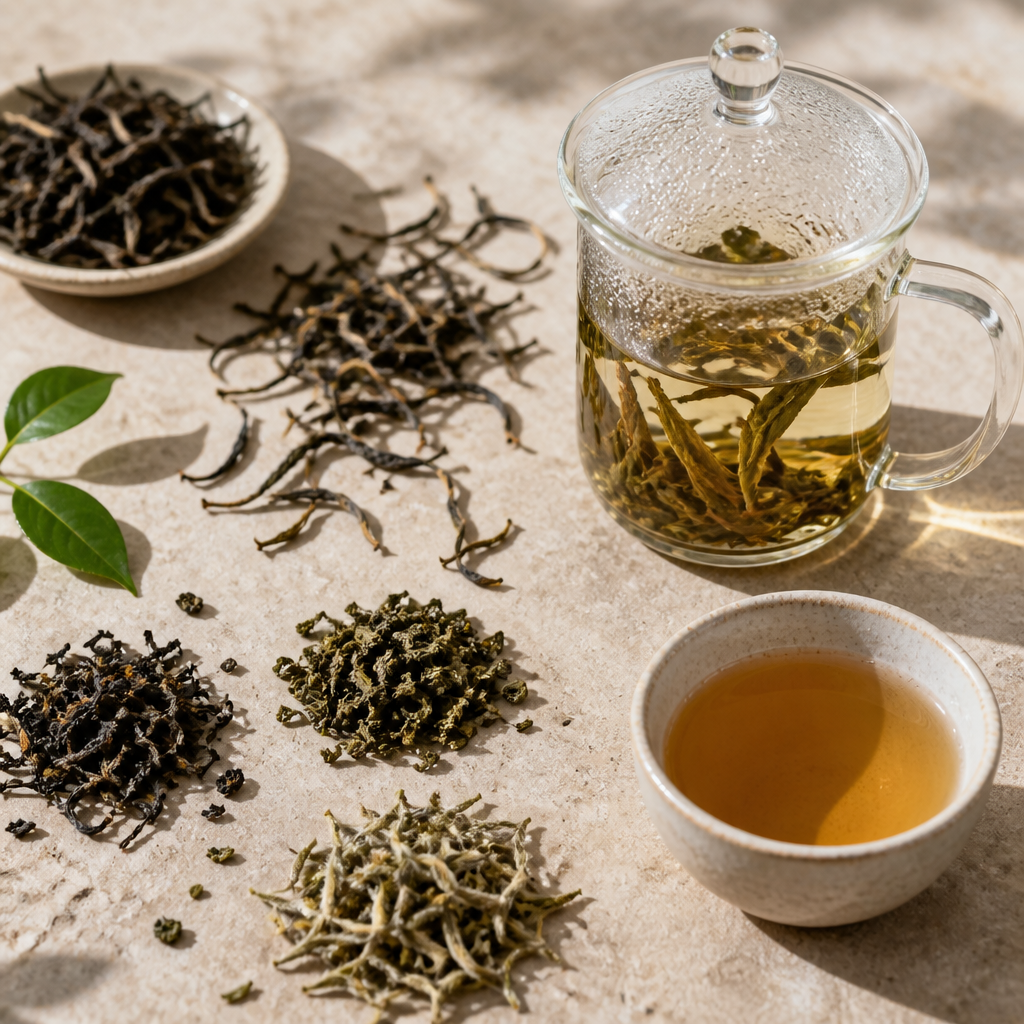
Loose leaf tea refers to whole or large-cut tea leaves that are brewed without a pre-packaged bag. The leaves come directly from the Camellia sinensis plant and are processed with varying degrees of oxidation to produce black, green, white, oolong, and pu-erh varieties. Herbal infusions and rooibos, though botanically different, are also sold and brewed in loose form.
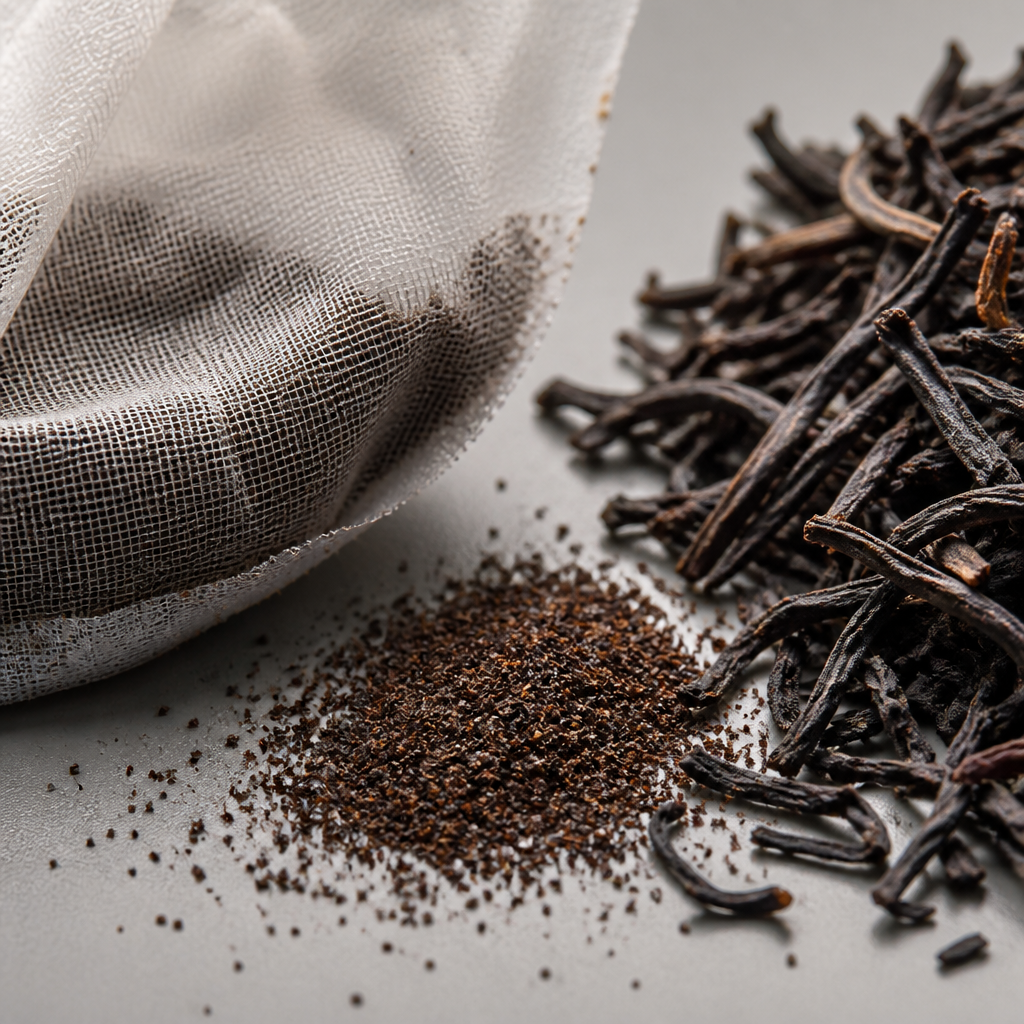
The critical distinction is what ends up in the packet. Loose leaf tea contains intact or minimally broken leaves. Standard commercial tea bags are typically filled with what the industry calls fannings or dust: the small fragments and powder left over after higher-grade leaves have been sorted out. These are fundamentally different products, even when they come from the same origin.
At Farrer's, the UK's oldest coffee and tea roaster, the loose leaf range spans black teas, green teas, fruit and herbal blends, and rooibos, all freshly blended in the Lake District and hand-packed to order. That provenance matters because freshness is a quality factor most supermarket tea bags cannot match.
Quick Takeaways
| Key Insight | Explanation |
|---|---|
| Whole leaves produce better flavour | Intact leaves retain natural oils and flavour compounds that are lost when leaves are crushed into fannings or dust. |
| Many tea bags contain plastic | Nylon and polypropylene pyramid bags can release millions of micro- and nanoplastic particles per millilitre of brewed tea when exposed to hot water. |
| Loose leaf can cost less per cup | Quality loose leaf can be re-steeped two to three times, significantly reducing the cost per cup compared with single-use bags. |
| Tannin release is more controlled | Larger leaf surface area in loose tea slows tannin extraction, producing a smoother, less bitter brew than finely crushed bag tea. |
| Antioxidants are better preserved | Whole leaves preserve catechins and polyphenols far better than broken fannings, which begin oxidising as soon as the cell walls rupture. |
| Temperature control matters more with loose leaf | Different tea types require different water temperatures. Green tea brewed at full boil turns bitter. Black tea can take 100°C. Loose leaf makes this control worthwhile. |
| Premium bags close the gap but do not close it entirely | High-quality biodegradable pyramid bags filled with whole-leaf tea are a genuine improvement, but whole leaf brewed with room to expand still outperforms them. |
The Quality Gap: Whole Leaves vs. Fannings and Dust
When tea leaves are processed, the highest-grade material, large, intact leaves, is sorted and separated. What remains after this sorting are fannings and dust: smaller broken fragments with a much higher surface area relative to their mass. Most mass-market tea bags are filled with these lower-grade remnants, not because manufacturers are trying to deceive consumers, but because fannings brew quickly, which suits the convenience model that dominates supermarket tea.
The problem is that speed comes at a flavour cost. Whole leaves retain more of their natural oils, flavour compounds, and nutrients because the leaf cell structure remains largely intact. Fannings, with their ruptured cell walls, begin oxidising faster and lose much of the aromatic complexity that makes tea interesting.
There is a meaningful difference between mass-market bag tea and quality loose leaf, but when you compare premium bag tea to quality loose leaf, the flavour gap widens while the cost difference shrinks to pennies per cup. The comparison that matters, then, is not "loose leaf vs. all tea bags" but "quality loose leaf vs. quality bag tea," and on that comparison, loose leaf still wins on flavour.
Pro tip: If you are switching to loose leaf for the first time, start with a black tea from a single origin, such as a classic Darjeeling or Assam. Single-origin teas make the flavour difference immediately obvious because there is nothing blended to mask defects or simplify the taste.
Taste and Aroma: Why the Difference Is Real
Flavour in tea comes from a combination of volatile aromatic compounds, tannins, amino acids, and caffeine. The relative balance of these elements is determined by the tea variety, the growing conditions, the processing method, and critically, how much surface area is exposed during brewing.
How whole leaves release flavour differently
When whole or large-cut leaves are placed in hot water, they absorb the water and expand, releasing their compounds gradually. This gradual release produces a cup with layered complexity: initial brightness, mid-cup body, and a lingering finish. Loose leaf brewing gives the leaves the room they need to expand fully, which is why the vessel you brew in matters. A cramped, tight infuser basket produces a noticeably worse result than a roomy teapot.
Fannings, by contrast, infuse almost immediately. That sounds efficient, but the rapid extraction pulls tannins disproportionately, which is why standard bag tea often tastes sharp or astringent rather than smooth. The bitterness is not imagined: smaller, crushed particles steep more tannin into the cup because the greater surface area accelerates extraction.
The aroma factor
Much of what we perceive as flavour is actually aroma. Whole tea leaves retain volatile oils that evaporate when leaves are crushed. By the time fannings reach your cup, a meaningful portion of the aromatic complexity is already gone. This is why high-quality loose leaf teas from Farrer's, where freshness is a core part of the offer, smell markedly more interesting before brewing even begins.
Pro tip: Smell your loose leaf tea before adding water. If it smells flat or dusty rather than grassy, floral, or earthy depending on the variety, the tea has aged past its best. Fresh, well-stored loose leaf should have a distinct and pleasant aroma even dry.
Health Considerations and the Microplastics Problem
Tea has a well-documented association with polyphenols, particularly catechins and flavonoids, which function as antioxidants. Whole leaves preserve these compounds better than broken fannings because the cell walls remain intact for longer, slowing the oxidation process that degrades these nutrients.
Whole leaves preserve catechins and polyphenols far better than broken fannings, which begin oxidising the moment the cell walls rupture. A quality loose-leaf green tea delivers more antioxidants per cup.
The microplastics issue with some tea bags
Beyond nutrient quality, there is a growing concern specific to certain tea bag materials. Many commercial tea bags, particularly the pyramid-shaped "silky" variety, are made from nylon or polypropylene rather than paper. Studies have shown that polymer-based tea bags can release millions to billions of micro- and nanoplastic particles per millilitre of brewed tea when steeped in hot water. Polypropylene, one of the worst offenders, has been recorded releasing roughly 1.2 billion plastic particles per millilitre in some research contexts.
The health implications of ingesting microplastics are still being studied, but early research suggests they may contribute to inflammation and immune disruption, and longer-term effects remain poorly understood. The precautionary case for avoiding plastic-based bags is straightforward. Loose leaf tea, brewed in a stainless steel infuser, glass teapot, or ceramic pot, introduces no plastic into your cup at all.
Not all bags carry this risk. Biodegradable paper bags, and pyramid bags made from cornstarch, are plastic-free alternatives worth seeking out. But the safest route, and the tastiest, remains loose leaf brewed in a non-plastic vessel.
Cost Per Cup: The Maths People Get Wrong
The assumption that loose leaf tea is significantly more expensive than tea bags is widespread and largely wrong when you look at the actual cost per cup rather than the upfront price per packet.
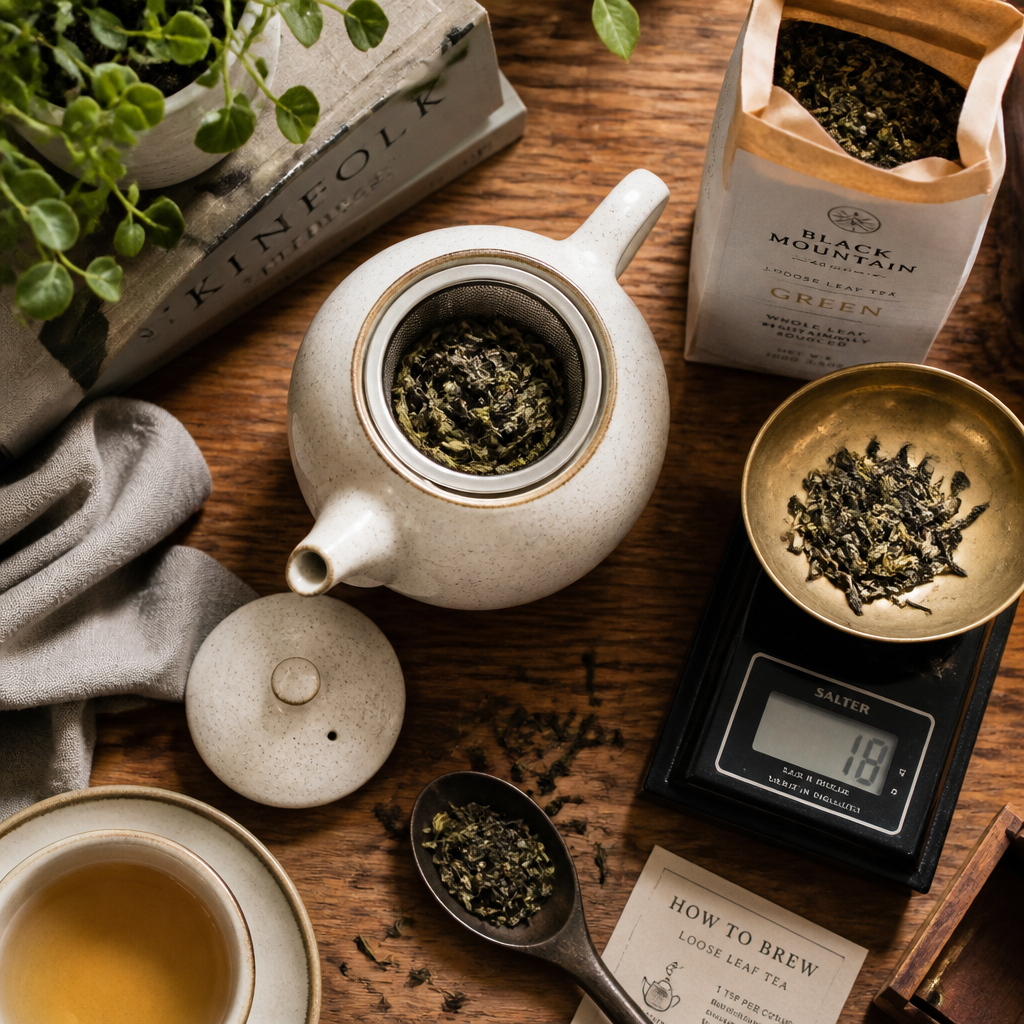
A 100g pouch of quality loose leaf tea, priced roughly in the range of £8 to £12 at a specialist retailer, typically yields 33 to 50 cups when measured at 2 to 3 grams per cup. Many loose leaf teas, particularly greens, whites, and oolongs, can be re-steeped two to three times, which pushes the per-cup cost further down. When you account for re-steeping, quality loose leaf tea can genuinely cost less per cup than a premium tea bag.
What you actually pay for with tea bags
A significant portion of the cost of a box of tea bags is in the packaging, the bag material, the individual wrapping, and the box itself. With loose leaf, you pay for the tea. That shift in value allocation is one reason why Farrer's loose leaf range offers strong value for both home drinkers and hospitality buyers: there is no unnecessary packaging to subsidise.
For trade customers, the economics are even clearer. Serving loose leaf tea in a hospitality environment, with a small infuser pot or a strainer, signals quality to guests in a way that a generic tea bag never will, and the cost per pot is comparable once you account for the perception of premium service.
How to Brew Loose Leaf Tea Properly
The most common mistake people make when switching to loose leaf is treating it exactly like a tea bag: dropping it into boiling water and removing it after two minutes. Loose leaf rewards a slightly more deliberate approach, and once you have the habit, it takes no longer than making bag tea.
Equipment you need
You need three things: a way to hold the leaves, a vessel to brew in, and a kettle. A simple stainless steel mesh infuser or a teapot with a built-in strainer is sufficient for most home use. For the best results, use a teapot or mug infuser large enough that the leaves have room to expand rather than being compressed. A cramped infuser limits leaf expansion and produces a thinner, less expressive cup.
Water temperature by tea type
Black teas generally take fully boiled water at or near 100°C. Green teas are easily damaged by boiling water, which extracts too many tannic acids and turns the cup bitter. For green tea, water between 70°C and 80°C produces a noticeably smoother result. White teas are delicate and do best around 75°C to 85°C. Herbal infusions and rooibos generally tolerate boiling water well.
Steeping time and re-steeping
Most black teas reach full extraction between 3 and 5 minutes. Green teas are often best at 2 to 3 minutes. Over-steeping is the main cause of bitterness in home-brewed loose leaf, so err on the shorter side initially and adjust to taste. For teas that can be re-steeped, add 30 seconds to a minute with each subsequent steeping. The second steep of a good oolong or white tea is often the best one.
Pro tip: Use filtered or low-mineral water if your tap water is hard. Heavily mineralised water actively suppresses the delicate aromatics in quality loose leaf tea. This is one of those adjustments that feels minor but produces a clearly noticeable improvement in the cup.
Loose Leaf vs. Tea Bags: Side-by-Side Comparison
| Factor | Quality Loose Leaf Tea | Standard Supermarket Tea Bags |
|---|---|---|
| Leaf quality | Whole or large-cut leaves, minimal processing | Fannings and dust, higher surface area, faster oxidation |
| Flavour complexity | Layered, nuanced, can include floral, earthy, and fruity notes | Fast extraction, often sharp or one-dimensional, risk of bitterness |
| Antioxidant content | Higher, cell walls intact and oxidation slower | Lower, cell walls ruptured during processing, faster degradation |
| Microplastic risk | None when brewed in non-plastic equipment | High in nylon or polypropylene pyramid bags; lower in paper bags |
| Cost per cup (re-steeped) | Comparable to or lower than premium bags when re-steeped | Fixed cost per cup, no re-steeping benefit |
| Brewing control | Full control over leaf amount, steep time, and water temperature | Limited control, pre-determined leaf quantity and cut |
| Environmental footprint | Lower packaging, no individual wrappers, compostable spent leaves | Higher packaging burden, plastic sealant in many paper bags |
Frequently Asked Questions
Is loose leaf tea really better than tea bags?
For flavour and aroma, yes, consistently. Whole leaves retain more of the tea's natural oils and aromatic compounds than the fannings and dust used in most standard tea bags. The quality gap narrows when comparing loose leaf to premium whole-leaf bag teas, but loose leaf brewed with room to expand still produces a more expressive cup. The additional benefit of avoiding microplastics from plastic-based bags makes the case for loose leaf stronger still.
What equipment do I need to start brewing loose leaf tea?
You need a loose leaf infuser or strainer, a mug or teapot, and a kettle. A stainless steel mesh basket infuser that fits over your mug is the simplest starting point and costs very little. For a better result, use a roomy teapot with a built-in strainer rather than a cramped infuser ball, as leaf expansion directly affects the quality of extraction. You do not need specialist equipment to brew excellent loose leaf tea at home.
How much loose leaf tea do I use per cup?
The standard measure is approximately 2 to 3 grams of loose leaf tea per 250ml of water, which is roughly one teaspoon for denser teas like black and green, and one heaped teaspoon or more for fluffy, light teas such as white or chamomile. Adjust to taste. Many people find they prefer a slightly higher leaf-to-water ratio than the standard recommendation, particularly for black teas.
Can I re-steep loose leaf tea?
Yes, and for many tea types you should. Green, white, and oolong teas in particular benefit from multiple steepings. The second or third infusion often draws out different flavour compounds from the first, sometimes producing a smoother, sweeter cup. Add 30 seconds to a minute to the steeping time with each subsequent infusion. Black teas can usually be re-steeped once. Herbal infusions tend to give most of their flavour in the first steeping.
Is loose leaf tea more expensive than tea bags?
Not necessarily, once you factor in re-steeping. A quality loose leaf tea priced at £8 to £12 per 100g typically yields 33 to 50 cups from a single steeping, and many teas can be brewed two to three times per measure. The upfront cost per packet can look higher than a box of 80 supermarket bags, but the cost per cup is comparable or lower for quality loose leaf, especially when re-steeped. You also pay purely for the tea rather than for individual bag wrappers and packaging.
What loose leaf teas does Farrer's offer?
Farrer's stocks a curated range of loose leaf teas including black teas, green teas, fruit and herbal infusions, and rooibos, all freshly blended in the Lake District and hand-packed to order. As the UK's oldest coffee and tea roaster with over 200 years of heritage, Farrer's sources for quality and freshness rather than commodity volume. Orders over £35 qualify for next-day dispatch, making it practical to stock up for home or for a hospitality business.
Is loose leaf tea suitable for cafes and restaurants?
Absolutely, and it is increasingly expected by guests who seek quality. Serving loose leaf tea signals care and craftsmanship in a way that a generic tea bag does not. Farrer's supplies trade customers directly, offering professional-grade loose leaf teas suited to service environments where flavour consistency across a full service period matters. Hospitality buyers can also access product guidance to help match the right tea to their menu rather than defaulting to what happens to be available from a supermarket wholesaler.
Have you made the switch from tea bags to loose leaf, or are you still on the fence? Share your experience or questions below, we would love to hear what you are drinking.
References
- Research overview: how tea bags release micro- and nanoplastics during brewing and what the health implications may be
- Farrer's guide to choosing between loose leaf tea and tea bags, including cost and flavour considerations
- Economics, flavour science, and environmental cost breakdown of loose leaf tea versus tea bags
- Detailed guide to how whole leaves and fannings differ in processing, flavour, and quality
- Eight reasons to switch to loose leaf tea, including antioxidant content and cost per cup analysis


