

If you have ever brewed a dark roast in a French press and ended up with something thin and oddly bitter, or packed a moka pot too tight and produced something closer to tar than espresso, you already know the problem: not every brewing method treats a dark roast the same way. This French press coffee guide cuts through the noise to give Farrer's customers a clear answer. Farrer's dark roasts, hand-roasted in small batches in Kendal, are designed to carry deep chocolate, caramel, and full-body character. Getting that into your cup depends entirely on how you brew. Below, we compare the French press and moka pot head to head so you can stop guessing and start brewing better.
Table of Contents
- Quick Takeaways
- What a French Press Does to Dark Roast Coffee
- What a Moka Pot Does to Dark Roast Coffee
- Head-to-Head Comparison: French Press vs Moka Pot for Dark Roasts
- Which Farrer's Blends Work Best in Each Method
- Common Mistakes and How to Fix Them
- Frequently Asked Questions
- References
Quick Takeaways
| Key Insight | Explanation |
|---|---|
| French press preserves coffee oils | The metal mesh filter lets natural oils pass directly into the cup, giving dark roasts a richer, fuller body that paper filters strip away. |
| Moka pot concentrates flavour under pressure | Steam pressure (roughly 1-2 bar) forces water through grounds, producing a more concentrated, espresso-adjacent cup that amplifies bold dark roast notes. |
| Water temperature is critical for dark roasts in a French press | Boiling water can push bitter compounds from dark beans. Water around 93-96°C (just off the boil) pulls sweetness instead of harsh roast bitterness. |
| Grind size differs significantly between the two methods | French press needs a coarse grind to prevent over-extraction during the 4-minute steep. Moka pot needs a medium-fine grind to build pressure correctly. |
| Moka pot rewards bold, full-bodied blends like Farrer's Restaurant Blend | High-pressure extraction intensifies existing flavour, so blends that already carry deep berry and roast character produce the most satisfying moka pot results. |
| French press suits those who want low-acid, chocolatey cups at home | Full immersion brewing amplifies body over brightness, making it ideal for Farrer's darker, smoother blends intended for relaxed, long drinks. |
| Neither method requires expensive equipment | Both the French press and moka pot are low-cost, no-electricity options that reward attention to detail over hardware investment. |
What a French Press Does to Dark Roast Coffee
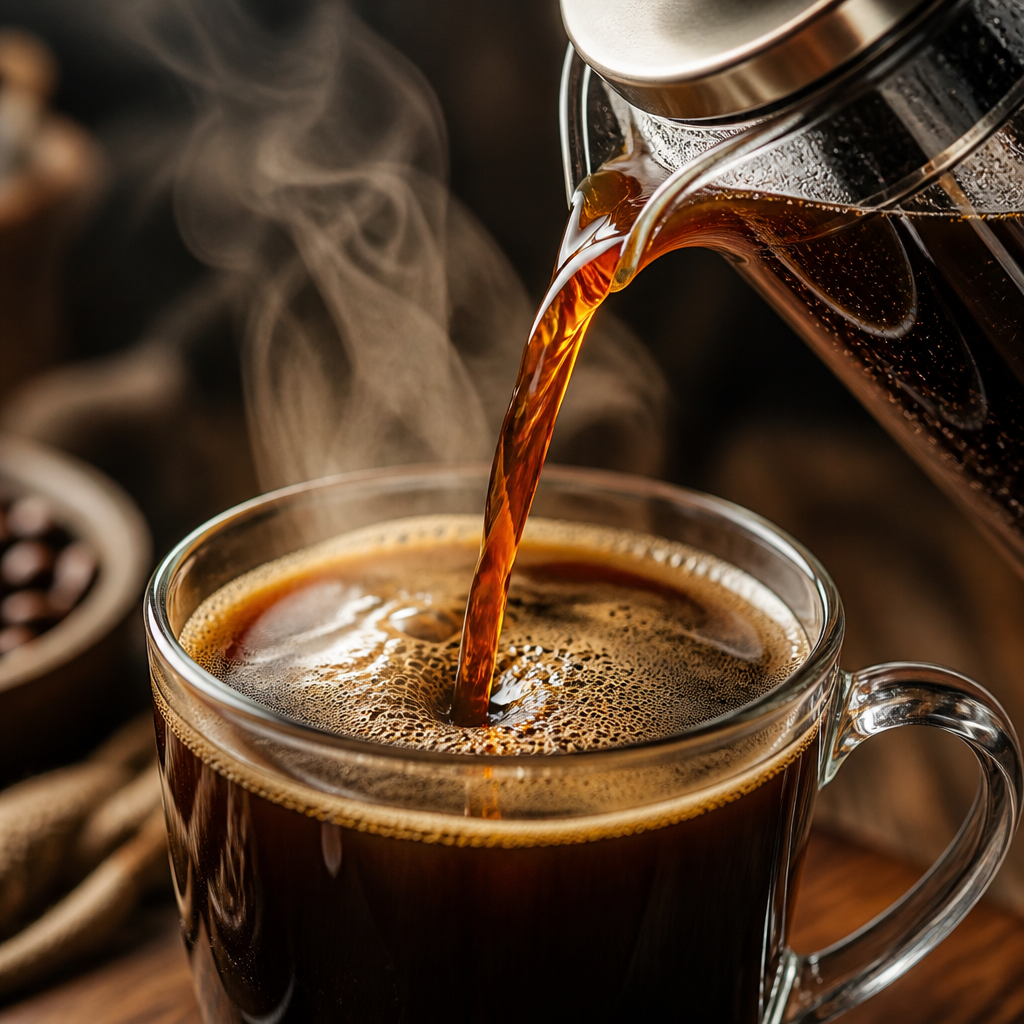
The French press is a full-immersion brewer. Ground coffee sits in hot water for the entire steep time, typically four to five minutes, and the only filtration is a coarse metal mesh. That mesh is the key distinction: it allows coffee oils and fine particles to remain in the cup rather than being trapped by paper. For dark roasts, this matters enormously because much of the chocolatey, velvety character that Farrer's achieves through small-batch roasting is carried in those oils.
A common mistake with dark roasts in a French press is treating them identically to lighter roasts. Dark beans are more soluble because the roasting process has broken down cellular structure further. Pour boiling water (100°C) directly over a dark roast and you will extract bitter, ashy compounds before the sweeter notes have a chance to develop. Letting the kettle sit for 30 to 60 seconds after boiling, reaching roughly 93-96°C, consistently produces a smoother, more balanced result.
The steep time also matters more than most guides acknowledge. Four minutes is the standard starting point, but dark roasts can become over-extracted between the four and five minute mark if your grind is on the finer side of coarse. A practical rule: if your French press consistently tastes harsh rather than bitter, grind coarser first. If it tastes sour or flat, try a slightly finer grind before touching the steep time.
Dark roast coffee brewed in a French press should taste like the best of the bean, not the harshest. Full immersion, correct temperature, and enough time, but not too much, are the three variables that separate a great cup from a disappointing one.
French Press Ratio for Dark Roasts
A 1:15 ratio of coffee to water by weight is a reliable starting point. For a standard 350ml French press, that means approximately 23g of coffee. Farrer's darker blends, which tend to carry strong body rather than delicate brightness, can hold their character at ratios as strong as 1:12 without tipping into bitterness, provided the grind and temperature are correctly dialled in.
Pro tip: Preheat your French press with hot water before brewing. Pouring your brew water into a cold glass cylinder drops the temperature by several degrees immediately, which shortens effective extraction time and flattens the cup. It takes less than a minute and makes a measurable difference.
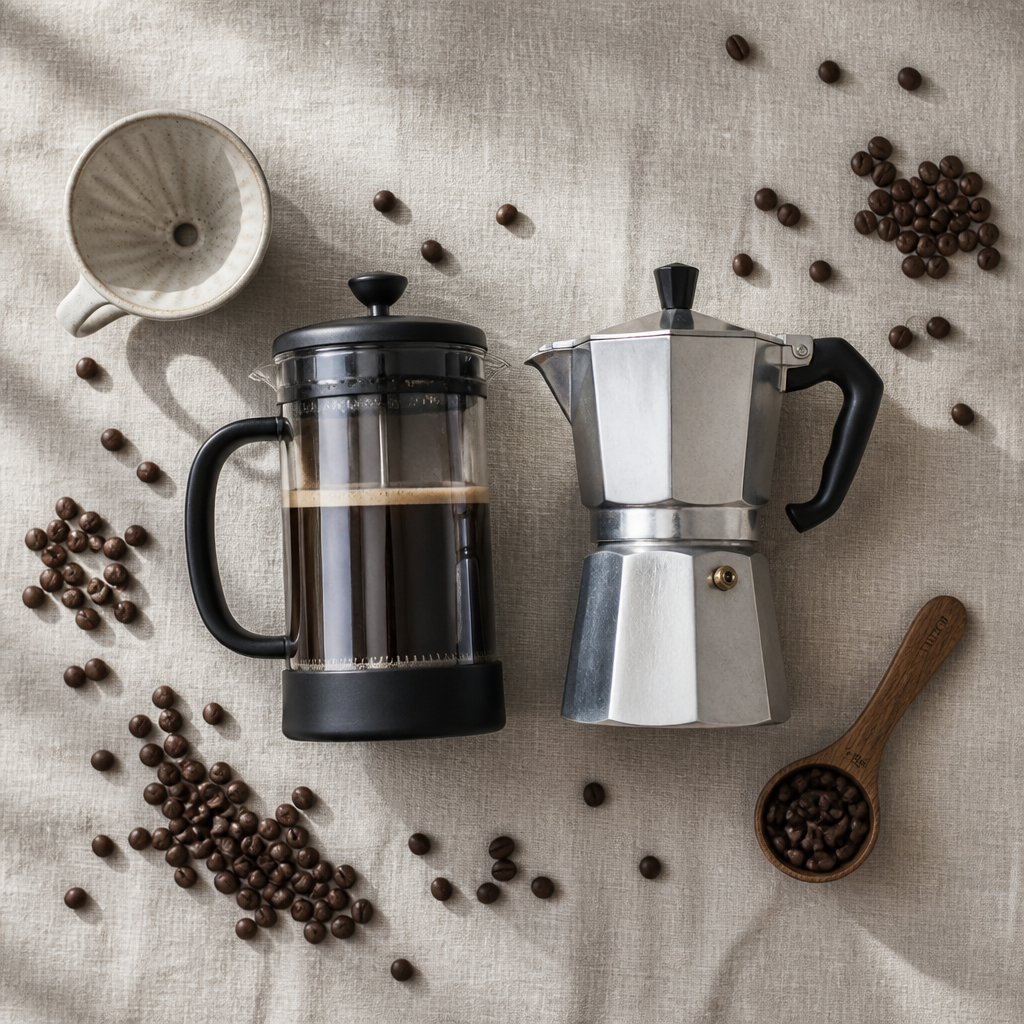
What a Moka Pot Does to Dark Roast Coffee
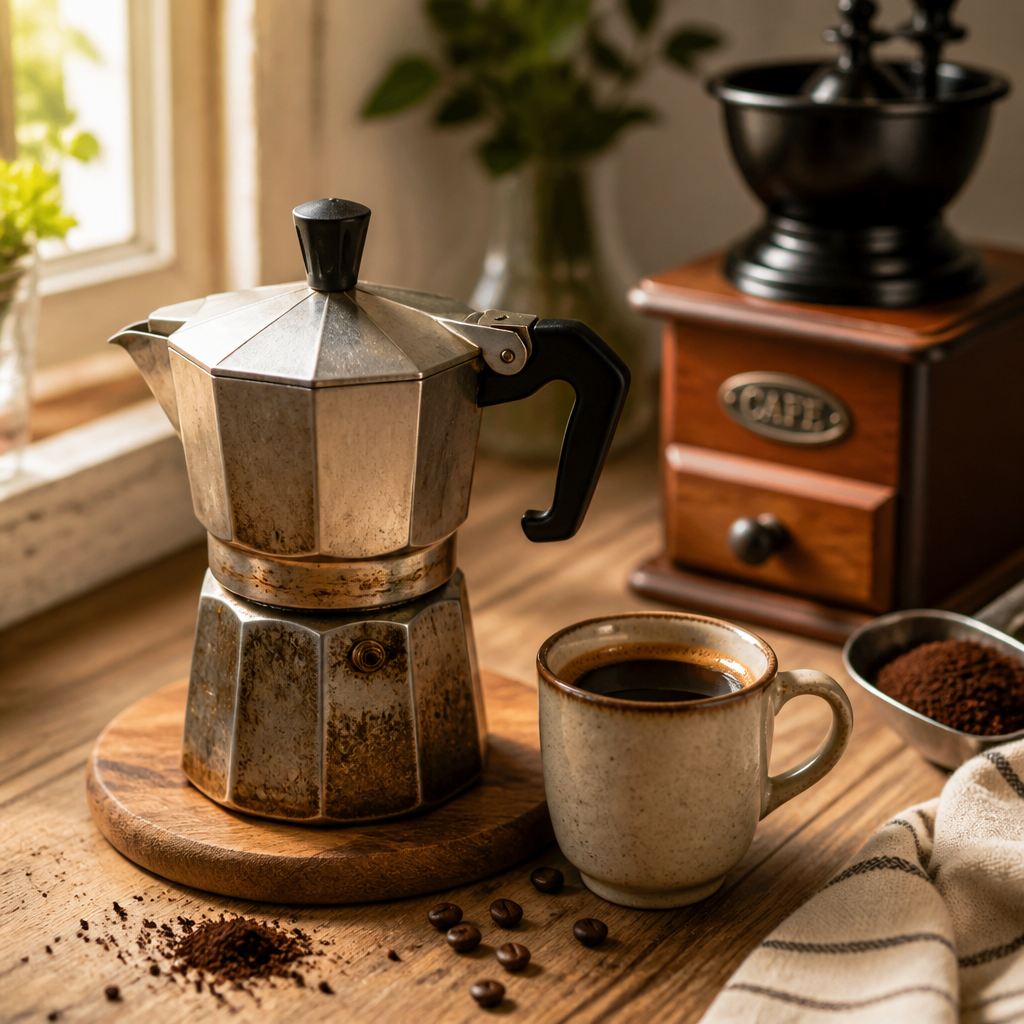
The moka pot works differently in almost every respect. Water in the sealed lower chamber heats on the stovetop, building steam pressure that forces hot water up through a basket of ground coffee and into an upper collection chamber. The result is a concentrated, intensely flavoured coffee that sits somewhere between a strong filter brew and an espresso in character. For dark roasts, this means the moka pot amplifies what is already there: bold blends become bolder, chocolatey notes become more pronounced, and body becomes almost syrupy.
The moka pot has been a staple of Italian kitchens since 1933, and its enduring appeal rests on one thing: it produces remarkable flavour concentration from very simple equipment. For Farrer's customers who want something closer to a café-strength dark roast without an espresso machine, it is the most practical route available.
Getting the Grind Right for Moka Pot Dark Roasts
Grind size is where most moka pot failures begin. The correct target for a moka pot is medium-fine, coarser than espresso but finer than drip or French press. A useful texture reference is granulated sugar. Go too fine, and pressure backs up badly, producing over-extracted, harsh coffee or triggering the safety valve. Go too coarse, and the water rushes through without building proper extraction, leaving a weak, watery result.
Dark roasts for moka pots benefit from medium heat rather than high heat. High heat accelerates extraction faster than the flavour compounds can develop evenly. Place the moka pot over medium heat, and once coffee begins flowing into the upper chamber, lower the heat further. Remove the pot from the heat entirely as soon as you hear a sputtering sound, which signals the lower chamber is nearly empty. Leaving it on the heat past this point scorches the last of the extract and ruins the cup.
Pro tip: Fill the moka pot's lower chamber with water that is already hot, not cold tap water. Starting with hot water means the pot reaches brewing temperature faster and the grounds spend less time sitting in warming (rather than brewing) water, which reduces the chance of bitter pre-extraction.
Moka Pot and Milk-Based Drinks
Because moka pot coffee is significantly more concentrated than French press output, it works naturally as a base for milk drinks. A double shot from a 3-cup moka pot topped with steamed or frothed milk produces something genuinely close to a flat white or cortado. Farrer's Classic Espresso Blend, a dark, medium-to-high roast with rich chocolate notes and soft acidity, is well-suited to this approach.
Head-to-Head Comparison: French Press vs Moka Pot for Dark Roasts
Both methods produce excellent dark roast coffee, but they produce different cups. The table below compares them across the variables that matter most when brewing Farrer's darker blends at home.
| Factor | French Press | Moka Pot |
|---|---|---|
| Grind Size | Coarse (sea salt texture) | Medium-fine (granulated sugar texture) |
| Brew Time | 4 to 5 minutes steep | 5 to 8 minutes on stovetop |
| Water Temperature | 93-96°C (just off boil) | Start with hot water, medium stovetop heat |
| Coffee-to-Water Ratio | 1:15 (approx. 23g per 350ml) | Fill basket level, lower chamber to valve |
| Cup Strength | Full-bodied, medium strength | Concentrated, espresso-adjacent |
| Oil Retention | High (metal filter only) | Moderate (some oils pass through) |
| Best For | Chocolatey, low-acid dark roast drunk black or with a splash of milk | Intense dark roast, milk-based drinks, after-dinner coffee |
| Equipment Cost | Low (glass or stainless press) | Low (aluminium or stainless moka pot) |
| Difficulty Level | Beginner-friendly with a few key habits | Simple with practice, less forgiving of grind errors |
Which Farrer's Blends Work Best in Each Method
Farrer's range includes several dark and espresso roasts that perform differently depending on how you brew them. Pairing the right blend to the right method is not about following arbitrary rules. It is about matching extraction style to flavour structure.
Best Farrer's Blends for French Press
The Westmorland Blend is one of Farrer's most popular options and a natural fit for the French press. Its body and rounded character develop fully during the four-minute immersion without the risk of sharpness that more acidic blends can develop under the same conditions. The French press rewards blends built around depth and balance rather than brightness.
Dark roasts from Farrer's that are described on the website as delivering chocolatey or caramel-forward tasting notes are generally the safest choice for French press brewing. The full-immersion method extracts those notes well, and the retained oils give the cup a texture that highlights body rather than acidity.
Best Farrer's Blends for Moka Pot
The Restaurant Blend is described by Farrer's as "an explosive, uncompromising dark roasted blend" with full body and dark berry character. That description maps directly to what moka pot extraction does best: it takes a bold flavour profile and concentrates it without subtlety. Drunk black after dinner or used as the base for a strong milk drink, the Restaurant Blend in a moka pot is one of the more satisfying home brews available at this price point.
The Classic Espresso Blend, with its dark chocolate notes and soft acidity, is equally suited to moka pot brewing. The lower acidity means it does not sharpen unpleasantly under pressure, and the chocolate notes come through cleanly even when the brew runs slightly fast.
Pro tip: Order from Farrer's with a grind size selected for your specific method. Farrer's offers freshly roasted, hand-packed coffee with next-day dispatch on orders over £35, which means you can get freshly ground coffee calibrated for French press or moka pot without needing a grinder at home. Fresh grind on fresh-roasted beans is the single biggest quality upgrade most home brewers can make.
Common Mistakes and How to Fix Them
Most disappointing cups from either a French press or moka pot trace back to a small number of repeatable errors. Recognising them by symptom makes diagnosing your brew much faster.
French Press Mistakes
Leaving the plunger down after brewing is one of the most common sources of bitterness in a French press. Once you have pressed the plunger, pour the coffee immediately. Any liquid left in contact with the grounds after pressing continues to extract, and with dark roasts, that extra contact time produces harsh, over-extracted flavour within minutes. If you are not pouring immediately, decant into a separate vessel.
Using too fine a grind is the other major culprit. The metal filter in a French press will not catch finer particles adequately. They end up in the cup, continue extracting after the plunge, and make the brew muddy and bitter. If your French press regularly tastes gritty and harsh, move to a noticeably coarser grind before adjusting anything else.
Moka Pot Mistakes
Tamping the coffee in the basket is a very common error borrowed from espresso habits. Do not tamp. Level the grounds gently and leave them loose. Tamping in a moka pot creates excessive resistance, causing dangerous pressure build-up and producing over-extracted, harsh coffee. The moka pot generates its own extraction pressure without any assistance from compaction.
Brewing on high heat is similarly damaging. High heat accelerates the process but rushes water through the grounds faster than good extraction allows. The result is scorched, bitter coffee that smells sharp and tastes worse. Medium heat from the start and a reduction to low once the flow begins is the reliable technique used by experienced moka pot brewers.
In practice, the difference between a mediocre moka pot cup and an outstanding one is almost never the coffee itself. It is the heat level, the grind, and whether or not someone left it on the stove past the sputtering point.
Frequently Asked Questions
Is a French press or moka pot better for dark roast coffee?
Both work well with dark roasts, but they produce different cups. The French press delivers a full-bodied, lower-intensity brew where the chocolate and caramel notes of a dark roast develop smoothly during immersion. The moka pot concentrates those same flavours under pressure for a stronger, more espresso-like result. If you drink your coffee black and value body over intensity, the French press is the better fit. If you prefer a stronger cup or plan to add milk, the moka pot wins.
What grind size should I use for a French press with Farrer's dark roasts?
Use a coarse grind, roughly the texture of coarse sea salt. Dark roasts are more soluble than lighter roasts because the roasting process breaks down the bean's cellular structure further. A coarser grind slows down extraction during the four-minute steep, preventing the bitter compounds that over-extraction produces. If your cup is sour or flat, you can move slightly finer, but coarse is almost always the correct starting point for dark roasts in a French press.
Can I use the same Farrer's coffee blend in both a French press and a moka pot?
Yes, with different grind sizes. Many of Farrer's dark roast blends perform well in both methods, but the cup will taste noticeably different because the extraction mechanisms are so different. The French press will produce a smoother, oilier, more rounded cup. The moka pot will produce something more concentrated and intense. Order whole beans and grind to the appropriate size for whichever method you are using that day, or order separate pre-ground batches calibrated for each.
Why does my moka pot coffee taste bitter when I use a dark roast?
Bitterness in a moka pot with dark roast coffee usually comes from one of three sources: the grind is too fine and restricting flow, the heat is too high and scorching the extract, or the pot was left on the stove past the point where the lower chamber ran dry. Start by checking grind size, which should be medium-fine, not espresso-fine. Then reduce your heat. Finally, remove the pot from the heat the moment you hear a sustained sputtering sound, which signals the end of extraction.
How does water temperature affect dark roast coffee in a French press?
Water temperature has a larger effect on dark roasts than on lighter ones because dark beans are more soluble and extract faster. Boiling water at 100°C extracts bitter, harsh compounds from dark roast beans very quickly. Water at 93-96°C, which you reach by letting a boiled kettle rest for 30 to 60 seconds, extracts the sweet, chocolatey notes first and leaves more of the harsh compounds behind. For Farrer's darker blends especially, this small temperature adjustment is the easiest way to improve a flat or bitter cup.
Do I need a coffee scale to brew well in either method?
A scale helps with consistency in the French press, where the ratio of coffee to water directly determines strength and extraction balance. For the moka pot, the method is more forgiving of volume-based measurement because the basket size controls how much coffee you use and the lower chamber dictates how much water goes in. That said, even a basic inexpensive kitchen scale will improve your French press consistency significantly and is worth having if you brew daily.
We would love to know which brewing method you reach for with your Farrer's dark roasts, and whether any of these tips changed the way your cup turned out.
We would love your feedback and any insights you would share with others. What perspective would you add?
References
- Moka pot vs French press: a practical comparison of grind, flavour, and brewing mechanics
- Homegrounds guide to moka pot and French press differences including pressure, body, and crema
- Coffee Bros French press brewing guide covering temperature and steep time for dark roasts
- Complete moka pot brewing guide covering grind size, ratio, and step-by-step instructions
- My Home Barista guide to French press brewing with roast-specific temperature and ratio advice


