

Most coffee brands struggle to survive their first decade. Farrer's of Kendal has been roasting since 1819, making it the UK's oldest coffee roaster by a considerable margin. That is not a marketing claim assembled from loose archival records or selective dating. It is a provable, documented lineage stretching across two centuries of British commercial history, through wars, economic collapses, and more coffee trends than most companies will ever witness. If you care about what is actually in your cup and who made it, that history matters more than any rebrand or origin story a newer roaster can construct.
Table of Contents
- Quick Takeaways
- Farrer's History: Over 200 Years in the Making
- What Kendal and the Lake District Give the Coffee
- Hand-Packing and Small-Batch Roasting: Why It Still Matters
- How Farrer's Survived Every Wave of Coffee Culture
- Comparing Heritage in the UK Specialty Coffee Market
- Barista Training and Roastery Experience Days
- Frequently Asked Questions
- References
Quick Takeaways
| Key Insight | Explanation |
|---|---|
| Over 200 years of continuous operation | Farrer's has been roasting in Kendal since 1819, giving it a documented, unbroken trading history that no other currently operating UK coffee roaster can match. |
| Hand-packing is a deliberate quality choice, not a legacy constraint | Farrer's continues to hand-pack its coffee, prioritising batch control and freshness over output volume. This is a values decision with a direct impact on what arrives in your cup. |
| The Lake District location is a genuine competitive asset | Operating from Kendal places Farrer's outside London-centric specialty coffee culture and gives the brand a regional identity that is functionally rare and historically authentic. |
| Heritage does not mean static | Farrer's has expanded from wholesale trade supply into direct-to-consumer e-commerce, barista training, and roastery experience days without abandoning its founding craft principles. |
| 4.9 out of 5 from verified customers | Ratings at this level, collected by an independent verification platform, signal operational consistency rather than occasional excellence or brand-loyal noise. |
| Great Taste Awards recognition across six years | 17 Great Taste Awards in six years is product validation from industry judges, not a self-declared quality claim. |
| Serves both home and trade customers from the same roastery | The dual-channel model means the craft standards applied to a home order are identical to those used for a commercial kitchen. There is no lower-grade product stream. |
Farrer's History: Over 200 Years in the Making
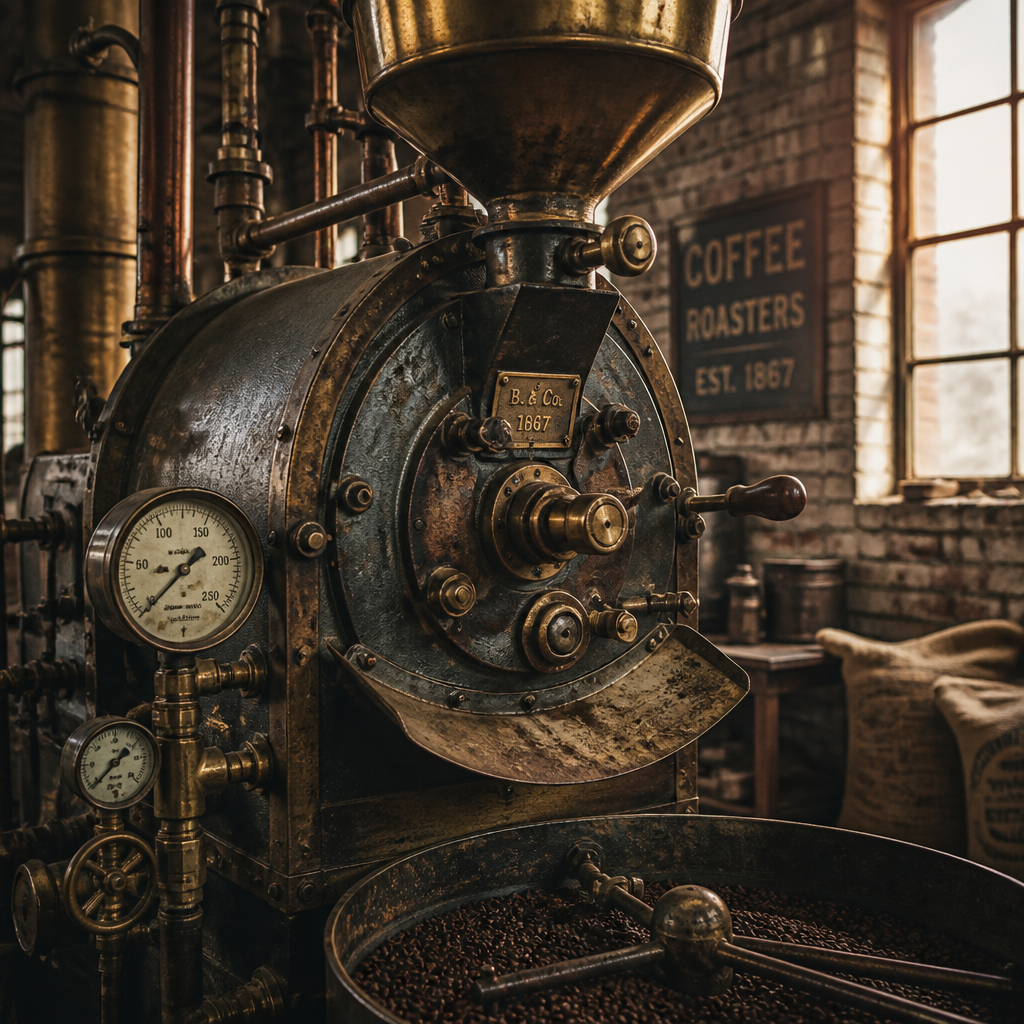
In 1819, John Farrer began trading in the small market town of Kendal, on the edge of what is now the Lake District. Britain at that point was a nation of tea drinkers. Coffee had been fashionable in London's coffeehouse culture during the 17th and 18th centuries, where these establishments served as venues for commerce, debate, and early financial markets. By the early 19th century, tea had largely displaced coffee as the everyday British drink, pushed forward by East India Company trade routes and falling prices. Opening a coffee roastery in a Northern market town in 1819 was not the obvious commercial move. It was a craft commitment.
What John Farrer established has continued without interruption since that year. The company has traded through the Victorian era, two World Wars, post-war rationing, the instant coffee boom of the mid-20th century, and the third wave specialty movement of the 21st. No other currently trading UK coffee roaster has a documented history that predates it.
The business is now formally registered as John Farrer and Co (Kendal) Ltd, based at a modern roastery in Kendal, which sits at the gateway to the English Lake District. The town and the company have grown alongside each other for over two centuries.
Two centuries of roasting does not make you conservative. It makes you precise. You have seen every trend arrive and watched most of them leave. What you are left with is a very clear sense of what actually matters in a cup of coffee.
What Kendal and the Lake District Give the Coffee
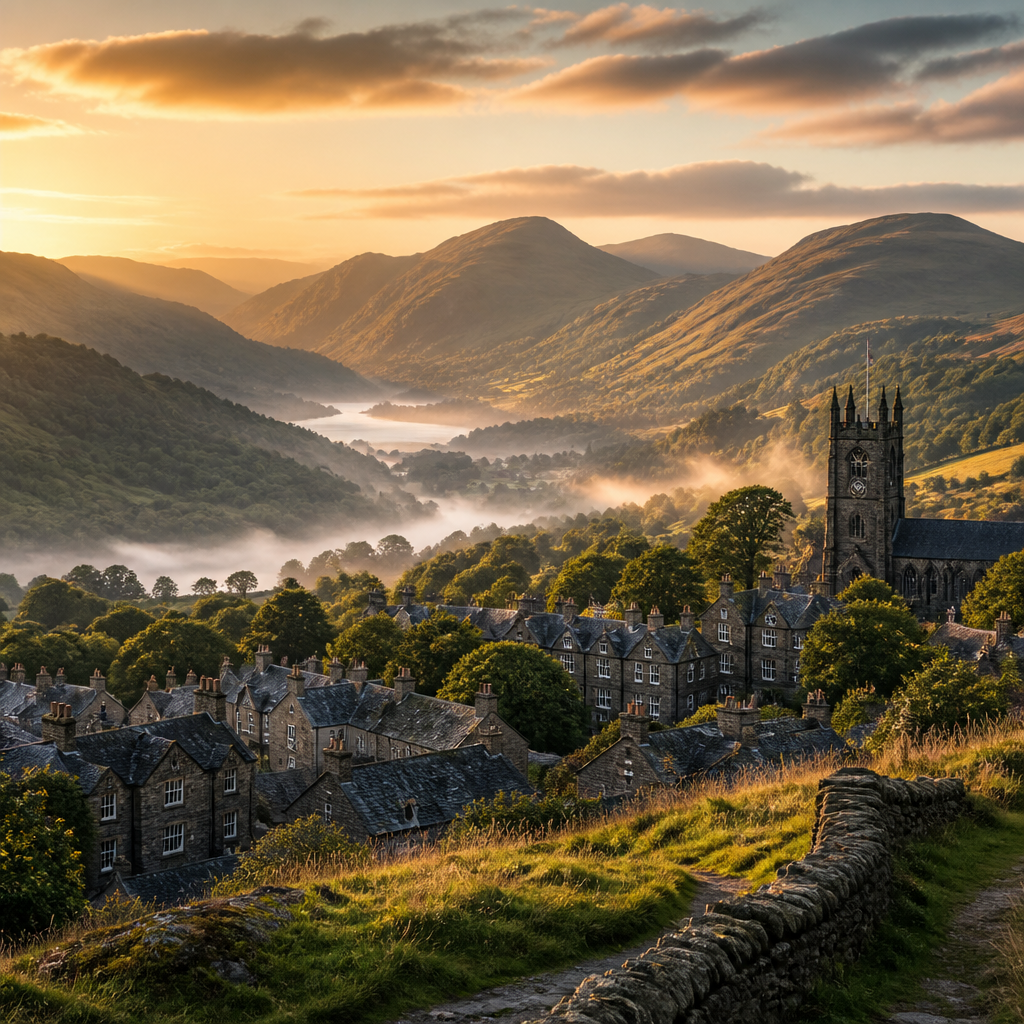
Kendal is not an accident of geography for Farrer's. It is the foundation of everything the brand is. The town sits at the southern edge of the Lake District, surrounded by Cumbrian fells, and has been a working market town since the medieval period. It was a centre of trade long before Farrer's opened, and the commercial infrastructure of a market town gave John Farrer a customer base from the very beginning, including locals, visiting traders, and the hospitality businesses that serviced travellers passing through.
Operating from Kendal also means operating away from the crowded, trend-driven coffee culture that characterises London and other major cities. This is an advantage that is easy to underestimate. Regional identity in food and drink is a genuine differentiator, not a consolation prize. Farrer's has a sense of place that cannot be replicated by a roaster that opened in a warehouse conversion five years ago with a strong Instagram presence.
The Lake District's identity as a place of quality, craft, and natural provenance feeds directly into how Farrer's products are perceived. When you buy coffee from Farrer's, you are buying something that has been made in the same part of the world for over two centuries. That continuity of place is part of the product.
Pro tip: If you are a cafe or hospitality business in the North of England, sourcing from Farrer's lets you offer customers a genuine regional story alongside the coffee. That is a menu conversation that a generic national supplier cannot give you.
Hand-Packing and Small-Batch Roasting: Why It Still Matters
The coffee industry has an automation problem, and it is not what most people think. The problem is not that automation produces bad coffee. It is that automation optimises for throughput, not for the kind of batch-level attention that distinguishes a carefully roasted single origin from a commodity blend. Farrer's hand-packs its coffee, which means each bag is handled with a level of individual attention that high-volume mechanised packing lines cannot replicate.
Why Freshness Is a Function of Process, Not Just Date-Stamping
A bag of coffee can be date-stamped as freshly roasted and still taste flat if the process between roasting and sealing involved unnecessary delay or handling damage. Hand-packing reduces those intervening steps. The roast-to-bag timeline stays short, and the care applied at the packing stage preserves the volatile aromatic compounds that define a good cup.
This matters most for espresso blends, where the balance between acidity, sweetness, and body is calibrated at the roast level and can degrade quickly if packaging is careless. Farrer's has been refining those blends over generations, not just marketing cycles.
Small-Batch Roasting and What It Actually Means
Small-batch roasting allows for greater consistency within a roast, finer control over the roast profile, and faster response when a green coffee crop varies season to season. It is also slower and more labour-intensive than drum-roasting at industrial scale. Farrer's has made this choice deliberately, and the 17 Great Taste Awards collected over six years reflect it. Those awards are judged blind by industry professionals. They are not given for heritage narratives.
How Farrer's Survived Every Wave of Coffee Culture
The history of British coffee drinking is a history of dramatic reversals. The 17th-century coffeehouse era gave way to a tea-dominated 18th century. Instant coffee dominated the mid-20th century. The Italian-style espresso bar arrived in the 1950s and 1960s. The specialty third wave of traceable origins and precise extraction brought an entirely new vocabulary to the category from the 2000s onwards. Farrer's has lived through all of it.
What kept Farrer's operational through each of these shifts was not luck. It was product discipline combined with commercial flexibility. The company has never chased every trend, but it has never ignored the market either. The expansion into brewing equipment, barista training programmes, and roastery experience days represents exactly the kind of considered growth that keeps a heritage brand relevant without losing its core identity.
The Third Wave and How Farrer's Responded
When the third wave of specialty coffee brought new consumer expectations around single origins, transparent sourcing, and precise brew methods, Farrer's response was measured and practical. The company maintained its core blends, which represent the institutional knowledge of over 200 years of roasting, while expanding to include single origins and more transparent sourcing information. It invested in education through barista training and roastery experience days, which are not just revenue streams. They are proof of genuine expertise.
A brand that cannot teach what it knows is a brand that is running on reputation alone. Farrer's can teach it, and that changes the relationship with trade customers entirely.
Pro tip: If you are looking for a trade coffee supplier, ask them whether they offer training alongside supply. Farrer's barista training is BSA-approved and City and Guilds-accredited. That is the level of credential that will actually raise standards in your operation, not a morning induction session.
Comparing Heritage in the UK Specialty Coffee Market
Heritage is used loosely in the coffee industry. Every brand with a worn-out logo and a founding myth claims it. The comparison below uses three real, named positions in the UK specialty coffee market and measures them against what heritage actually requires: continuity of operation, consistency of craft, and depth of trade capability.
| Brand and Founding | Heritage Depth and Authenticity | Trade and Home Customer Offer |
|---|---|---|
| Farrer's Coffee, Kendal, est. 1819 | Over 200 years of continuous roasting in one UK location. Documented, unbroken trading history predating all other currently operating UK coffee roasters. Hand-packing and small-batch roasting remain core to the operation. 17 Great Taste Awards in six years. | Serves home and trade customers from the same roastery. Next-day dispatch on orders over £35. BSA-accredited barista training and roastery experience days available for trade partners. |
| Origin Coffee, Cornwall, est. 2004 | Strong third-wave credentials with a focus on traceable single-origin sourcing. Approximately 20 years of operation. Heritage is built around sourcing transparency rather than roasting continuity. | Active trade and wholesale offer, barista training, and a direct-to-consumer online shop. Strong in the hospitality and specialty cafe segment. |
| Lavazza, Italy, est. 1895 | Over 125 years of operation, primarily in espresso blends. Italian heritage with a global commercial footprint. Not a UK roaster and does not carry the regional provenance story of a Lake District operation. | Wide trade distribution and consumer retail presence in the UK. Products are roasted in Italy, not the UK. Less emphasis on artisan or small-batch positioning. |
The comparison is not a criticism of other brands. It is a clarity exercise. Farrer's simply occupies a category that no other UK roaster can enter, because the category is defined by documented continuous operation from 1819. That is not a positioning choice. It is a historical fact.
Barista Training and Roastery Experience Days
Farrer's offers two forms of direct engagement beyond buying coffee. The first is barista training through what the company describes as the Wessex Training Suite, which is the North West's only Beverage Standards Association-accredited centre offering City and Guilds barista qualifications. Training ranges from half-day introductory sessions through to the full City and Guilds VRQ Level 2 qualification. For a cafe or hospitality business, having a team member hold a nationally recognised qualification changes how you run your operation. It is not a symbolic credential.
The second is the roastery experience day, which brings visitors into the Kendal roastery to trace the journey from 1819 to the present day. This is not a marketing event dressed up as an experience. It is a guided encounter with a working roastery, showing how green beans become the finished product that ends up in a bag. For home enthusiasts who take their coffee seriously, understanding the roasting process changes how you approach brewing at home. For trade buyers, it builds the kind of supplier relationship that goes beyond a price list.
Both programmes connect directly to the same principle that has kept Farrer's operating for over 200 years: if you know what you are doing and you are willing to show it, the product speaks for itself.
Frequently Asked Questions
Is Farrer's genuinely the oldest coffee roaster in the UK?
Yes. Farrer's was established by John Farrer in Kendal in 1819 and has maintained continuous trading operations from the Lake District since then. No other currently trading UK coffee roaster has a documented history that predates it. This is a verifiable historical record, not a marketing construction.
Where is Farrer's roastery located?
Farrer's roastery is based in Kendal, which sits at the southern gateway to the English Lake District in Cumbria. The town has been the base for the company since John Farrer first began trading there in 1819.
Does Farrer's only sell to trade, or can home buyers order too?
Farrer's serves both home enthusiasts and trade customers through the same roastery and online shop. The product range includes coffee blends, single origins, loose leaf teas, hot chocolate, and brewing equipment. Next-day dispatch is available on orders over £35, and home buyers receive the same freshly roasted, hand-packed product as trade accounts.
What makes Farrer's coffee different from larger commercial brands?
The differences are practical, not just narrative. Farrer's roasts in small batches and hand-packs each order, which preserves freshness and allows for quality control that high-volume automated operations cannot match. The blends have been developed and refined over generations, and the company has 17 Great Taste Awards collected over six years as independent product validation. Larger commercial brands optimise for consistency at scale. Farrer's optimises for quality at the batch level.
Can Farrer's support a cafe or restaurant professionally, not just supply coffee?
Yes. Farrer's operates a full trade and wholesale service that includes coffee machine sales, maintenance and repairs by an engineering team, and professional barista training through a BSA-accredited, City and Guilds-approved training centre. This means the relationship with a trade customer extends well beyond a standing coffee order.
What is the Farrer's roastery experience day?
The roastery experience day is a guided visit to Farrer's working roastery in Kendal. Visitors are taken through the company's history from 1819 to the present day and experience the roasting process firsthand. It is available to both home enthusiasts and trade customers and is designed to deepen understanding of the craft behind the product.
How does the Farrer's Lake District location influence the brand?
Kendal's position as a working market town on the edge of the Lake District has given Farrer's a genuine regional identity built over 200 years, not a lifestyle aesthetic chosen by a marketing team. The Lake District's association with craftsmanship, natural quality, and slower production values maps authentically onto how Farrer's operates. That regional connection is part of what home buyers and trade customers are choosing when they source from Farrer's rather than a city-based roaster with no local provenance.
If you have visited the Farrer's roastery, trained with their team, or been drinking their coffee for years, share what keeps you coming back in the comments below.
We would love your feedback and any insights you would share with others. What perspective would you add?
References
- Farrer's official blog: the UK's oldest coffee roaster and 207 years of roasting history in Kendal
- Visit Lake District listing for John Farrer and Co, Kendal, with background on the company's founding
- Farrer's roastery experience day: a guided visit to the historic Kendal roastery from 1819 to today
- Wikipedia overview of English coffeehouse culture in the 17th and 18th centuries and its decline
- Art UK exploration of coffee culture in England and its social and commercial history


