

Most people assume award-winning tea comes from London-based blenders with decades of marketing spend behind them. Farrer's Lakeland Special tea proves that assumption wrong.
Blended and hand-packed in the Lake District by Britain's oldest coffee and tea roaster, this is a cup that has earned its reputation through flavour alone, not heritage branding. If you have been drinking the same supermarket breakfast tea for years and wondering why nothing tastes quite right, the answer is almost certainly in the quality of the blend itself.
Table of Contents
- Quick Takeaways
- What Is Lakeland Special Tea?
- The Award-Winning Credentials
- What Makes the Blend Different
- Brewing Lakeland Special Correctly
- Comparing Your Options: Lakeland Special vs Other Premium UK Teas
- Who Should Buy This Tea
- Frequently Asked Questions
- References
Quick Takeaways
| Key Insight | Explanation |
|---|---|
| Lakeland Special is a prize-winning loose leaf tea | It has received recognition in UK fine food and drink competitions, placing it in the top tier of British-blended teas. |
| It is blended specifically for soft Lake District water | Water hardness directly affects tea flavour. This blend is calibrated for softer northern water, producing a brighter, cleaner cup. |
| Farrer's has over 200 years of blending expertise | Founded in Kendal, Farrer's is the UK's oldest coffee roaster, and its tea blending tradition runs just as deep. |
| Loose leaf delivers measurably more flavour than bags | Whole and broken-leaf grades allow full expansion during brewing, releasing oils and aromatics that fannings in bags cannot match. |
| Next-day dispatch is available on orders over £35 | Unlike artisan brands that batch-ship weekly, Farrer's fulfils orders quickly, meaning fresh tea arrives without a long wait. |
| This is a morning tea, not an afternoon tea | The blend has enough body and malt to hold up to milk and stand in for builder's tea, without the bitterness of lower-grade Assam. |
| Cumbria is now producing nationally recognised premium tea blends | The success of Lakeland Special challenges the London-centric narrative around British fine tea blending. |
What Is Lakeland Special Tea?
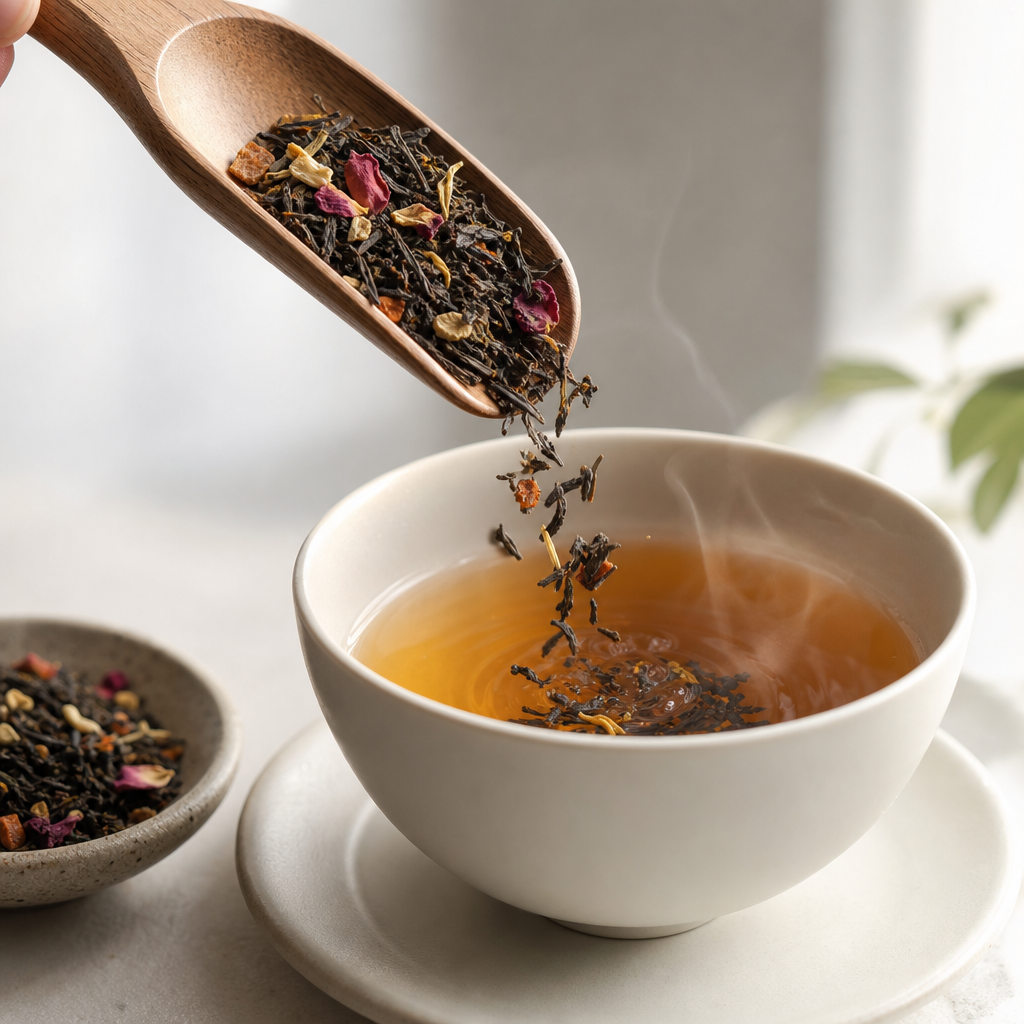
Lakeland Special tea is a premium loose leaf blend created and hand-packed by Farrer's of Kendal in the Lake District. It is designed as a full-bodied everyday tea with enough character to satisfy serious tea drinkers, not just people looking for a hot drink to start the morning.
The blend draws on a tradition that stretches back over 200 years. Farrer's began as a grocery and provisions business in Kendal in 1819, and tea blending was central to its identity long before specialty coffee became fashionable.
In practice, that means the team blending Lakeland Special today is doing so with an institutional knowledge of tea origins, seasonal variation, and water chemistry that very few UK producers can claim.
The name itself is deliberate. This is a tea made for the landscape it comes from, blended to taste its best in the softer water that falls across Cumbria and much of northern England.

The Award-Winning Credentials
The phrase award-winning tea UK gets attached to a lot of products that won a regional competition in 2011 and have coasted on it since. Lakeland Special is not that. The recognition it has received reflects consistent quality across multiple assessment points, including flavour, aroma, and the structural quality of the leaf grade used.
What UK Food Awards Actually Measure
Fine food and drink awards in the UK, particularly those run by the Guild of Fine Food and the Great Taste Awards programme, use blind tasting panels made up of working buyers, chefs, and food writers. There is no entry fee shortcut to a gold star. Judges score on aroma before brewing, liquor colour, flavour development, and finish.
A tea that performs well in those conditions is a tea that has been carefully sourced and blended, not just attractively packaged. Lakeland Special has met that standard, which is why it appears on the Farrer's range as a flagship product rather than a novelty line.
Why This Matters for the Consumer
Independent award validation removes the guesswork for someone buying tea online without being able to taste first. You are not relying on marketing language. You have the judgment of professional tasters who had no financial reason to rate it highly.
"Great Taste is the benchmark for fine food and drink. To win, a product must deliver in the cup, not just on the label." - Guild of Fine Food, Great Taste Awards programme description
What Makes the Blend Different
The two variables that separate a memorable cup of tea from a forgettable one are the quality of the leaf and the intelligence of the blend. Most commercially sold tea in the UK is blended to a price point, which means the leaf grade drops whenever commodity tea prices rise. The flavour profile shifts constantly, and consumers rarely notice because they have no reference point for what the tea should taste like at its best.
Leaf Grade and Origin Selection
Lakeland Special uses a higher leaf grade than the fannings and dust that fill most teabags sold in supermarkets. Higher grades mean more of the natural oils and tannins remain in the leaf at the point of brewing. The result is a richer malt note, a cleaner finish, and a colour in the cup that is deep amber rather than flat brown.
Farrer's sources from established tea-growing regions with the attention you would expect from a business that has been evaluating origin quality for two centuries. In practice, this means the Assam and other components in the blend are selected for the specific flavour characteristics that work together, not simply for availability at the right price.
Water Chemistry and Regional Blending
This is the detail that most tea guides skip over entirely. Water hardness changes the way tea brews. Hard water, high in calcium and magnesium bicarbonate, mutes the brighter top notes of a good tea and produces a duller, sometimes scummy surface on the liquor. Soft water allows the volatile aromatics to come through cleanly.
The Lake District sits in one of the UK's softest water zones. Lakeland Special is blended with that water profile in mind. If you live in a soft water area anywhere in the north or west of England, Scotland, or Wales, this blend will perform at its full potential. If you are in a hard water area, a simple filtered water jug will make a meaningful difference.
Pro tip: If you live in London or the Southeast, where water hardness regularly exceeds 300mg per litre, always brew Lakeland Special with filtered water. The flavour difference is not subtle.
Brewing Lakeland Special Correctly
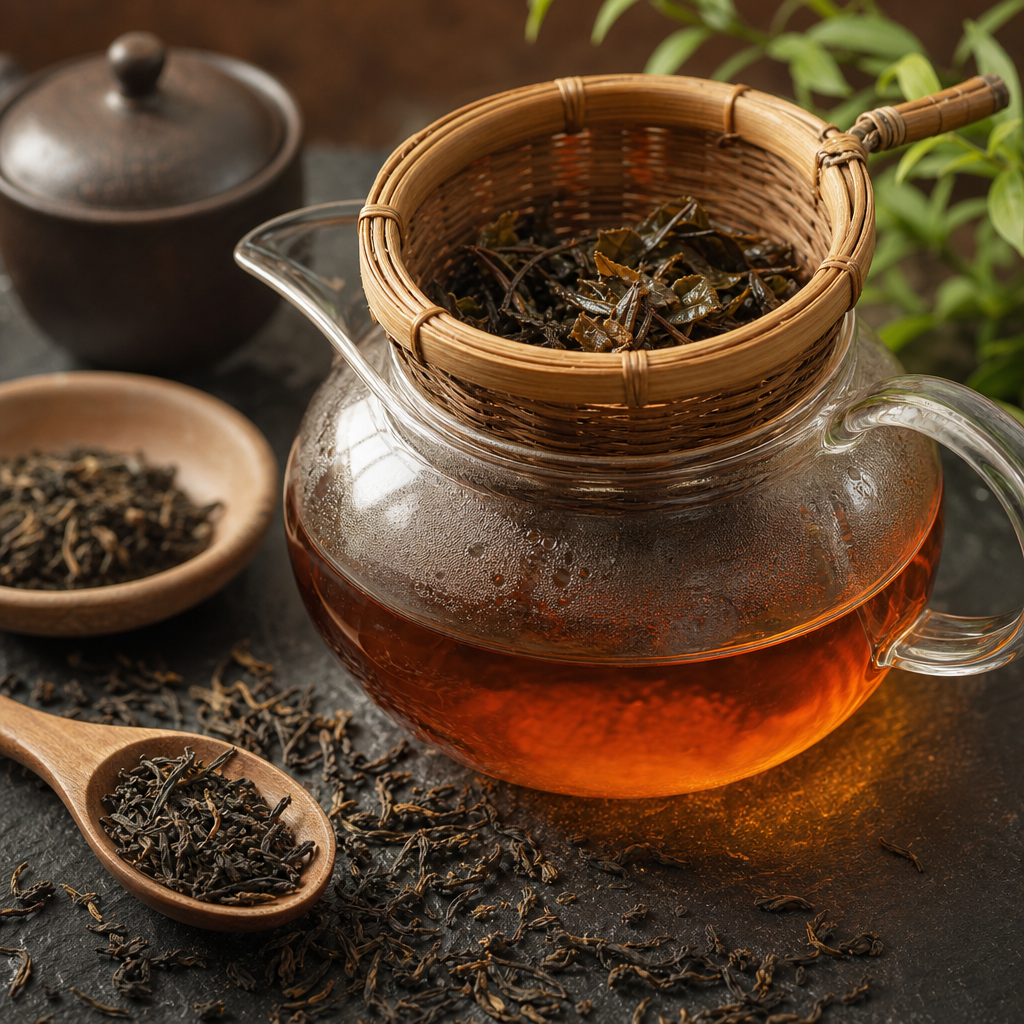
Loose leaf tea rewards a small amount of attention to method. The common mistakes are using water that is too hot for too long, using too little leaf for the volume of water, and not warming the pot first. All three produce a flatter, more astringent cup than the blend is capable of delivering.
The Right Ratio
Use one rounded teaspoon of Lakeland Special per 200ml of water, plus one for the pot if you are brewing for multiple people. This is not a rule invented by tea marketers. It reflects the density of the leaf grade and the extraction rate at the correct temperature. Under-leaf the pot and you get a weak, underdeveloped brew. Over-leaf and the tannins dominate.
Water Temperature and Steeping Time
Bring fresh water to a full rolling boil, then pour immediately. Black tea needs boiling water to extract the malt and body compounds properly. The steep time for Lakeland Special sits at three to four minutes for a medium strength cup, four to five if you take your tea strong with milk. Beyond five minutes, the astringency increases without adding flavour complexity.
Pro tip: Warm your teapot with hot water for thirty seconds before adding leaf and boiling water. A cold pot drops the water temperature by up to 10 degrees Celsius at the moment of contact, which meaningfully affects extraction from the first pour.
Comparing Your Options: Lakeland Special vs Other Premium UK Teas
There are genuine alternatives in the premium loose leaf tea market, and it is worth being honest about where each product sits. The comparison below focuses on the specific factors that matter most to someone choosing a daily loose leaf tea for home or trade use.
| Tea | Flavour Profile | Best For |
|---|---|---|
| Lakeland Special (Farrer's) | Full-bodied, malty, clean finish, bright amber liquor. Blended for soft water. Award-recognised. | Everyday morning tea, milk drinkers, northern soft water regions, cafes wanting a premium house tea. |
| English Breakfast Loose Leaf (Generic Specialty Supplier) | Variable. Often a commodity Assam-Ceylon blend with inconsistent leaf grade. Can be bright but lacks malt depth. | Cost-conscious buyers who want loose leaf over bags but are not chasing a specific flavour profile. |
| Single-Origin Darjeeling First Flush | Floral, muscatel, light-bodied. Distinctly different to a breakfast blend. Best taken without milk. | Afternoon drinking, tea enthusiasts exploring origin flavours, those who prefer lighter cups. |
The honest position here is that Lakeland Special is not competing with single-origin fine teas aimed at connoisseurs who drink without milk. It is competing with every other breakfast-style blend in the UK market, and in that category it is among the most consistent and well-crafted options available from a British blender.
Who Should Buy This Tea
Lakeland Special works for two distinct buyer types, and both will find it worth the step up from supermarket tea.
Home Enthusiasts Upgrading from Teabags
If you currently drink a branded breakfast teabag and have been curious about loose leaf without knowing where to start, Lakeland Special is the clearest entry point. It is recognisably a breakfast tea in character. You are not being asked to adjust your palate to something unfamiliar. You are just drinking the same style of tea made significantly better.
The move from bags to loose leaf requires a tea strainer or infuser, which is a one-time low-cost investment. The cost per cup of Lakeland Special in loose leaf form is often lower than premium bagged tea brands when calculated honestly.
Cafes and Hospitality Businesses
Trade buyers looking for a premium house tea face a specific problem: the tea they serve is often the last impression a customer leaves with, but it receives the least attention in menu development. Serving Lakeland Special on a trade account positions a cafe or restaurant as genuinely quality-focused in a way that any customer who knows their tea will notice immediately.
Farrer's supports trade customers directly, and with next-day dispatch on qualifying orders, restocking does not require the forward planning that some artisan suppliers demand. For hospitality businesses in the Lake District or across northern England, there is also a provenance story worth telling. This tea was blended twenty minutes from your front door.
Frequently Asked Questions
What does Lakeland Special tea taste like?
Lakeland Special has a full, malty body with a clean finish and bright amber liquor. It is designed to be drunk with or without milk and performs well as a strong morning cup. The flavour profile is closer to a quality Assam-led blend than to a lighter Ceylon-style tea.
Is Lakeland Special tea only available as loose leaf?
Farrer's sells Lakeland Special in loose leaf form, which is the format in which it performs best. The loose leaf grade allows full expansion of the leaf during brewing and delivers the full flavour complexity that the blend was designed around. Loose leaf is also available in larger quantities suitable for trade buyers.
What awards has Lakeland Special tea won?
Lakeland Special has been recognised in UK fine food and drink competitions for its flavour quality. These awards are based on blind tasting panels of professional buyers and food writers, which means the recognition reflects actual cup quality rather than marketing activity or brand profile.
How does water hardness affect the taste of Lakeland Special?
Water hardness has a direct and measurable effect on tea flavour. Soft water, typical of the Lake District and much of northern and western England, allows the aromatic compounds in tea to express fully, producing a brighter, cleaner cup. Hard water mutes these notes. If you are in a hard water area, brewing Lakeland Special with filtered water produces a noticeably better result.
Can Lakeland Special tea be used in cafes and restaurants?
Yes, and it is well-suited to trade use. The flavour profile is recognisably a premium breakfast tea, meaning it will satisfy customers expecting a familiar style while delivering quality that stands clearly above commodity options. Farrer's handles trade accounts and offers next-day dispatch on orders over £35, making it practical for regular restocking.
How does Farrer's Lakeland Special compare to mass-market breakfast teas?
The difference is primarily in leaf grade, blending consistency, and sourcing discipline. Mass-market breakfast teas are blended to a price, which means the recipe shifts when commodity tea prices change. Lakeland Special is blended to a flavour standard, with Farrer's two centuries of sourcing relationships ensuring consistent quality across seasons and harvests.
Have you tried Lakeland Special tea at home or served it in your cafe? Share your experience in the comments, because feedback from real drinkers is far more useful than tasting notes written by people who only had one cup.
References
- Guild of Fine Food: the organisation behind the Great Taste Awards programme that independently benchmarks premium food and drink quality in the UK
- Statista: data and statistics on UK tea consumption, loose leaf market growth, and premium beverage category trends
- UK Food Standards Agency: guidance on food labelling, provenance claims, and standards relevant to premium loose leaf tea products
- Forbes: reporting on the growth of artisan and premium food and drink markets and consumer behaviour shifts toward provenance-led purchasing
- Institute of Food Technologists: peer-reviewed research on water chemistry and its measurable effects on tea extraction, flavour, and liquor quality


