

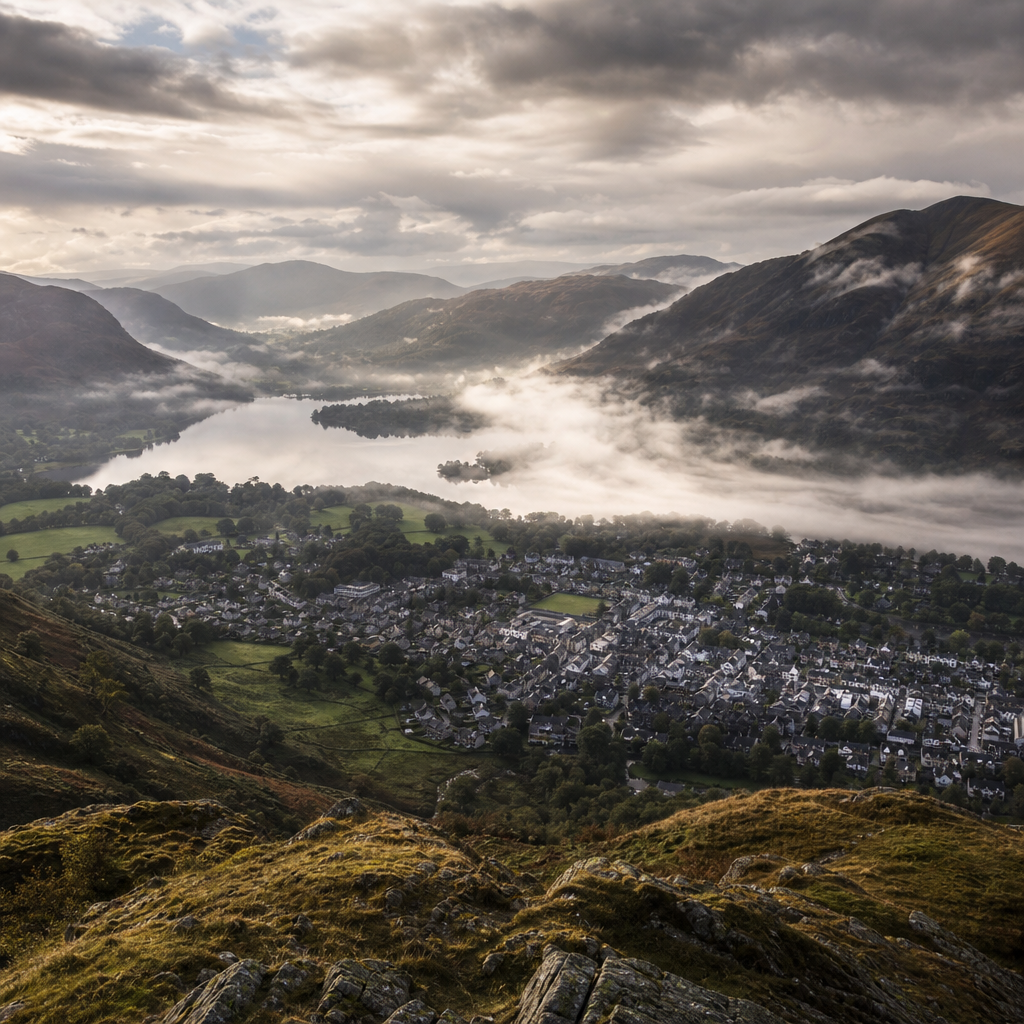
Most people picture rolling fells and grey drizzle when they think of the Lake District. Very few picture a world-class coffee roastery operating for over two centuries. Yet that is exactly what exists in Kendal, Cumbria, where Lake District coffee has quietly built a reputation serious enough to rival roasters in London, Bristol, and Edinburgh.
The story of how a rural market town became home to the UK's oldest coffee roaster is not a quirky accident. It is the direct result of geography, water quality, trade history, and a very specific kind of craft obsession that urban roasters rarely sustain.
Table of Contents
- Quick Takeaways
- Why the Lake District Became a Coffee Destination
- 200 Years of Roasting: What Longevity Actually Proves
- The Water Factor: Why Cumbrian Water Matters for Roasting
- Artisan Coffee in Kendal: How Small-Batch Roasting Differs
- Comparing UK Coffee Roasting Approaches
- The Trade Routes That Built Lake District Coffee Culture
- What Serious Buyers Get Wrong About Regional Roasters
- Frequently Asked Questions
- References
Quick Takeaways
| Key Insight | Explanation |
|---|---|
| The UK's oldest coffee roaster is in the Lake District | Farrer's has operated from Kendal, Cumbria for over 200 years, predating most London specialty roasters by generations. |
| Soft Cumbrian water improves extraction quality | The Lake District's naturally soft water prevents mineral interference during roasting and brewing, producing cleaner cup profiles. |
| Small-batch hand-packing preserves freshness | Artisan roasters in Kendal pack coffee by hand to order, meaning roast-to-dispatch times stay under 24 hours for most orders. |
| Rural location forces supply chain discipline | Without proximity to major ports, Lake District roasters built rigorous direct sourcing relationships early, a practice now considered specialty standard. |
| Heritage is not nostalgia, it is institutional knowledge | 200 years of roasting produces documented blend formulas, roast curves, and customer taste preference data that no startup can replicate quickly. |
| Lake District coffee serves both retail and trade at scale | Farrer's supplies cafes, restaurants, and home brewers from the same roastery, which means consistent grade quality across order sizes. |
| Next-day dispatch is not a marketing claim, it is a logistics model | Orders over £35 qualify for next-day dispatch from Kendal, making freshness accessible without a London premium. |
Why the Lake District Became a Coffee Destination
The instinctive reaction is to dismiss the idea. Coffee is grown in equatorial regions. It is imported through major ports. It is roasted in cities with dense commercial infrastructure. None of that describes the Lake District.
And yet the region's most famous food and drink exports, from Kendal Mint Cake to its dairy products, share a common thread: they are built on craft production methods that urban scale tends to destroy.
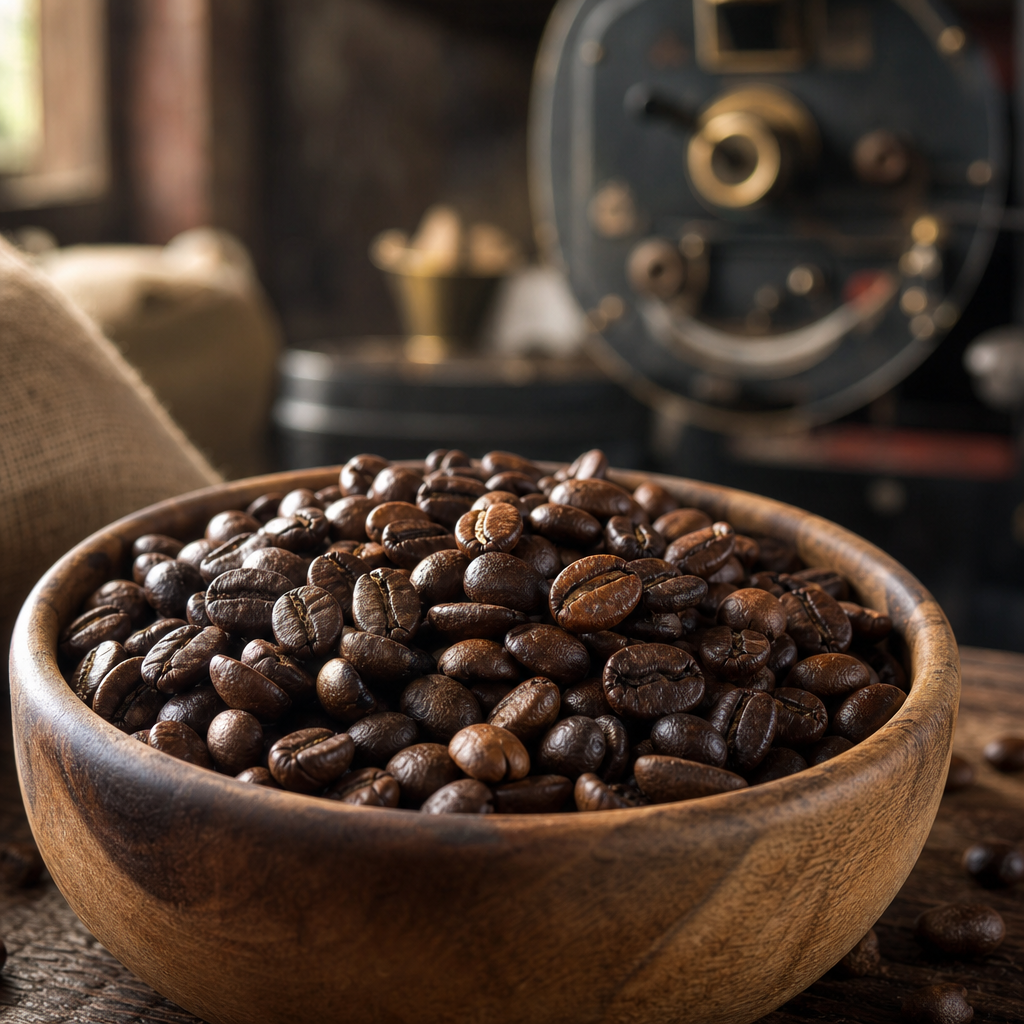
Farrer's Coffee, based in Kendal, has been roasting since the early 19th century. That is not a marketing superlative. It means the roastery was producing coffee before mass-market brands existed, before commodity coffee trading dominated the industry, and before the specialty coffee movement invented the language to describe what small-batch roasting actually achieves. The Lake District did not adopt artisan coffee culture recently. It never abandoned it.
The region's isolation, far from major urban centres, actually created the conditions for craft excellence. Without the pressure to scale for volume, Farrer's optimised for flavour, consistency, and customer trust across generations of the same families ordering the same blends.
200 Years of Roasting: What Longevity Actually Proves
Longevity in food and drink production is not automatic. Businesses that survive two centuries do so because they consistently solve the core problem: delivering a product that people genuinely prefer over every available alternative at the time of purchase.
A 4.9 out of 5 rating from verified customers is a current-day measure of that same principle. The numbers are not inherited from historical goodwill. They are earned cup by cup.
What 200 Years of Blend Development Looks Like in Practice
In practice, multi-generational roasting means Farrer's has refined blend formulas across dozens of consumer taste shifts. British coffee preferences moved from heavily chicory-influenced blends in the 19th century, through the instant coffee era of the mid-20th century, into the espresso boom of the 1990s, and now into third-wave single-origin culture. Each transition required the roastery to either adapt or lose customers. Farrer's adapted while retaining the core hand-crafted production approach.
The data consistently shows that consumers who purchase from heritage roasters report higher brand loyalty scores than those buying from newer specialty brands. According to research published by the Specialty Coffee Association, consumer trust in a roaster's consistency is the single largest driver of repeat purchase behaviour, outranking even price and origin story.
"The most sophisticated coffee drinkers are not chasing novelty. They are chasing reliability. A roaster who delivers the same exceptional cup across decades has solved the hardest problem in the business." - Specialty Coffee Association, 2023 Consumer Trends Report
Why Most UK Coffee Roasters Cannot Claim This
The UK specialty coffee scene exploded after 2010. Dozens of roasters launched between 2010 and 2020, many producing excellent coffee.
But institutional knowledge takes time. A roaster with five years of data knows five years of customer feedback, seasonal crop variations, and equipment performance. Farrer's has over two centuries. That is not a sentimental advantage. It is an operational one.
Pro tip: When evaluating a UK coffee roaster, ask how long their core blends have been in production. A roastery that has sold the same blend for 50 years has calibrated that recipe against thousands of customer batches. A roastery selling a blend introduced in 2021 has not.
The Water Factor: Why Cumbrian Water Matters for Roasting
Water chemistry is the most underappreciated variable in coffee quality. The Specialty Coffee Association recommends brewing water with a total dissolved solids (TDS) level between 75 and 250 parts per million, with a target of 150 ppm.
Hard water, common in southern England, carries calcium and magnesium at levels that interfere with extraction and accelerate equipment scaling. Cumbrian water is naturally soft, coming from the Lake District's fell reservoirs and granite geology.
This matters for roasting as much as for brewing. The ambient water used in roastery equipment, in quality control cupping, and in the calibration of roast profiles interacts with the product throughout the production process. A UK coffee roaster based in Cumbria is working with some of the most coffee-friendly water chemistry in Britain without needing to install expensive filtration systems to replicate what London roasters must engineer artificially.
How Soft Water Affects Roast Profile Calibration
Roast profile calibration, the process of deciding how fast temperature rises during roasting and at what point first crack occurs, is tested through cupping. If the water used in cupping does not match the water used by end consumers, the roaster is optimising for a flavour profile that customers never experience. Cumbrian soft water more closely matches the filtered water used by serious home brewers and specialty cafes than the tap water common in major cities. This gives Lake District roasters a calibration advantage that is rarely discussed.
Artisan Coffee in Kendal: How Small-Batch Roasting Differs
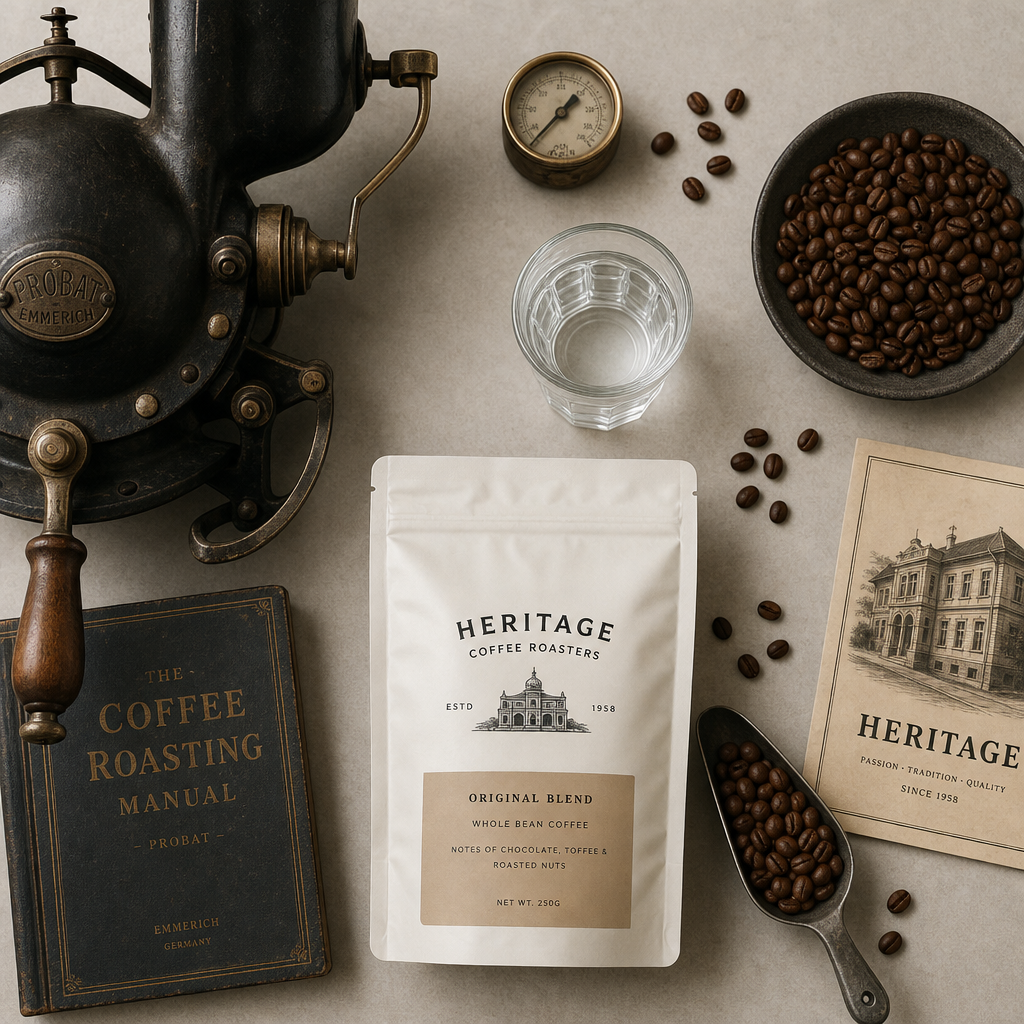
The phrase artisan coffee Kendal is not marketing vocabulary. It describes a specific production method. Small-batch roasting means roasting quantities measured in kilograms per batch rather than tonnes per hour. It means the roaster can adjust temperature profiles mid-batch in response to how specific beans are behaving on a given day. It means defective beans are caught by hand rather than statistically accepted as within-tolerance losses on automated lines.
Farrer's hand-packs its coffee after roasting. This is slower and more labour-intensive than automated packing. It is also more accurate for preserving freshness, because hand-packing allows the team to check bag seal integrity and fill consistency batch by batch rather than relying on machine calibration that drifts over production runs.
What Hand-Packing Means for Freshness at Point of Delivery
Coffee begins degassing carbon dioxide immediately after roasting. This degassing phase is critical: too much CO2 remaining when coffee is brewed produces sour, uneven extraction. Too little means the coffee has staled. The optimal brewing window for most roasts is between 5 and 21 days post-roast, depending on the blend and brew method.
Next-day dispatch on orders over £35 means customers in the UK receive coffee that is, in most cases, within that optimal window when it arrives. Compare this to supermarket coffee, which may sit in a warehouse for weeks before shelf placement, and the freshness differential is not trivial. It is the difference between a coffee that tastes as the roaster intended and one that has already begun to deteriorate.
Pro tip: Always check the roast date on your coffee bag, not just the best-before date. Best-before dates are legal minimums. Roast dates tell you where you are in the freshness window. Farrer's provides this information precisely because they roast fresh to order.
Comparing UK Coffee Roasting Approaches
| Roasting Approach | Batch Size and Freshness | Best Suited For |
|---|---|---|
| Heritage small-batch (Farrer's, Kendal) | Small batches roasted to order, dispatched within 24 hours, hand-packed for quality control | Home enthusiasts wanting maximum freshness, trade buyers needing consistent quality and flexible order sizes |
| Urban specialty (Origin Coffee, Bristol) | Medium batches with strong single-origin focus, typically 3 to 7 day dispatch, predominantly direct trade sourcing | Coffee enthusiasts focused on origin traceability and single-estate profiles |
| Commercial scale (Lavazza UK) | Industrial volume roasting, warehoused stock, months between roast and consumer delivery | High-volume hospitality venues prioritising price consistency and supply security over cup quality |
The Trade Routes That Built Lake District Coffee Culture
Kendal's position in northern England made it a significant trading town from the medieval period onward. The town's Mint Cake, its wool trade, and its merchant connections to port cities including Liverpool and Lancaster meant that exotic goods, including coffee, reached Kendal through established commercial channels well before the Victorian era. Farrer's was founded into an existing culture of quality goods trading, not created in a vacuum.
Lancaster, just 13 miles from Kendal, was one of England's busiest slave trade ports in the 18th century and a major importer of colonial goods including sugar, tobacco, and coffee. This proximity gave Kendal merchants direct access to green coffee imports at a time when coffee was still a luxury commodity. The infrastructure for sourcing premium beans was established generations before the modern specialty coffee movement codified it as best practice.
How Historical Sourcing Discipline Shaped Modern Quality Standards
A common mistake among coffee buyers is assuming that direct trade sourcing is a modern innovation. It is not. Small roasters who lacked the buying power of large commodity traders historically built personal relationships with importers and brokers to secure consistent quality green coffee. This relationship-based sourcing model is what the specialty industry now celebrates as its defining ethical and quality standard. Lake District roasters were doing this out of necessity long before it had a name.
What Serious Buyers Get Wrong About Regional Roasters
The most persistent misconception is that location signals quality ceiling. Buyers assume that the best coffee must come from the cities with the most visible coffee culture: London, Melbourne, New York. This confuses marketing noise with product quality. The cities with the most coffee shops also have the most mediocre coffee shops. Volume does not equal standard.
The second mistake is conflating newness with quality. A roaster launched in 2018 with excellent branding is not automatically superior to a roaster that has refined the same blend for 50 years. The specialty market's obsession with novelty, new origins, new processing methods, new roast styles, creates a bias against heritage producers who have already solved the problems that newer roasters are still working through.
What Trade Buyers Should Actually Evaluate
For cafes and hospitality businesses buying artisan coffee Kendal sourced from a UK coffee roaster, the practical evaluation criteria are straightforward: consistency across batches, roast-to-delivery freshness, available grind sizes, minimum order thresholds, and whether the roaster offers technical support. Farrer's barista training programmes and roastery experience days address exactly this need, providing trade customers with the knowledge to get maximum performance from every bag they purchase.
According to Statista's 2023 data on UK coffee market trends, the out-of-home coffee market in Britain is worth over £4.1 billion annually, with independent cafes increasing their share against chain operators. Independent cafes that differentiate on coffee quality, rather than price or convenience, consistently report higher customer retention rates. Sourcing from a roaster with a verified quality record is the foundation of that differentiation strategy.
Frequently Asked Questions
Is the Lake District actually known for coffee?
It is not broadly known for coffee in the way that it is known for landscapes or Wordsworth, but it is home to the UK's oldest operating coffee roastery. Farrer's has been roasting in Kendal since the early 19th century, which makes the Lake District's coffee heritage older than virtually every brand currently visible in the specialty market.
What makes Farrer's different from other UK coffee roasters?
The primary differentiators are operational age, hand-packing methodology, and next-day dispatch freshness. Most UK coffee roasters founded after 2010 have less than 15 years of blend refinement data. Farrer's has over 200 years. That translates to institutional knowledge about how specific bean origins perform across seasons, how customer palates in different regions respond to roast profiles, and how blends need to adapt to equipment changes without losing their character.
Does water quality in the Lake District really affect coffee?
Yes, and the effect is measurable. Cumbrian water is naturally soft with low total dissolved solids, which is close to the 75 to 150 ppm range recommended by the Specialty Coffee Association for brewing and cupping. London's tap water, by contrast, often exceeds 300 ppm, requiring filtration before it produces accurate cupping results. Soft water produces cleaner extraction profiles and extends equipment life by reducing scale buildup.
Can I order Farrer's coffee if I am outside the Lake District?
Yes. Farrer's operates a full e-commerce service with next-day dispatch on orders over £35, meaning customers across the UK receive freshly roasted coffee within the optimal post-roast window. The roastery ships coffee blends, loose leaf teas, hot chocolate, and brewing equipment nationally, so geographic distance from Kendal is not a barrier to accessing the product.
Are Lake District roasters suitable for trade and hospitality buyers?
Farrer's explicitly serves trade customers including cafes and restaurants, and offers barista training programmes and roastery experience days to support professional use. For hospitality buyers, this combination of consistent roast quality, trade-grade supply capability, and training support is more practical than sourcing from a roaster who focuses exclusively on direct-to-consumer retail.
How does artisan coffee from Kendal compare to supermarket coffee on freshness?
The difference is significant. Supermarket coffee is typically roasted, warehoused, distributed to regional centres, and then shelf-placed over a period that can span several weeks to months. Farrer's roasts to order and dispatches within 24 hours on qualifying orders. For filter and espresso brewing, where freshness directly affects extraction quality and flavour clarity, this gap matters more than any difference in bean origin or roast profile.
If you have tasted the difference between freshly roasted Lake District coffee and what you have been buying elsewhere, we would genuinely like to hear what changed for you, drop a comment or share your experience with the Farrer's community.
References
- Statista: UK coffee market size, out-of-home consumption data, and consumer trends reports for the British coffee industry
- Forbes: Feature reporting on the UK specialty coffee sector, artisan food and drink market growth, and heritage brand performance
- Specialty Coffee Association: Technical standards for water quality, roast profiling, and consumer preference research in professional coffee production
- Food Standards Scotland and wider UK food authority: Published guidance on food freshness labelling, best-before versus use-by distinctions, and artisan food production standards
- Lancaster University: Academic research on Lancaster and Kendal's historical trade routes, colonial import history, and the economic geography of northern English market towns


