

Most people settle for a sachet of powder stirred into hot water and wonder why it tastes nothing like the rich, velvety cup they paid for at their favourite café. The gap is not mysterious. It comes down to three things: the quality of your chocolate base, the technique used to heat and froth the milk, and the small finishing touches that a good drink deserves. Making genuine hot chocolate at home that rivals a café is entirely achievable, and if you start with a quality product like those in Farrer's range, you are already ahead of most home attempts before the pan even goes on the hob.
Table of Contents
- Quick Takeaways
- Why Most Homemade Hot Chocolate Falls Short
- Farrer's Hot Chocolate Range: What Makes It Different
- Choosing the Right Milk and Dairy Alternatives
- The Step-by-Step Method for Café-Quality Results
- Flavour Variations Worth Trying
- Equipment That Actually Makes a Difference
- Frequently Asked Questions
- References
Quick Takeaways
| Key Insight | Explanation |
|---|---|
| Chocolate quality is the single biggest variable | Powder-based mixes made from low-grade cocoa produce a flat, one-dimensional flavour. A proper drinking chocolate with high cocoa content delivers depth and body that no amount of technique can compensate for. |
| Whole milk beats water or skimmed milk every time | The fat content in whole milk carries the chocolate flavour and creates the silky mouthfeel that makes a café hot chocolate satisfying. Non-dairy alternatives like oat milk are a solid second option for their natural sweetness and thickness. |
| Temperature control prevents a skin and preserves flavour | Heating milk above 70°C scalds it and ruins the texture. Keep it at a gentle simmer, stir constantly, and remove from the heat the moment steam rises freely. |
| A pinch of salt deepens the chocolate flavour | Salt suppresses bitterness and brings forward the sweeter, more complex notes in good-quality drinking chocolate. This is a small detail that makes a noticeable difference in the finished cup. |
| Frothing the milk adds the café texture | A basic milk frother or a small whisk creates the foam that separates a home hot chocolate from a properly made café drink. You do not need an espresso machine to achieve this. |
| Combining powder and real chocolate raises the bar further | Heating your milk with drinking chocolate powder, then whisking in a small amount of finely chopped dark chocolate at the end, gives both depth and a glossy, rich finish. |
| Farrer's range removes the sourcing problem entirely | Rather than hunting for a quality drinking chocolate from a supermarket, Farrer's hot chocolate is ready to use and designed for exactly this purpose, dispatched fresh from the Lake District roastery. |
Why Most Homemade Hot Chocolate Falls Short
The most common failure is starting with the wrong ingredient. The standard supermarket options are heavily sweetened, low in actual cocoa, and bulked out with milk powder and modified starches. They dissolve easily in hot water because they are engineered to do so, not because they are made from quality chocolate. The result tastes sweet but not chocolatey, thin rather than velvety, and fades quickly on the palate.
The second failure is technique. Pouring boiling water or scalded milk directly onto powder without proper mixing produces lumps and a gritty texture. Heating the milk too aggressively burns off the subtle flavour compounds and produces that slightly metallic aftertaste familiar from canteen hot chocolates. A café avoids both of these errors through proper equipment and staff training. At home, you can avoid them too, simply by slowing down and paying attention to the pan.
The third failure is serving temperature. Hot chocolate served at scalding temperature numbs the palate and prevents you from tasting anything beyond "hot and sweet." Cafés and speciality drink bars serve hot chocolate at a temperature you can drink immediately without burning your mouth, which allows the full flavour profile to register. Around 60 to 65 degrees Celsius is the target for most people.
Farrer's Hot Chocolate Range: What Makes It Different
Farrer's has been sourcing and preparing premium drinks since before most modern coffee brands existed. The same care applied to their coffee blends and loose leaf teas extends to their hot chocolate offering. Rather than a generic powder formulated for shelf life, the Farrer's hot chocolate range is built around quality cocoa and designed to be prepared properly with milk, not water.
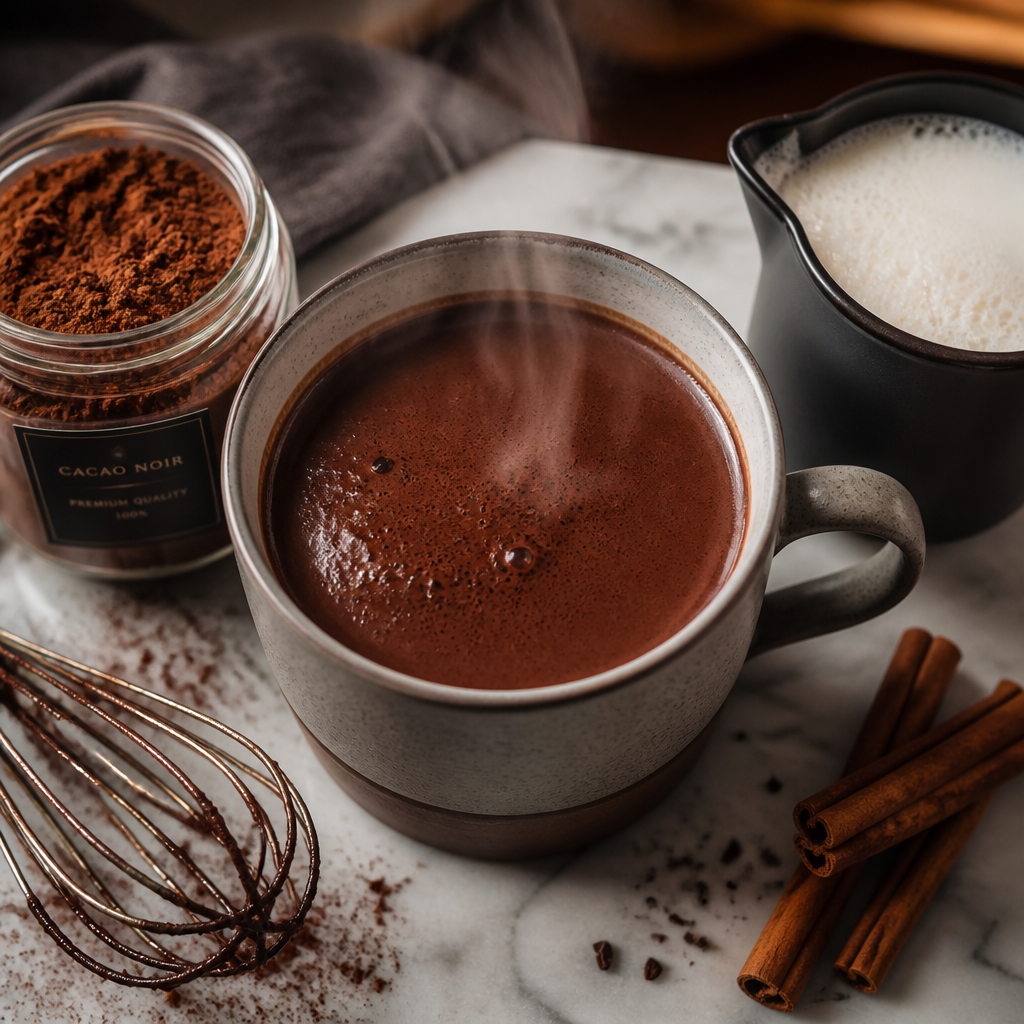
The difference shows up immediately in the cup. A quality drinking chocolate from Farrer's behaves differently from a supermarket sachet. It dissolves cleanly into warm milk, it holds its body as the drink cools slightly, and it has a flavour that develops as you drink it rather than one that is front-loaded with sweetness and then gone.
For trade customers, particularly cafés and restaurants looking to offer a best hot chocolate UK experience without extensive barista training for every team member, Farrer's trade supply is worth investigating. The product is consistent, the sourcing is traceable, and the heritage of the brand gives front-of-house staff something genuine to talk to customers about.
Café-style hot chocolate represents something simple transformed through technique and ingredient quality into something genuinely special. The starting material determines the ceiling of what technique can achieve.
Choosing the Right Milk and Dairy Alternatives
Whole milk is the default choice for a reason. The fat content carries flavour, the proteins create the foam you need for that café texture, and the natural sweetness of good whole milk complements rather than competes with the chocolate. If you are making hot chocolate for guests, whole milk is the safe and correct choice every time.
Oat Milk for a Non-Dairy Option
Of the non-dairy alternatives, oat milk performs best in hot chocolate. It has a natural sweetness and a thickness that holds up when heated, and it does not introduce a competing flavour the way coconut milk can. Look for barista-grade oat milk, which is formulated to froth without separating. Almond milk works in a lighter drink but produces a thinner result and can split if the temperature gets too high.
Why Cream Changes the Drink Entirely
Adding a small amount of double cream, either stirred into the milk before heating or floated on top at the end, transforms the hot chocolate into something closer to a European-style drinking chocolate. This is richer and more filling, which makes it better suited as a dessert drink than an everyday cup. If you are making Farrer's hot chocolate for a special occasion or to match the kind of thing you would find in a speciality hot drinks bar, this is worth trying once.
Pro tip: Heat your milk and cream mixture slowly over a medium-low heat, stirring in a figure-eight pattern across the base of the pan. This prevents the cream from catching and keeps the mixture consistently smooth.
The Step-by-Step Method for Café-Quality Results
This is the method that bridges the gap between a decent home attempt and something that genuinely competes with a café hot chocolate UK standard. It takes around eight minutes and requires nothing more than a small saucepan, a whisk, and a mug that has been warmed first.
Step One: Warm the Mug
Pour boiling water into your mug and leave it for sixty seconds while you prepare the drink. Pouring hot chocolate into a cold ceramic mug drops the serving temperature instantly and results in a drink that is lukewarm before you reach the halfway point. Tip the water out just before pouring.
Step Two: Create a Paste First
Measure your Farrer's drinking chocolate into the base of the saucepan, not into the mug. Add a tablespoon of warm milk and stir vigorously until you have a smooth, lump-free paste. This pre-dissolution step is what most people skip, and it is the single biggest reason home hot chocolates end up with grainy patches or undissolved powder floating on the surface.
Step Three: Add Milk Gradually and Heat Gently
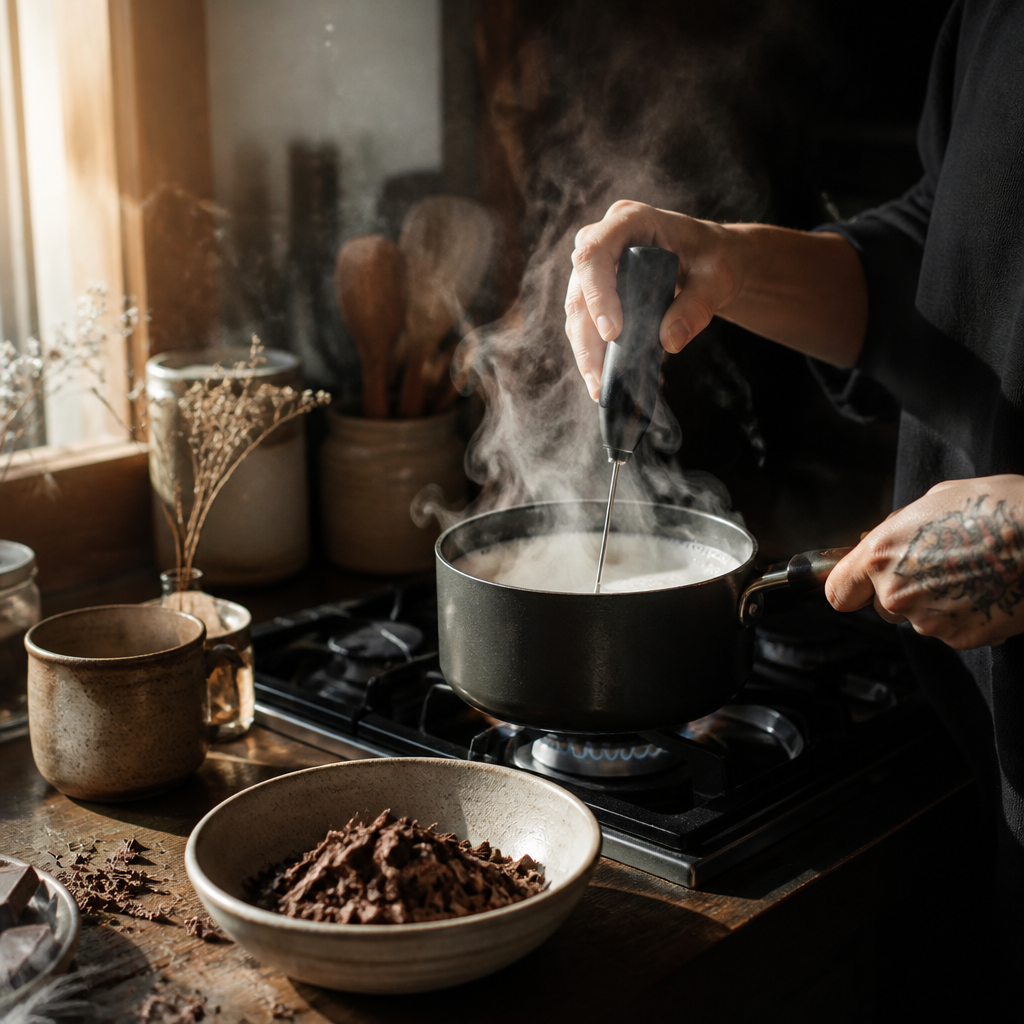
Pour in the rest of your milk slowly, stirring as you go, then place the pan over a medium-low heat. Stir continuously. You are looking for steam to rise freely and small bubbles to form around the edges of the pan. At that point, the milk is at the right temperature. Do not let it boil.
Step Four: Froth and Finish
Remove from the heat and use a small handheld frother or a whisk to create foam on the surface. Pour carefully into the warmed mug, holding the foam back with a spoon, then spoon the foam on top. Add a pinch of sea salt if you have not already incorporated it during heating.
Pro tip: If you want to combine powder and real chocolate for extra depth, finely chop a small piece of good dark chocolate and whisk it into the hot liquid just before frothing. It melts instantly and gives the finished drink a gloss and richness that powder alone cannot deliver.
Flavour Variations Worth Trying
Once you have the core method right, the flavour variations are straightforward to add and genuinely expand what the drink can be. These are not novelty options. They reflect the kind of menu variety you find in speciality drink bars and higher-end cafés.
Spiced Hot Chocolate
Add a quarter teaspoon of ground cinnamon and a very small pinch of cayenne pepper to the chocolate paste at step two. The heat from the cayenne is subtle when measured correctly, it does not make the drink spicy so much as it adds a warmth that extends the finish and makes the chocolate flavour last longer. This is sometimes called Mexican-style hot chocolate and is genuinely worth making at least once.
Vanilla and Sea Salt
A few drops of good vanilla extract added to the milk as it heats, combined with a pinch of flaked sea salt on top at serving, gives a salted caramel quality without any actual caramel. This works particularly well with Farrer's drinking chocolate because the quality base can carry the added flavour without being overwhelmed.
Pairing With Farrer's Coffee
For anyone who enjoys a mocha-style drink but does not own an espresso machine, a small amount of very strong brewed Farrer's coffee stirred into the finished hot chocolate achieves the same result. Use a dark roast for balance. The coffee deepens the bitterness and cuts through the richness in a way that makes the drink feel lighter than a straight hot chocolate, despite being equally indulgent.
Equipment That Actually Makes a Difference
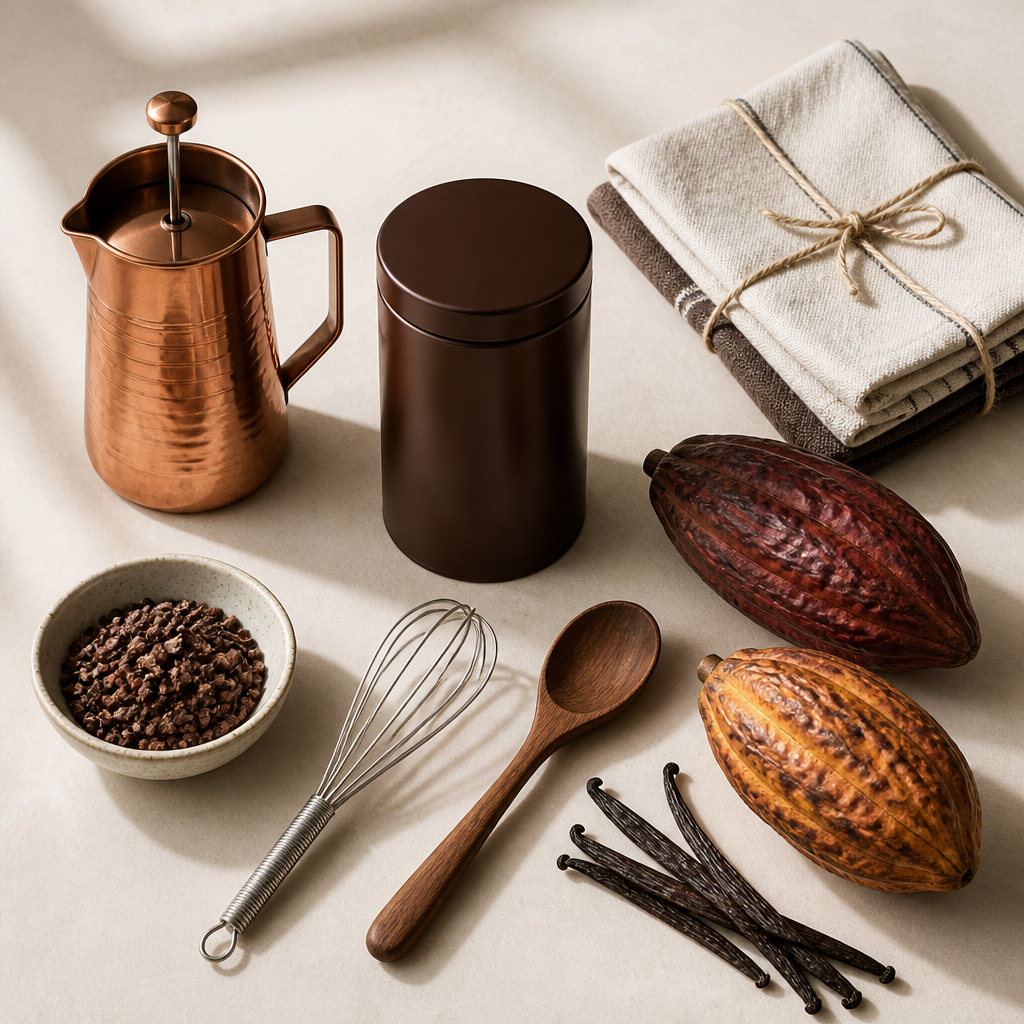
You do not need a commercial espresso machine or a steam wand to make a proper hot chocolate at home. The equipment list is short and inexpensive, and Farrer's stocks brewing equipment for exactly this kind of home setup.
| Method | Equipment Required | Result Quality |
|---|---|---|
| Saucepan and whisk | Small saucepan, balloon whisk, kitchen thermometer (optional) | Very good. Full control over temperature and texture. Best for batch-making more than one cup. |
| Saucepan with handheld frother | Small saucepan, electric milk frother (under £10 from most kitchen shops) | Excellent. The frother creates a finer, more consistent foam than a whisk and takes ten seconds to use. |
| Milk frother jug (standalone) | Electric frothing jug that heats and froths simultaneously | Outstanding for convenience. Heats to the correct temperature automatically and produces barista-grade froth. Farrer's equipment range includes options in this category. |
A kitchen thermometer is worth owning if you take hot drinks seriously. It removes the guesswork from milk temperature and means you will never overheat a batch again. For anyone making hot chocolate regularly, particularly for a household with different preferences or a small hospitality setting, a standalone frothing jug pays for itself in consistency within a few weeks.
Frequently Asked Questions
What is the best ratio of Farrer's hot chocolate powder to milk?
A good starting point is three to four teaspoons of drinking chocolate per 250ml of milk, adjusted to taste. Starting with less and building up is better than over-sweetening a drink that cannot easily be corrected. Farrer's hot chocolate is made to have genuine flavour depth, so some people find they need slightly less than they would with a supermarket alternative.
Can I make a good hot chocolate with plant-based milk?
Yes, and oat milk is the strongest option. Use a barista-grade oat milk, heat it gently, and froth it at around 60°C. The result is very close to whole milk in texture and the natural sweetness of oat milk pairs well with a quality drinking chocolate. Avoid ultra-thin almond milks, as they separate easily under heat and produce a watery result.
Why does my hot chocolate always have lumps in it?
Because the powder is being added directly to hot liquid without pre-mixing. Dissolve the powder in a small amount of warm milk first to create a smooth paste before adding the rest of the milk. This step takes thirty seconds and eliminates lumps entirely. Whisking constantly as you heat also prevents powder from settling and clumping at the base of the pan.
Is Farrer's hot chocolate suitable for trade use in a café or restaurant?
Yes. Farrer's serves both home customers and trade customers, and their hot chocolate range is available through their trade supply channel. The consistent quality, reliable dispatch, and the brand's heritage as the UK's oldest coffee roaster give hospitality businesses a product they can confidently serve and talk about with customers.
How do I stop my hot chocolate from going cold too quickly?
Two habits fix this. First, always warm your mug before pouring, either with hot water or by placing it briefly in a low oven. Second, keep the serving temperature between 60 and 65°C rather than pushing it higher. A drink served at the correct temperature stays drinkable for longer than one scalded and then left to cool rapidly in a cold vessel.
Can I add whipped cream on top without it sinking?
Yes, if the cream is properly whipped to soft peaks and the hot chocolate surface has a layer of foam to support it. Spoon the cream gently rather than squirting it directly from a can, which tends to deflate on contact with the steam. A small sieve dusted with a pinch of Farrer's drinking chocolate powder over the top finishes the presentation cleanly.
If you have tried making hot chocolate at home using Farrer's range or have a flavour variation that works particularly well for you, share it in the comments below. Practical experience from other home enthusiasts is always more useful than theory.
We would love your feedback and any insights you would share with others. What perspective would you add?


