

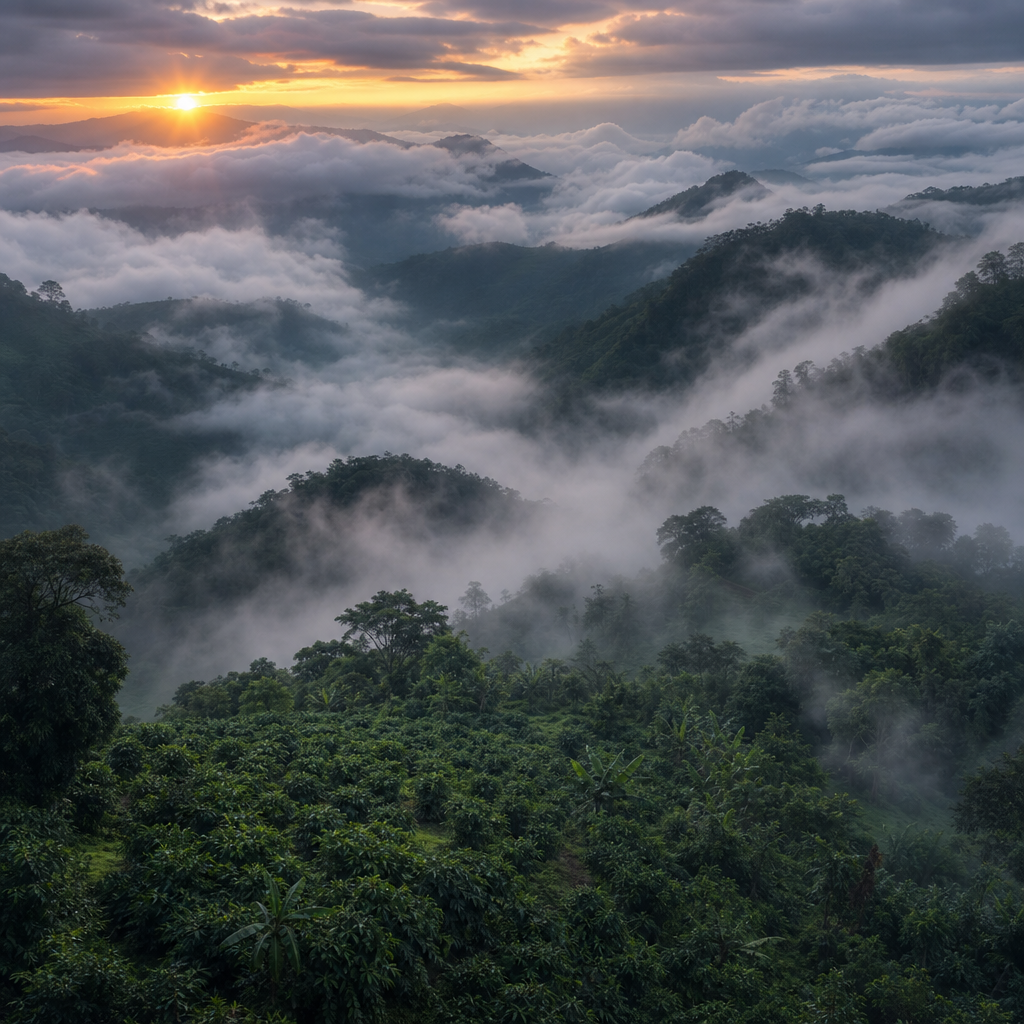
Most coffee drinkers have heard that altitude matters, but few can explain exactly why a cup from Guatemala Coban tastes the way it does. Guatemala Coban coffee is grown at elevations between 1,300 and 1,500 metres above sea level, inside a cloud forest region with almost permanent mist.
That combination of high altitude, cool temperatures, and unusual humidity creates a flavour profile that is genuinely unlike anything produced at lower elevations. If you have ever wondered why single origin coffee from this specific region commands attention from serious roasters, this article gives you the full picture.
Table of Contents
- Quick Takeaways
- What Makes Coban Unique Among Guatemala's Coffee Regions
- Altitude and Coffee Chemistry: The Science Behind the Cup
- The Flavour Profile of Guatemala Coban Coffee
- Comparing Coban to Other Single Origin Coffees
- How to Brew Guatemala Coban Coffee at Home
- Sourcing, Freshness, and Why the Roaster Matters
- Frequently Asked Questions
- References
Quick Takeaways
| Key Insight | Explanation |
|---|---|
| Altitude slows bean development | Above 1,300m, cooler temperatures extend the cherry ripening period, concentrating sugars and acids in the bean. |
| Coban is a cloud forest, not a highland plateau | Persistent mist and high annual rainfall (over 3,000mm) create a microclimate distinct from Antigua or Huehuetenango. |
| Harder beans equal more flavour compounds | Slow growth at altitude produces denser beans, classified as SHB (Strictly Hard Bean), which carry more complex aromatics. |
| Wet processing is standard in Coban | The washed process removes fruit mucilage before drying, preserving the region's clean, bright acidity. |
| Brew temperature needs adjusting | Denser SHB beans extract better at 94-96 degrees Celsius, slightly higher than the 90-92 degrees used for lower-grown coffees. |
| Single origin means full traceability | Buying a Coban single origin from a reputable UK roaster gives you provenance down to the growing region, not just the country. |
| Freshness window is short | Ground Coban coffee loses its primary aromatics within 2 weeks. Whole bean, stored airtight, performs best within 6 weeks of roasting. |
What Makes Coban Unique Among Guatemala's Coffee Regions
Guatemala has eight recognised coffee-producing regions, each with a distinct cup profile tied to its geography. Antigua gets most of the attention because of its volcanic soil and dry climate. Huehuetenango is celebrated for its bright, fruity acidity. Coban, located in the Alta Verapaz department in the north of the country, is the outlier.
The town of Coban sits inside a cloud forest biome. Rainfall here exceeds 3,000mm per year, and the sky is overcast for much of the growing season. That is unusual. Most high-altitude coffee regions rely on distinct wet and dry seasons to control drying after harvest. In Coban, farmers have developed mechanical drying methods because the sun is simply not reliable enough. The result is a processing approach that differs from almost every other Guatemalan region.
The Role of the Alta Verapaz Microclimate
The Alta Verapaz microclimate combines altitude, consistent cloud cover, and mineral-rich limestone soil. Limestone drainage influences the mineral composition of the water available to coffee plants, and some cup quality researchers believe this contributes a mild earthiness that distinguishes Coban from the sharper profiles found in volcanic soil regions. In practice, tasting a Coban alongside an Antigua single origin side by side makes the difference immediately obvious.
The mist that rolls through the Alta Verapaz forest also acts as a natural temperature regulator. Even at peak summer, temperatures rarely exceed 22 degrees Celsius at farm level. This keeps the cherries on the tree longer, pushing the harvest toward a November to February window rather than the earlier October harvest common in warmer Guatemalan zones.
Altitude and Coffee Chemistry: The Science Behind the Cup
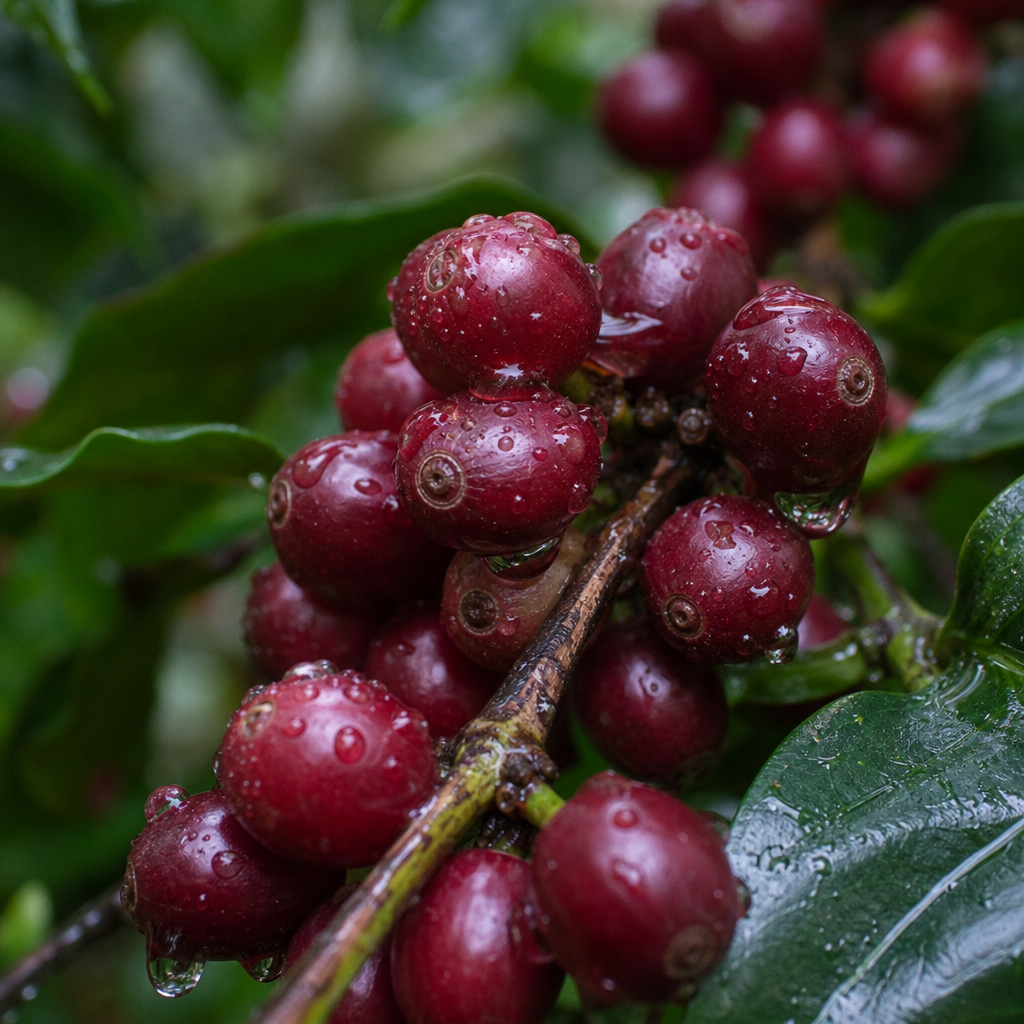
Altitude is not a marketing term. It has a direct, measurable effect on coffee chemistry. At higher elevations, lower atmospheric pressure and cooler temperatures slow the metabolic processes inside the coffee cherry.
A cherry that ripens over a longer period accumulates more sucrose, citric acid, and malic acid. These compounds are the raw material for the complex flavours that specialty coffee drinkers associate with quality.
The Specialty Coffee Association grades Guatemalan Coban as SHB, Strictly Hard Bean. This classification is awarded to coffee grown above 1,350 metres. Harder beans are physically denser, which matters during roasting.
A denser bean requires more heat energy to reach the same internal temperature as a softer, lower-grown bean. Roasters who understand this adjust their roast profiles accordingly, which is why the experience of the roaster is not a secondary consideration.
Sucrose Concentration and Its Effect on Roasted Flavour
Research published through coffee science programmes at the World Coffee Research organisation has consistently shown a positive correlation between altitude and sucrose concentration in Arabica beans. Higher sucrose levels translate to better caramelisation during roasting. That caramelisation is what creates the toffee and brown sugar notes that appear in tasting notes for high-grown Guatemalan coffees.
Chlorogenic acids also behave differently at altitude. These are the compounds responsible for the sharp, slightly astringent quality that lower-grown coffees sometimes carry. At high altitudes, chlorogenic acid levels tend to be lower relative to the sweeter compounds, which is one reason Coban coffees typically finish cleaner than their lower-elevation counterparts.
Pro tip: If your Guatemala Coban coffee tastes flat or thin, the most likely cause is water temperature that is too low. Use 95 degrees Celsius for pour-over and filter methods to fully extract the denser SHB bean structure.
The Flavour Profile of Guatemala Coban Coffee
Describing a single origin coffee's flavour profile is only useful if the description is specific enough to set accurate expectations. For Guatemala Coban, the profile is consistent across most reputable roasters: dark chocolate, dried plum, mild earthiness, and a medium-to-full body with a long, clean finish.
The acidity in a Coban is softer than you would find in a Kenyan single origin or a Colombian from Nariño. The cloud forest environment moderates the sharp malic and citric acids that characterise coffees from more sun-exposed high-altitude regions. What you get instead is a rounder, more integrated acidity that sits underneath the chocolate notes rather than cutting through them.
How Processing Method Shapes the Final Cup
Most Coban coffee is washed, meaning the fruit skin and mucilage are removed before the beans are dried. The washed process locks in clarity and acidity. Natural processing, where beans dry inside the whole cherry, would amplify the fruit and add a wine-like fermented quality. You rarely see naturally processed Coban because the region's persistent humidity makes it technically difficult to dry whole cherries without defects developing.
A small number of producers in Alta Verapaz use honey processing, where some mucilage is left on the bean during drying. Honey-processed Coban splits the difference between washed brightness and natural sweetness. If you enjoy the clarity of washed coffees but want a slightly fuller sweetness, a honey-processed Coban is worth seeking out specifically.
Comparing Coban to Other Single Origin Coffees
Single origin coffee enthusiasts often ask how Coban compares to other well-known origins. The answer depends on what you are optimising for. If you want vivid, fruit-forward brightness, a washed Ethiopian from Yirgacheffe will outperform Coban. If you want balance, complexity, and chocolate depth that works across multiple brew methods, Coban is very difficult to beat.
| Origin | Flavour Character | Best Brew Method |
|---|---|---|
| Guatemala Coban | Dark chocolate, dried plum, mild earth, soft acidity, full body | Pour-over, French press, espresso |
| Ethiopia Yirgacheffe (washed) | Jasmine, bergamot, lemon, light body, high acidity | Pour-over, AeroPress light roast |
| Colombia Huila | Red apple, caramel, medium acidity, balanced body | Filter, espresso, Chemex |
The data consistently shows that when specialty coffee consumers are asked to identify their preferred everyday single origin, medium-roasted Central American coffees including Guatemalan origins rank highest for repeat purchase. A 2023 survey by the Specialty Coffee Association found that Guatemala consistently places in the top three countries for consumer satisfaction scores among SCA-graded Arabica origins.
"The Alta Verapaz cloud forest produces some of the most climatically unusual growing conditions in all of Central America. The result is a cup that does not behave like any other Guatemalan coffee." - World Coffee Research, Arabica Regional Characterisation Programme
How to Brew Guatemala Coban Coffee at Home
A common mistake is treating a single origin Guatemala the same way you would treat a house blend. Blends are designed for forgiveness. Single origin coffees reward precision. Coban is particularly sensitive to grind consistency because its dense bean structure extracts unevenly when the grind is inconsistent.
Pour-Over Parameters for Coban
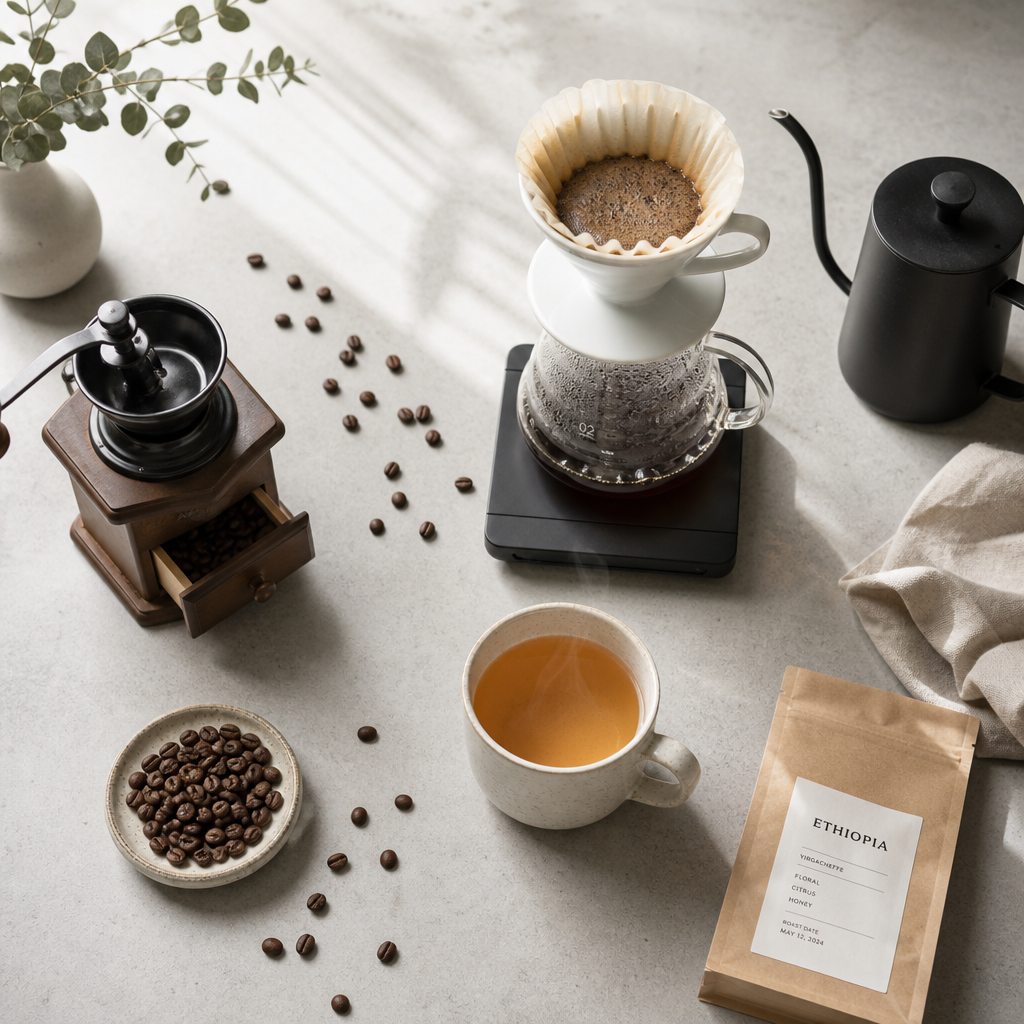
For a standard V60 or Chemex pour-over, start with a 1:15 coffee-to-water ratio by weight. Use water at 95 degrees Celsius. Grind slightly coarser than medium fine. Begin with a 45-second bloom using twice the coffee weight in water.
The bloom reveals the coffee's freshness through carbon dioxide outgassing. A vigorous bloom tells you the beans were roasted recently, which matters.
Total brew time should fall between 3 minutes and 3 minutes 30 seconds. If you are under 3 minutes, grind finer. If you are over 3 minutes 30 seconds, grind coarser. The goal is to extract the chocolate and dried fruit notes without pulling the earthy bitterness that sits in the final extraction phase.
Espresso Extraction with Coban
Coban as espresso is underrated. The full body and low-to-medium acidity make it well suited to milk-based drinks. As a straight espresso, aim for a 1:2.5 ratio at 9 bars of pressure over 28 to 30 seconds. The result is a rich, chocolatey shot with a toffee finish that holds up through a flat white without disappearing into the milk.
Pro tip: Whole bean Guatemala Coban stored in a sealed, opaque container away from heat will hold peak flavour for up to six weeks post-roast. Pre-ground Coban deteriorates noticeably within 10 to 14 days, so buy whole bean and grind as needed if you want the full profile.
Sourcing, Freshness, and Why the Roaster Matters
Not all Guatemala Coban coffee sold in the UK is created equal. The origin label tells you where the coffee was grown. The roaster determines whether those flavours survive to your cup. Over-roasting a Coban to a dark French roast destroys the delicate dried fruit notes and replaces them with generic bitterness. A medium to medium-light roast is where the Coban profile expresses itself most fully.
Farrer's approach to single origin coffee reflects over 200 years of roasting experience from the Lake District. Hand-packing and freshly roasting in small batches means the coffee dispatched to you is not warehouse stock that has been sitting for months.
The difference between a Coban roasted three days ago and one roasted three months ago is not subtle. It is the difference between a complex, evolving cup and a flat, one-dimensional experience.
What to Look for When Buying Single Origin Specialty Coffee in the UK
When evaluating specialty coffee UK suppliers, the roast date matters more than the best-before date. A best-before date of 18 months from packaging tells you nothing useful. A roast date of last Tuesday tells you everything. Any roaster confident in their product will print the roast date on the bag.
Traceability beyond the country of origin is a sign of genuine specialty sourcing. Knowing that a coffee is from Alta Verapaz, Coban specifically, is meaningful. Knowing only that it is from Guatemala is not. The same principle applies to the eight other Guatemalan regions, each of which produces a cup that differs significantly from the others. Provenance is not a marketing decoration. It is the reason the coffee tastes the way it does.
Frequently Asked Questions
What does Guatemala Coban coffee taste like?
Guatemala Coban coffee typically presents dark chocolate, dried plum, and a mild earthiness with a medium-to-full body and soft acidity. The washed processing method keeps the cup clean and bright rather than fruit-forward or fermented. It is a balanced, complex coffee that works well black or with milk.
Why does altitude make coffee taste better?
Higher altitude means cooler temperatures and lower atmospheric pressure. Both factors slow the ripening of the coffee cherry, giving it more time to accumulate sugars and complex organic acids. The result is a denser, harder bean with higher sucrose content, which translates to better caramelisation during roasting and a more complex flavour in the cup.
What is SHB classification and why does it matter for Coban?
SHB stands for Strictly Hard Bean, the highest density classification for green coffee. It is awarded to coffee grown above 1,350 metres. Denser beans are physically more stable, roast more evenly, and carry more flavour compounds per gram than softer, lower-grown beans. Most quality Guatemala Coban will carry SHB certification, which is a useful shorthand for altitude-verified quality.
How is Guatemala Coban different from Antigua coffee?
Antigua is grown in a dry, volcanic highland environment with clear seasonal variation. Its cup profile tends toward bright acidity, smoke, and brown spice. Coban is grown inside a cloud forest with persistent mist and high rainfall, which produces a softer, earthier, chocolate-dominant profile. The two regions share a country but almost nothing else in terms of growing conditions.
What is the best brewing method for Guatemala Coban?
Pour-over methods such as the V60 or Chemex extract the most nuance from a Coban single origin. French press works well if you prefer full body over clarity. Coban also performs strongly as espresso, particularly in milk-based drinks where its chocolate depth and full body hold their own. The key across all methods is using water at 94 to 96 degrees Celsius to account for the bean's density.
Where can I buy genuine single origin Guatemala Coban coffee in the UK?
Look for a UK roaster that prints a roast date on the bag, lists the specific growing region within Guatemala rather than just the country, and dispatches freshly roasted stock. Farrer's, operating from the Lake District as the UK's oldest coffee roaster, offers hand-packed single origin coffees roasted to order and dispatched with next-day delivery on qualifying orders.
Have you tried Guatemala Coban coffee and noticed the difference that altitude makes in the cup? Share your tasting notes or brewing questions below.
References
- Specialty Coffee Association: research and standards for specialty coffee grading and origin evaluation
- World Coffee Research: scientific data on Arabica variety performance by altitude and region
- Statista: consumer preference data and market research for the global specialty coffee sector
- Forbes: reporting on the growth of premium single origin coffee and artisan roaster market trends
- Ahrefs Blog: search trend data and keyword analysis for specialty coffee consumer behaviour


