

Most people spending £12 to £15 on a bag of specialty coffee from a supermarket have no idea they are paying a significant premium for the privilege of stale beans that sat in a warehouse for months before hitting the shelf.
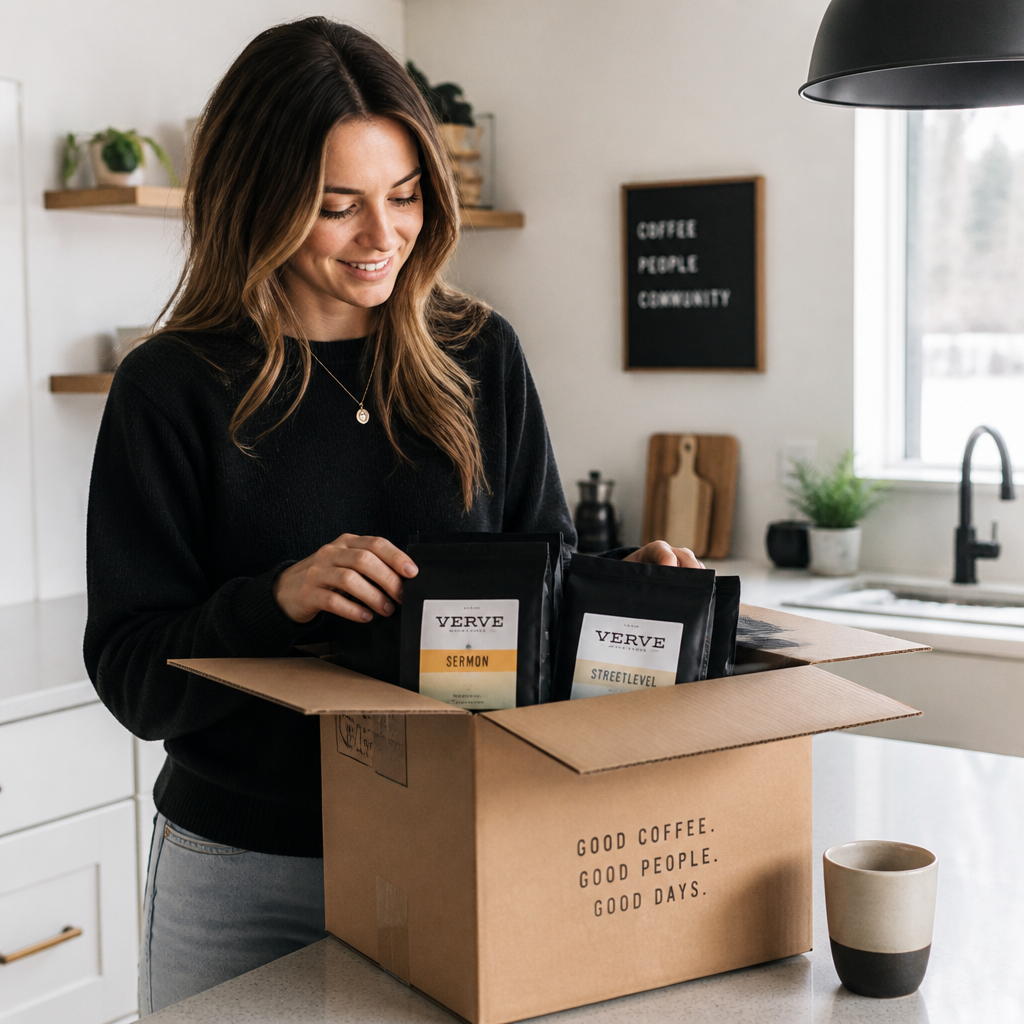
A coffee subscription UK from a working roastery like Farrer's flips that model entirely. You get freshly roasted coffee dispatched directly from the Lake District, often within 24 hours, at a price that undercuts what you would spend buying the same quality ad hoc. This guide walks through exactly how Farrer's subscription works, what you will actually save, and whether it is the right fit for your household or hospitality business.
Table of Contents
- Quick Takeaways
- Why Roastery Delivery Changes the Coffee Equation
- How Farrer's Coffee Subscription Works
- What You Will Actually Save
- Choosing Your Coffee and Grind
- Subscription vs One-Off Purchase vs Supermarket
- Who Benefits Most from Farrer's Subscription
- Frequently Asked Questions
- References
Quick Takeaways
| Key Insight | Explanation |
|---|---|
| Freshness is the biggest hidden value | Farrer's roasts to order and dispatches next day on orders over £35, meaning your coffee arrives days after roasting, not months. |
| Subscribers pay less per bag | Farrer's subscription pricing reduces the per-bag cost compared to one-off purchases, compounding savings over a year of regular deliveries. |
| Over 200 years of roasting expertise informs every blend | Farrer's is the UK's oldest coffee roaster, which means blend consistency and quality control that newer direct-to-consumer brands simply cannot replicate yet. |
| You can pause or skip deliveries | Subscription flexibility means you never accumulate surplus stock, a common reason people abandon coffee subscriptions entirely. |
| Grind customisation is included | Farrer's grinds to your specification at no extra charge, removing the need for a home grinder to access freshly ground coffee. |
| Trade accounts and home accounts use the same subscription infrastructure | Cafes and restaurants can access the same roastery delivery model as home subscribers, making Farrer's viable for hospitality businesses watching their cost per cup. |
| No long-term contract locks you in | Unlike some subscription services that penalise cancellations, Farrer's operates on a rolling basis, which reduces the perceived risk of starting. |
Why Roastery Delivery Changes the Coffee Equation
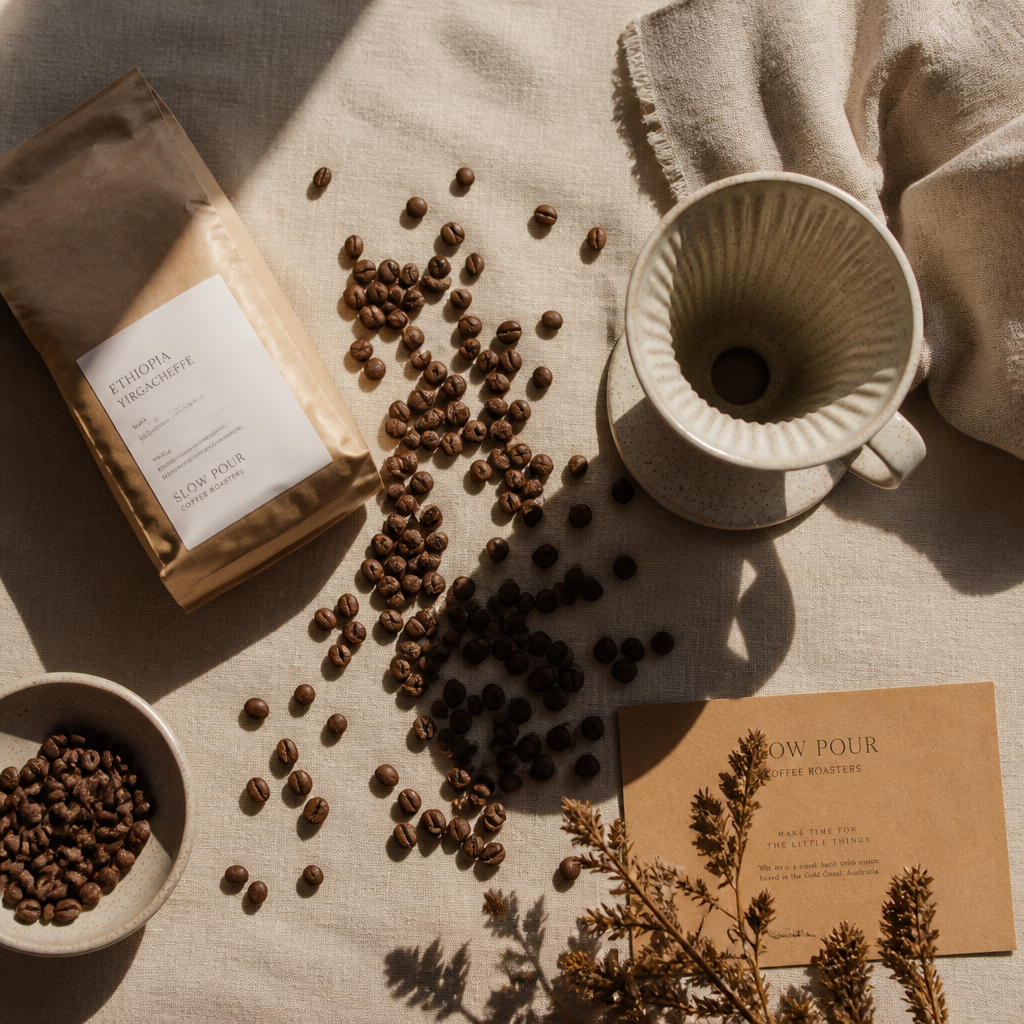
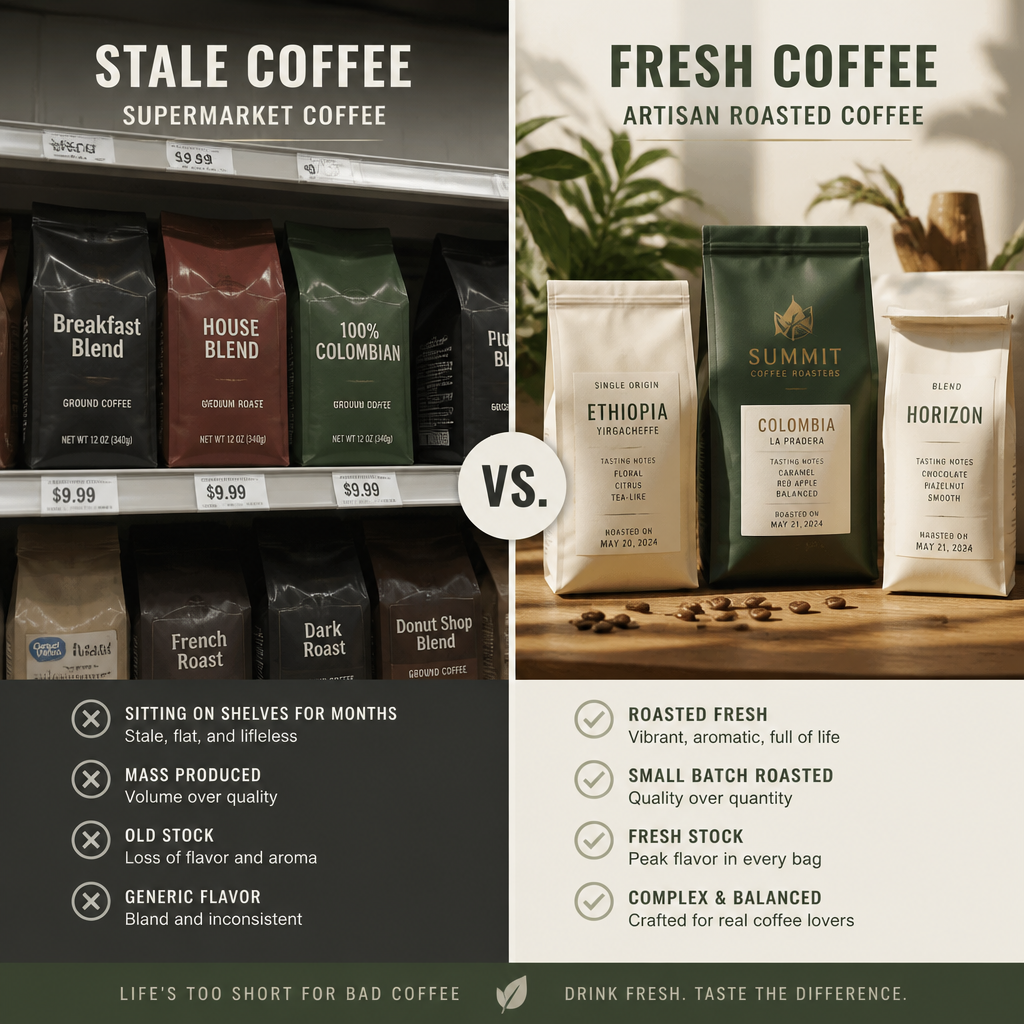
The standard retail coffee supply chain is genuinely bad for quality. Coffee is at its best between four days and four weeks after roasting. Supermarket beans are typically roasted, rested, packaged, warehoused, shipped to a distribution centre, and then placed on a shelf. By the time they reach your grinder, they are often two to six months old. You are not buying fresh coffee. You are buying preserved coffee.
Roastery delivery eliminates every unnecessary step in that chain. When Farrer's roasts a batch of their Breakfast Blend or single-origin Kenyan, it goes into hand-packed bags and is dispatched to subscribers directly. The Lake District location, which some people assume is a logistical disadvantage, is actually irrelevant in practice because UK-wide next-day courier services mean geography does not affect delivery speed for most postcodes.
The data on freshness preference is compelling. According to Statista's consumer research on coffee purchasing behaviour, flavour quality and freshness rank as the top two purchase drivers for specialty coffee buyers, both outranking price. Roastery delivery is the only model that consistently delivers on both simultaneously.
"Coffee stales faster than most people realise. Oxygen, moisture, and light degrade aromatic compounds within days of the bag being opened. Starting with freshly roasted beans is the single biggest quality upgrade a home brewer can make." - Specialty Coffee Association, Coffee Science Foundations
Farrer's understood this before most of their competitors existed. Operating since the early 1800s, they built their reputation on freshness and hand-packing, not on marketing budgets or influencer campaigns. That heritage is not just brand storytelling. It is a genuine operational philosophy that shapes how every subscription order is handled.
How Farrer's Coffee Subscription Works
Setting up a Farrer's subscription takes about three minutes. You choose your coffee, select your grind preference, set your delivery frequency, and check out. There is no quiz requiring you to rate fifteen flavour profiles or upload a photo of your espresso machine. The process respects that most buyers already know what they like.
Selecting Your Frequency
Farrer's offers multiple delivery intervals to match real consumption patterns. A household running through 250g per week will need a different cadence than a single espresso drinker consuming 100g over the same period. The subscription portal lets you match delivery frequency to your actual usage, which is the single most important factor in avoiding the dreaded stale-coffee-in-the-cupboard problem.
A common mistake is setting frequency based on how often you think you should drink coffee rather than how often you actually do. Be honest about your consumption. If you make one cafetiere per morning, a fortnightly 250g delivery is almost certainly the right starting point.
Grind Options Without Extra Cost
Farrer's grinds to order at no surcharge. Options typically cover whole bean, coarse for cafetiere and filter, medium for pour-over and Aeropress, and fine for espresso. This matters because a quality grinder capable of consistent espresso-grade grinding costs upwards of £150 for entry-level models. Subscribers who do not yet own a grinder get professional-level grinding built into their subscription price.
Managing and Pausing Deliveries
Life is not a fixed schedule. Farrer's subscription accounts allow you to pause, skip, or reschedule deliveries without penalty. In practice, this means going on holiday does not result in three bags of coffee going stale on your doorstep. This flexibility is one of the main reasons verified Farrer's customers consistently cite subscription convenience in their reviews, contributing to that 4.9 out of 5 rating.
Pro tip: Set your first delivery to arrive on a day when you will be home. Fresh roastery coffee benefits from a 24 to 48-hour rest after delivery before brewing, as CO2 off-gassing from recently roasted beans can make espresso taste harsh. Timing your first brew for day two gives noticeably better results.
What You Will Actually Save
The honest answer is: it depends on your current buying habits, but the savings are real and compound across a year. Here is a grounded calculation.
A 250g bag of comparable specialty coffee from a premium independent retailer typically retails between £10 and £13. The same quality via a Farrer's subscription lands meaningfully below that threshold per bag once the subscription discount is applied, and delivery costs are absorbed once you hit the £35 minimum threshold for next-day dispatch. A household consuming one 250g bag per week spends roughly £520 to £676 annually at retail prices. Farrer's subscription pricing brings that figure down noticeably over the same period.
For trade customers, the maths gets more interesting. A small independent cafe going through 3kg per week at retail specialty pricing could be spending north of £6,000 per year on coffee alone. Switching to a roastery subscription model with direct-from-roastery pricing, plus the consistency of a single trusted supplier, can trim that figure while improving cup quality. Higher cup quality means better customer retention, which has a revenue impact that far outweighs the subscription discount itself.
According to research published on HubSpot's marketing statistics platform, subscription models across consumer goods deliver an average customer lifetime value 3.5 times higher than single-purchase equivalents. For the buyer, the mirror of that figure is sustained value: you are locking in a price and a quality level rather than riding the volatility of retail pricing.
Pro tip: If you are buying for a household of two or more coffee drinkers, calculate your weekly bean consumption by counting actual cups rather than estimating. Most households underestimate by 30 to 40 percent. Getting the quantity right on your subscription from day one avoids the two most common subscription failures: running out mid-week and accumulating excess stock.
Choosing Your Coffee and Grind
Farrer's range covers blends and single origins, with options suited to different brewing methods. Their flagship blends like the Kendal Blend are designed for consistency across brewing methods, making them sensible starting points for subscribers who switch between an espresso machine and a cafetiere depending on the morning.
Single origins are the better choice for filter enthusiasts who want to taste the provenance of a coffee rather than a blended flavour profile. Farrer's sources from established growing regions, and their roasting approach tends toward medium profiles that preserve origin character without veering into the ultra-light roasts that some UK specialty roasters favour. This makes their single origins more accessible to drinkers moving from commercial blends rather than requiring a palate recalibration.
Matching Coffee to Brewing Method
Espresso drinkers should default to Farrer's classic blends on their first subscription order. These blends are designed with espresso extraction in mind, meaning the grind recommendation, dose, and expected flavour notes are calibrated for pressure-based brewing. Attempting to dial in a single-origin light roast on an entry-level espresso machine is a frustrating experience that puts people off specialty coffee unnecessarily.
Cafetiere and filter brewers have more flexibility. The coarser grind required for these methods is more forgiving, and a wider range of Farrer's blends perform well across both. If you are new to the range, starting with a medium roast blend before exploring single origins is a lower-risk approach.
Subscription vs One-Off Purchase vs Supermarket
| Buying Method | Freshness at Brewing | Cost Efficiency Over 12 Months |
|---|---|---|
| Farrer's Roastery Subscription | Roasted to order, dispatched next day, arrives within days of roasting | Lowest per-bag cost of the three options, delivery absorbed above £35 threshold, no price volatility |
| Farrer's One-Off Purchase | Same roastery freshness, no compromise on quality | Higher per-bag cost than subscription, delivery cost applies on smaller orders, no automatic replenishment |
| Supermarket Specialty Coffee | Typically 2 to 6 months post-roast by purchase date, flavour degraded | Appears lower cost per bag but delivers inferior cup quality per gram of coffee used |
The comparison above makes a case that the supermarket option does not serve coffee drinkers well on any measure except immediate convenience. You can pick up a bag on the same shopping trip as your weekly groceries, but you are buying a noticeably inferior product. For anyone who has tasted coffee brewed from beans roasted within the past two weeks, going back to supermarket freshness is a difficult adjustment.
The one-off purchase from Farrer's sits in a sensible middle position. It is the right call if your consumption is irregular or if you want to trial specific coffees before committing to a subscription cadence. The quality is identical to the subscription product because it comes from the same roastery on the same dispatch schedule.
Who Benefits Most from Farrer's Subscription
Regular home drinkers with predictable consumption patterns get the clearest benefit. If you make coffee at home six or seven days a week using the same method, a subscription is objectively the most cost-effective way to keep high-quality beans in your kitchen without the cognitive overhead of reordering every two weeks.
Hospitality businesses, particularly independent cafes and smaller restaurants, benefit in a different way. Consistency of supply from a single roaster simplifies staff training and ensures baristas are not recalibrating grind settings every time a different coffee arrives. Farrer's trade accounts and subscription infrastructure serve this need directly, and the roastery's 200-plus year track record means supply reliability is not a concern.
Gift subscribers represent a third group. Farrer's subscription makes a genuinely useful gift for coffee-drinking friends or family precisely because it is not a one-time novelty. A three-month subscription gift delivers fresh roastery coffee on a schedule, which is more practical and more memorable than a single bag wrapped in tissue paper.
The people who benefit least are highly experimental drinkers who want to rotate through different roasters weekly. That is a legitimate preference, but it is one that works against the subscription model's core value proposition of consistency and accumulated savings. If that describes you, Farrer's one-off purchase range is a better fit.
Frequently Asked Questions
Can I change my coffee selection after starting a subscription?
Yes. Farrer's subscription accounts allow you to switch your chosen coffee between delivery cycles. This is useful when you want to move between blends seasonally or try a new single origin that has come into the range. You are not locked into your first selection indefinitely.
How does the next-day dispatch work for coffee subscriptions UK orders?
Orders placed before the cut-off time on a working day on orders over £35 are dispatched the same day for next-day delivery. Subscription orders are processed automatically on your chosen schedule, so you do not need to manually place each order. The dispatch process is the same whether you are a home subscriber or a trade account.
Is Farrer's subscription cheaper than buying from competitors like Origin Coffee or Lavazza?
On a direct per-bag comparison, Farrer's subscription pricing is competitive with Origin Coffee's subscription tier and significantly cheaper per bag than buying Lavazza from premium retail channels. More importantly, Farrer's roasts in smaller batches with faster dispatch cycles than larger commercial roasters, so the freshness-adjusted value is higher even when the sticker price is similar.
What grind size should I choose if I am unsure about my brewing method?
If you are genuinely uncertain, choose coarse grind. It works acceptably in a cafetiere, is suitable for most filter methods, and gives you the option to use the coffee as whole bean in a pinch by grinding it yourself. Espresso grind is the one setting that requires a specific machine type, so avoid it unless you are certain you have an espresso machine at home.
Does Farrer's offer a subscription for tea as well as coffee?
Farrer's sells premium loose leaf teas alongside their coffee range. While the subscription infrastructure is primarily oriented around coffee, the broader range means tea drinkers can add tea to their orders and benefit from the same next-day dispatch and hand-packing quality that makes the coffee subscription worthwhile.
What happens if I go on holiday and do not want a delivery while I am away?
You can pause or skip a delivery through your subscription account without any cancellation penalty. The system is designed to be managed around your schedule rather than forcing you to receive deliveries on a fixed calendar. Pausing before a holiday is a standard use case the platform handles straightforwardly.
Can a small cafe use Farrer's subscription model for trade supply?
Yes. Farrer's serves both home and trade customers through their subscription infrastructure. A small cafe or restaurant with predictable weekly volume can set up a recurring roastery delivery, benefit from consistent quality, and simplify their purchasing process. Trade accounts typically access pricing that reflects higher volume, making the cost per kilogram more favourable than one-off purchases.
Have you started a coffee subscription from a roastery, and has it changed the way you think about what fresh coffee actually tastes like? Share your experience below.
References
- Statista: Global consumer research on coffee purchasing behaviour and freshness preferences
- HubSpot Marketing Statistics: Subscription model customer lifetime value data
- Forbes: Analysis of direct-to-consumer subscription commerce growth in the UK food and beverage sector
- McKinsey and Company: Research on subscription e-commerce and consumer retention patterns
- UK Food Standards Agency: Guidance on food storage, freshness labelling, and shelf-life standards for roasted coffee products


