

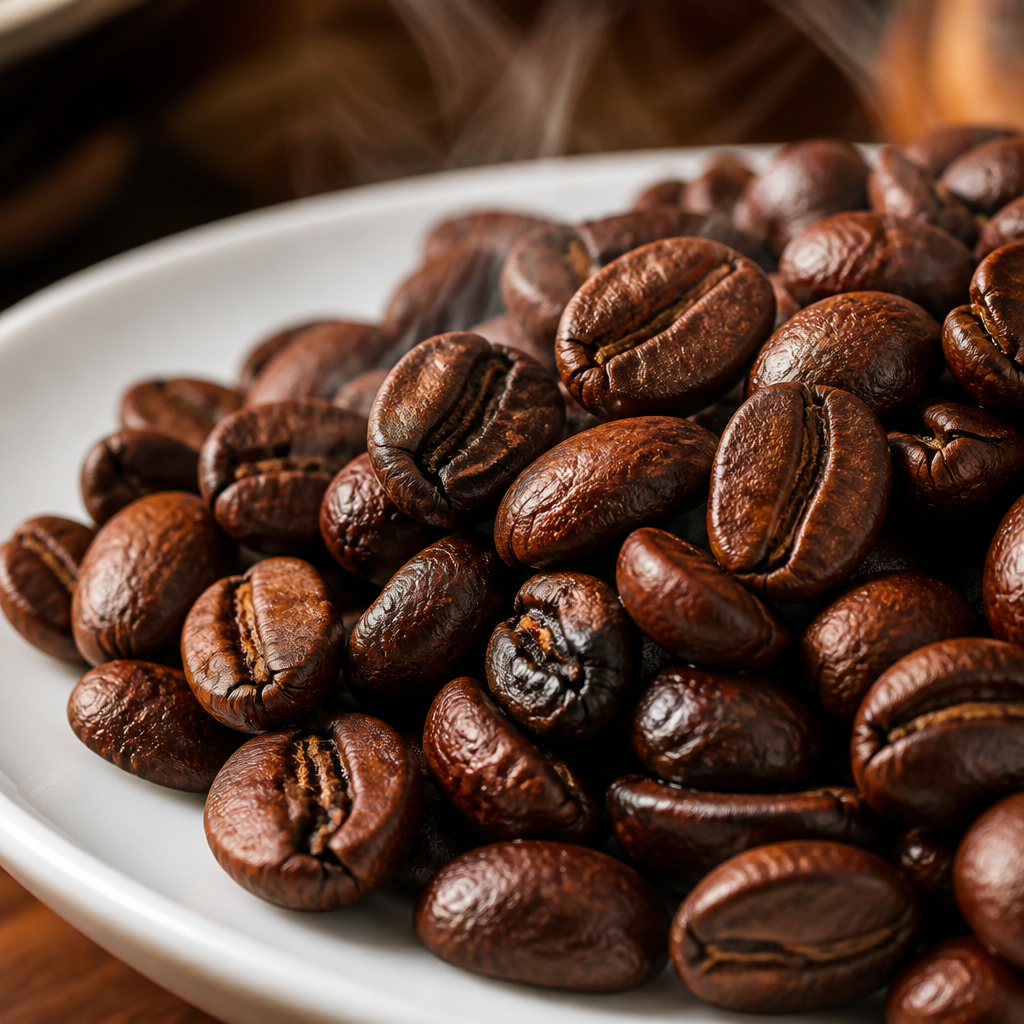
Most people writing off decaf coffee have never tasted one made properly. They remember the flat, faintly musty cup that came from a method involving chemical solvents, stripped of everything that made the original bean worth drinking in the first place. That association is outdated. Decaf coffee UK buyers now have access to a process that removes caffeine without touching a single synthetic chemical, and the difference in the cup is not subtle. Mountain Water Processing is the reason serious coffee drinkers, including those served by roasters with 200 years of craft behind them, no longer treat decaf as a lesser option.
Table of Contents
- Quick Takeaways
- What Is Mountain Water Processing?
- Step by Step: How Caffeine Is Removed Without Stripping Flavour
- Mountain Water vs Other Decaf Methods: A Direct Comparison
- What Mountain Water Decaf Actually Tastes Like
- Who Should Be Drinking Mountain Water Decaf
- How to Brew Mountain Water Decaf at Its Best
- Frequently Asked Questions
- References
Quick Takeaways
| Key Insight | Explanation |
|---|---|
| Mountain Water Processing is 100% chemical-free | It uses only pure glacial water and activated carbon filters. No solvents, no methylene chloride, no ethyl acetate. |
| The process removes up to 99.9% of caffeine | A cup of Mountain Water decaf typically contains only 2 to 5 mg of caffeine, compared to roughly 95 mg in a standard cup. |
| Flavour compounds are preserved through re-infusion | The beans are re-soaked in flavour-saturated water, so the only thing being drawn out is caffeine - not the oils, acids, and sugars that define character. |
| It is carried out exclusively by Descamex in Mexico | The Descamex facility in Veracruz, Mexico, has been running Mountain Water Processing since 1984 using glacial spring water from the Pico de Orizaba volcano. |
| The source water is a genuine differentiator | Glacial water from Pico de Orizaba - Mexico's highest peak - is soft, mineral-balanced, and notably pure, which matters to the consistency of the process. |
| Roast quality still matters enormously | Mountain Water Processing preserves the green bean's potential - but a poor roast will still produce a poor cup. Choose roasters with genuine craft and consistency. |
| It is suitable for trade and home use alike | Cafes serving customers who avoid caffeine for health or personal reasons benefit from a decaf that holds up under espresso pressure without losing depth. |
What Is Mountain Water Processing?
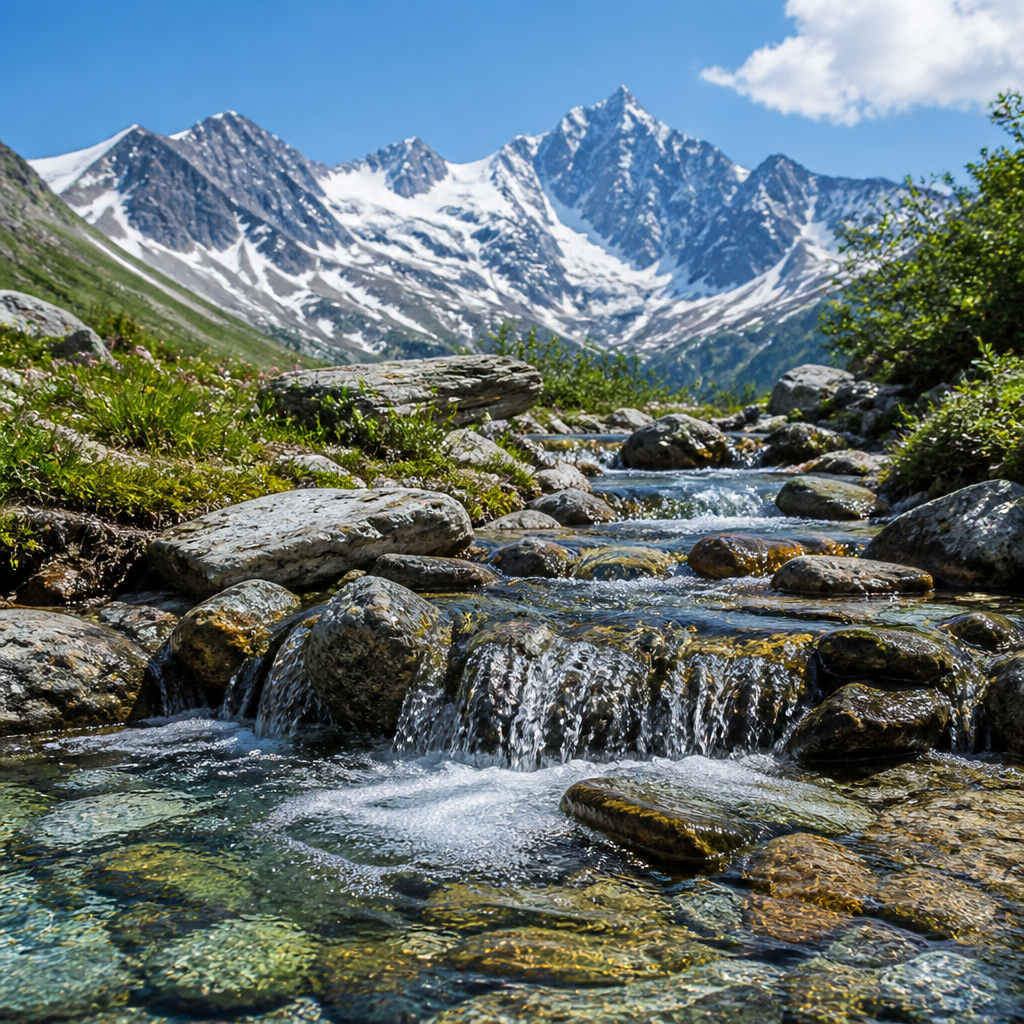
Mountain Water Processing (MWP) is a decaffeination method developed in Mexico and carried out exclusively at the Descamex facility in Veracruz, which has operated since 1984. The process uses glacial spring water sourced from the base of the Pico de Orizaba volcano, the highest peak in Mexico, as the sole medium for extracting caffeine from green coffee beans.
The principle behind it is elegant. Rather than reaching for a solvent to dissolve caffeine out of the bean, Mountain Water Processing works with the natural chemistry of osmosis. Caffeine is water-soluble. So are many flavour compounds. The challenge of any decaffeination method is to pull the caffeine without pulling everything else with it. Mountain Water Processing solves that problem by pre-saturating the water with the very compounds you want to keep - so the beans have nowhere to lose them.
The key to Mountain Water Processing is not just what it removes - it is what it leaves behind. The process is designed so that the flavour-saturated water creates the conditions for caffeine to exit while everything that gives the bean its character stays put.
Unlike methods that rely on methylene chloride or ethyl acetate to bond with and carry away caffeine, Mountain Water Processing introduces no external chemical compounds at any stage. The result is a decaffeinated green bean that can be roasted, ground, and brewed exactly as you would any premium coffee.
Step by Step: How Caffeine Is Removed Without Stripping Flavour
Understanding the four stages of Mountain Water Processing makes it immediately clear why the flavour outcome is so different from solvent-based decaffeination. This is not a rough extraction - it is a calibrated osmotic process.
Stage One: Initial Soaking
Green, unroasted coffee beans are immersed in hot, pure mountain water. This expands the beans, makes their internal structures permeable, and draws out both caffeine and water-soluble flavour compounds into the water. At this point, the liquid holds everything - caffeine, oils, acids, and sugars alike.
Stage Two: Carbon Filtration
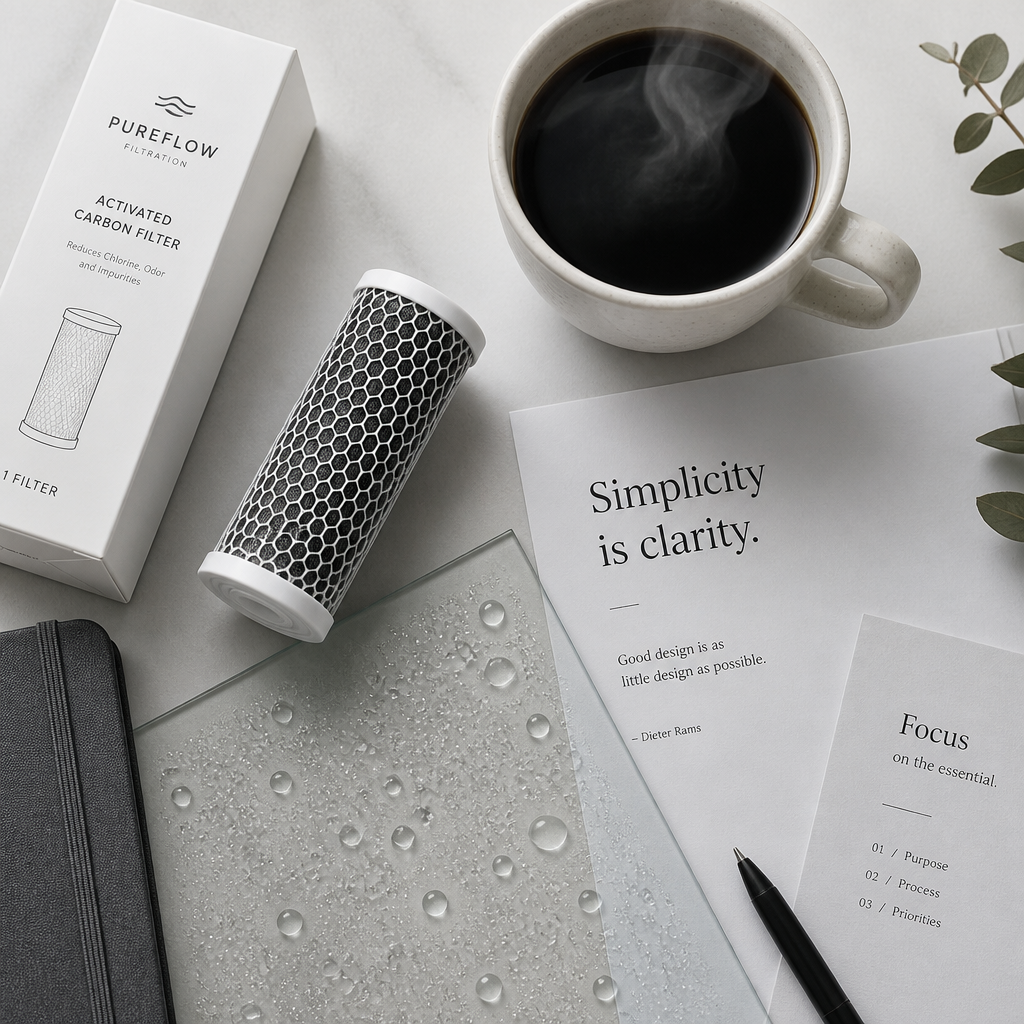
The caffeine-rich water is passed through a special activated carbon filter. These filters are engineered to trap caffeine molecules selectively. The flavour compounds, which are larger and chemically distinct, pass through the filter and remain in the water. The result is a liquid that is caffeine-free but rich with the flavour profile of the original bean - this is referred to as Green Coffee Extract.
Stage Three: Re-Infusion
This is the stage that makes Mountain Water Processing genuinely different from the first wave of water-based decaffeination attempts. The Green Coffee Extract is used to re-soak a fresh batch of beans. Because the water is already saturated with flavour compounds at equilibrium, the beans have no osmotic drive to release those same compounds. Only caffeine, which is not present in the extract, continues to migrate out. The flavour profile is preserved by design, not by luck.
Stage Four: Drying
The decaffeinated beans are carefully dried back to their standard moisture content, then shipped to roasters. From this point, they are treated exactly like any other green bean. The roaster applies their craft, and the Mountain Water process becomes invisible in the cup - which is precisely the point.
Pro tip: When sourcing decaf coffee for a cafe or restaurant, ask your supplier explicitly whether the decaf has been Mountain Water or Swiss Water processed. If the supplier cannot tell you the decaffeination method, that is useful information in itself - it usually means they are buying from a commodity chain rather than a craft one.
Mountain Water vs Other Decaf Methods: A Direct Comparison
Not all decaffeination methods are equal. The table below compares the three most common approaches used for caffeine-free coffee sold in the UK market. This is not a nuanced overview where every method gets equal credit - the differences are meaningful and they show up in the cup.
| Method | How Caffeine Is Removed | Flavour Preservation |
|---|---|---|
| Mountain Water Process | Glacial water and activated carbon filters. No solvents. Green Coffee Extract re-infusion locks in flavour compounds. Carried out exclusively by Descamex in Mexico. | Excellent. Essential oils, acids, and sugars remain intact. Cup retains origin character, fruit notes, and body. |
| Swiss Water Process | Water-based, chemical-free method using a similar osmotic principle. Carried out in Canada. Both processes achieve comparable results. | Excellent. Functionally equivalent to Mountain Water in terms of flavour preservation. The source water (British Columbia coast vs Mexican glacial spring) is the main difference. |
| Solvent-Based Methods (e.g. Methylene Chloride, Ethyl Acetate) | Chemical solvents bond with caffeine molecules and carry them out of the bean. Some solvents are naturally derived; others are industrial chemicals. | Variable to poor. Solvents can strip flavour-active compounds along with caffeine. Residue concerns, though typically within regulated limits. Avoided by specialty roasters. |
In practice, both Mountain Water and Swiss Water Processing represent the gold standard for chemical-free decaffeination. The choice between them comes down to supply chain relationships and roaster preference rather than any meaningful quality difference. The important distinction is between water-processed decaf and solvent-processed decaf - and any roaster worth buying from should be transparent about which method they use.
Pro tip: When reading a coffee label, "water processed" without further detail could mean Mountain Water, Swiss Water, or a smaller proprietary operation. If the specific process is not named, follow up with the roaster directly. Transparency here is a reliable indicator of their overall sourcing standards.
What Mountain Water Decaf Actually Tastes Like
The flavour of a Mountain Water decaf depends almost entirely on the origin bean and the roaster's skill - which is exactly how it should be. A well-sourced, carefully roasted Mountain Water decaf should offer fruit acidity, chocolate or nutty depth, and a body that holds up in milk-based drinks. What it should not taste like is flat, papery, or hollow.
A common mistake is expecting decaf to taste identical to its caffeinated counterpart. The decaffeination process, even at its best, does introduce some degree of change - the beans have been soaked and dried before roasting, which subtly affects cell structure. An experienced palate may notice a slight softening of brightness. But the character, the origin fingerprint, and the complexity that makes a bean interesting - all of that survives Mountain Water Processing far better than it survives a solvent process.
For espresso specifically, Mountain Water decaf performs well. The oils that are critical to crema and mouthfeel are preserved by the process, so the shot will not look or feel thin. For filter methods - V60, AeroPress, French press - the full range of the bean's flavour profile comes through without interference. The brew behaves like any premium coffee. It is a credit to the process that the best way to evaluate a Mountain Water decaf is simply to brew it as you normally would, without adjustments.
Who Should Be Drinking Mountain Water Decaf
The answer is broader than most people assume. The obvious audience is anyone avoiding caffeine for health reasons - people with caffeine sensitivity, those managing anxiety, or individuals with heart conditions advised to reduce stimulant intake. Pregnant women also regularly seek out best decaf coffee UK options, since decaf fits comfortably within recommended caffeine limits during pregnancy, with a typical cup containing only 2 to 15 mg compared to around 95 mg in a standard cup.
But the audience extends well beyond medical necessity. Many experienced coffee drinkers now choose decaf for afternoon and evening brewing simply because they want to enjoy a proper cup without the sleep disruption. This is not a compromise - it is a preference. If the coffee is good enough, there is no reason not to drink it at any time of day.
For trade customers - cafes, restaurants, and hospitality businesses - offering a Mountain Water decaf on the menu is increasingly a baseline expectation, not an extra. Customers who cannot drink caffeine are not rare, and they will notice if the decaf option is a cheap powder or a solvent-processed blend with no character. Serving a properly processed, freshly roasted decaf signals that a business takes all its coffee seriously, not just the caffeinated options.
At Farrer's, the Mountain Water Decaffeinated Coffee range sits alongside the full espresso and filter offering - available in whole bean and pre-ground formats for both home and trade use. Ordering is straightforward with next-day dispatch on orders over £35, which matters for cafes planning their weekly stock.
How to Brew Mountain Water Decaf at Its Best
Mountain Water decaf does not require any special treatment or adjusted technique. The beans behave like premium green coffee through every stage of roasting and brewing. That said, a few practical points are worth noting.
Grind Fresh, Every Time
The oils preserved by Mountain Water Processing are just as volatile as those in any caffeinated coffee. Pre-ground decaf goes stale at the same rate as pre-ground regular coffee, which is to say quickly. Buy whole beans and grind just before brewing. This is not a premium affectation - it is the difference between tasting what the process preserved and tasting oxidised lipids.
Match Your Brew Method to the Roast Profile
A lighter roast Mountain Water decaf will perform best in filter methods where the full cup can showcase delicate fruit notes. A medium to darker roast will work well as espresso or in a cafetiere where a fuller body is expected. The decaffeination process does not change this calculus. The same rules that apply to caffeinated coffee apply here.
Storage and Freshness
Store decaf beans in an airtight container away from direct light and heat. Do not freeze unless you are storing a large quantity for long-term use and plan to defrost in a sealed bag to prevent condensation on the beans. For most home users, buying in quantities you will use within four to six weeks of roasting is the most reliable way to maintain quality.
Pro tip: If you are running a cafe or hospitality business and switching your decaf offering to a Mountain Water processed option, consider a short staff training session on how to describe it to customers. "Chemical-free," "glacial spring water," and "99.9% caffeine removed" are phrases that resonate immediately with guests who ask about the decaf. It converts a niche process into a genuine selling point at the point of service.
Frequently Asked Questions
Is Mountain Water decaf completely caffeine-free?
No decaffeination method removes 100% of caffeine, but Mountain Water Processing achieves up to 99.9% removal. A typical cup contains somewhere between 2 and 5 mg of caffeine, compared to around 95 mg in a standard cup of coffee. For the vast majority of people, including those managing caffeine sensitivity, this level is negligible.
Is Mountain Water Processing the same as Swiss Water Processing?
The two methods are functionally near-identical in both process and outcome. Both are 100% chemical-free, both use an osmotic Green Coffee Extract to preserve flavour compounds, and both achieve comparable caffeine removal rates. The primary difference is geographic: Mountain Water Processing is carried out exclusively by Descamex in Veracruz, Mexico, using glacial water from Pico de Orizaba, while Swiss Water Processing is carried out in Canada using water from coastal British Columbia.
Why does some decaf coffee taste so bad?
Almost always, the culprit is the decaffeination method rather than the bean. Solvent-based processes can strip flavour-active compounds along with caffeine, leaving a hollow, flat cup. Poor green bean sourcing compounds the problem - if the starting material is low quality, no process will rescue it. Mountain Water and Swiss Water processing applied to well-sourced beans produce a cup that genuinely represents the origin character of the coffee.
Can I use Mountain Water decaf in an espresso machine?
Yes, and it performs well. The essential oils that contribute to crema and mouthfeel are preserved through the Mountain Water process, so the extraction behaves comparably to a standard espresso blend. Use the same grind settings and dose you would for any medium to dark roast espresso bean, then adjust from there based on your machine's output.
Is Mountain Water decaf suitable during pregnancy?
Mountain Water decaf is widely considered a suitable option during pregnancy as part of a balanced approach to caffeine management, given that a typical cup contains only 2 to 15 mg of caffeine, well within standard guidance on daily caffeine limits. That said, individual circumstances vary - anyone with a high-risk pregnancy or specific health concerns should consult a healthcare professional before making dietary decisions based on general guidance.
How do I know if a decaf coffee has been Mountain Water processed?
Look for explicit labelling. Reputable roasters will state the decaffeination method clearly on the packaging or product page. If a bag simply says "decaffeinated" without specifying the method, contact the roaster and ask. A roaster committed to quality sourcing will always be able to tell you exactly how their decaf was processed, because they chose that method deliberately.
Does Mountain Water decaf cost more than regular coffee?
Typically, yes. The decaffeination process adds cost to the green bean before it even reaches a roaster. That is reflected in the retail price. Think of it as a processing premium on top of the base bean cost - similar to how a washed or natural-processed single origin carries a premium over a commodity blend. The price difference is the cost of doing it properly.
Have you switched to a Mountain Water decaf and noticed a real difference in your cup - or are you still hunting for the right one? Share what you have tried in the comments.
References
- Farrer's explanation of the Mountain Water Decaffeination Process and how it works
- Detailed breakdown of Mountain Water Process vs Swiss Water Process for decaf coffee
- How water-based decaffeination methods compare and what residual caffeine levels look like
- Step-by-step guide to how the Mountain Water Process removes caffeine while preserving flavour


