

Most hot chocolates made at home fall flat, not because the chocolate is wrong, but because the method is. You tip powder into hot water, stir twice, and wonder why it tastes nothing like the thick, velvet-smooth cup you paid £5 for at a café.
The gap between those two experiences is not magic. It is technique, temperature, and starting with a genuinely good product. Café-style hot chocolate at home is entirely achievable, and with Farrer's range of hot chocolates, you are starting from a position most people never reach: real chocolate, properly sourced, from the UK's oldest coffee roaster.
Table of Contents
- Why Most Homemade Hot Chocolate Disappoints
- Farrer's Hot Chocolate Range: Which One to Choose
- The Method: Step-by-Step Café-Style Hot Chocolate
- Milk Matters More Than You Think
- Toppings and Finishing Touches
- Comparing Farrer's Hot Chocolate Options
- Common Mistakes to Avoid
- Frequently Asked Questions
- References
Why Most Homemade Hot Chocolate Disappoints
The problem starts with the product. Most supermarket hot chocolate powders are built around sugar and whey solids, with cocoa playing a supporting role rather than the lead. When you dissolve that into hot water, you get a sweet brown drink. You do not get chocolate.
The second problem is technique. Water is not milk. Stirring is not whisking. A microwave is not a saucepan with careful heat. Every one of those shortcuts degrades the final cup, and they compound. Hot chocolate made with powder, dissolved in water, stirred once and microwaved, is about as far from a café drink as instant coffee is from a freshly pulled espresso.
The fix is straightforward. Use a product with real cocoa mass or real chocolate flakes, heat your milk properly, and finish the drink with a method that creates texture. That is the entire secret of every good café hot chocolate you have ever had.
Farrer's Hot Chocolate Range: Which One to Choose
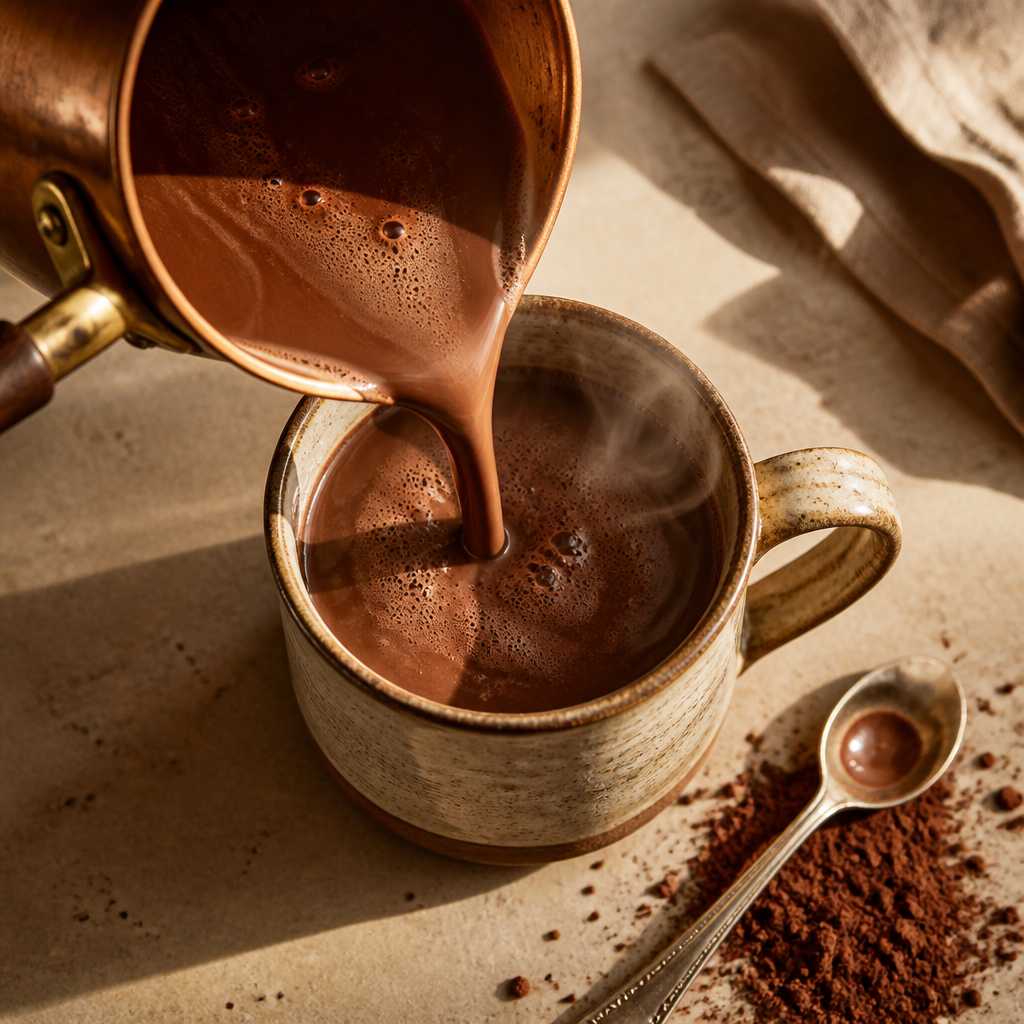
Farrer's currently offers four hot chocolate products, each suited to a different occasion and taste preference. Knowing which one to reach for makes the difference between a good result and a great one.
Farrer's Luxurious Hot Chocolate 300g
This is the everyday option in the range. It is a Fair Trade hot chocolate powder that dissolves effortlessly into hot milk, making it the most forgiving product to work with. It suits anyone who wants a reliable, indulgent result without any fuss. The instructions are simple: dissolve into hot milk and you are done. For home enthusiasts building a daily ritual, this is the starting point.
Dark Melt Hot Chocolate 200g
This is where things get serious. The Dark Melt is made from 71% cocoa single-origin Nacional cocoa beans from Ecuador, pressed into flakes of real chocolate. The brewing guide from Farrer's is direct: stir four heaped dessert spoons (40g) into a mug of hot milk for a decadent drink. Because you are melting actual chocolate flakes rather than dissolving powder, the texture is fundamentally different. It is thicker, richer, and far closer to what a specialist café produces. The cocoa mass and cocoa butter in the flakes create a natural emulsion with warm milk that no powder can replicate.
Ruby Hot Chocolate 200g
Ruby chocolate is the fourth variety of chocolate, introduced to the market in 2017 by Belgian-Swiss confectionery company Barry Callebaut after roughly 13 years of development from a newly discovered cocoa bean variety. The result is a naturally pink-hued chocolate with fresh, fruity, and slightly tart flavour notes, unlike anything in the milk, dark, or white chocolate categories. Farrer's Ruby Hot Chocolate brings that directly into your mug. The preparation is the same as the Dark Melt: stir four heaped dessert spoons (40g) into hot milk, then top with whipped cream and soft mini marshmallows. The visual impact alone makes this the obvious choice when you want a drink that earns its share on social media.
Fairtrade Hot Chocolate Sachets
The sachet format exists for convenience rather than ceremony. Each sachet delivers a consistent single serving, which makes it useful for offices, hospitality settings, or anyone who wants a reliably good result without measuring. For trade customers using Farrer's to stock a café or hotel, the sachet format also reduces waste and simplifies service.
The Method: Step-by-Step Café-Style Hot Chocolate
The method below applies to both the Dark Melt and the Ruby Hot Chocolate, which are the two products that most closely replicate a specialist café experience at home.
What You Need
You need a small saucepan, a whisk or milk frother, a heatproof mug, and a thermometer if you have one. The thermometer is optional but genuinely useful the first few times until you develop a feel for the right temperature.
The Steps
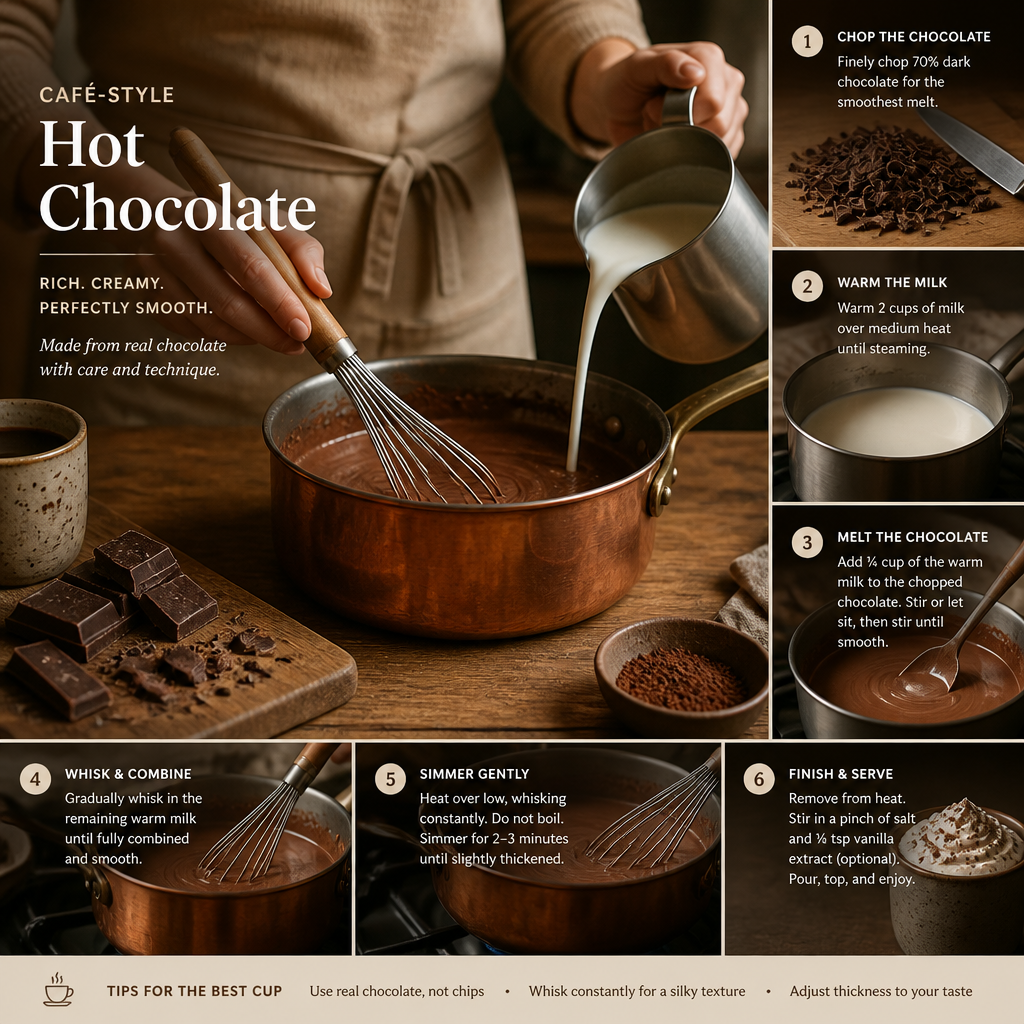
Step one: Measure your milk. Pour 300-350ml of whole milk into a small saucepan. Whole milk produces the best result because its fat content carries the chocolate flavour and contributes to the body of the drink. Plant-based alternatives work, but the results vary. Oat milk is the most reliable substitute.
Step two: Heat the milk gently. Warm the milk over a medium-low heat. The target temperature is around 65-70°C, which is steaming but not boiling. Small bubbles will begin to form at the edges. Do not let it boil. Boiled milk loses its natural sweetness, creates a skin, and can scorch the chocolate when you add it.
Step three: Add the chocolate. Remove the pan from the heat. Add four heaped dessert spoons of Farrer's Dark Melt or Ruby Hot Chocolate flakes directly into the hot milk. The residual heat will begin melting the flakes immediately.
Step four: Whisk continuously. Use a hand whisk and whisk firmly for 60-90 seconds until the flakes are fully dissolved and the mixture is smooth. If you have a milk frother, use it now to introduce air and create a light foam on the surface. This is the step that transforms the drink from "good hot chocolate" into something that looks and feels like a café product.
Step five: Pour and finish. Pour into a warmed mug, add your toppings, and serve immediately.
Pro tip: Warm your mug with boiling water for 30 seconds before pouring. A cold mug drops the temperature of the drink faster than you expect, and a hot chocolate served even slightly too cool tastes thinner than it actually is.
Milk Matters More Than You Think
The single biggest variable in homemade café-style hot chocolate, after the quality of the chocolate itself, is the milk. Most people underestimate it entirely.
Whole milk at around 65-70°C delivers the smoothest, richest result. The fat molecules coat the chocolate particles and create a naturally emulsified drink. Semi-skimmed milk produces a lighter body, and skimmed milk can make the drink feel almost watery by comparison, regardless of how good the chocolate is.
If you are frothing your milk before combining it with the chocolate, heat it separately in a small jug, froth until you have a fine, microfoam texture rather than large bubbles, and pour it gently over the dissolved chocolate in your mug. This keeps the foam intact on the surface rather than collapsing it during stirring.
The quality of your milk temperature and technique accounts for as much of the final result as the chocolate itself. Heat to steaming, not to boiling, and whisk rather than stir.
Pro tip: If you are using an oat milk alternative, choose a barista-edition oat milk. Standard oat milk separates at higher temperatures and produces a grainy texture. Barista versions are formulated to stay stable and foam well under heat.
Toppings and Finishing Touches
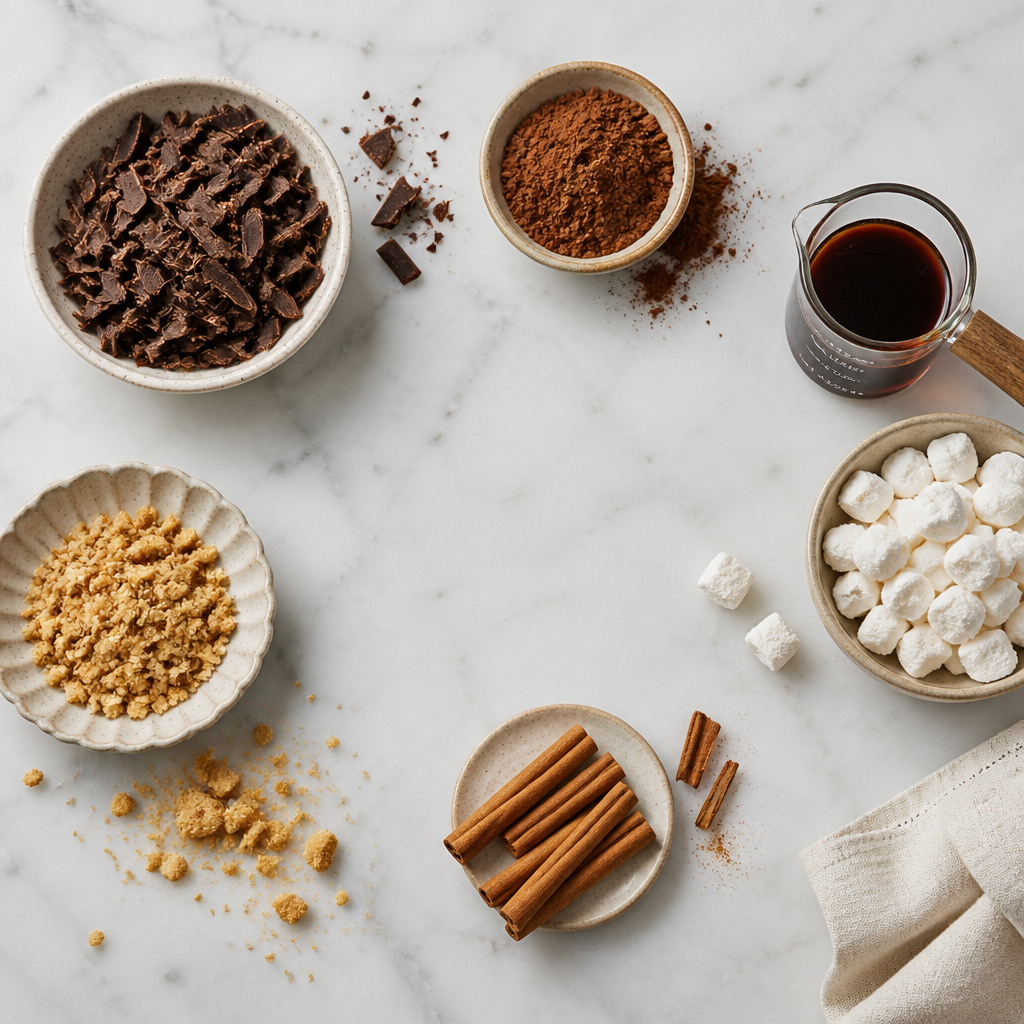
A café-style hot chocolate does not stop at the liquid. The finishing layer is part of what makes the experience worth having at home. Farrer's own guidance on both the Ruby and Dark Melt products calls for whipped cream and soft mini marshmallows, and that combination works for good reason.
Whipped Cream
Use freshly whipped double cream rather than spray cream from a can. Spray cream collapses within a minute and adds a faintly synthetic note. Double cream whipped to soft peaks holds its shape across the entire drink and adds a genuine richness to every sip that cuts through it.
Toppings That Work With Each Farrer's Product
For the Dark Melt, a pinch of sea salt flakes on top of the cream intensifies the dark chocolate flavour without sweetening it. A light dusting of cocoa powder finishes the look cleanly. For the Ruby Hot Chocolate, keep the palette pink: freeze-dried raspberries, pink mini marshmallows, or a few white chocolate shavings complement the naturally fruity notes without competing with them. For the Luxurious Hot Chocolate powder, a generous cloud of whipped cream and a sprinkle of ground cinnamon is all it needs.
Temperature Consistency
One thing cafés do that home brewers rarely think about: they build the drink quickly and serve it immediately. Every minute a hot chocolate sits before being consumed drops both its temperature and its foam quality. Prepare your toppings before you make the drink, not after.
Comparing Farrer's Hot Chocolate Options
Choosing the right product from the Farrer's range depends on how you want to make your hot chocolate and what experience you are after. The table below compares the three main options across the factors that matter most at home.
| Product | Best For | Key Characteristic |
|---|---|---|
| Farrer's Luxurious Hot Chocolate 300g | Everyday indulgence, quick preparation, beginners | Fair Trade powder that dissolves in hot milk or water; consistent and forgiving |
| Dark Melt Hot Chocolate 200g | Serious chocolate lovers, closest to a café-quality finish | 71% cocoa single-origin Ecuadorian Nacional bean flakes; rich, thick body |
| Ruby Hot Chocolate 200g | Visually striking drinks, fruity flavour profile, social media-worthy presentation | Naturally pink fourth variety of chocolate; fresh, fruity, and lightly tart notes |
Common Mistakes to Avoid
Even with a great product like Farrer's, a few easy errors will consistently undermine the result. Here are the ones that come up most often.
Using Water Instead of Milk
The Farrer's Luxurious Hot Chocolate powder can be made with hot water, as stated on the tin. But if you want a café-style result, use milk. The Dark Melt and Ruby flakes in particular need warm milk to melt and emulsify properly. Water produces a thinner, less rich drink that lacks the body that defines a good hot chocolate.
Skipping the Whisk
Stirring and whisking are not the same action. A spoon moves the liquid without aerating it or fully breaking down the chocolate flakes. A whisk creates the smooth, slightly frothy texture that makes a hot chocolate feel substantial. This single change, switching from a spoon to a whisk, is the most impactful improvement most home brewers can make.
Boiling the Milk
Milk that has reached a full boil has already been damaged. It develops a skin, loses sweetness, and when it hits the chocolate, it can cause the fats to separate rather than emulsify. Keep the heat moderate and pull the pan from the hob the moment you see steam rising and small bubbles at the edge.
Not Pre-Warming the Mug
A cold mug is an underrated saboteur. Pour a carefully made hot chocolate into a cold ceramic mug and within 60 seconds the temperature has dropped enough that the texture and flavour both suffer. Take 30 seconds to fill your mug with boiling water, wait, and tip it out before pouring.
Measuring by Eye
The Farrer's Dark Melt and Ruby recipes are calibrated for four heaped dessert spoons (40g) per mug. Under-measure and the drink tastes thin. Over-measure and the balance shifts, though over-measuring is rarely the problem. Use a scale or at least a proper dessert spoon rather than a teaspoon to keep the ratio consistent.
Frequently Asked Questions
What makes Farrer's hot chocolate different from supermarket brands?
The main difference is what the product is made from. Farrer's Dark Melt uses 71% cocoa single-origin chocolate flakes from Ecuadorian Nacional beans, and the Ruby Hot Chocolate uses real ruby chocolate, a naturally fourth-variety cocoa product with genuine pink colouring and fruity flavour. Most supermarket hot chocolates are predominantly sugar and whey powder with a small percentage of cocoa, which produces a sweeter but fundamentally less chocolatey drink.
Can I make a café-style hot chocolate without a frother?
Yes. A hand whisk will do the job if you are willing to put in 60-90 seconds of vigorous whisking. The result will not have the same microfoam as a steam-wand finish, but the drink will be smooth, well-combined, and far better than anything produced by stirring alone. A small battery-powered milk frother, available for a few pounds at most kitchen shops, is a worthwhile investment if you make hot chocolate regularly.
How much Farrer's hot chocolate should I use per mug?
For the Dark Melt and Ruby Hot Chocolate, Farrer's recommends four heaped dessert spoons (40g) per mug. For the Luxurious Hot Chocolate powder, follow the instructions on the tin. Measuring by weight rather than volume produces more consistent results, especially with the flake-based products.
Which Farrer's hot chocolate is best for a dairy-free recipe?
All three main products can be made with plant-based milk. Barista-edition oat milk is the most reliable choice because it is formulated to stay stable under heat and produces a reasonable foam. The Dark Melt and Ruby flakes rely on the fat in warm milk to melt and emulsify properly, so a higher-fat plant milk (such as full-fat coconut milk, used sparingly, or oat milk barista edition) will give a better result than thin almond or rice milk.
Is Farrer's hot chocolate suitable for use in a café or hospitality setting?
Yes. Farrer's serves both home and trade customers, and the Fairtrade Hot Chocolate Sachet format is particularly well suited to hospitality settings because it delivers a consistent single serving without the need for measuring. The Dark Melt flakes can also work well in a café environment where a barista can steam the milk and melt the flakes together for a premium offering.
What is ruby hot chocolate and why is it pink?
Ruby chocolate is described as the fourth variety of chocolate, launched commercially in 2017 by Barry Callebaut. Its pink colour is natural, derived from the specific cocoa bean used and the processing method, not from added colouring or flavouring. It has a fresh, fruity, and slightly sour flavour profile that sets it apart from milk, dark, and white chocolate. Farrer's Ruby Hot Chocolate brings this directly into a hot drink format.
Share your version of the Farrer's hot chocolate method below, whether you tried the Dark Melt, the Ruby, or put your own twist on the toppings. We would love to know what worked for you.


