

If you follow Farrer's on social media and keep seeing the Westmorland Blend coffee mentioned in customer posts, reviews, and brewing guides, there is a reason for that. This is not a seasonal special or a marketing novelty.
It is Farrer's most iconic blend, the one that consistently tops customer reviews, and the correct first stop for anyone serious about dark roast coffee in the UK. Named after the historic county that once covered the south of Cumbria, it carries over 200 years of roasting heritage in every cup. This article unpacks exactly what makes it different, how to brew it properly, and whether it belongs in your morning routine.
Table of Contents
- Quick Takeaways
- What Is the Westmorland Blend?
- The Name Behind the Blend
- Flavour Profile in Detail
- How to Brew Westmorland Blend Coffee
- Westmorland vs. Other Dark Roasts
- Whole Bean vs. Pre-Ground
- Who Should Buy the Westmorland Blend?
- Frequently Asked Questions
- References
Quick Takeaways
| Key Insight | Explanation |
|---|---|
| 100% Arabica dark roast | The Westmorland Blend uses an age-old Farrer family blend of Arabica beans, dark roasted for full strength and body without robusta bitterness. |
| Nutty and dark chocolate notes | The dominant flavours are nutty richness and dark chocolate, with increased acidity that lifts the cup rather than flattening it. |
| Best in filter and cafetiere | Farrer's specifically recommends filter brewers and cafetières as the ideal methods for this blend, where its body can fully develop. |
| Correct entry point for newcomers to artisan coffee | For anyone switching away from supermarket brands, the Westmorland Blend is the recommended first choice from the Farrer's range. |
| Freshness matters more than roast level | Pre-ground coffee stales roughly ten times faster than whole beans. Buying whole bean and grinding fresh delivers a noticeably better cup. |
| Named after a real historic county | Westmorland was the historic county covering the south of Cumbria, giving this blend genuine local identity, not a marketing label. |
| Roasted in Kendal, dispatched fresh | Farrer's roasts in small batches at their Kendal roastery and dispatches the next working day, so the coffee arrives at genuine peak freshness. |
What Is the Westmorland Blend?
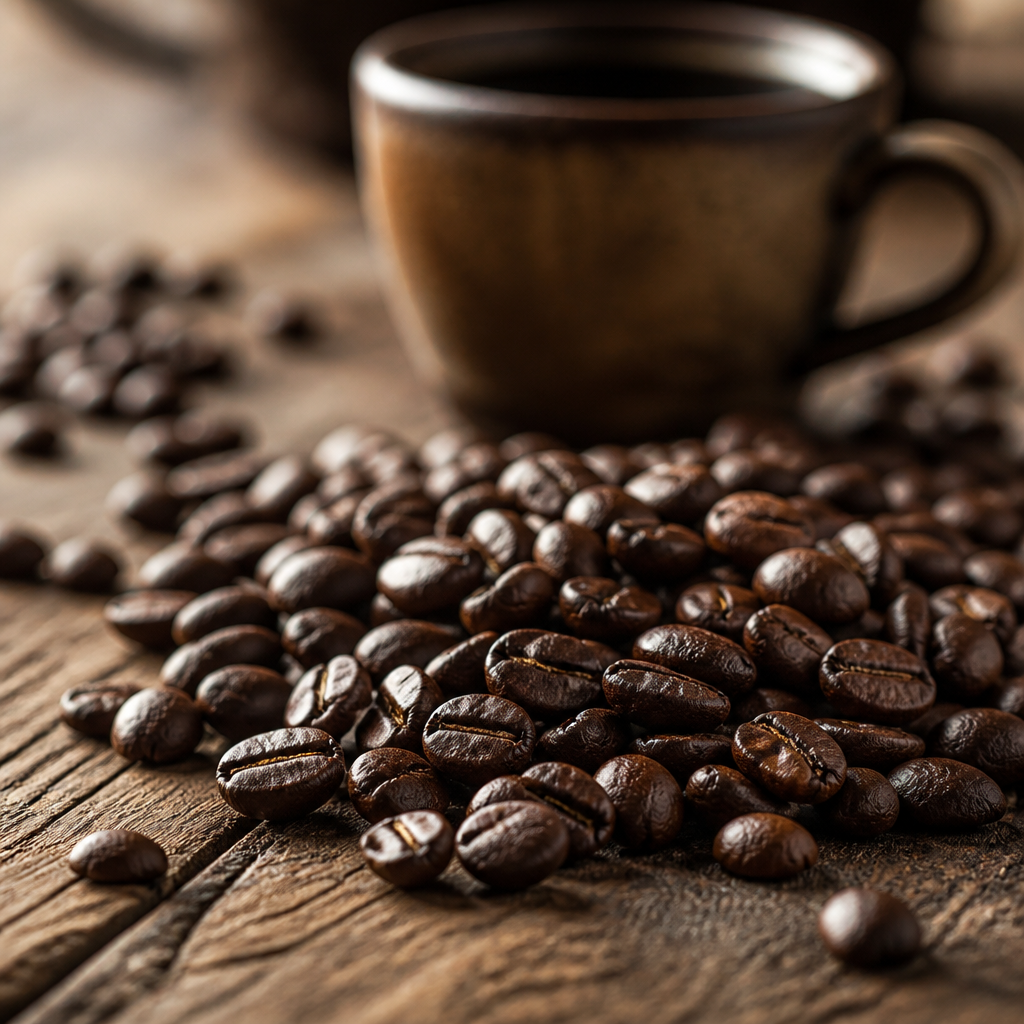
The Westmorland Blend is Farrer's signature dark roast: a full-strength, full-bodied aromatic coffee built on an age-old family blend of Arabica beans. It is not a new product developed for the online store. It is a recipe that has been refined over generations and sits at the centre of what Farrer's has always done. That continuity matters, because heritage roasters do not retire blends that work.
What separates it from a generic "dark roast" is the deliberate character of the flavour profile. The darkness of the roast is not there to produce brute strength. It is there to coax out a specific combination of nuttiness and dark chocolate that would not be present at a lighter roast level. The result is a blend that is unmistakably bold but not rough.
Pro tip: If you have only ever bought coffee from a supermarket shelf, the Westmorland Blend is the single best place to start with Farrer's. It delivers the kind of strength and body that feels familiar from your daily routine, but with a complexity you will not find in a mass-produced bag.
The Name Behind the Blend
Westmorland was a real historic county. It covered the southern part of what is now Cumbria, including much of the Lake District landscape that defines the region. When Cumbria was formed as an administrative county, Westmorland was absorbed into it, but the name stayed in the cultural memory of the area.
Farrer's chose this name deliberately. The company has operated from the Lake District for over 200 years, roasting in Kendal, and the Westmorland name connects the blend to the specific geography and heritage of that region. This is not a romanticised backstory applied to a generic product. The blend is genuinely local in the sense that it was developed by a business embedded in this landscape.
A coffee named after a place only earns that name when the roaster actually comes from there. Farrer's does. Over 200 years in Kendal is not a heritage claim, it is a track record.
That local identity also informs how Farrer's describes the coffee: as something that suits the Lake District lifestyle, whether that means refuelling after a walk in the hills or starting a long working day in a region where the pace and connection to the land still shapes daily life.
Flavour Profile in Detail
Understanding the Westmorland Blend properly means separating its individual characteristics rather than reading "dark roast" and assuming it is simply a strong coffee with no nuance.
Nutty Flavours
The nuttiness in this blend is one of its defining features. It presents as a warm, rounded quality, closer to roasted hazelnut or almond than to the sharper, more vegetal notes you get from poorly roasted dark coffees. This comes from the Arabica base and the roasting approach rather than any added flavouring.
Dark Chocolate Notes
The dark chocolate character appears in both the aroma and the finish. It is bittersweet rather than sweet, which suits drinkers who prefer their coffee without sugar. When brewed correctly in a cafetiere or filter, this note carries through from the first sip to a long, clean aftertaste.
Increased Acidity
This is the part of the Westmorland Blend that surprises people. Increased acidity in a dark roast sounds counterintuitive, since most people associate dark roasts with heaviness and low brightness. In practice, this acidity lifts the cup and prevents the flavour from becoming flat or muddy. It is what makes the Westmorland Blend feel refreshing rather than merely heavy.
How to Brew Westmorland Blend Coffee
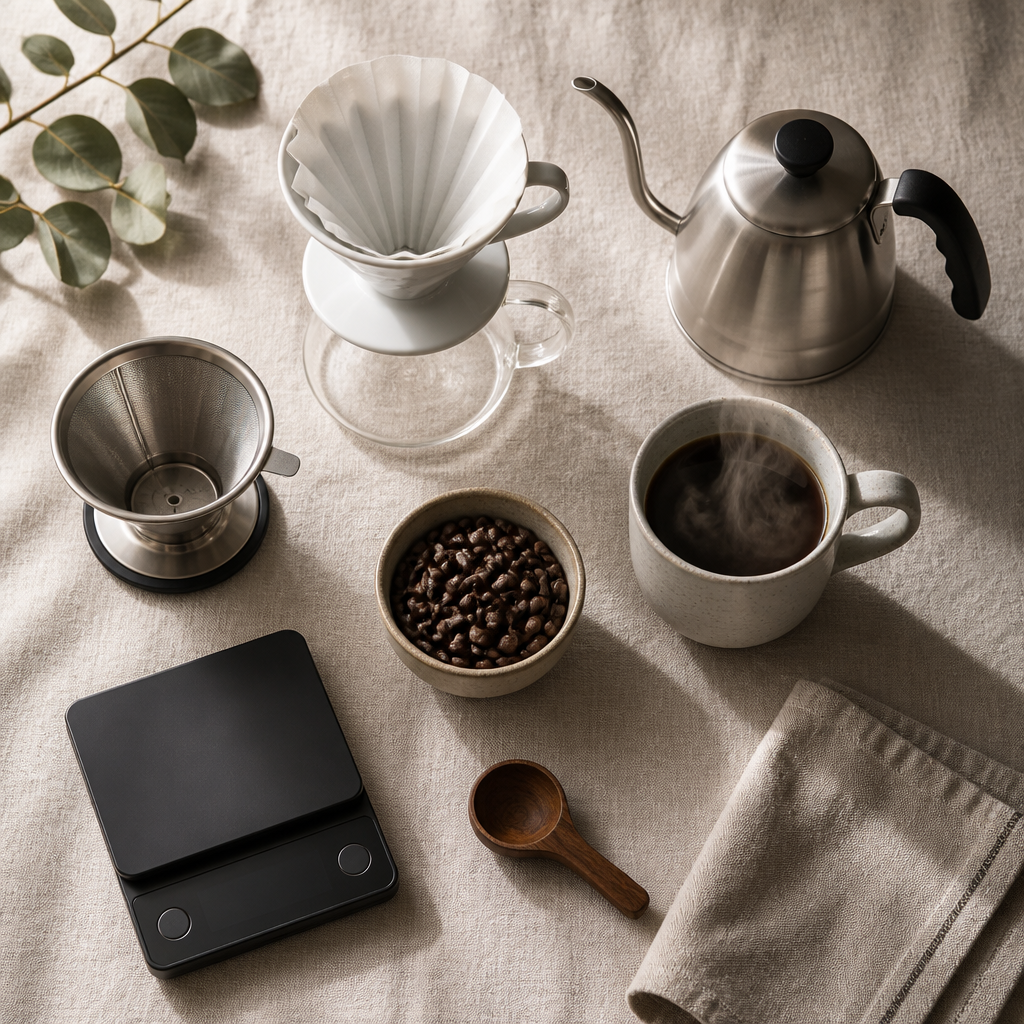
Farrer's recommends the Westmorland Blend specifically for filter brewers and cafetières. These two methods suit this blend for the same reason: they allow the full body to develop without the concentrated pressure of espresso, which can push the darker notes into harshness if the extraction is not precise.
Cafetiere
In a cafetiere, the Westmorland Blend produces a deep, warming richness. Brewing at 93 to 96 degrees Celsius is appropriate. Do not over-extract: four minutes is the standard steep time before pressing. The result is a cup with full body, clear chocolate and nut character, and the kind of lasting warmth that suits a slow morning.
Filter
Filter brewing highlights the acidity and cleaner flavours in the blend. A pour-over or drip filter will deliver a brighter, more transparent version of the same core character. If you want to taste the individual flavour notes more distinctly rather than in a blended, immersive cup, filter is the correct choice.
Espresso
While the primary recommendation is filter and cafetiere, the Westmorland Blend can be used in an espresso machine. Brewing at 92 to 94 degrees Celsius is appropriate for espresso. At this roast level, pulling a well-timed shot produces a shot with genuine body and depth. The key is precision: this blend rewards proper technique rather than being forgiving of errors.
Pro tip: If your Westmorland Blend cup tastes flat or overly bitter, check your water temperature before adjusting grind or dose. Brewing too cool is the most common cause of dull dark roast extractions, and it is the easiest fix.

Westmorland vs. Other Dark Roasts
Farrer's curated range means every blend serves a specific purpose. Comparing the Westmorland Blend against the other dark roast options on the site makes it easier to choose the right coffee for your setup and preferences.
| Coffee | Roast Character | Best For |
|---|---|---|
| Westmorland Blend | Dark roast, full body, nutty and dark chocolate notes with increased acidity. Arabica base, age-old family recipe. | Filter, cafetiere, everyday dark roast drinkers, those new to artisan coffee. |
| Colombian High Roast | High roast that shifts Colombian brightness into caramelised dark chocolate and brown sugar. Heavier body than the Westmorland Blend. | Espresso with a 25-second pull, drinkers who want a syrupy, complex shot with serious body. |
| Classic Espresso Blend | Luxuriously dark, medium-to-high roast with rich dark and milk chocolate flavours and soft acidity. | Cappuccinos, lattes, flat whites. Designed specifically for espresso machines and milk-based drinks. |
The Westmorland Blend occupies a distinct position here. It is the most versatile of the three across brewing methods and the most accessible as a starting point. The Colombian High Roast and the Classic Espresso Blend both reward more specific setups and a greater degree of brewing precision.
Whole Bean vs. Pre-Ground
This is one of the most practical decisions you make when ordering the Westmorland Blend, and it has a direct impact on the quality of the cup you get.
Pre-ground coffee stales roughly ten times faster than whole beans, because grinding massively increases the surface area exposed to oxygen. Even a valve-sealed bag of pre-ground Westmorland Blend will be significantly stale within a week of opening. If you are ordering Farrer's for the first time and investing in properly roasted, freshly dispatched coffee, throwing that advantage away by buying pre-ground undercuts the entire point.
Buying whole beans and grinding fresh at home is not coffee snobbery. It is the single most practical step toward better-tasting coffee. Farrer's whole bean coffee stays at peak quality for longer, and the difference in the cup is noticeable from the first brew. If you do not own a grinder yet, Farrer's stocks home brewing equipment including hand grinders that are a sensible starting point.
Pre-ground is a reasonable option if you do not have a grinder and are not ready to buy one. In that case, order in smaller quantities and use the bag within a week of opening rather than letting it sit on a shelf for a month.
Who Should Buy the Westmorland Blend?
The Westmorland Blend is Farrer's most broadly recommended coffee, but that does not mean it is for everyone. Here is a direct answer to who it suits and who should look elsewhere.
Buy it if you drink filter or cafetiere coffee daily and want a dark roast with genuine flavour complexity, not just strength. Buy it if you are moving away from supermarket coffee for the first time and want a reliable, iconic blend that reflects what artisan roasting actually produces. Buy it if you want coffee that suits any time of day without being too delicate for a morning cup or too heavy for the afternoon.
Consider something else if you primarily pull espresso shots and want a blend optimised specifically for an espresso machine: the Classic Espresso Blend is the better fit. If you want maximum body and complexity in a single-origin-style experience, the Colombian High Roast pushes further.
For trade customers in cafes and hospitality, the Westmorland Blend works well as a house filter coffee or cafetiere option. Its accessibility means it suits a wide range of customers without requiring explanation, and its quality holds up to the scrutiny of regular coffee drinkers.
Frequently Asked Questions
Is the Westmorland Blend suitable for espresso machines?
Yes, though it is primarily recommended for filter brewers and cafetières. If you use an espresso machine, brew at 92 to 94 degrees Celsius and focus on extraction precision. The blend produces a bold, full-bodied shot but is less specifically optimised for espresso than Farrer's Classic Espresso Blend.
What does the Westmorland Blend taste like?
The Westmorland Blend delivers nutty flavours and dark chocolate notes with increased acidity. The overall character is full-strength and full-bodied. It is unmistakably bold without being rough, and the acidity prevents the cup from tasting flat or one-dimensional.
Is the Westmorland Blend made from Arabica beans?
Yes. It is an age-old Farrer family blend of Arabica coffees. There is no robusta in the recipe. The strength and body come from the dark roasting of the Arabica beans rather than from using a cheaper, more bitter bean variety.
How is the Westmorland Blend different from other dark roasts in the Farrer's range?
The Westmorland Blend is the most versatile and broadly accessible dark roast in the range, suited to both filter and cafetiere brewing across different experience levels. The Colombian High Roast pushes further in terms of body and complexity and suits espresso specifically. The Classic Espresso Blend is purpose-built for milk-based espresso drinks. The Westmorland Blend is the one that works as a reliable daily coffee across multiple brewing methods.
Where is the Westmorland Blend roasted?
It is roasted in small batches at Farrer's roastery in Kendal, in the Lake District. Farrer's has operated from this location for over 200 years, making it the UK's oldest coffee roaster. The coffee is dispatched the next working day after roasting on orders over £35, so it arrives at genuine peak freshness.
Why is the blend named Westmorland?
Westmorland was a real historic county covering the south of what is now Cumbria, the region where Farrer's has always operated. The name connects the blend directly to the geography and heritage of the Lake District, rather than being a generic brand label applied to an unrelated product.
Should I buy whole bean or pre-ground Westmorland Blend?
Whole bean is the better choice if you have a grinder or are willing to buy one. Pre-ground coffee stales roughly ten times faster than whole beans because grinding increases the surface area exposed to oxygen. Buying whole bean and grinding fresh is the most practical step toward getting the best out of this coffee. If you do buy pre-ground, use the bag within a week of opening.
Have you tried the Westmorland Blend? Share how you brew it and what you think of the flavour in the comments below.


