

Most people switch to loose leaf tea UK after one good cup convinces them that what they had been drinking from bags was a pale imitation. The difference is not subtle. Whole leaves open up in the water, releasing oils, aroma, and depth that crushed dust simply cannot deliver. If you have been curious about making the switch but found the options overwhelming, this guide cuts straight to what matters: what to buy, how to brew it properly, and why Farrer's range, blended in the English Lake District by the UK's oldest coffee and tea roaster, is one of the most sensible starting points you will find.
Table of Contents
- Quick Takeaways
- Why Loose Leaf Tea Is Worth the Switch
- Understanding the Main Types of Loose Leaf Tea
- How to Brew Loose Leaf Tea Correctly
- The Right Equipment for Beginners
- Farrer's Tea Range: Where to Start
- Loose Leaf Tea Comparison: Method, Flavour, and Difficulty
- Common Mistakes Beginners Make
- Frequently Asked Questions
- References
Quick Takeaways
| Key Insight | Explanation |
|---|---|
| Whole leaves outperform dust | Loose leaf tea uses whole or partially broken leaves that retain essential oils and flavour compounds. Standard teabags use fannings and dust that lose much of both during processing. |
| Water temperature is not optional | Green and white teas need cooler water (around 70-80°C). Boiling water scorches delicate leaves and produces bitterness, not strength. |
| One teaspoon per cup is your baseline | Use roughly one teaspoon of loose leaf per 240ml of water and adjust from there. Over-measuring does not make tea stronger, it makes it harsh. |
| You can re-steep quality leaves | A good loose leaf tea can be steeped two or three times. Add 30 seconds to a minute to each subsequent steep. This makes loose leaf far more economical than it first appears. |
| Farrer's blends from the Lake District | Farrer's has over 200 years of blending heritage. Their loose leaf range covers black teas, green teas, oolong, white tea, herbal, and fruit tisanes, giving beginners a clear, curated path in. |
| A basic mesh infuser is enough to start | You do not need expensive kit. A mesh ball infuser or a simple teapot with a built-in strainer is all you need for your first brews. |
| Steep time matters more than leaf quantity | Over-steeping pulls out tannins, which makes tea bitter and astringent. Pulling the leaves at the right moment is the single biggest quality improvement most beginners can make. |
Why Loose Leaf Tea Is Worth the Switch
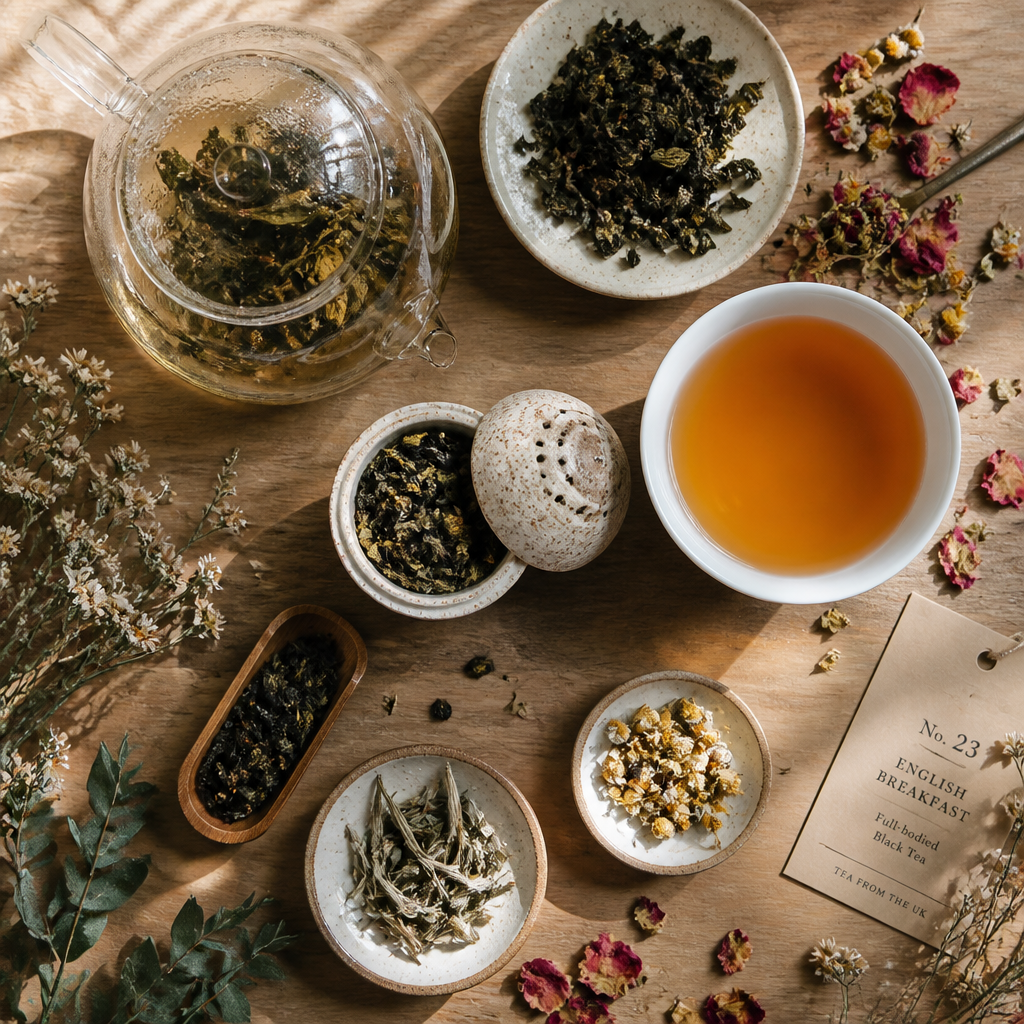
The case for loose leaf comes down to what is actually inside the packaging. Loose leaf tea is made from whole or partially broken leaves that retain their essential oils and antioxidants. Standard teabags, in contrast, typically contain fannings and dust, the smallest particles left after processing, which lose much of their flavour and aromatic complexity before the bag even reaches your shelf.
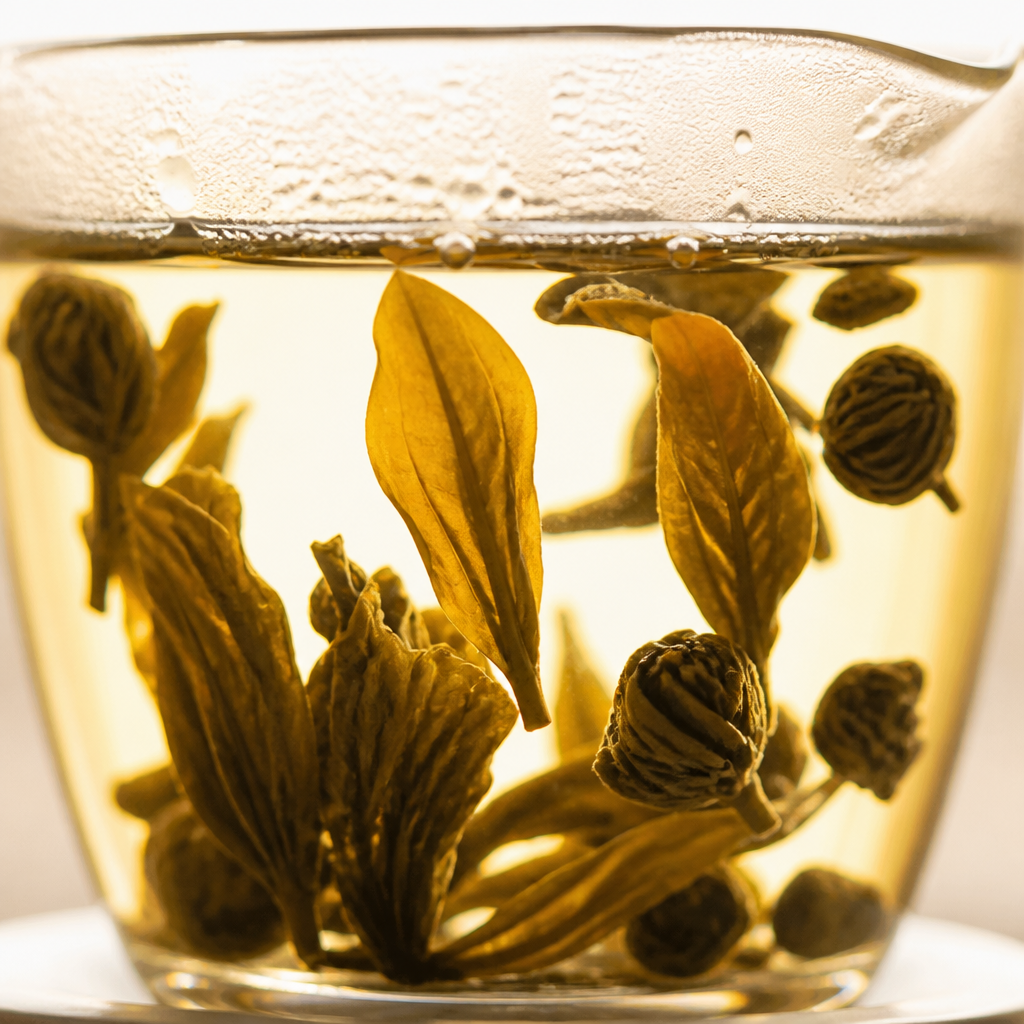
When whole leaves steep in hot water, they physically unfurl and expand, releasing flavour gradually and with far more nuance than compressed dust ever could. The cup you get is richer, more layered, and often noticeably more aromatic. This is not marketing. It is a straightforward difference in leaf surface area and oil retention.
For flavour, freshness, and sustainability, loose leaf is the stronger choice. Whole leaves retain their essential oils and antioxidants where fannings and dust lose much of both during processing.
The cost argument also holds up better than most people expect. A 100g pouch of quality loose leaf makes roughly 33 to 50 cups, and because whole leaves can be re-steeped two or three times, the effective cost per cup is often lower than premium teabags. There is also a sustainability benefit: most standard teabags are heat-sealed with plastic that prevents full composting. Loose leaf leaves nothing behind except spent leaves, which are fully compostable.
For the kind of tea drinker who already buys decent coffee or cares about the provenance of what they consume, loose leaf is simply the logical next step.
Understanding the Main Types of Loose Leaf Tea
The variety available in the UK's premium tea market can feel daunting. It helps to understand that almost all true tea comes from one plant, Camellia sinensis, and the differences between types come down to how and when the leaves are processed. Herbal and fruit infusions are separate, made from plants other than Camellia sinensis, but they belong in any beginner's exploration.
Black Tea
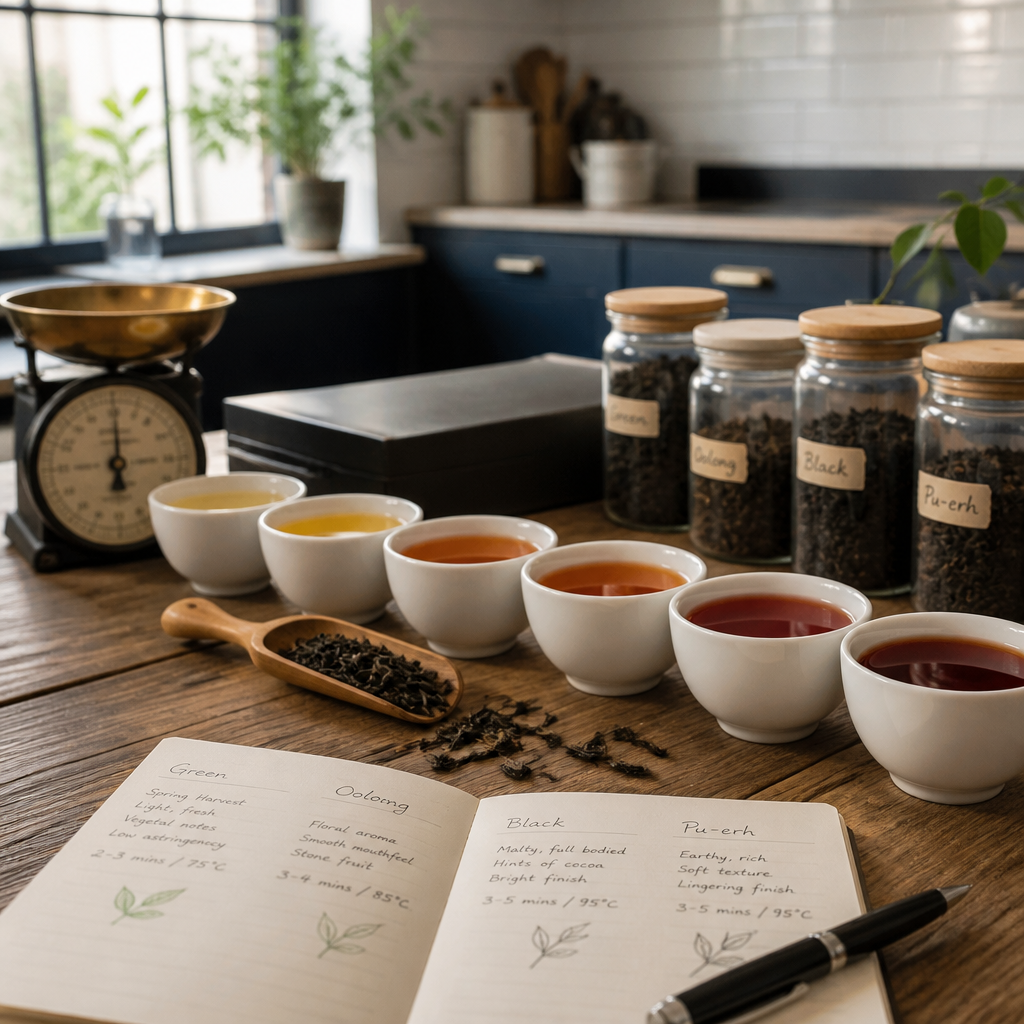
Fully oxidised, bold, and the most familiar category for most UK drinkers. Assam and Darjeeling are the classic entry points. Farrer's black tea range includes both estate-style teas and their signature blends, including the well-regarded Lakeland Special. Black tea tolerates a rolling boil and benefits from a full 3 to 5 minute steep.
Green Tea
Unoxidised and significantly more delicate. Green tea has grassy, fresh, or vegetal notes depending on origin and processing. The most common beginner mistake with green tea is using boiling water, which scorches the leaves and produces bitterness. Use water at around 70-80°C and steep for 1 to 3 minutes. Farrer's stocks a selection of green teas suited to those making this transition.
White Tea
The least processed of the main categories. White tea is made from young leaves and buds, producing a pale, delicate, and subtly sweet cup. It requires the coolest water, around 70-75°C, and a short steep. It is a rewarding type to explore once you are comfortable with the basics.
Oolong Tea
Partially oxidised, sitting between green and black in terms of flavour profile and processing. Oolong can range from light and floral to dark and roasted depending on the oxidation level. Steep for 3 to 7 minutes depending on the leaf style. Farrer's carries oolong options for those ready to move beyond the familiar.
Herbal Infusions and Fruit Tisanes
Technically not tea in the botanical sense, but an important and approachable part of any loose leaf range. These contain no caffeine, tolerate full boiling water, and can be steeped for 5 to 7 minutes without turning bitter. Farrer's fruit tisane and herbal selections are excellent starting points for anyone reducing their caffeine intake or exploring evening drinks.
How to Brew Loose Leaf Tea Correctly
Getting the brew right is less complicated than it sounds, but there are a few variables that genuinely matter. Water temperature and steep time are the two that most beginners get wrong, and fixing them costs nothing.
Step One: Measure Your Leaves
Start with approximately one teaspoon of loose leaf tea per 240ml of water. This is your baseline. If you prefer a stronger cup, increase the leaf amount slightly, but do not compensate by steeping longer. Longer steeping extracts more tannins, which creates bitterness rather than strength.
Step Two: Use the Right Water Temperature
This is where most beginners lose the cup. Black teas and herbal tisanes take near-boiling water, around 95-100°C. Green and white teas need cooler water, around 70-80°C for green and 70-75°C for white. If you do not have a variable-temperature kettle, boil your water and let it sit for two to three minutes before pouring over green or white leaves.
Step Three: Steep for the Right Duration
Set a timer. Do not guess. White and green teas need 1 to 3 minutes. Black tea benefits from 3 to 5 minutes. Oolong runs from 3 to 7 minutes depending on leaf style. Herbal tisanes can go 5 to 7 minutes without issue since they contain no tannins. Pull the leaves the moment the timer ends.
Step Four: Re-Steep When Possible
Quality loose leaf tea has more to give than a single brew. Add roughly 30 seconds to a minute with each subsequent steep. Keep used leaves moist between cups and brew again within the same day for best results. This is one of the habits that makes loose leaf genuinely economical over time.
Pro tip: If you find your black tea is consistently bitter, the first thing to check is steep time, not leaf quantity. Try reducing the steep by 30 seconds before adjusting anything else.
The Right Equipment for Beginners
You do not need to invest heavily to get started. The essentials are simple, and Farrer's stocks tea equipment, including infuser teapots, tea strainers, and accessories, to cover every level of commitment.
Mesh Infuser or Tea Strainer
A basic mesh ball infuser that sits inside your mug is the lowest-barrier entry point. It costs very little, takes up no space, and is perfectly adequate for single-cup brewing. A handled strainer that you place over the cup when pouring is another option, particularly useful for teapots without built-in strainers.
Infuser Teapot
If you regularly brew for two or more people, a teapot with a built-in infuser basket is the right tool. The basket holds the leaves during steeping and lifts out cleanly when the time is up, preventing over-extraction. Farrer's stocks infuser teapots in various sizes suited to home and hospitality use alike.
Variable-Temperature Kettle
For serious green or white tea brewing, a kettle that lets you set the exact temperature is genuinely useful. It removes the guesswork entirely. It is not essential on day one, but it becomes worth owning once you know you enjoy delicate teas.
Pro tip: Warm your teapot or mug with a splash of hot water before brewing. This small step prevents the vessel from drawing heat away from the steep and keeps your water at the right temperature for longer.
Farrer's Tea Range: Where to Start
Farrer's approach to tea follows the same philosophy as their coffee: freshly blended, hand-packed, and sourced with genuine care. Their loose leaf range is broad enough to satisfy experienced tea drinkers but structured in a way that makes navigation easy for beginners.
If You Are a Confirmed Black Tea Drinker
Start with Farrer's Lakeland Special, their signature blend. It is the most direct entry into their range and gives you a clear reference point for their house style. From there, explore their broader black tea selection, which includes classic estate teas alongside their own blends.
If You Want to Explore Beyond Black Tea
Farrer's stocks green teas, white teas, oolong, rooibos, herbal infusions, fruit tisanes, flavoured black teas, and chai blends. The range also includes decaffeinated options for those managing caffeine intake. This breadth means you can explore incrementally without switching suppliers as your palate develops.
If You Are Buying for a Cafe or Hospitality Business
Farrer's serves trade customers as well as home buyers, and their loose leaf range is suited to professional settings. A tea menu built around a well-curated loose leaf selection from a heritage roaster with over 200 years of blending history is a straightforward quality signal to guests. Farrer's offers next-day dispatch on orders over £35, which makes restocking practical rather than a logistical headache.
The range is available directly through the Farrer's website, where loose leaf teas are organised clearly by type, making it easy to browse by category whether you know exactly what you want or are still exploring.
Loose Leaf Tea Comparison: Method, Flavour, and Difficulty
For beginners deciding where to start, or intermediate drinkers mapping out what to try next, this table gives a practical reference across the main loose leaf categories available in Farrer's range.
| Tea Type | Water Temperature and Steep Time | Flavour Profile and Beginner Suitability |
|---|---|---|
| Black Tea (e.g. Farrer's Lakeland Special, Assam, Darjeeling) | Near-boiling (95-100°C), 3-5 minutes | Bold, malty, familiar. Easiest starting point for UK drinkers already used to teabags. Very forgiving on technique. |
| Green Tea (e.g. Gunpowder, Sencha styles) | 70-80°C, 1-3 minutes | Fresh, grassy, sometimes vegetal. Rewarding but requires cooler water. Most common beginner mistake is boiling water. |
| White Tea | 70-75°C, 1-3 minutes | Delicate, subtly sweet, very light in colour. Best explored once you are comfortable controlling water temperature. |
| Oolong Tea | 80-95°C, 3-7 minutes | Ranges from floral and light to dark and roasted. Good middle ground between black and green for adventurous beginners. |
| Herbal and Fruit Tisanes (e.g. Farrer's herbal and fruit tisane range) | Boiling (100°C), 5-7 minutes | Caffeine-free, highly varied in flavour, tolerant of longer steeping. Excellent for evenings or caffeine-free drinkers. |
Common Mistakes Beginners Make
In practice, most beginner problems with loose leaf tea come from habits carried over from teabag brewing. Teabags are engineered to be fast and forgiving. Loose leaf rewards a slightly more attentive approach.
Using Boiling Water for Everything
The single most damaging habit. Boiling water is fine for black tea and herbal tisanes, but it scorches green and white tea leaves, pulling out harsh tannins and destroying the delicate aromatics. A two-minute rest after boiling is enough to bring water to a safe temperature for green tea if you do not have a variable kettle.
Over-Steeping to Get a Stronger Cup
This is the wrong approach. Longer steeping extracts more tannins, which means more bitterness, not more flavour. If you want a stronger cup, use slightly more leaf, not more time. The leaf-to-water ratio is your strength dial. Steep time is your bitterness dial.
Not Re-Steeping the Leaves
A common mistake is treating a pinch of loose leaf as single-use. Quality whole leaves have multiple steeps in them. Discarding leaves after one brew wastes both flavour and money. Keep the wet leaves in the infuser or pot and re-steep within the same day, adding a little extra time to each subsequent brew.
Buying on Price Alone
Very cheap loose leaf tea is often not meaningfully better than a teabag. The quality difference that makes loose leaf worth bothering with comes from how the leaves are sourced, blended, and packed. Farrer's hand-packing and freshness-focused approach is exactly the kind of provenance that separates genuinely premium tea from budget leaf sold by the kilo with no declared origin.
Skipping the Equipment Warm-Up
Pouring hot water into a cold teapot or mug drops the temperature immediately. Pre-warming your vessel with a splash of boiling water takes ten seconds and makes a real difference to the quality of the steep, particularly for green and white teas where every degree of temperature matters.
Frequently Asked Questions
What is the best loose leaf tea for someone just starting out in the UK?
Start with a quality black tea blend, since it is the most familiar for UK drinkers and the most forgiving in terms of brewing technique. Farrer's Lakeland Special is a strong opening choice because it gives you a clear reference point for a well-blended, freshly packed loose leaf tea. Once you are comfortable with brewing, explore green teas, herbal tisanes, or fruit infusions from the same range.
How much loose leaf tea should I use per cup?
Use approximately one teaspoon of loose leaf tea per 240ml of water as your starting point. This works across most black and green teas. Lighter teas like white or herbal blends may benefit from a little extra leaf. Adjust based on taste, but resist the urge to add more leaf to get a stronger cup without first checking your steep time.
Can I brew loose leaf tea without a teapot?
Yes. A mesh ball infuser placed directly in your mug is all you need. It holds the leaves, sits in the water while steeping, and lifts out cleanly when your timer goes off. It costs very little and takes up minimal space. A purpose-built infuser teapot is worth considering once you are brewing regularly for two or more people, but it is not a requirement on day one.
Is loose leaf tea more expensive than tea bags?
At face value, a packet of loose leaf costs more than a box of teabags. But a 100g pouch of quality loose leaf makes roughly 33 to 50 cups, and because whole leaves can be re-steeped two or three times, the effective cost per cup is often comparable to or lower than premium teabags. Cheap teabags are undeniably cheaper, but the quality comparison is not a fair one.
How do I stop my loose leaf tea from tasting bitter?
Bitterness in loose leaf tea almost always comes from one of two causes: water that is too hot, or steeping for too long. For green and white teas, make sure your water is well below boiling, around 70-80°C. For any tea type, pull the leaves out the moment your timer ends. If bitterness persists, reduce your steep time by 30 seconds before adjusting anything else.
Does Farrer's offer loose leaf tea for trade or hospitality customers?
Yes. Farrer's supplies both home enthusiasts and trade customers including cafes, restaurants, and hospitality businesses. Their loose leaf range is suited to professional settings, and their dispatch service, with next-day delivery on qualifying orders, makes regular restocking practical. A tea menu built around a well-curated loose leaf selection from a heritage roaster is a straightforward quality signal to guests.
What makes Farrer's loose leaf tea different from other UK suppliers?
Farrer's is the UK's oldest coffee roaster with over 200 years of heritage, operating from the English Lake District. Their teas are freshly blended and hand-packed, with a range that spans black teas, green teas, oolong, white tea, herbal infusions, fruit tisanes, chai, and decaffeinated options. That breadth, combined with genuine provenance and a 4.9 out of 5 rating from verified customers, puts them in a different category from generic loose leaf suppliers or mass-market brands.
We would love to know which type of loose leaf tea you tried first and what surprised you most about the experience. Share your thoughts in the comments below.
We would love your feedback and any insights you would share with others. What perspective would you add?
References
- A beginner's guide to getting started with loose leaf tea: brewing steps, tools, and tips
- Loose leaf tea versus tea bags: an honest comparison of flavour, cost, and sustainability
- Recommended steep times and water temperatures for every major tea type
- How loose leaf tea and tea bags differ in quality, flavour complexity, and leaf grade


