

Decaf has a reputation problem it does not deserve. For years, the best decaf coffee UK drinkers could find was flat, papery, and vaguely reminiscent of what coffee used to taste like. That era is over.
Modern decaffeination, particularly the mountain water process, has transformed caffeine-free coffee into something genuinely worth drinking, and at Farrer's we have been roasting it with the same care we give every single one of our blends. Whether you are cutting back on caffeine for health reasons, drinking your third cup of the day, or simply want something excellent after dinner, there is no reason to compromise on flavour.
Table of Contents
- Quick Takeaways
- Why Decaf Has Changed for the Better
- The Mountain Water Process Explained
- Decaf Processes Compared: What You Are Actually Drinking
- Farrer's Decaf Range: What to Choose and Why
- Who Actually Drinks Decaf and Why It Matters
- How to Brew Decaf Well
- Frequently Asked Questions
- References
Quick Takeaways
| Key Insight | Explanation |
|---|---|
| Mountain water decaf is chemical-free | The mountain water process uses only water, temperature, and filtration. No solvents like methylene chloride or ethyl acetate are involved at any stage. |
| Flavour is preserved, not stripped | Beans are re-infused in their own flavour-saturated water after caffeine is removed, so the essential oils and sugars remain largely intact. |
| 99.9% caffeine-free is the real figure | Mountain water process decaf is not zero-caffeine, but 99.9% caffeine-free. A cup contains a tiny fraction of the caffeine in a standard brew. |
| Decaf espresso deserves proper extraction | Decaf espresso blends respond well to the same dialling-in process as regular espresso. Do not assume it needs less attention or a coarser grind. |
| Freshness matters as much as with caffeinated coffee | Decaf beans still go stale. Buy in quantities you will use within four to six weeks and store sealed, away from light and heat. |
| Fairtrade certification adds ethical value | Farrer's Fairtrade decaf options mean the farmers behind your cup receive fair prices, independently verified. |
| After-dinner coffee is the obvious use case, but not the only one | Decaf is equally suited to mid-afternoon filter coffee, a late-morning flat white, or any moment when great flavour matters more than a caffeine hit. |
Why Decaf Has Changed for the Better
The older decaffeination methods used chemical solvents to strip caffeine from green coffee beans. The process worked in the sense that the caffeine came out, but so did much of the flavour. What remained tasted muted, slightly medicinal, and nothing like the origin character of the bean. That is not a roasting problem. It is a processing problem, and it happened long before the coffee even arrived at a roastery.
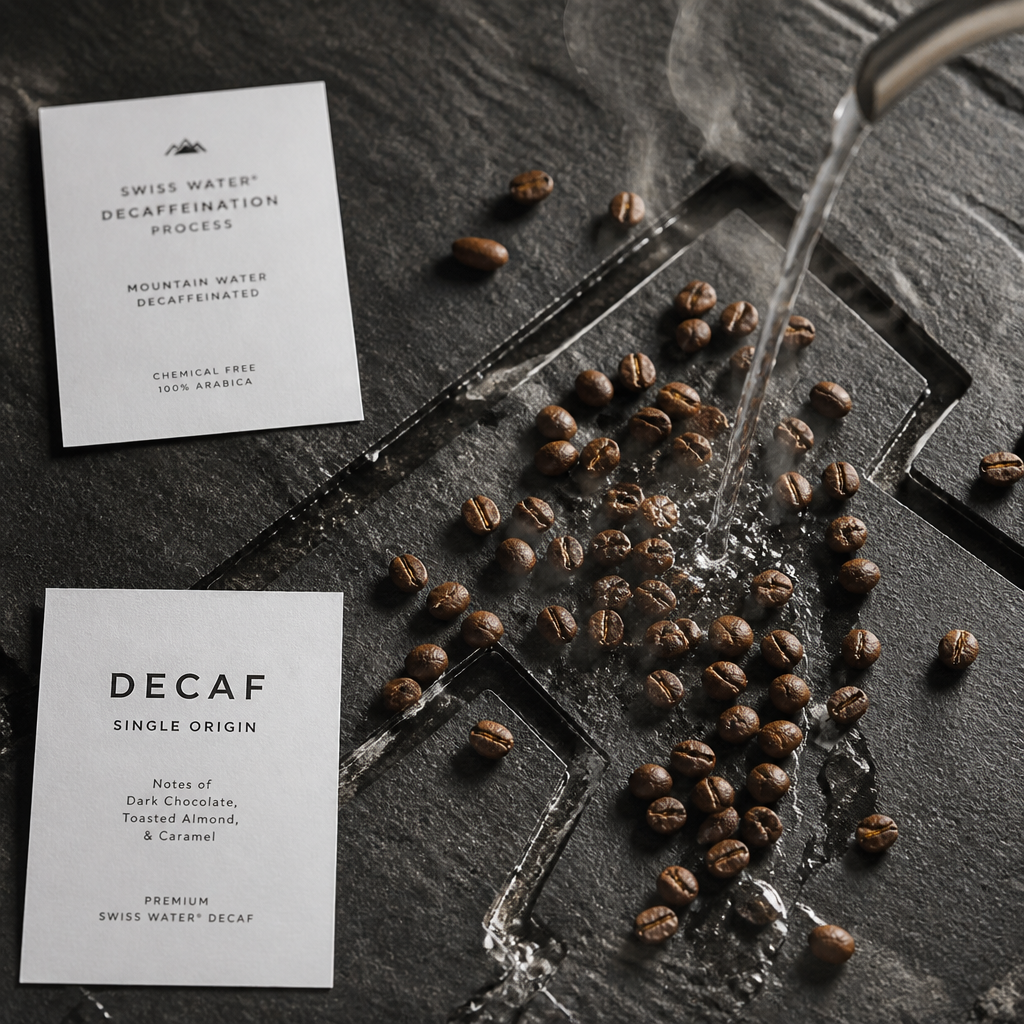
The shift happened when water-based processes became commercially viable. The mountain water process, carried out exclusively at the Descamex facility in Veracruz, Mexico, uses glacier water from Pico de Orizaba (Mexico's tallest mountain) to remove caffeine without touching the bean's natural oils, sugars, or aromatic compounds. The result is coffee that roasters can actually work with, and that drinkers can enjoy without making allowances for the decaffeination method.
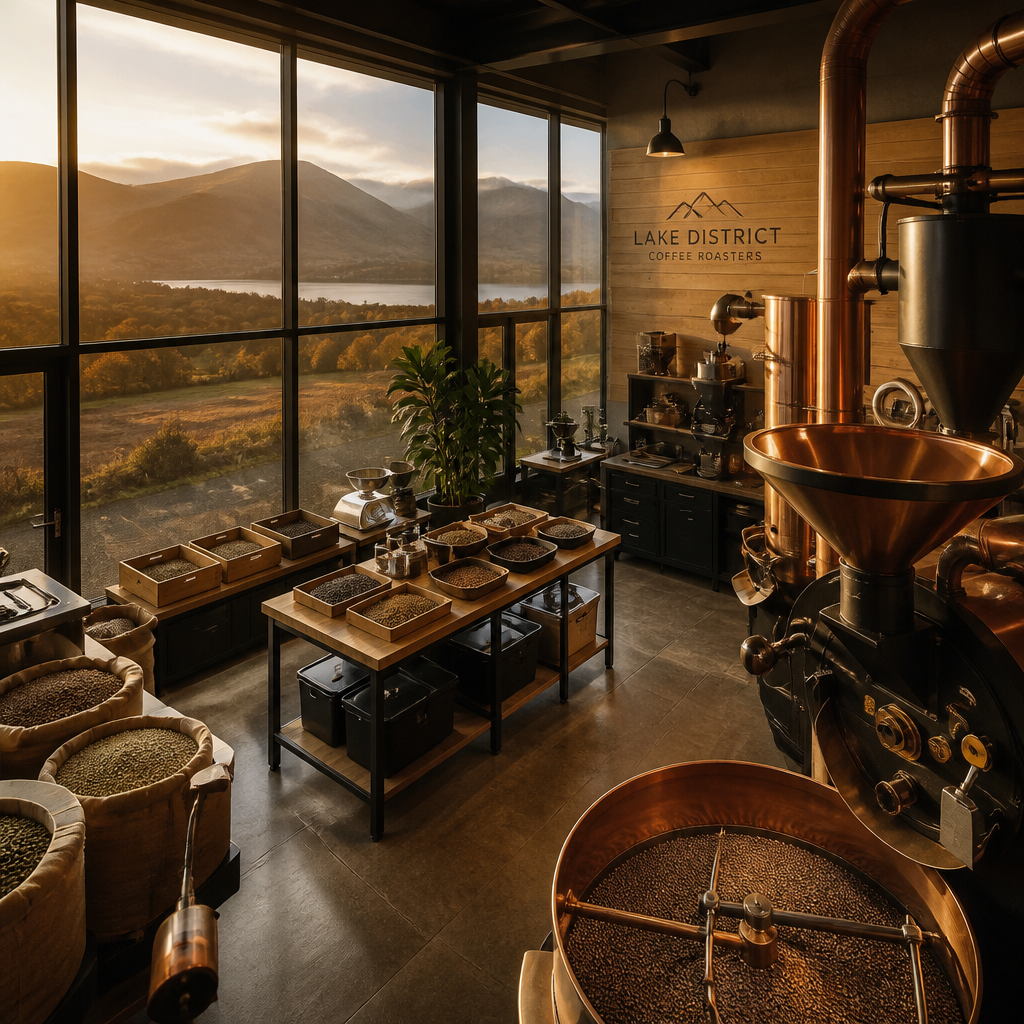
At Farrer's, we do not treat decaf as an afterthought or a courtesy product for customers who cannot handle caffeine. We roast it freshly, hand-pack it with the same attention we give our full-range blends, and dispatch it quickly so you receive it at peak condition. The Lake District roastery does not change its standards depending on what is in the bag.
The Mountain Water Process Explained
Understanding how mountain water decaf works is useful because it explains why the flavour is so much better than legacy decaf. The process is entirely natural, no chemicals are introduced at any stage, and it was specifically designed to preserve what makes a coffee worth drinking in the first place.
Step by step: from green bean to caffeine-free
First, green coffee beans are soaked in hot water. This draws out both the caffeine and some of the soluble flavour compounds. The water is then filtered through a carbon system that removes only the caffeine molecules, leaving the flavour compounds dissolved in the water. The beans are then re-immersed in this flavour-saturated, now caffeine-free water. Because the liquid already holds the bean's natural character, only caffeine continues to migrate out. The beans absorb their flavour back and are then carefully dried to the correct moisture content, ready for roasting.
The result, as confirmed by the process used at Descamex, is beans that are 99.9% caffeine-free while retaining the richness, aroma, and complexity that the origin provided. The Pico de Orizaba glacier water is exceptionally pure, which matters because impurities in the water would interact with the beans and alter the flavour profile.
Why it beats solvent-based decaffeination
Solvent-based methods (using ethyl acetate or methylene chloride) are faster and cheaper, but they require chemical contact with the bean. Even after the solvent is removed through evaporation, trace interactions affect the flavour. For anyone who is health-conscious, the idea of a chemical solvent touching their coffee is also simply unappealing. The mountain water process removes that concern entirely. No solvents, no residues, just water and filtration.
A decaffeination method that preserves the original character of the bean is not a compromise. It is the right starting point for a coffee that actually tastes like coffee.
Pro tip: When buying decaf, look explicitly for mountain water process or Swiss water process on the label. If a decaf product does not specify the decaffeination method, it is worth asking. The method used has a direct and significant impact on what ends up in your cup.
Decaf Processes Compared: What You Are Actually Drinking
Not all decaf is produced the same way. The method used shapes both the flavour outcome and the residue profile of the finished bean. Here is a direct comparison of the three main processes you will encounter when shopping for the best decaf coffee in the UK.
| Decaffeination Method | How Caffeine Is Removed | Impact on Flavour and Safety |
|---|---|---|
| Mountain Water Process (MWP) | Pure glacier water and carbon filtration. Beans are re-infused in flavour-saturated caffeine-free water. No chemicals used. | Excellent flavour retention. 99.9% caffeine-free. Chemical-free and considered the cleanest natural method. Farrer's preferred process. |
| Swiss Water Process (SWP) | Water-based method using a flavour-charged water solution and activated carbon filters. Also chemical-free. | Very good flavour retention. 99.9% caffeine-free. Similar outcomes to MWP. Certified organic-compatible. Well-regarded within specialty coffee. |
| Solvent-Based (EA or Methylene Chloride) | Chemical solvents applied to green beans to bind and remove caffeine. Solvent is then evaporated. | Flavour compounds are more disrupted. Some residue concerns, though regulated levels exist. Less preferred by specialty roasters and health-conscious drinkers. |
The practical takeaway is straightforward. If you want decaf that tastes like the coffee it started life as, choose a water-based process. If you are unsure which your decaf uses, the product description should say. At Farrer's, we are transparent about our processes because we think you deserve to know what you are drinking.
Pro tip: Mountain water process decaf beans often look slightly darker than their caffeinated counterparts before roasting. This happens because the bean's cellulose structure expands during the water immersion and does not fully return to its original size. It is a useful visual indicator that the process has been applied, not a sign of defect.
Farrer's Decaf Range: What to Choose and Why
Farrer's offers several caffeine-free coffee options, and each serves a different kind of drinker. Knowing which one fits your brewing habit saves you from buying something that works against your equipment or palate.
Decaffeinated Espresso Blend
This is the go-to option if you use an espresso machine or a Moka pot. It is designed to produce the body and crema you expect from an espresso, without the caffeine. Freshly roasted and hand-packed at the Lake District roastery, it is available from £8.45 and dispatched with next-day delivery on orders over £35. If you run a cafe or hospitality venue and want to offer an after-dinner espresso that guests will actually enjoy, this is the product to reach for. It holds up to milk-based drinks too, making it practical for decaf flat whites and cortados.
Enveloped Decaffeinated Coffee Bags
These are designed for convenience without sacrificing quality. Each bag is individually sealed, which keeps the coffee fresh and makes them ideal for office environments, hospitality settings, or anyone who wants a single-serve decaf without a cafetiere or filter machine. At £66.30, this is a trade or bulk purchase option, suited to cafes or workplace kitchens where decaf demand is consistent. The coffee inside is still freshly roasted and properly packed. The format is practical, the quality is not compromised.
Fairtrade Decaff Instant Coffee Sachets
For situations where brewing equipment is not available, this is the option that keeps the ethical commitment intact. Fairtrade certification means the origin farmers receive independently verified fair prices. Instant decaf is often dismissed as low-quality, and much of what is on the market earns that dismissal. The Fairtrade certification here signals that the sourcing is taken seriously even in the instant format. These sachets work well for travel, hotel rooms, or workplace break rooms where a cafetiere is not practical.
Who Actually Drinks Decaf and Why It Matters
There is a persistent assumption that decaf drinkers are people who have reluctantly given up the real thing. The reality is more varied and more interesting. Understanding who drinks decaf well helps anyone choose the right product for their own situation, or for the guests and customers they serve.
Caffeine-sensitive drinkers
Some people metabolise caffeine slowly due to genetics. For them, even a mid-morning coffee can disrupt sleep significantly. A strong espresso at 2pm might mean lying awake at midnight. Decaf lets them participate in coffee culture without paying for it later. This is not a niche group. Caffeine sensitivity is common and often goes undiagnosed for years, with people simply assuming they are poor sleepers rather than connecting it to their coffee habit.
Pregnant and breastfeeding people
General guidance in the UK suggests keeping caffeine intake low during pregnancy. Decaf does contain a very small amount of residual caffeine (typically 2 to 15 mg per cup, according to US FDA data, compared to roughly 80 to 100 mg in a standard filter coffee), making it the obvious choice for coffee lovers who are expecting. The same applies to breastfeeding, where caffeine passes into breast milk. Choosing a mountain water process decaf removes any concern about chemical solvent residues, which is an additional reassurance for this group.
Evening and hospitality contexts
A well-run restaurant or cafe that takes its coffee programme seriously should offer a decaf that is actually worth drinking. Guests who order an after-dinner espresso in a decaf format deserve the same extraction care and quality as anyone else at the table. Farrer's decaf range is specifically suited to professional settings, and the trade-friendly bulk options reflect that. If you are setting up or reviewing a hospitality coffee menu, decaf quality is one of the details that informed guests notice.
Multiple-cup drinkers
For people who love coffee as a ritual rather than purely as a caffeine delivery mechanism, decaf makes the third or fourth cup of the day possible. Brewing a pourover after dinner, or making a cafetiere for a slow Sunday afternoon, without the consequence of wired, sleepless evenings is a genuine quality of life improvement. The key is that the decaf has to taste good enough to justify the ritual. That is exactly where mountain water process decaf earns its place.
How to Brew Decaf Well
Decaf coffee is not a lower-effort product. It responds to the same variables as any other coffee: grind size, water temperature, dose, and brew time all matter. A common mistake is treating decaf as if it requires less precision simply because the caffeine content is lower. The flavour compounds are the same as in regular coffee. They extract at the same temperatures and they go stale at the same rate.
Espresso
Use the same dialling-in approach you would with a caffeinated espresso blend. Start with a standard dose (around 18g in, 36g out for a double espresso) and a 25 to 30 second extraction. Decaf espresso blends are roasted to produce crema and body, so do not assume they need different ratios. Water temperature around 92 to 94 degrees Celsius is a reliable starting point.
Cafetiere and filter
For cafetiere brewing, a medium-coarse grind and a four-minute steep works well. For filter (pourover or drip), aim for a water temperature of 92 to 96 degrees Celsius and a total brew time of three to four minutes. Decaf can sometimes taste slightly flat if under-extracted, so if you are getting thin or watery results, try a slightly finer grind before adjusting anything else.
Storage
Store decaf beans in an airtight container, away from direct light and heat. The same rules apply as with any freshly roasted coffee. Farrer's dispatches freshly roasted, so buy in quantities you will use within four to six weeks of opening. Do not freeze unless you are storing for longer than that, and if you do freeze, let the beans come fully to room temperature before opening the container to avoid condensation.
Pro tip: If you are brewing decaf in a professional espresso setting alongside caffeinated coffees, keep your decaf beans in a clearly labelled separate container and use a dedicated grinder where possible. Cross-contamination is a service accuracy issue, not just a flavour one, especially for pregnant guests or those with caffeine sensitivity.
Explore the full Farrer's decaffeinated coffee collection to find the right format for your brewing setup, whether that is whole beans, ground, or convenient coffee bags. And if you want to deepen your understanding of coffee more broadly, Farrer's barista training programme covers extraction fundamentals that apply equally to decaf and caffeinated coffees.
Frequently Asked Questions
Is mountain water decaf completely caffeine-free?
Not entirely, but very close. The mountain water process removes 99.9% of the caffeine from the green beans. A typical cup of mountain water decaf contains a very small amount of residual caffeine, far less than a standard cup of coffee, and for most people this residual amount has no noticeable effect. If you have an acute caffeine sensitivity or a medical reason to avoid all caffeine, it is worth discussing with a healthcare professional.
What makes Farrer's decaf different from supermarket decaf?
The main differences are freshness, roasting quality, and process transparency. Farrer's freshly roasts and hand-packs its decaf at the Lake District roastery and dispatches it quickly, so the coffee you receive is not months old. Supermarket decaf is often roasted to a longer shelf life rather than peak flavour, and the decaffeination method is rarely specified. Farrer's also uses water-based decaffeination methods, which preserve flavour far better than older solvent-based approaches.
Can I use decaf espresso blend in a cafetiere or for filter brewing?
Yes, an espresso blend will work in a cafetiere or filter, though it is roasted for espresso extraction and may produce a slightly heavier, more full-bodied cup in a cafetiere than a filter-specific roast would. If you predominantly brew by filter or pourover, you might find a medium-roast decaf more suited to your preferred flavour profile. For most home brewers, the espresso blend is versatile enough for both methods.
How should I store freshly roasted decaf coffee?
In an airtight container, in a cool, dark cupboard, away from heat, moisture, and strong odours. Decaf beans have the same storage requirements as regular coffee. Aim to use them within four to six weeks of the roast date. Farrer's packs its coffee shortly after roasting, so you receive it at the beginning of its optimal window, not the end.
Is decaf coffee suitable for people with acid reflux?
Some people with acid reflux or GERD find decaf easier to tolerate than regular coffee, as caffeine is one of the compounds that can relax the lower oesophageal sphincter and worsen reflux symptoms. However, coffee's acidity itself can also be a factor independent of caffeine content. If reflux is a concern, a low-acid or medium-roast decaf is often better tolerated than a light roast. This is worth discussing with a doctor if reflux is a significant health issue for you.
Does decaf coffee still contain antioxidants?
Yes. The antioxidants in coffee, primarily polyphenols and chlorogenic acids, are not removed by the decaffeination process. Decaf retains the majority of these compounds, which is one reason it continues to be studied for the same potential health associations as regular coffee, separate from any effects attributable to caffeine itself.
What is the best Farrer's decaf for a cafe or restaurant menu?
The Decaffeinated Espresso Blend is the most versatile option for a hospitality setting. It produces consistent espresso-based drinks and holds up well as an after-dinner option. The Enveloped Decaffeinated Coffee Bags are the practical choice for bulk use in settings where individual serving control matters, such as hotel rooms or conference facilities. Both options are available directly from the Farrer's decaf collection, with next-day dispatch on qualifying orders.
Have you switched to decaf for the evenings, or does a particular brewing method make all the difference for your caffeine-free cup? Share your experience in the comments or tag Farrer's on social media.
References
- How the Mountain Water Decaffeination Process works, explained by Farrer's
- Mexico Mountain Water Decaf: flavour profile and process detail from a UK specialty roaster
- Mexican Mountain Water Decaf: Descamex process and bean characteristics explained
- Comparing ethyl acetate and mountain water process decaffeination: pros, cons, and differences


